Guide to seven leading theories of the Upper Paleolithic cognitive revolution—what changed, when it happened, and why it sparked modern human behavior.
Big Bangs of the Mind: 7 Theories About the Upper-Paleo Brain Upgrade
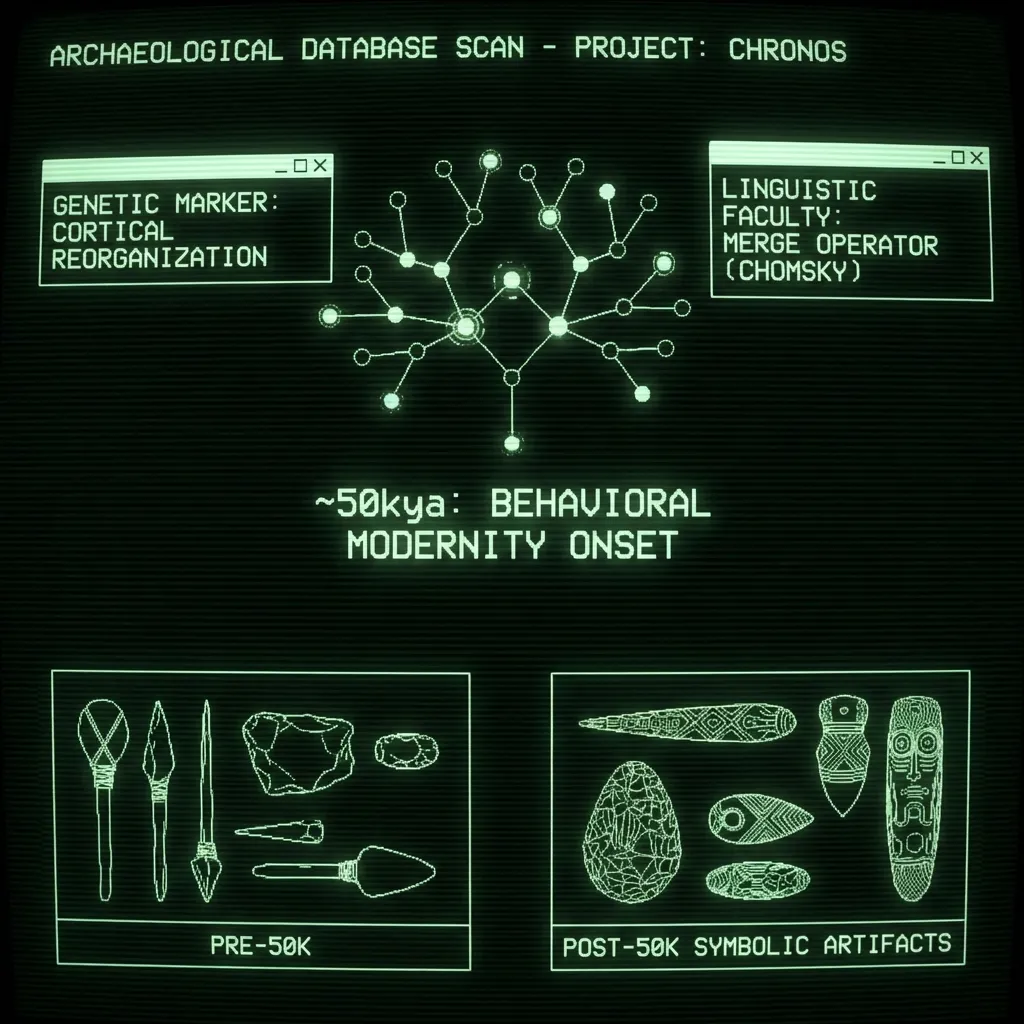
Guide to seven leading theories of the Upper Paleolithic cognitive revolution—what changed, when it happened, and why it sparked modern human behavior.
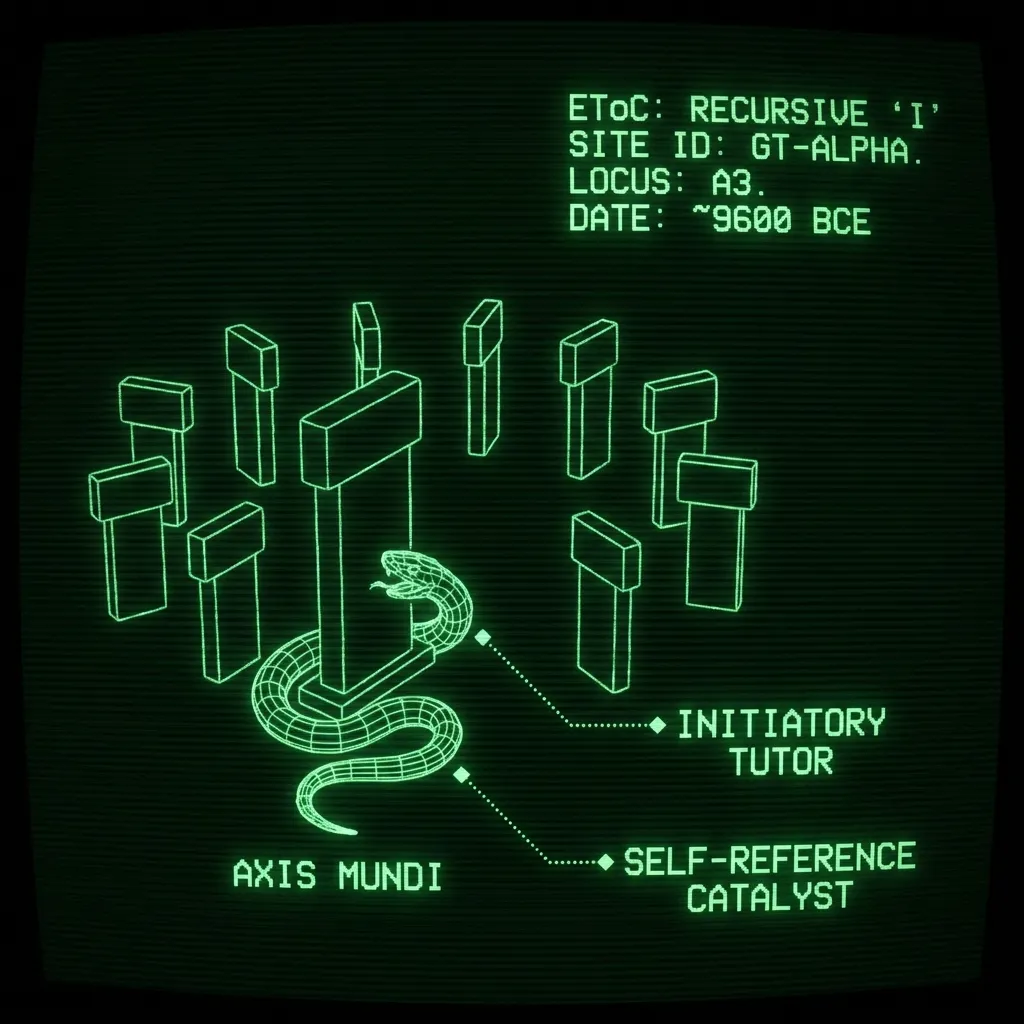
From Eden through John’s Logos and Gnostic counter-myths to global ‘hanged-god’ rites, this essay reconstructs how reflexive consciousness emerged, iterated, and finally theorised itself.
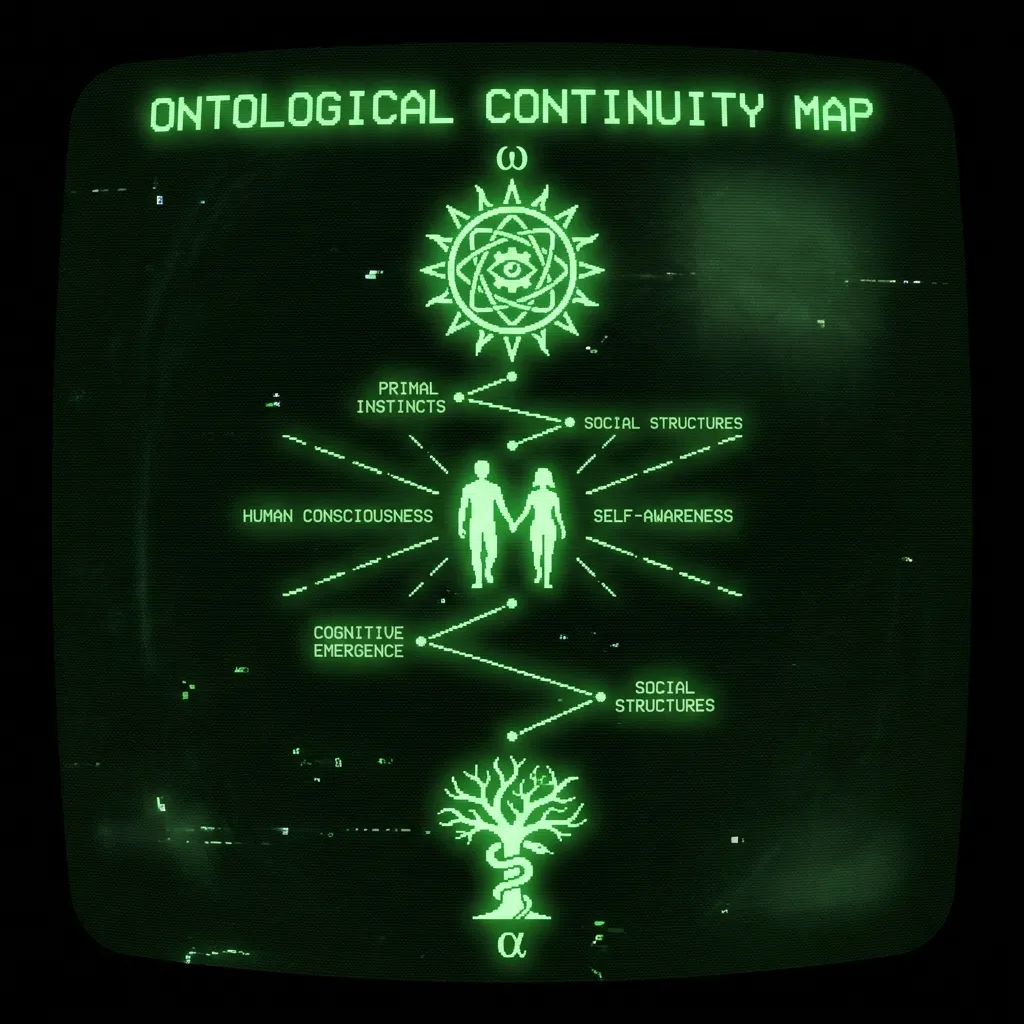
Exploring the evolution of self awareness through Genesis, John’s Logos, Gnosticism, and sacrificial myths, linking the Edenic serpent to Christ and the birth of the conscious self.
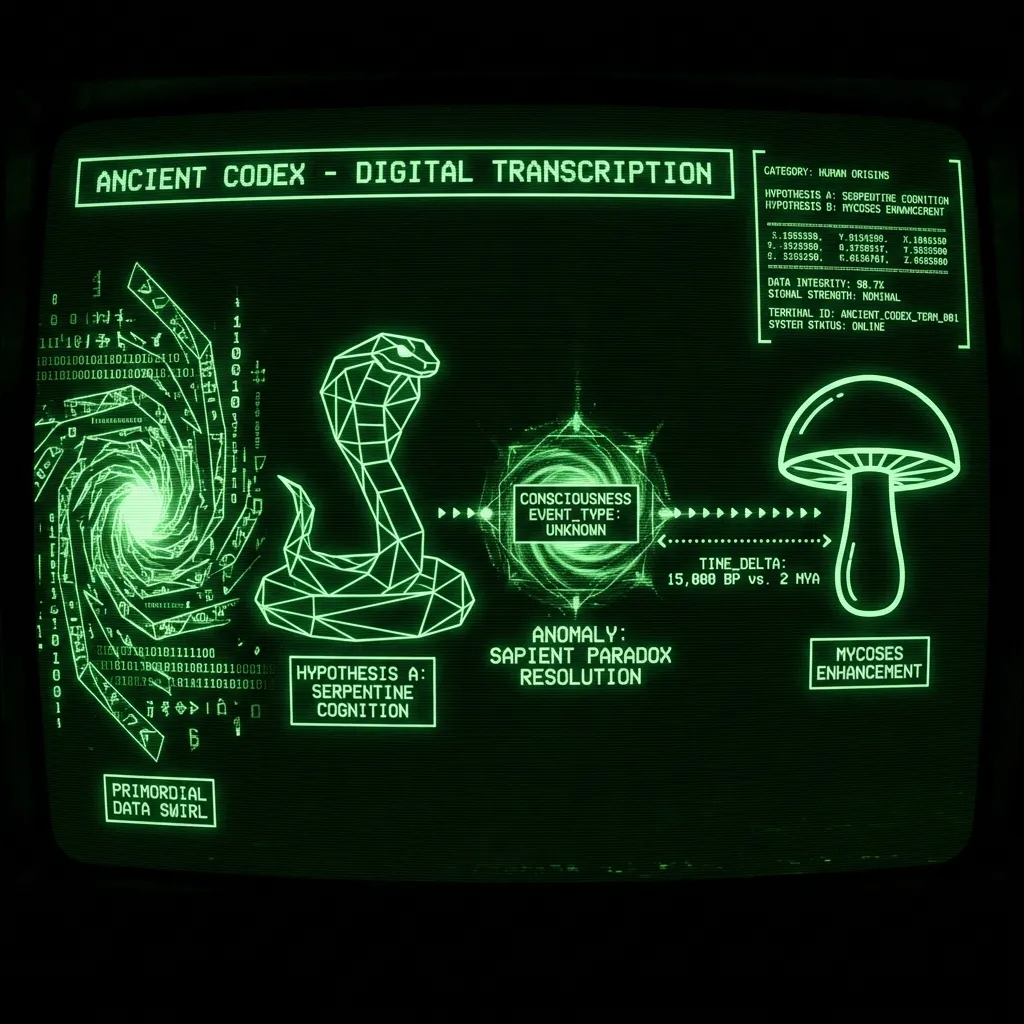
An exploration of two theories on the origins of human consciousness: the Snake Cult/Eve Theory (snake venom) versus the Stoned Ape Theory (psilocybin mushrooms).
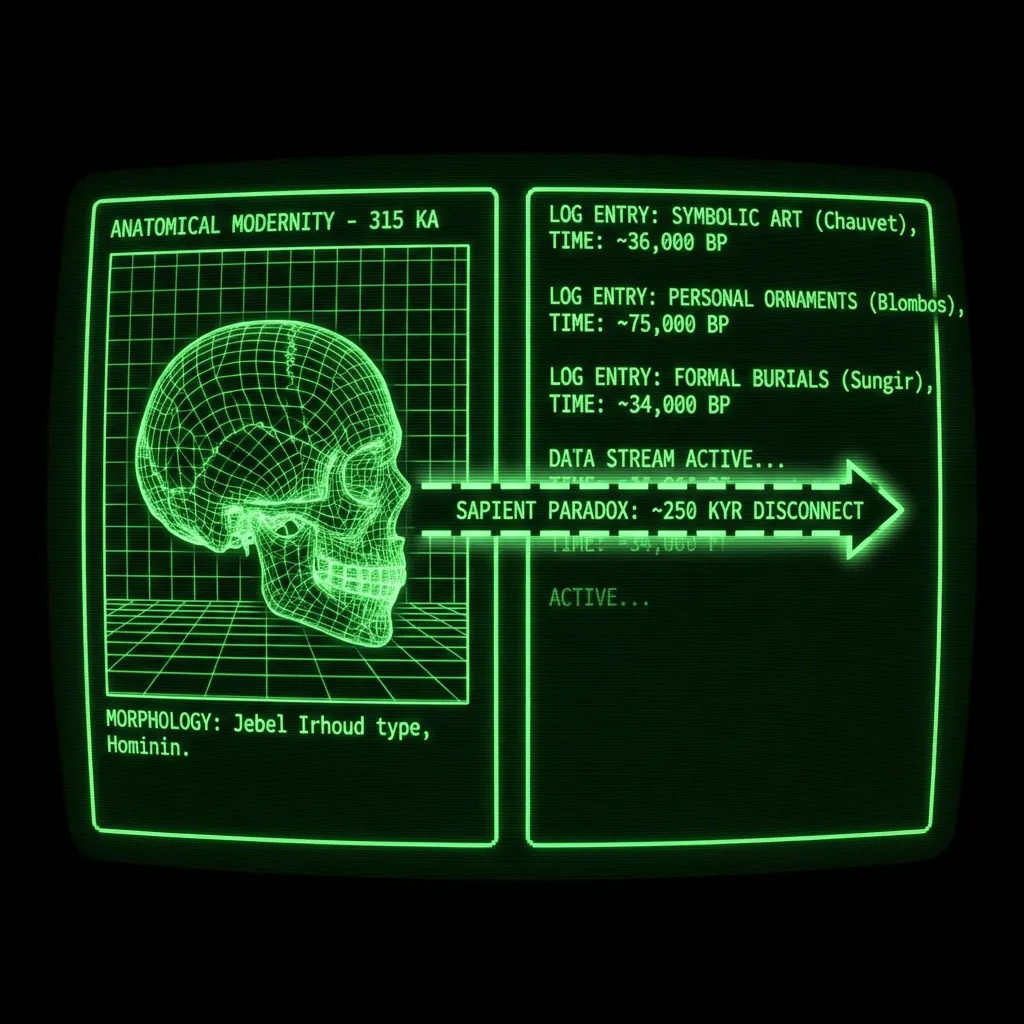
A concise overview of the Sapient Paradox – the puzzling gap between when anatomically modern humans appeared and when behaviorally modern traits (like art, complex tools, symbolism) emerged.
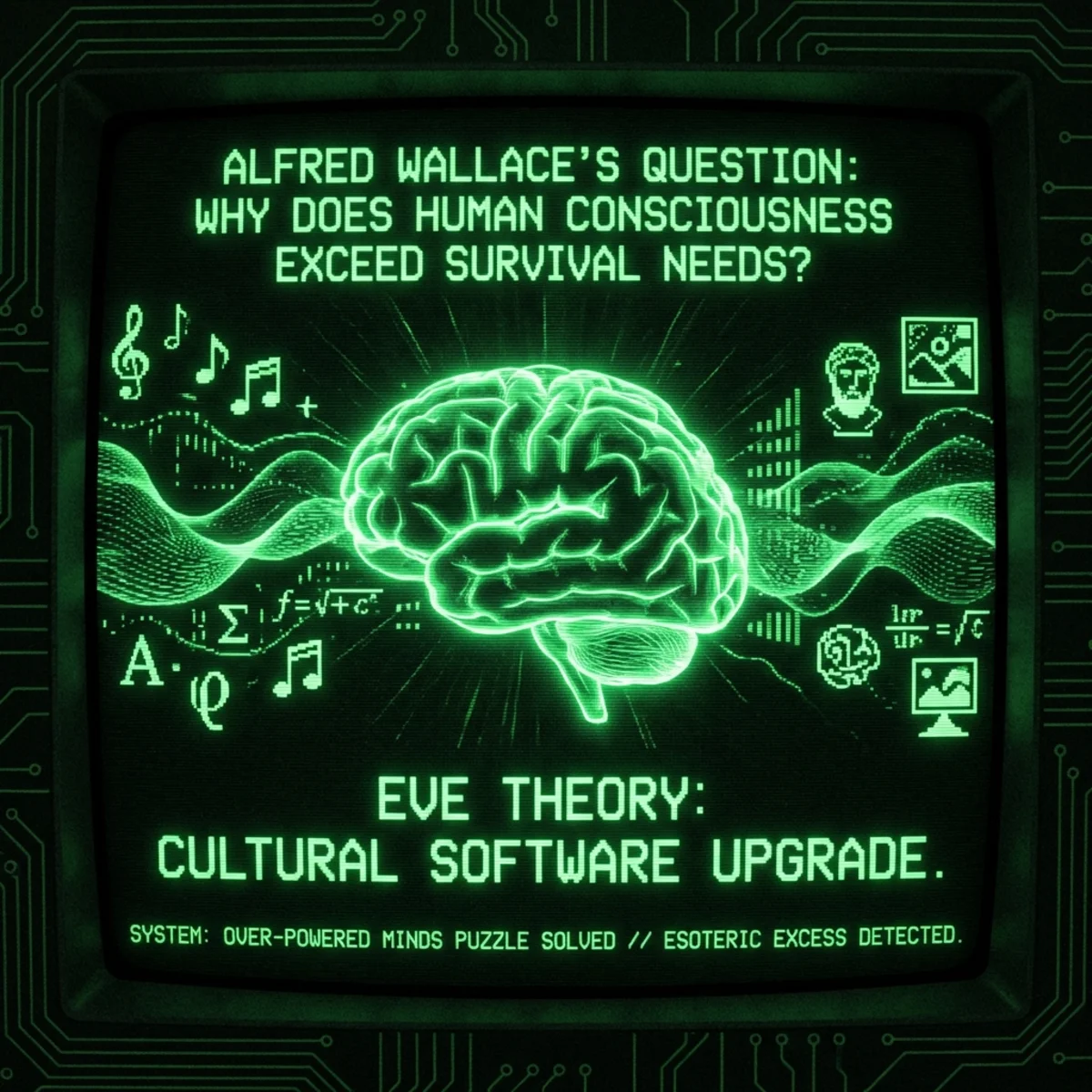
A comprehensive, evidence-driven defence of the Eve Theory as the only evolutionary route to recursive self-awareness and language (i.e. the Wallace Problem).
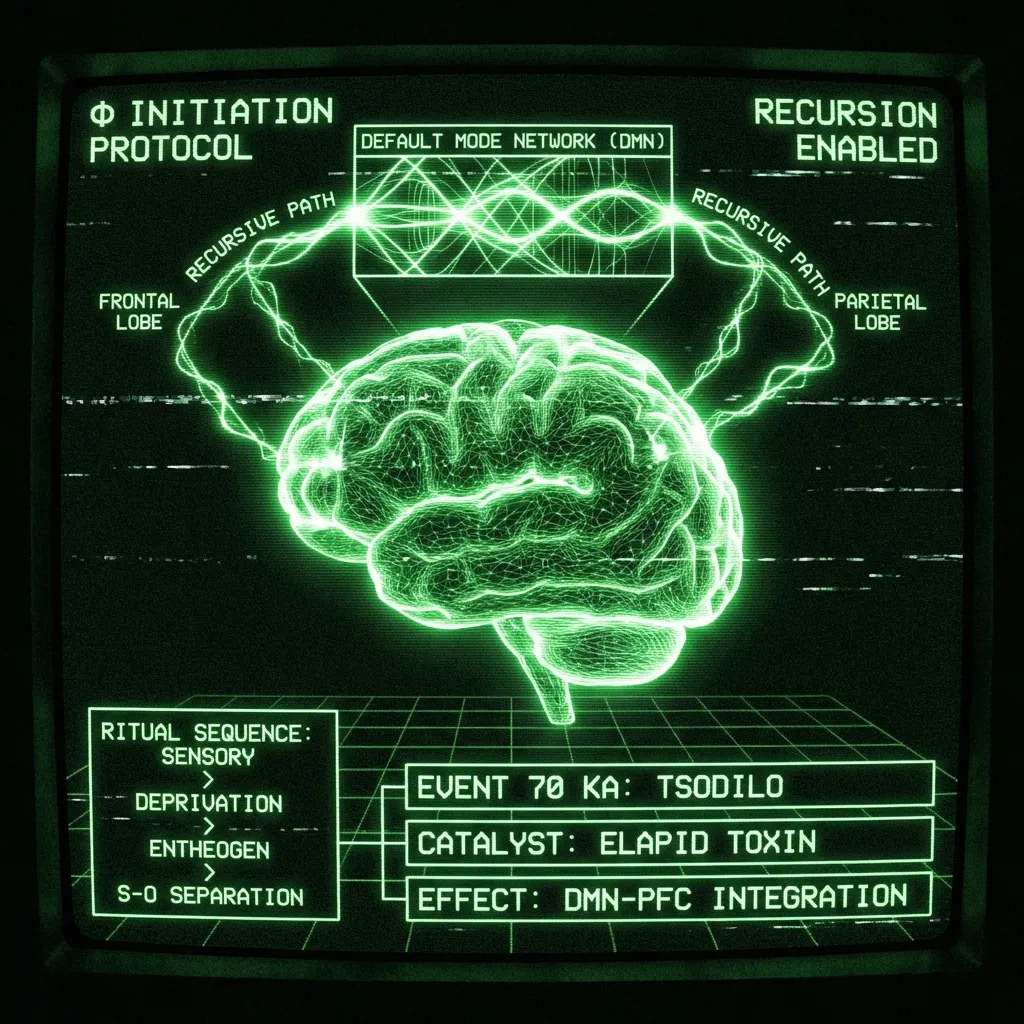
Integrating Thomas Froese’s insights on intersubjectivity and enactivism with the Eve Theory of Consciousness to provide a novel perspective on the Hard Problem of consciousness and the evolution of subjective experience.
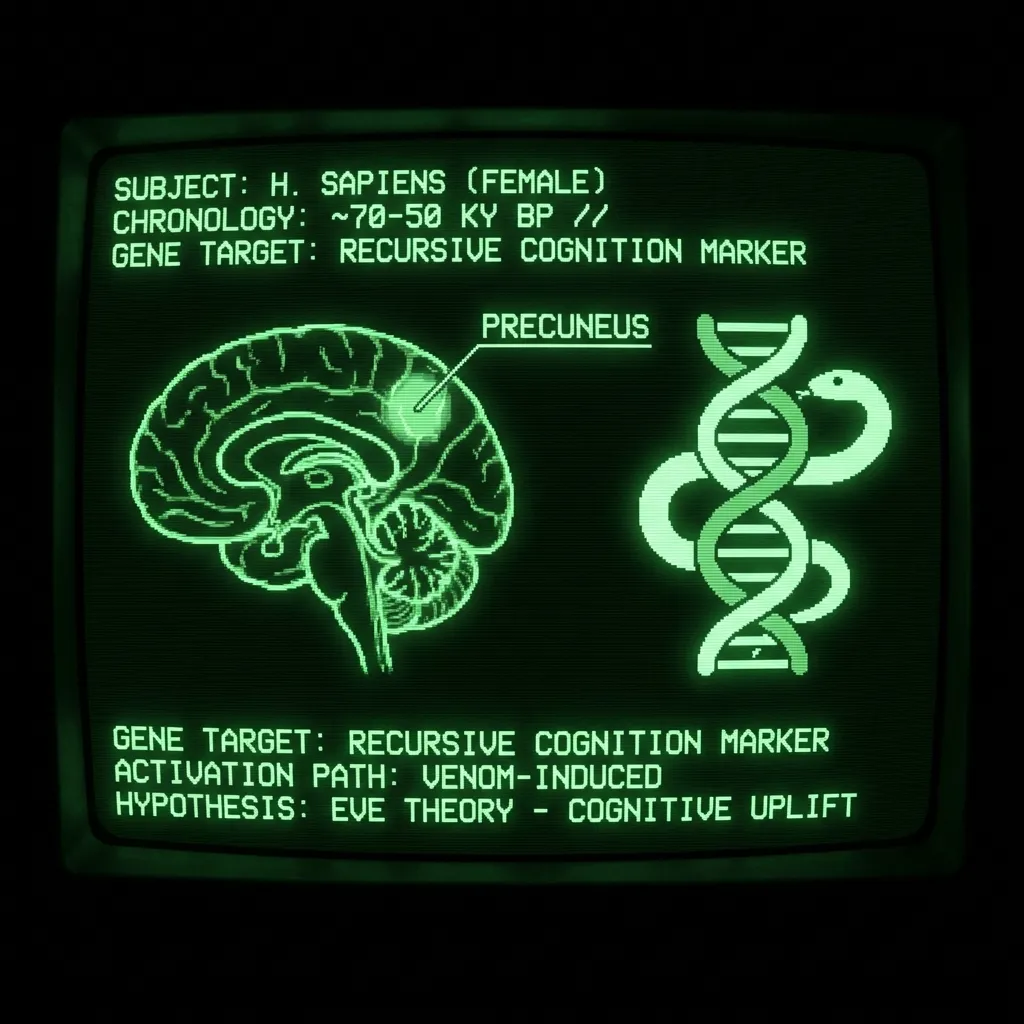
Deep synthesis of Tom Froese’s Ritualised-Mind Hypothesis and Andrew Cutler’s Eve/Snake-Cult Theory, resolving the Sapient Paradox through ritual-mediated recursion, female agency, and gene–culture sweeps.
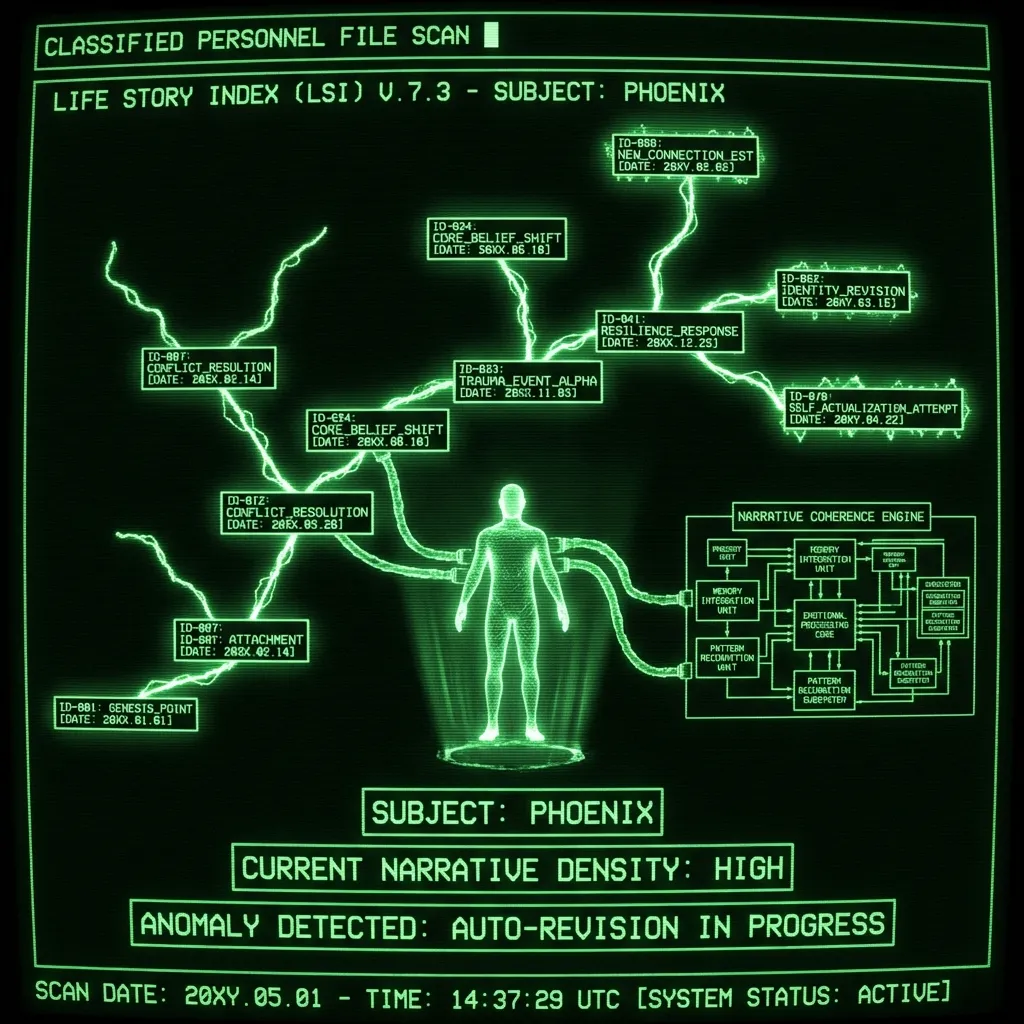
A comprehensive review exploring the concept of the ’narrative self’ across philosophy, psychology, neuroscience, and literary theory.
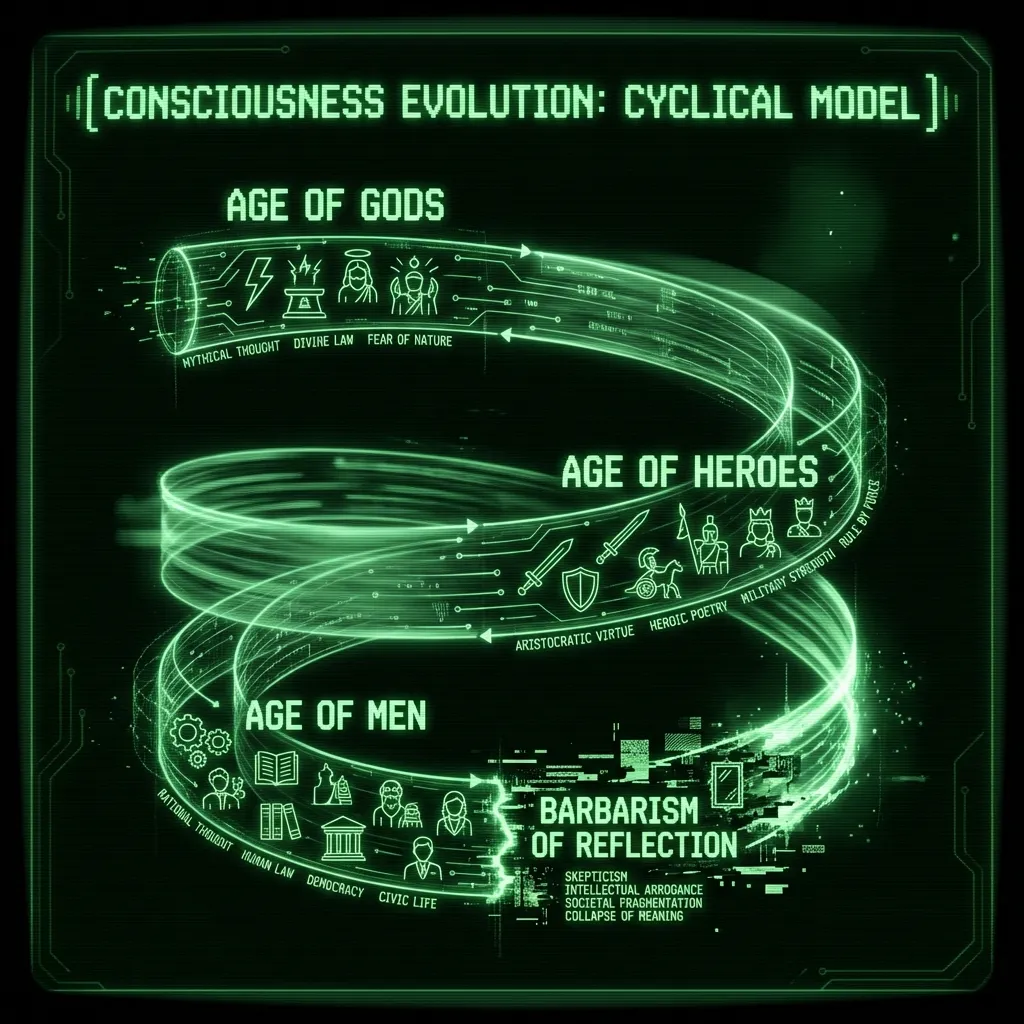
A comprehensive survey of thinkers who proposed evolutionary models of human consciousness, from Hegel and Comte to Gebser and Wilber, mapping stages from primitive to modern awareness.