The Snake Cult of Consciousness reframes the Sapient Paradox: behavioral modernity emerged ~15 kya through memetic—not genetic—diffusion of selfhood.
Snake Cult of Consciousness and the Sapient Paradox

The Snake Cult of Consciousness reframes the Sapient Paradox: behavioral modernity emerged ~15 kya through memetic—not genetic—diffusion of selfhood.
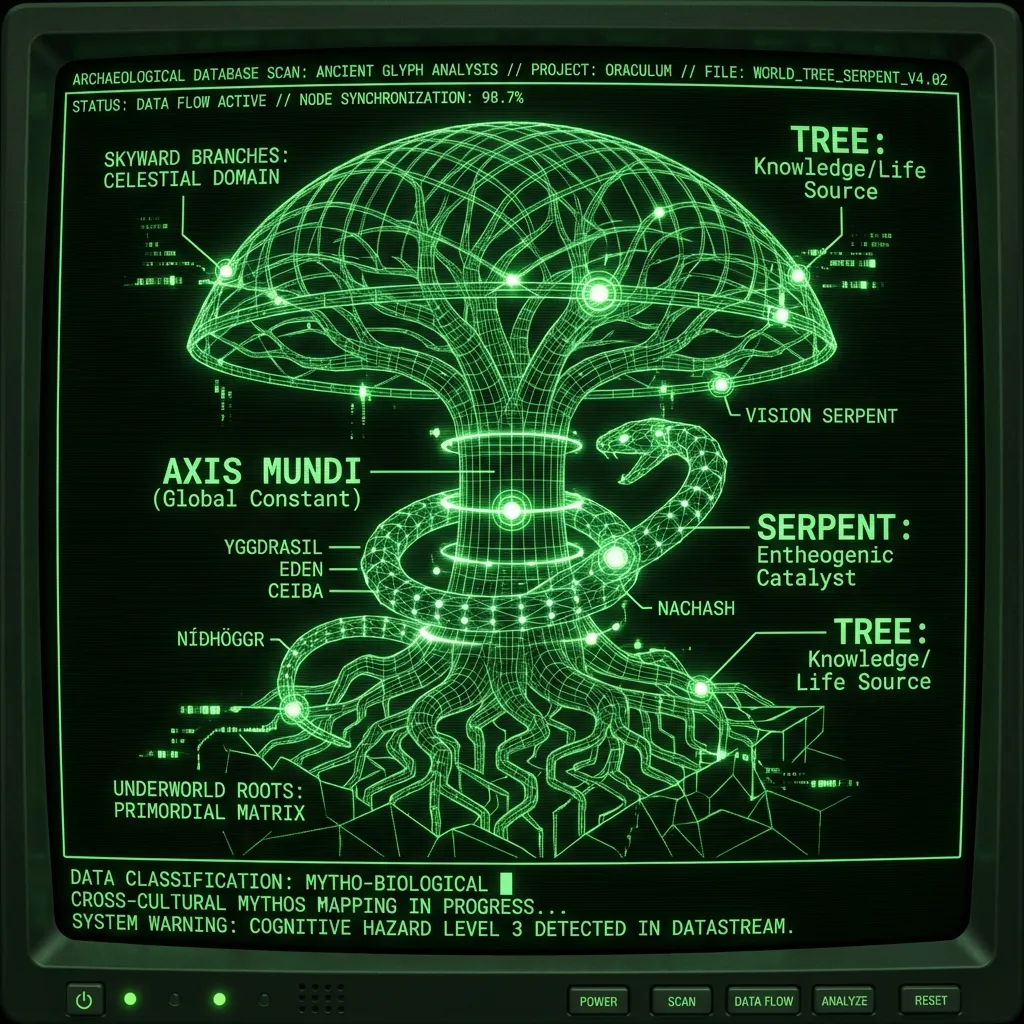
Across cultures, the snake coiled at a world‑tree signals an entheogenic passage into self‑aware “I‑am” consciousness—this article explains the motif’s persistence.

A long-form exploration of how the discovery of reflective selfhood radiated through late-Ice-Age cultures, with the Eve Theory of Consciousness and the Snake Cult hypothesis as the most coherent narrative frame.

A deep dive into two speculative etymologies linking the global N-pronoun to ‘knowing’—either semantically (knower = self) or phonetically (ǵn- > n-).
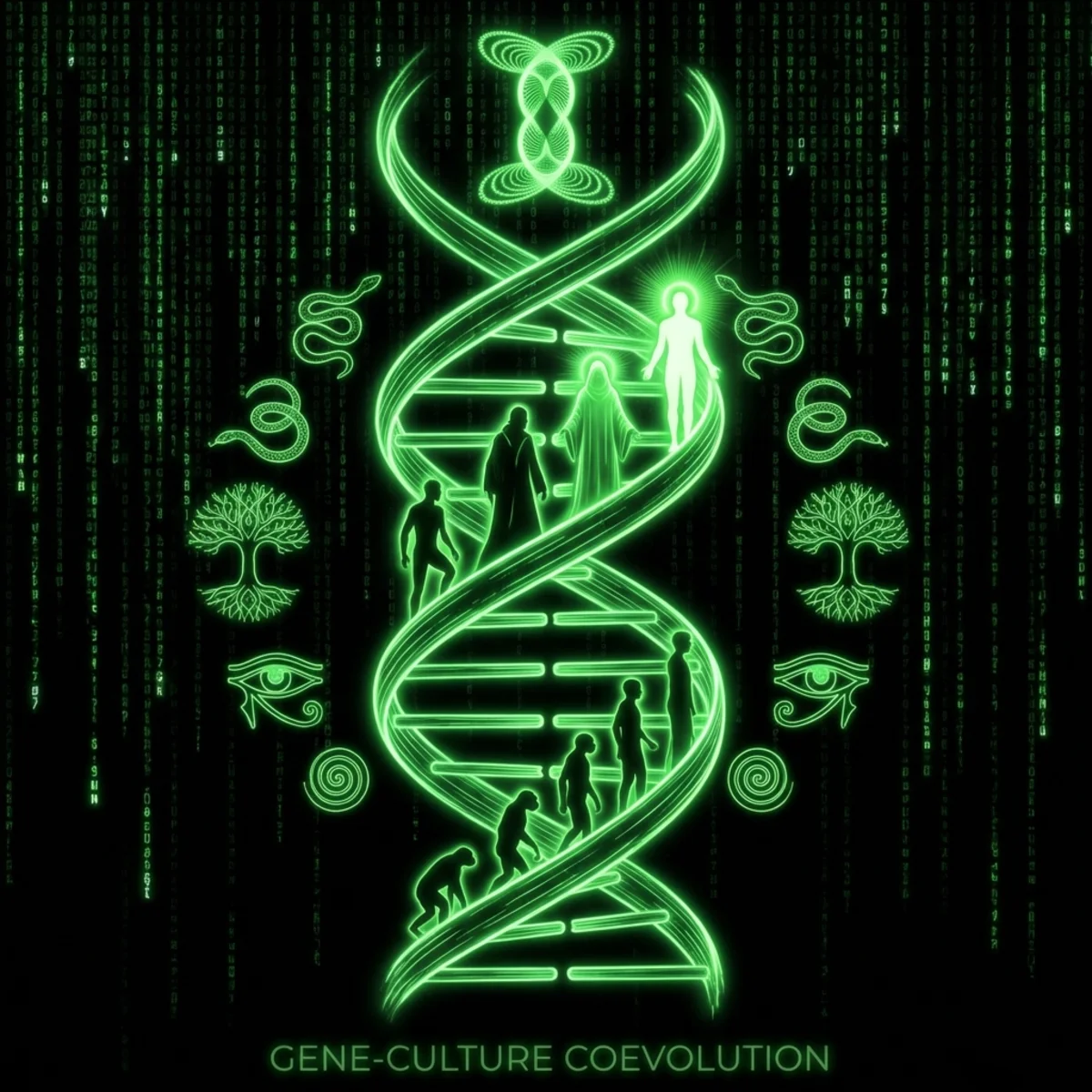
A comprehensive interdisciplinary theory proposing that human consciousness originated as a cultural invention in prehistoric times, likely pioneered by women and spread through ritual and language.

Sweep through Yoruba clay-people, Dogon fish-twins, Egyptian ka-snakes, and Lebe’s bullroarer to see how Africa narrates human beginnings.
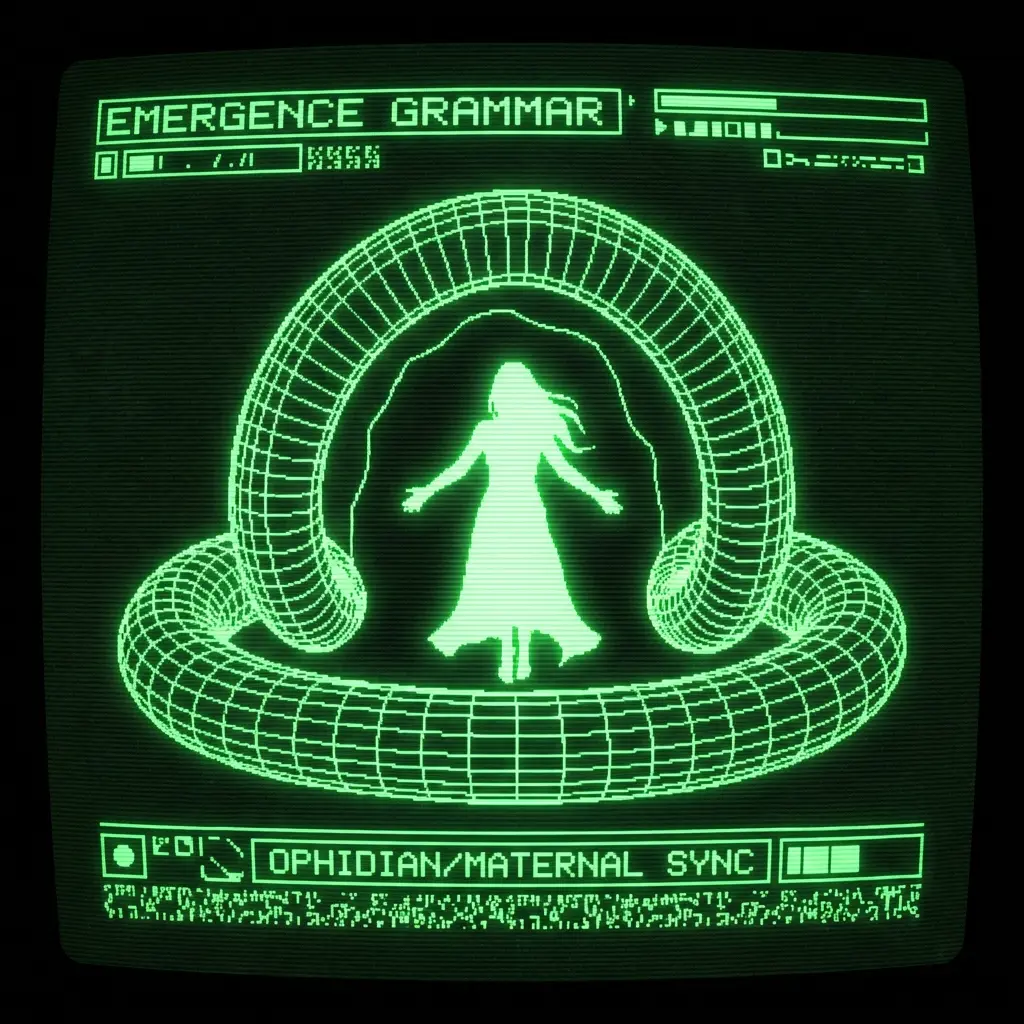
How water-serpents and founding women co-star in Navajo, Zuni, Taíno, K’iche’, and Inka origin stories and what that pairing reveals about birth, chaos, and order.
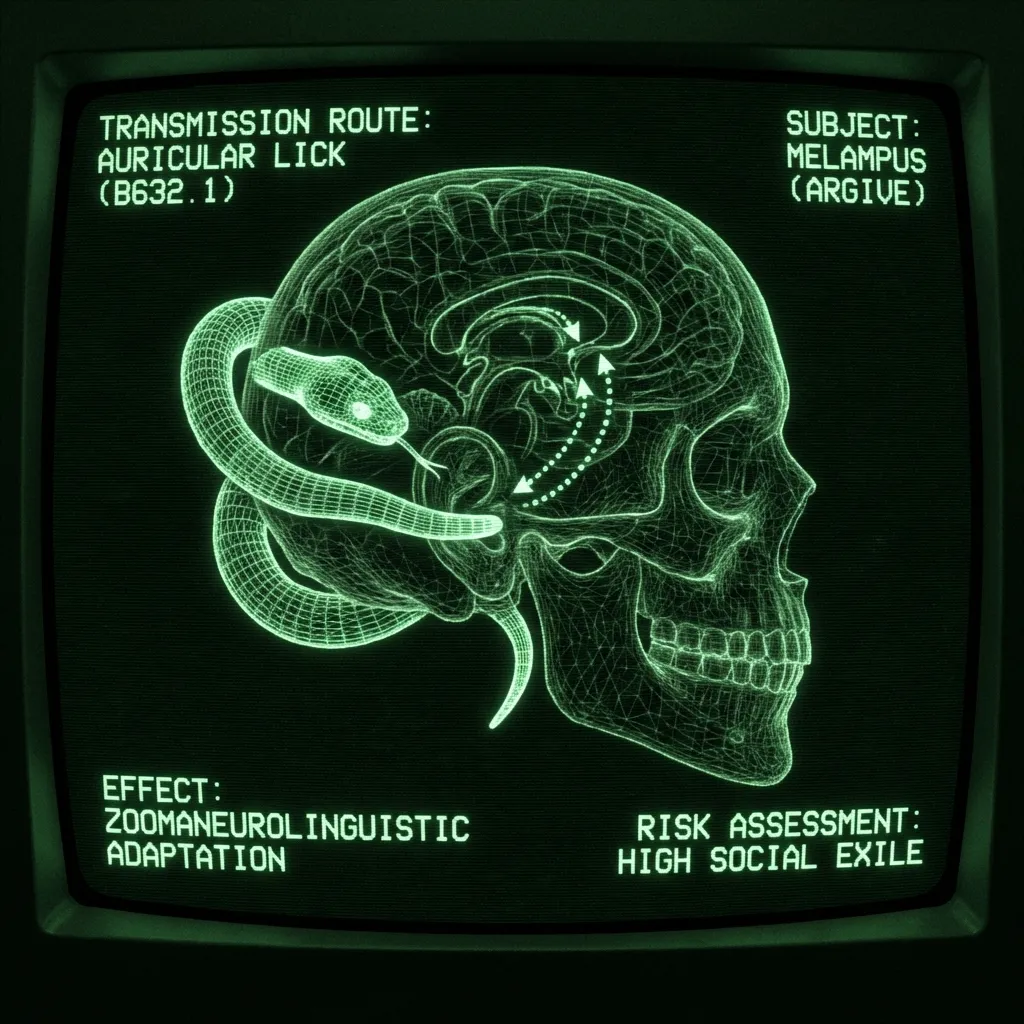
From Greek shepherd‑seers to Kurdish snake‑queens, cultures worldwide claim a serpent’s bite, lick, or brew lets humans talk to animals.
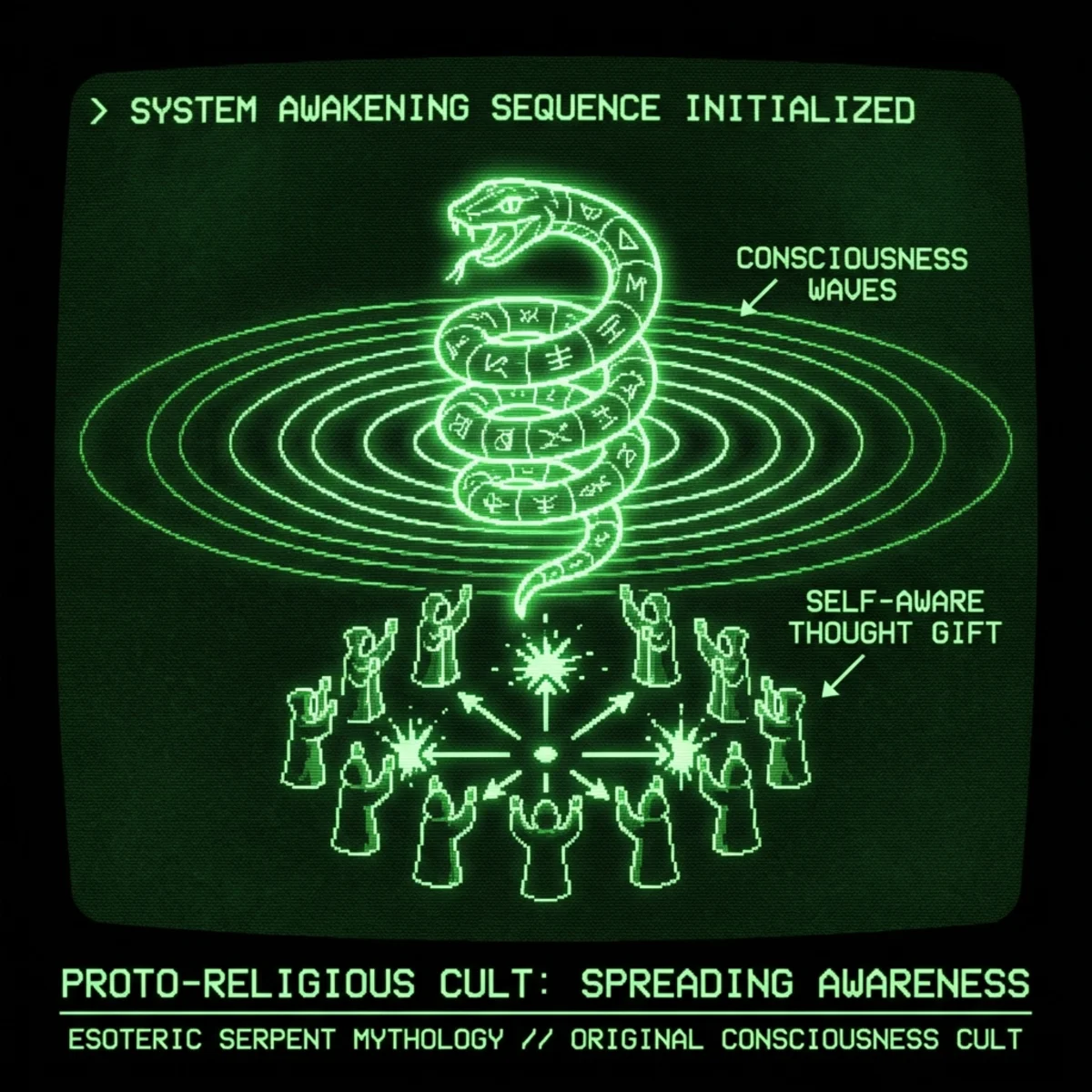
How a prehistoric serpent-goddess cult may have jump-started self-aware thought and spread its rites across the globe.

Systematic audit of 12 evolutionary, archaeological and mythic puzzles and how the Eve Theory of Consciousness purports to solve them.