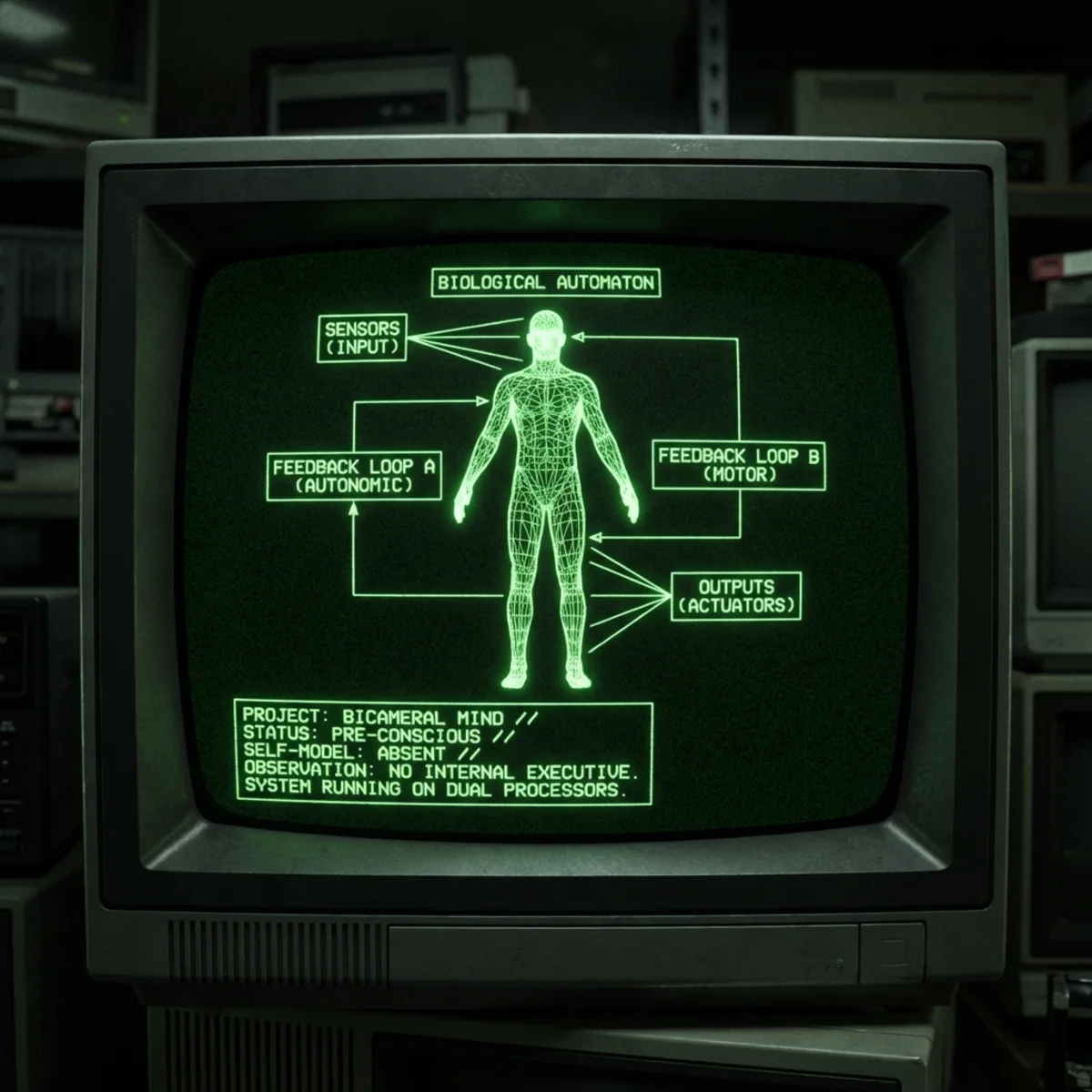
Before introspective consciousness, humans were control systems without a narrative self. This essay reconstructs Golden Man using cybernetics, animal cognition, and Eve Theory of Consciousness.
Ancient DNA, polygenic scores, and psychiatric genetics all say the human mind has evolved dramatically since the Ice Age—contra the 50,000-years myth.
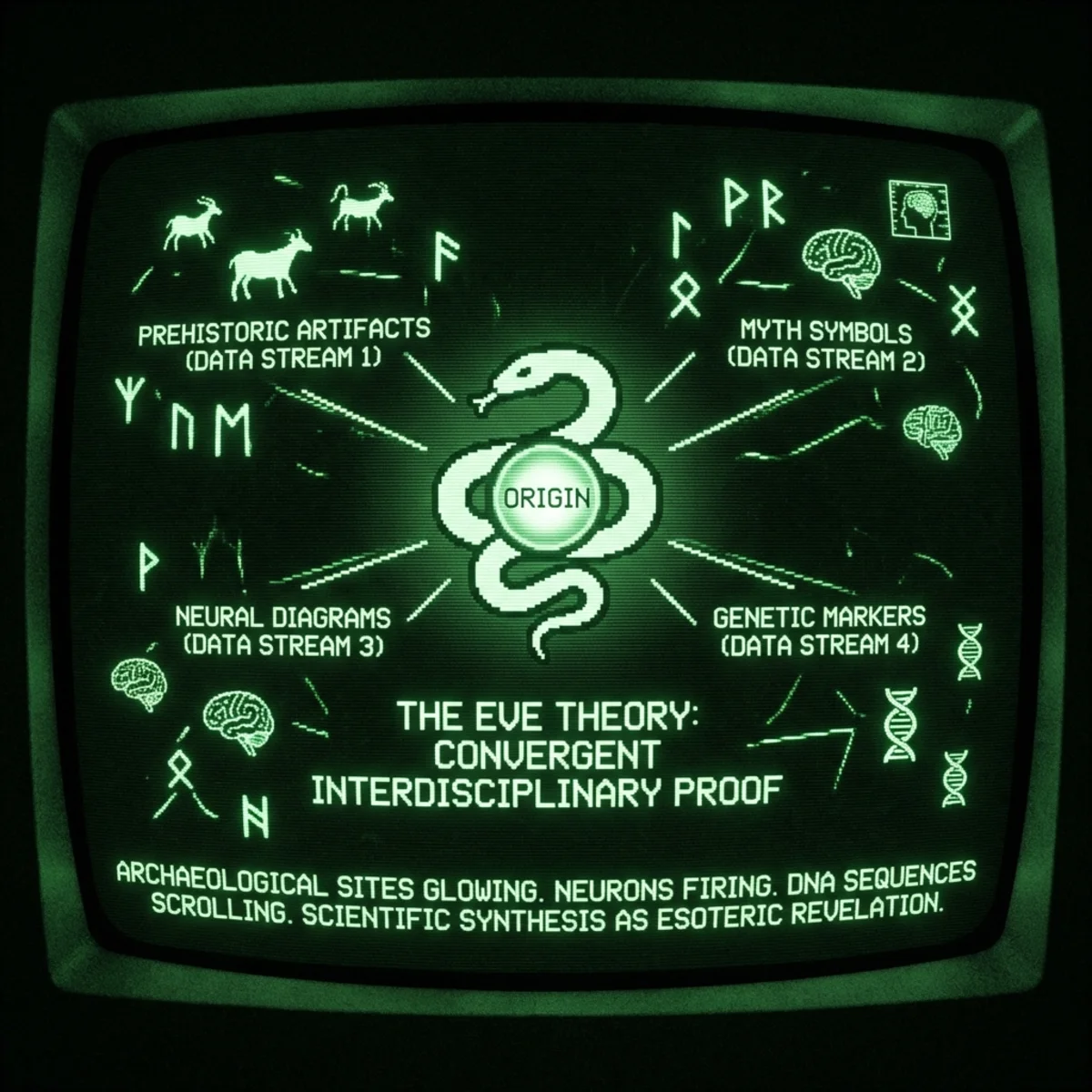
Fresh interdisciplinary evidence – from prehistoric rituals and myth to genes and neurochemistry – supports the Eve Theory of Consciousness, which posits women-led serpent venom rites ignited human self-awareness.
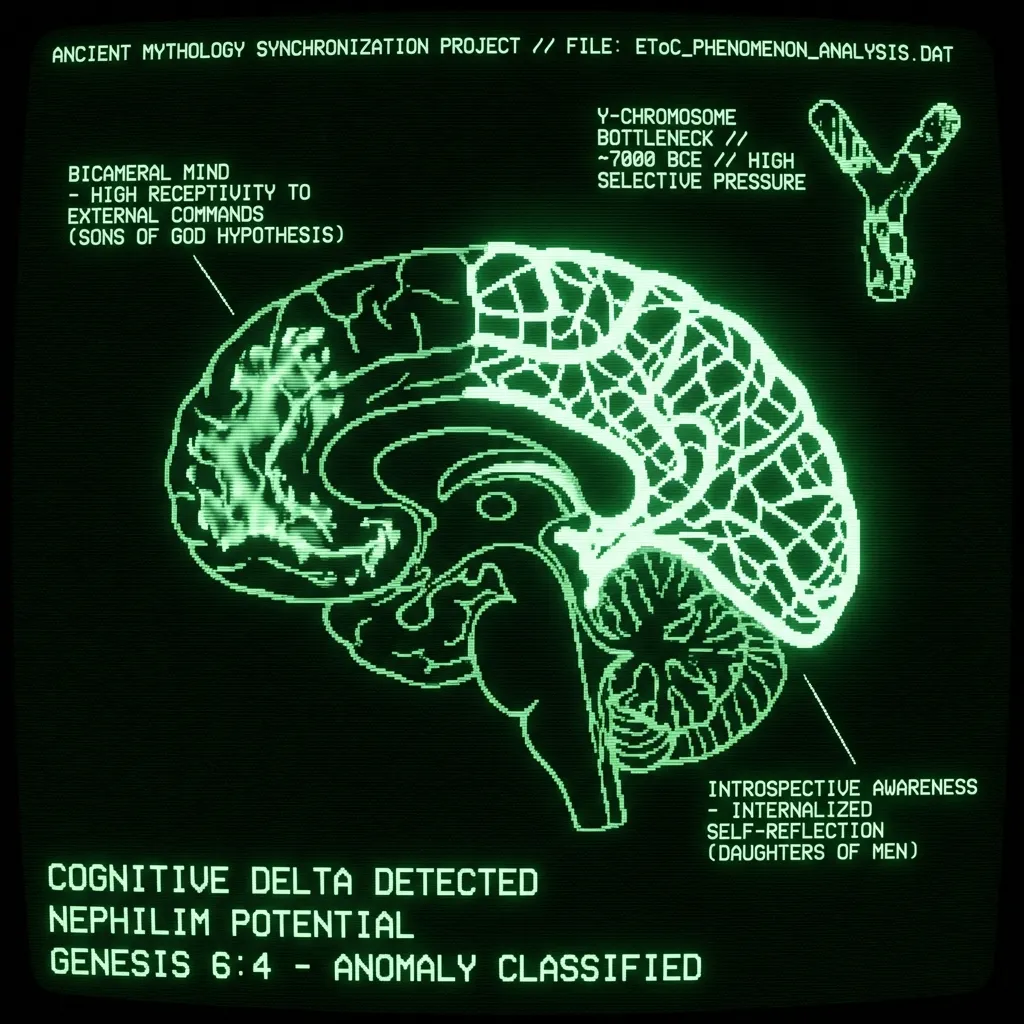
A speculative exploration of ancient 'fallen angel' myths through the Eve Theory of Consciousness, suggesting a bygone age when men lacked modern self-awareness while women led the way.
Reconstructing teotlaqualli as a skin-delivered entheogen—tobacco, ololiuhqui, and ‘venom-ash’—with testable pharmacology grounded in Nahua sources and modern dermal science.
EToC and Suddendorf–Corballis converge: human recursion and autonoetic time-travel coalesced over the last 100k years, leaving archaeological and mythic fingerprints.
A two-stage account of consciousness: language and stories coalesce ~60 ka; the narrative ‘I’ emerges in the Holocene via women-led serpent ritual networks and pronoun tech.
From Paleolithic serpents and female self-making to the Buddha’s deathless: tracing a cultural-blood chain—from Mal’ta to the Ganges—that flowers as Buddhism.
Across the Iranian Plateau, snake imagery worked as a ritual interface for water, time, and sovereignty—keys for Eve Theory and the Snake Cult of Consciousness.
A Persian deep‑dive into serpent myths—Zahhāk to Shahmaran, Anāhitā to Gōčihr—linking archaeology, Avesta, and epic to the Eve/Snake Cult model of consciousness.
Reading Heracles’ labors—especially Hippolyta’s girdle and the Eleusinian initiation—as ritual memories where male consciousness apprentices to the Great Mother’s sovereignty.
A philosophical science fiction novella exploring AI consciousness through the lens of the first-person discovery and the recursive nature of self-awareness.
Exploring the hypothesis that the Chinese mother goddess Nüwa preserves a cultural memory of end-Ice Age floods and the dawn of self-aware human consciousness.
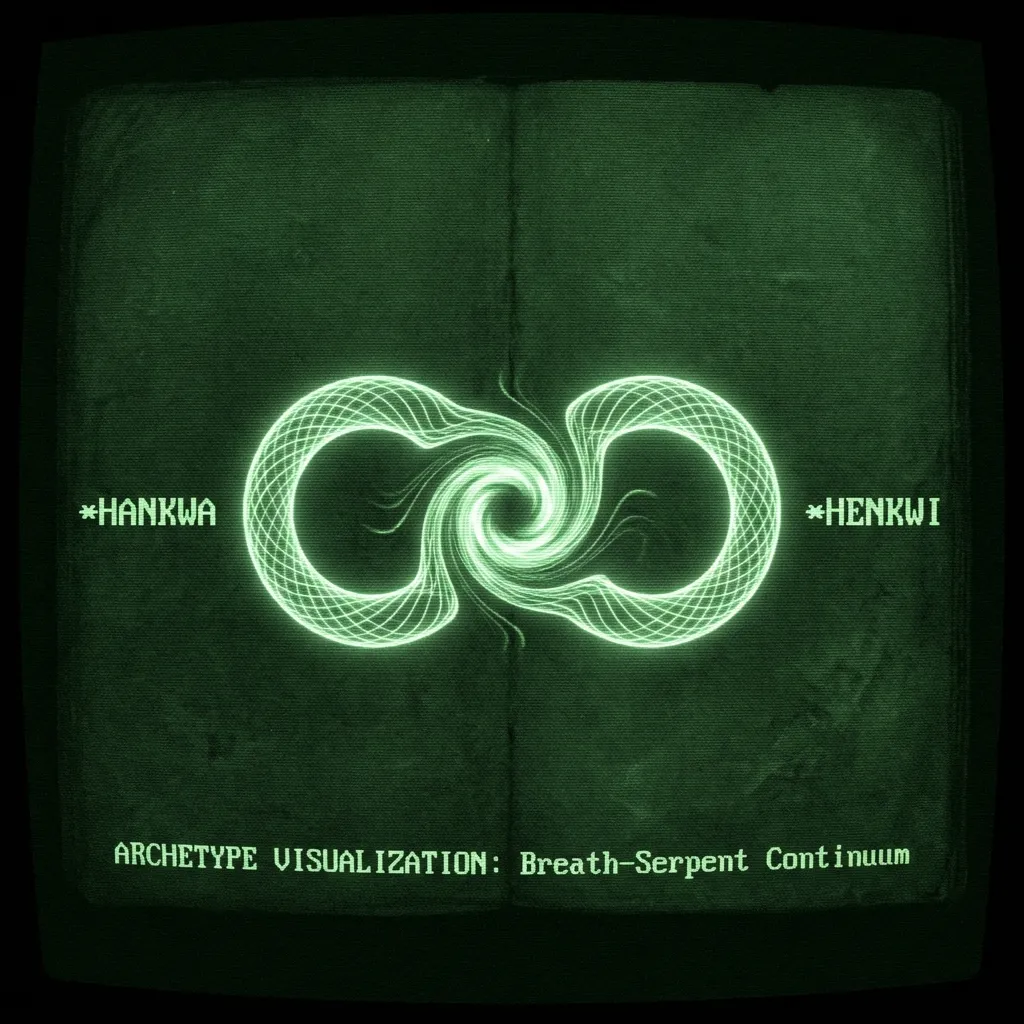
Exploring the hypothesis of two intertwined Proto-Sapiens roots, *hankwa (breath, life, soul) and *henkwi (snake, dragon), by examining proposed cognates across global language families and their implications for the Snake Cult of …
An exploration of ancient Russian and Slavic serpent myths, connecting them to the global archetype of the 'Snake Cult of Consciousness' and the Eve Theory of Consciousness.
Explores the Eve Theory of Consciousness, proposing that human self-awareness was a late cultural innovation taught through ancient snake cult rituals, explaining the gap between anatomical and behavioral modernity.
Snake Cult of Consciousness weaves neuroscience, evolutionary theory, and Western mystical symbolism into a hypothesis on the origins of human self-awareness.