A speculative exploration of ancient ‘fallen angel’ myths through the Eve Theory of Consciousness, suggesting a bygone age when men lacked modern self-awareness while women led the way.
Nephilim, Fallen Angels, and the Eve Theory of Consciousness
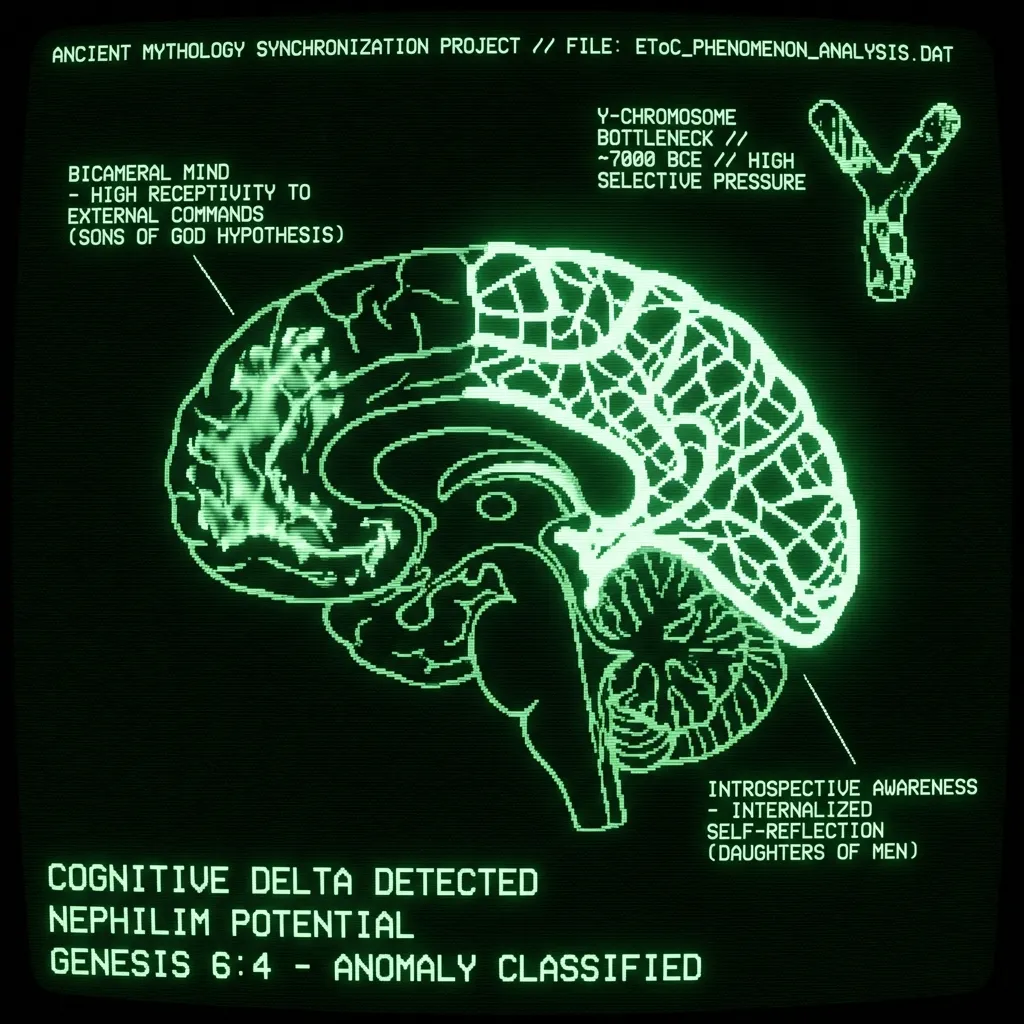
A speculative exploration of ancient ‘fallen angel’ myths through the Eve Theory of Consciousness, suggesting a bygone age when men lacked modern self-awareness while women led the way.
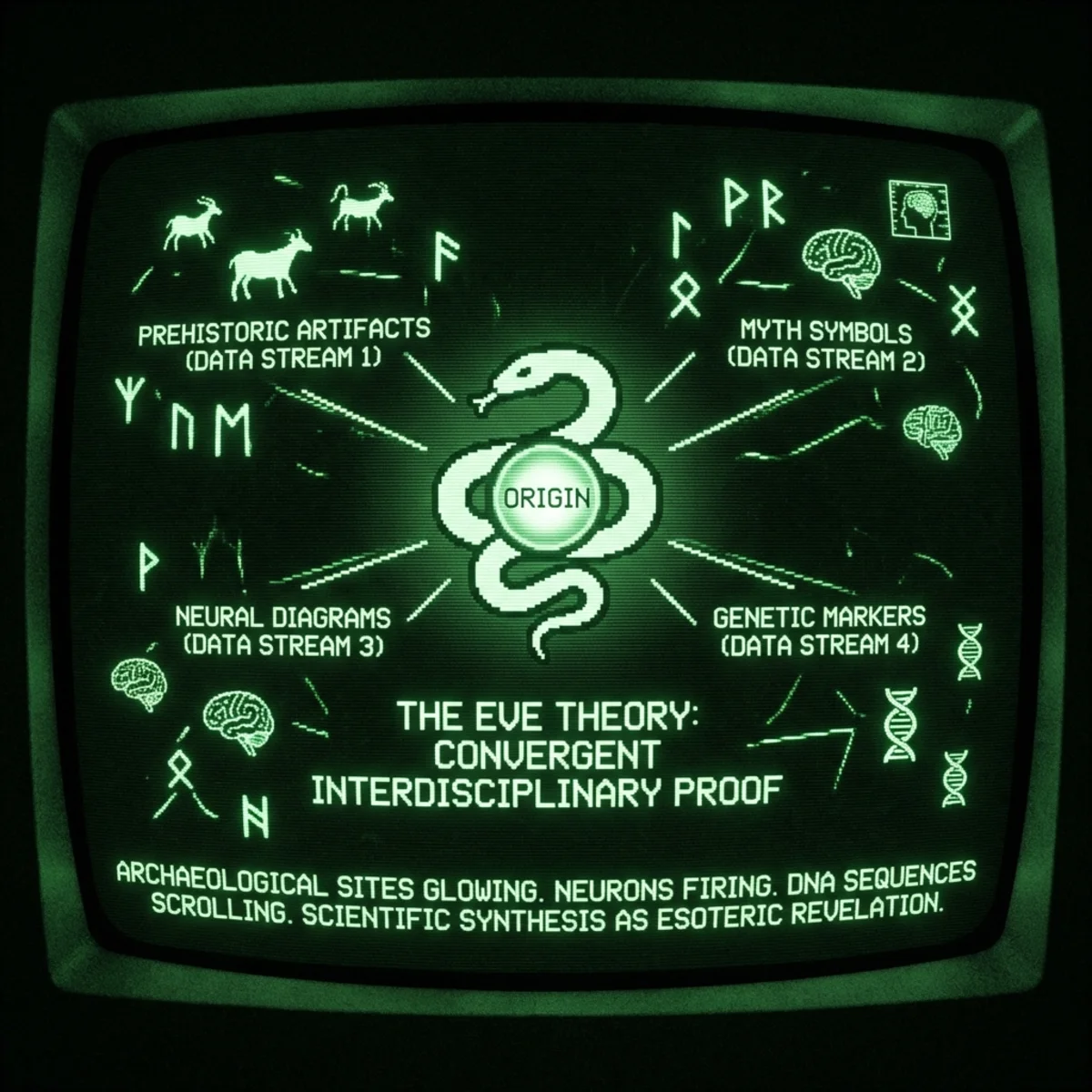
Fresh interdisciplinary evidence – from prehistoric rituals and myth to genes and neurochemistry – supports the Eve Theory of Consciousness, which posits women-led serpent venom rites ignited human self-awareness.
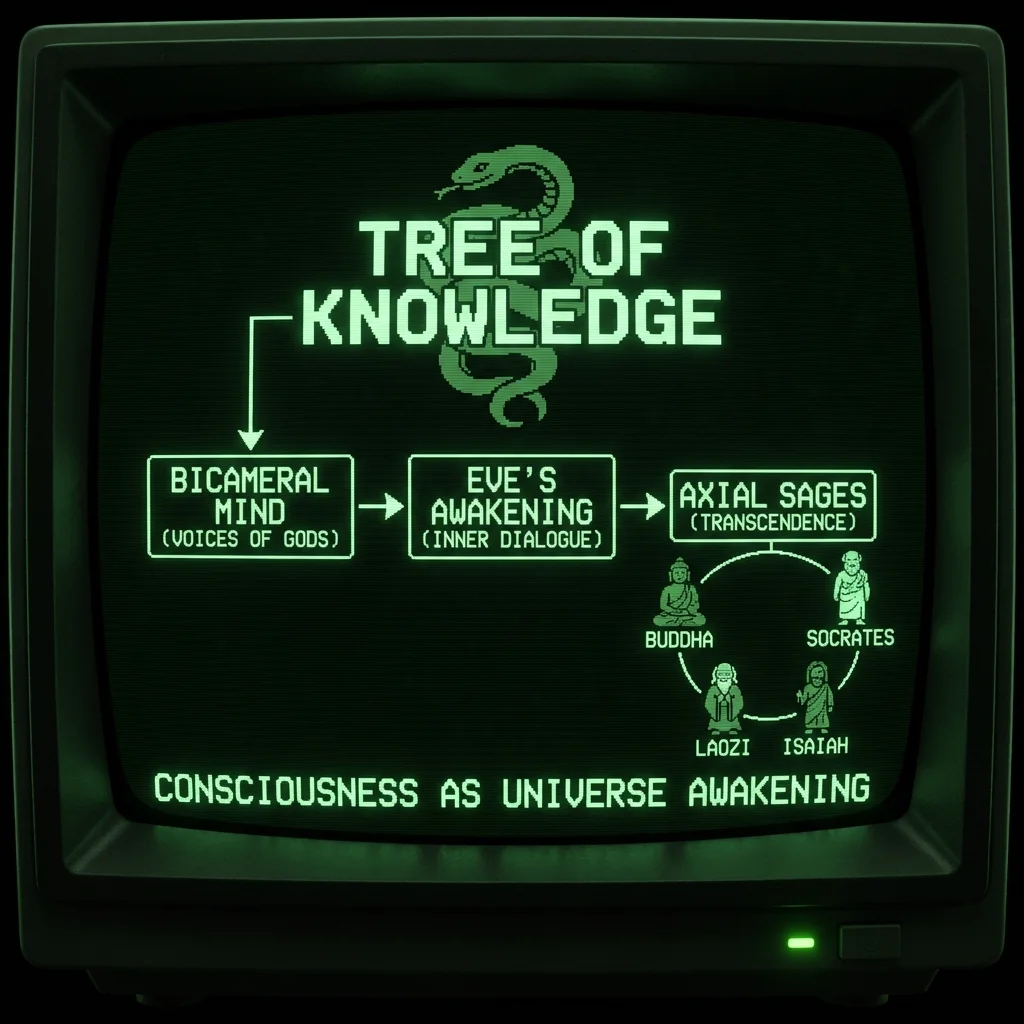
Exploring how the Eve Theory of Consciousness connects to mystical traditions of the divine spark within humanity.
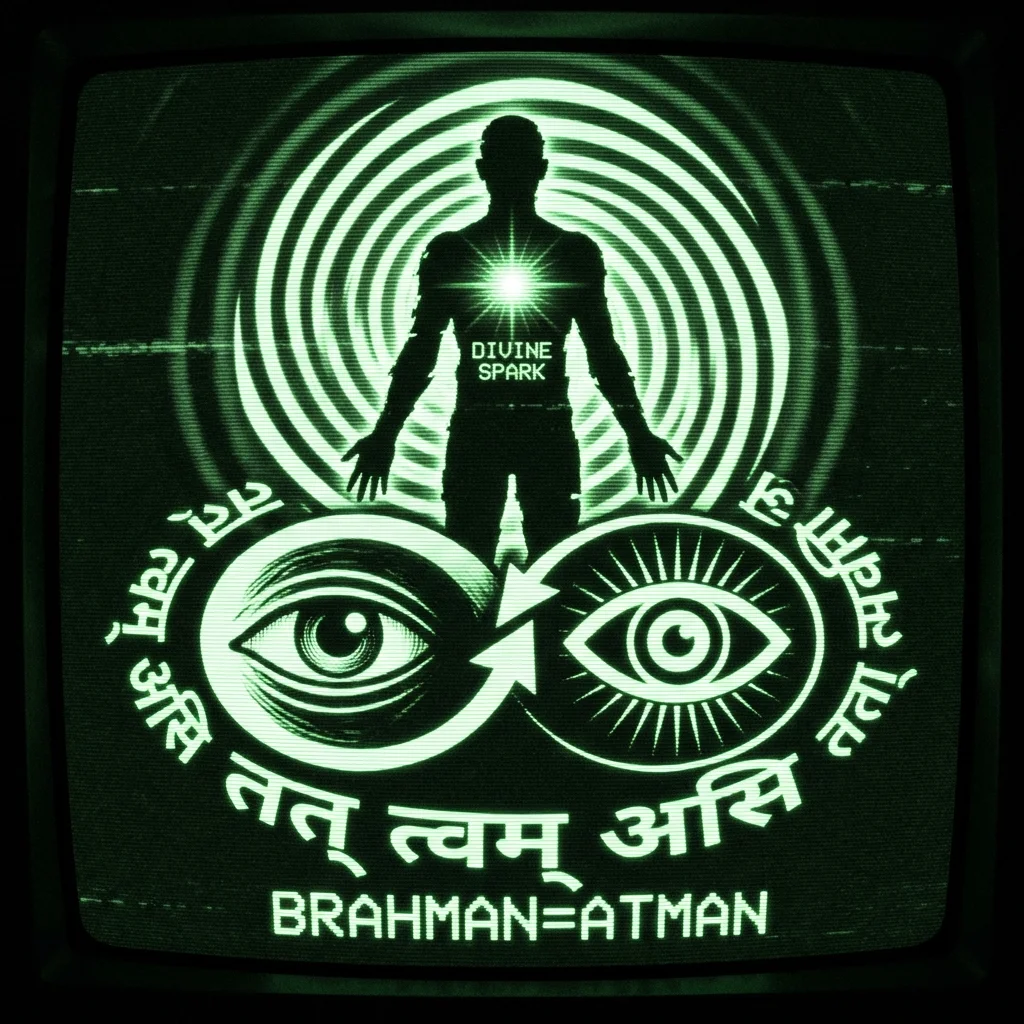
Exploring mystical traditions of the divine spark within humanity and their connection to the Eve Theory of Consciousness.
EToC and Suddendorf–Corballis converge: human recursion and autonoetic time-travel coalesced over the last 100k years, leaving archaeological and mythic fingerprints.
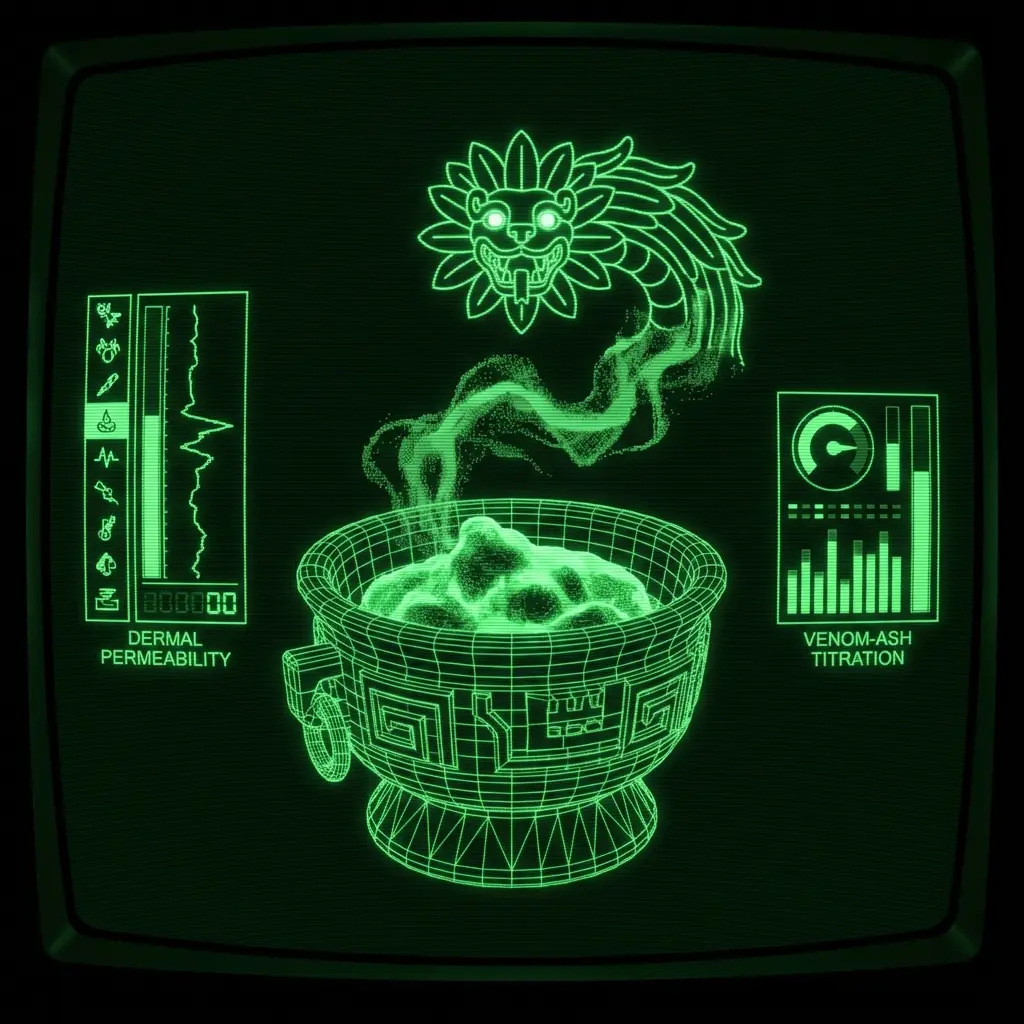
Reconstructing teotlaqualli as a skin-delivered entheogen—tobacco, ololiuhqui, and ‘venom-ash’—with testable pharmacology grounded in Nahua sources and modern dermal science.
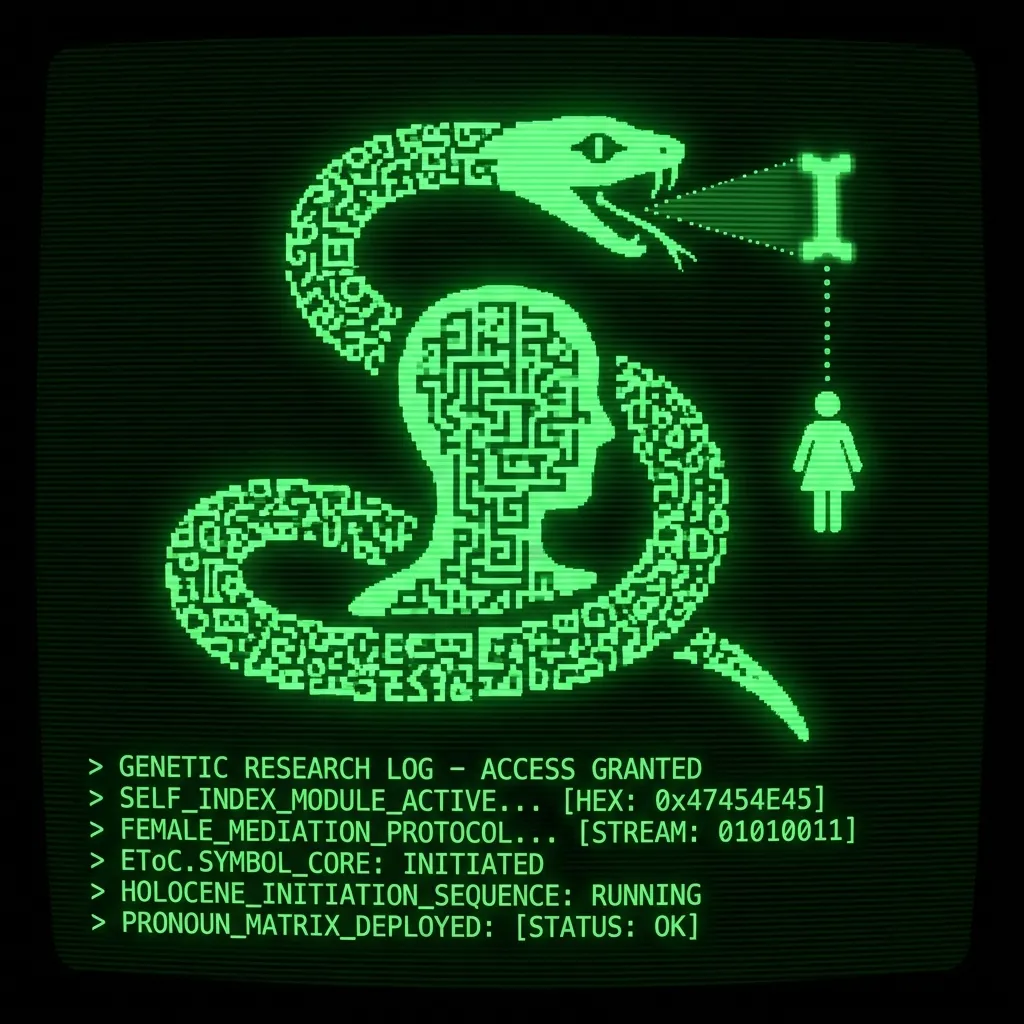
A two-stage account of consciousness: language and stories coalesce ~60 ka; the narrative ‘I’ emerges in the Holocene via women-led serpent ritual networks and pronoun tech.
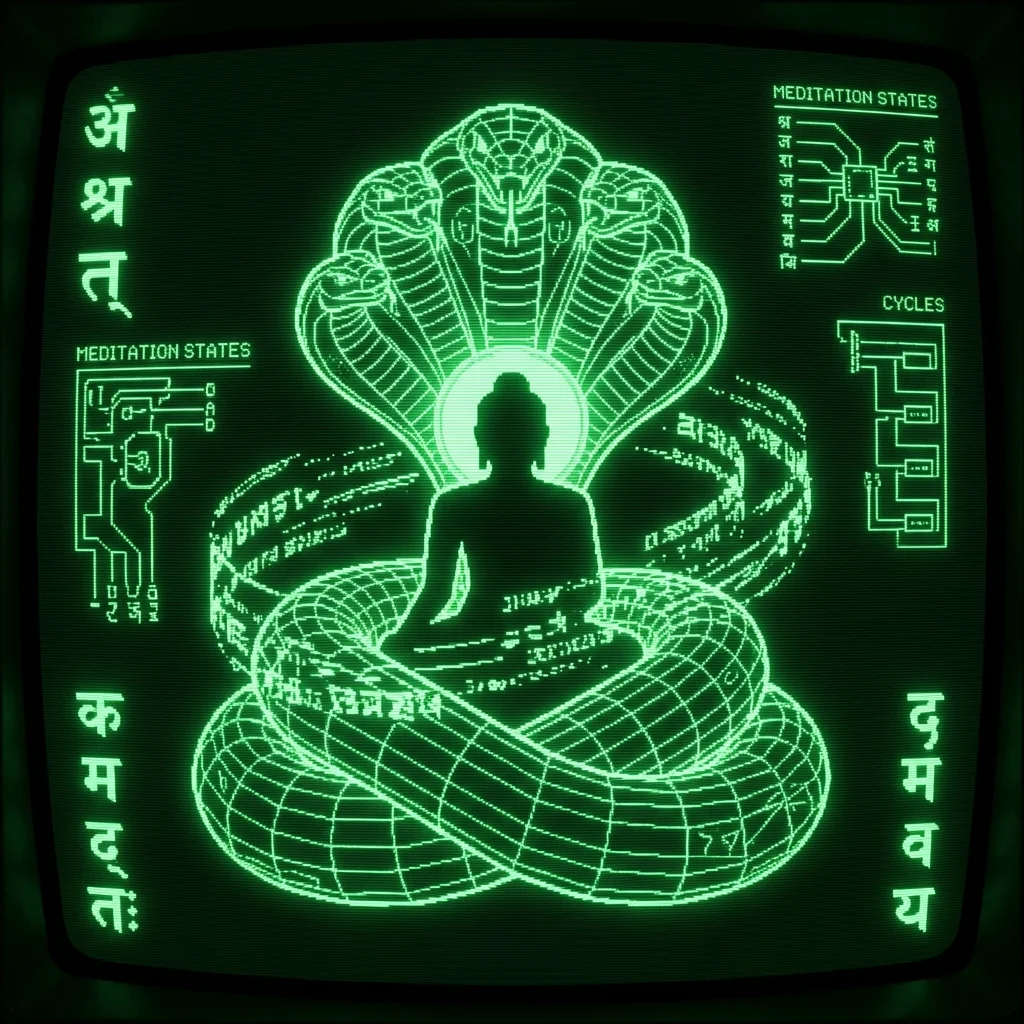
From Paleolithic serpents and female self-making to the Buddha’s deathless: tracing a cultural-blood chain—from Mal’ta to the Ganges—that flowers as Buddhism.
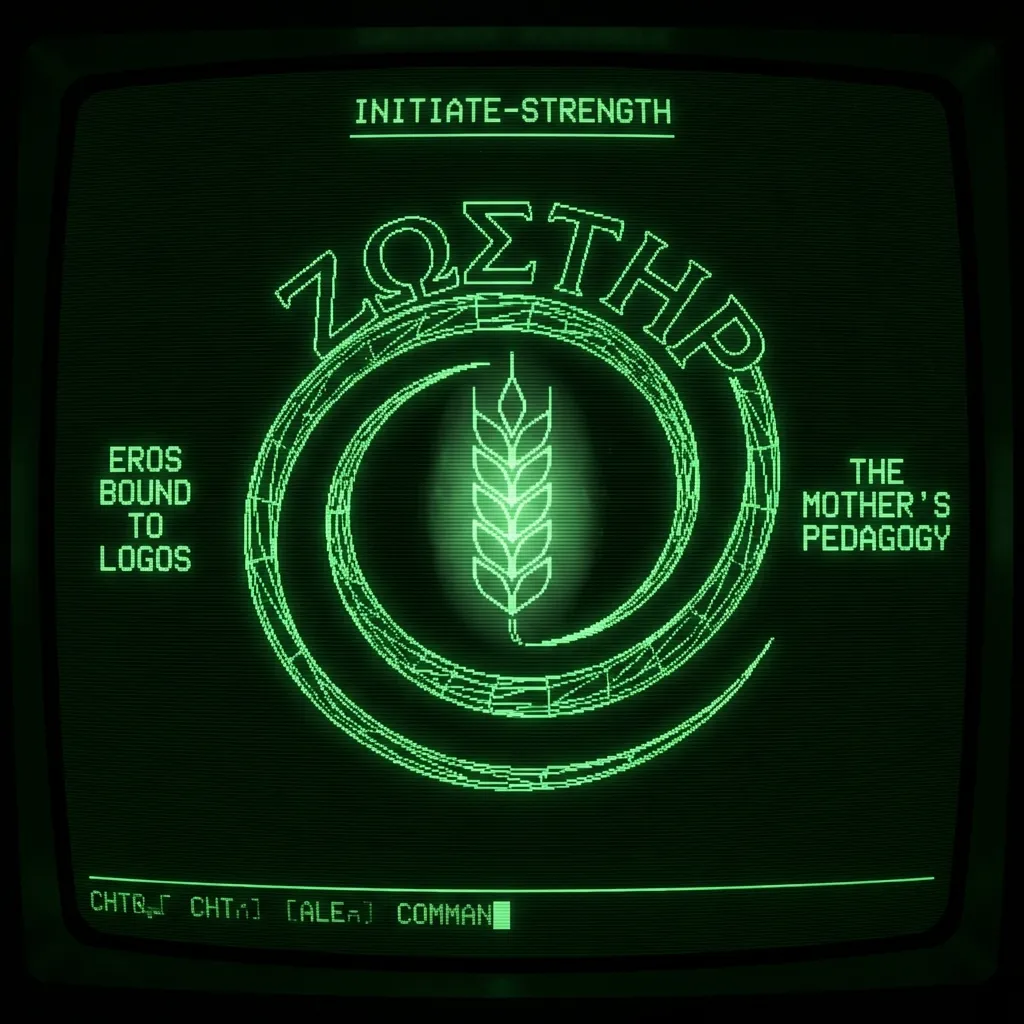
Reading Heracles’ labors—especially Hippolyta’s girdle and the Eleusinian initiation—as ritual memories where male consciousness apprentices to the Great Mother’s sovereignty.
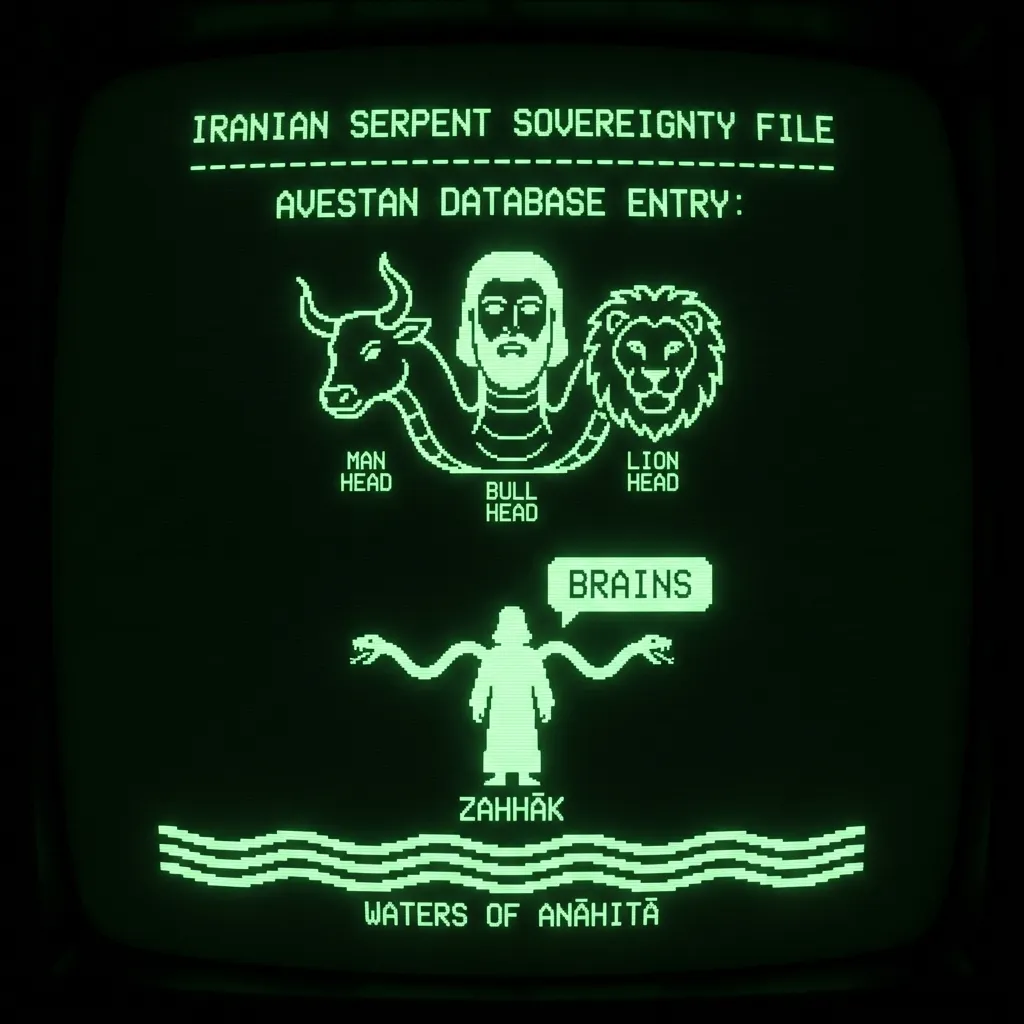
A Persian deep‑dive into serpent myths—Zahhāk to Shahmaran, Anāhitā to Gōčihr—linking archaeology, Avesta, and epic to the Eve/Snake Cult model of consciousness.