The Primordial Matriarchy and the Gendered Evolution of Consciousness
Integrating Venus figurines, goddess myths, and X-chromosome sweeps to re-evaluate women’s possible leadership in early human culture.
Browse all tags · Search articles
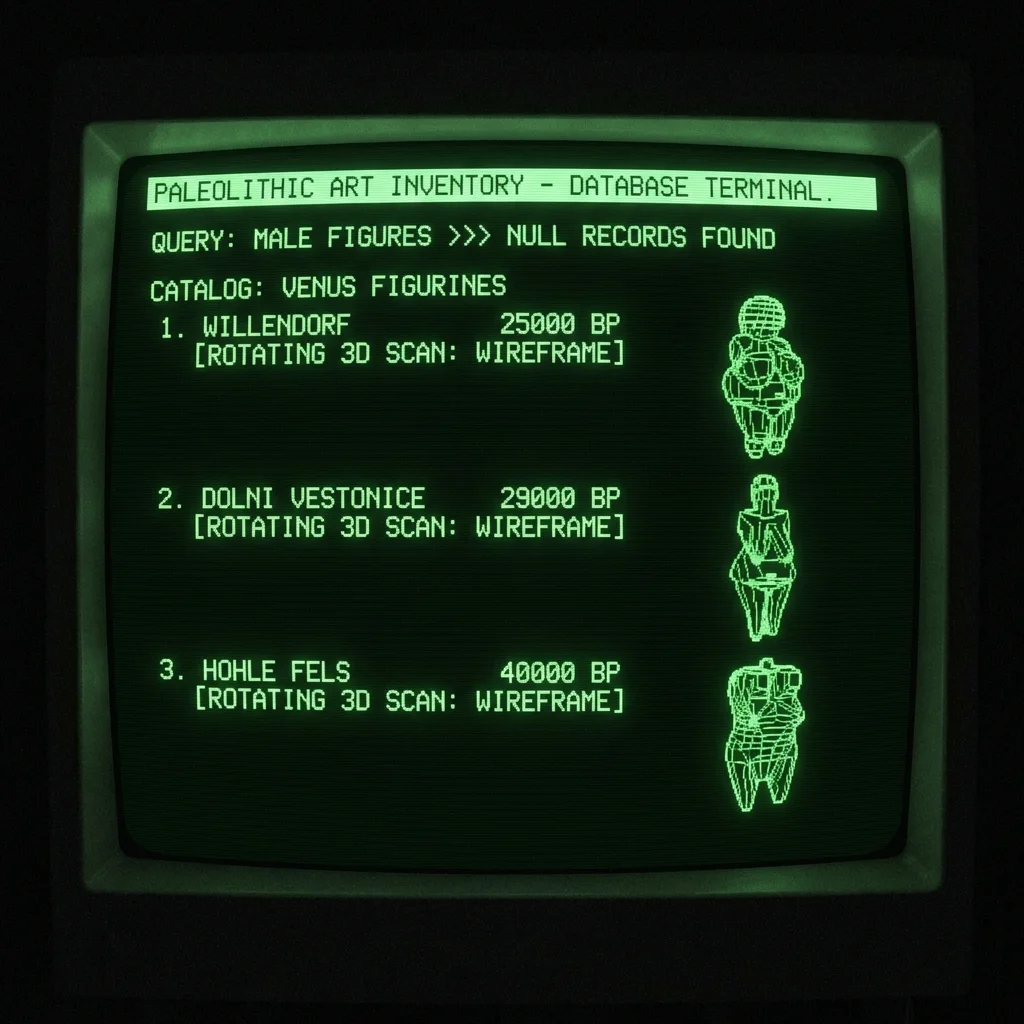
Integrating Venus figurines, goddess myths, and X-chromosome sweeps to re-evaluate women’s possible leadership in early human culture.
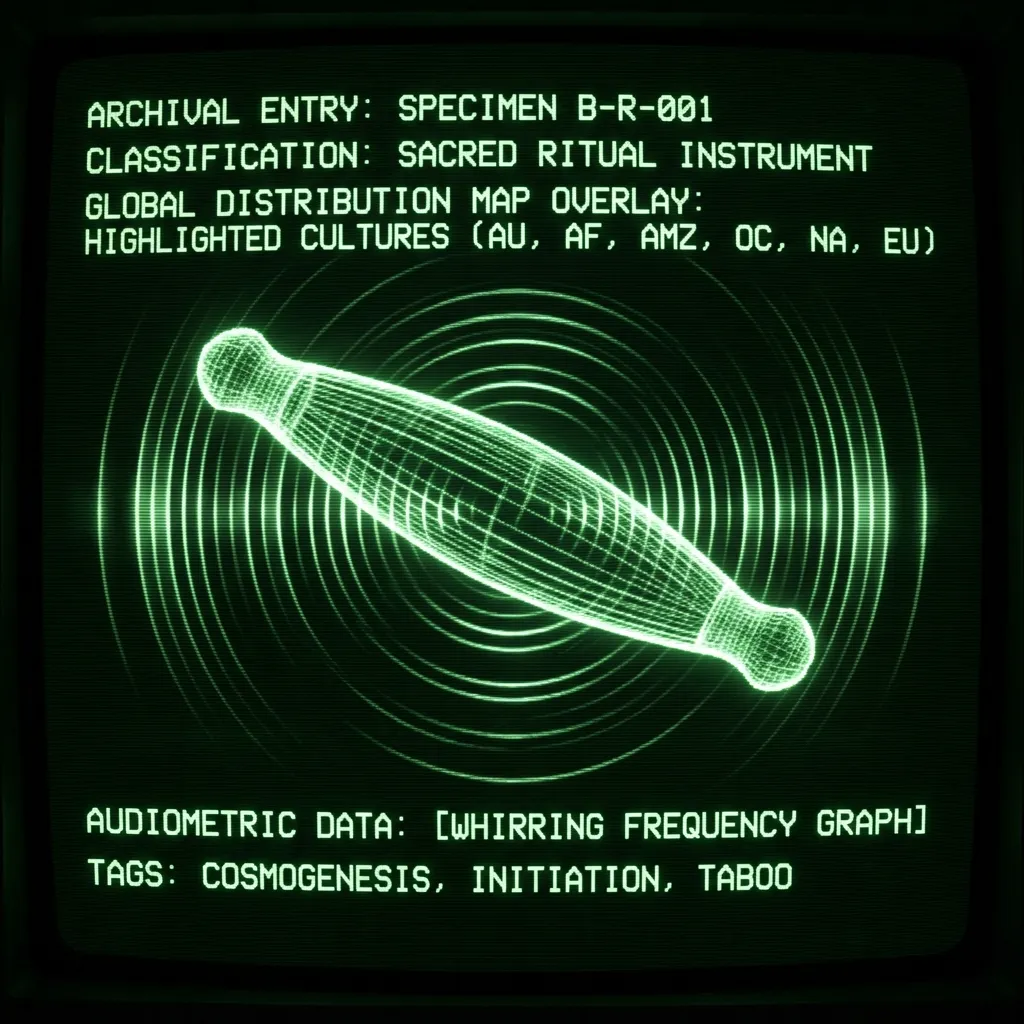
How a simple whirled instrument traces the spread of male secret societies and ritual culture from the Late Paleolithic to the present.
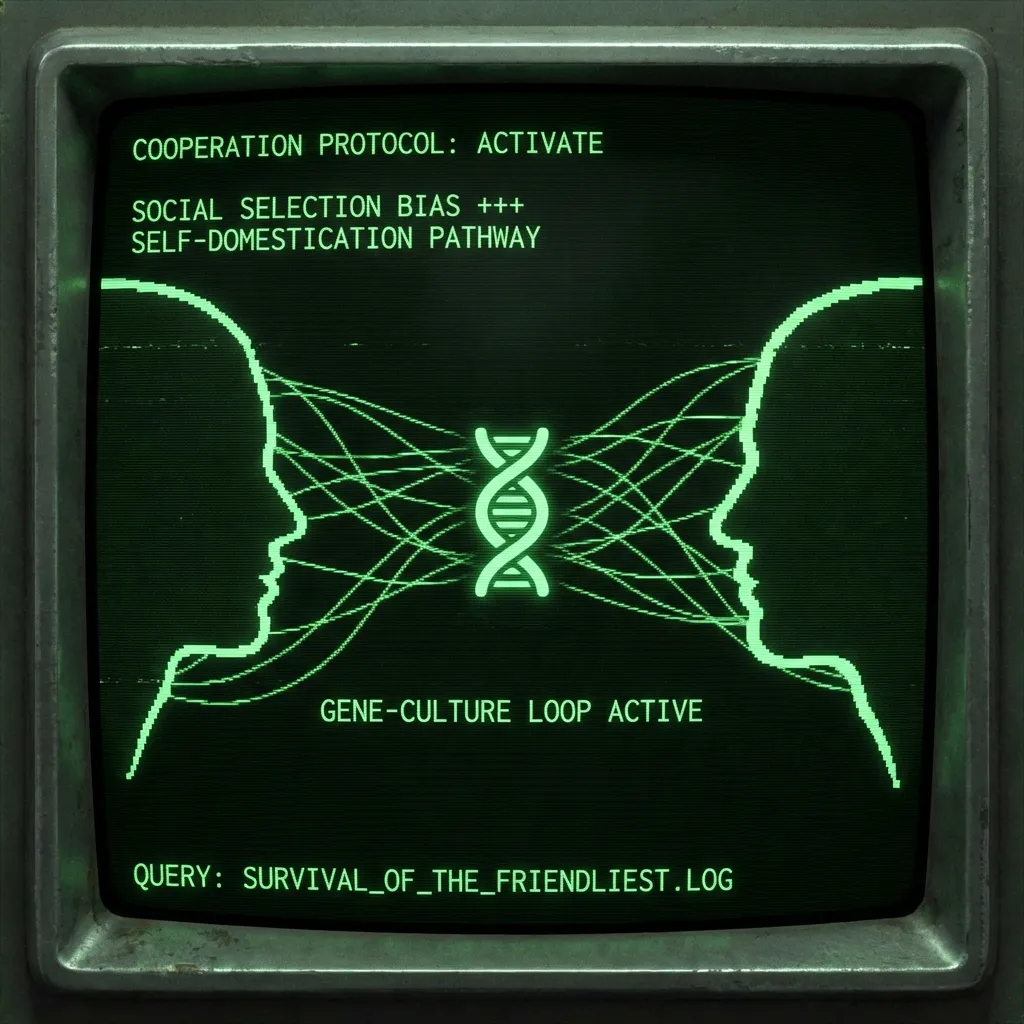
Surveying genetic, anatomical, and cultural evidence that humans tamed themselves through "survival of the friendliest."
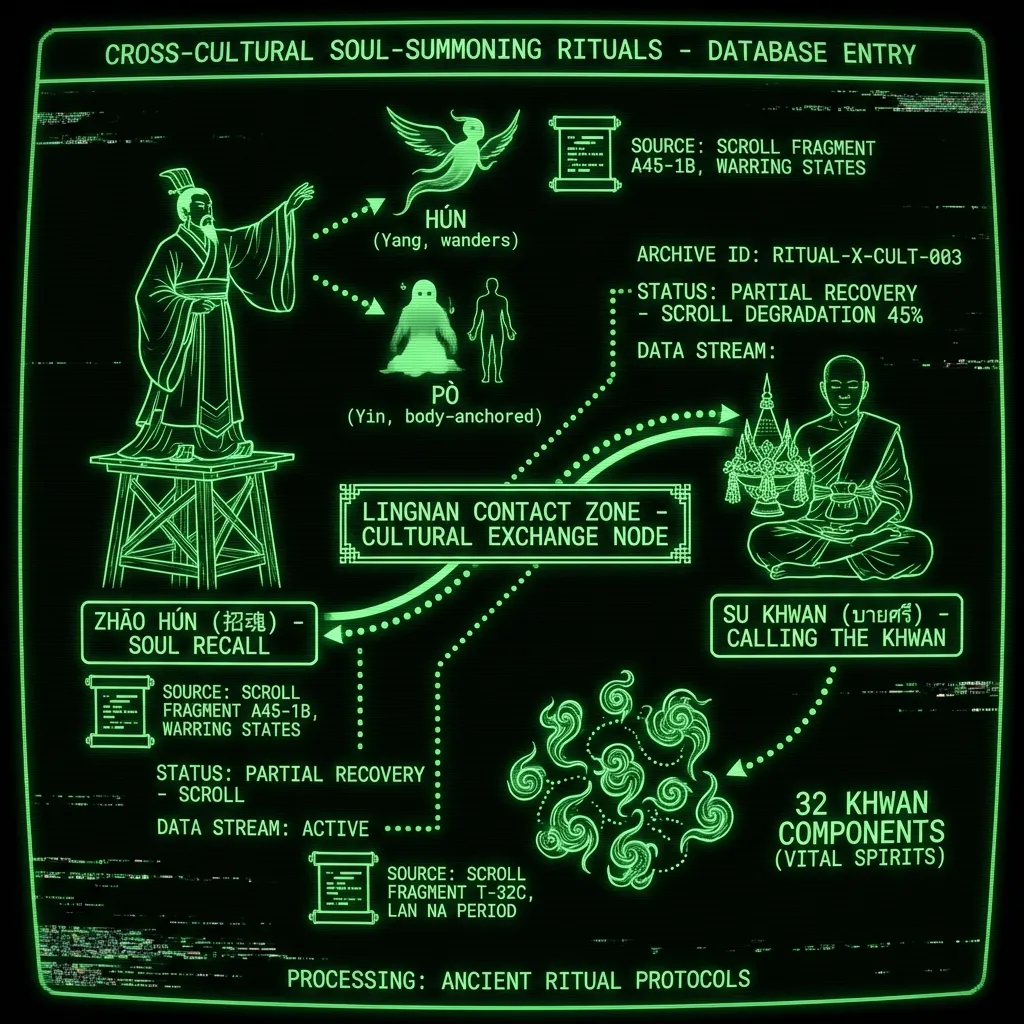
Explains the shared Chinese 招魂 and Tai-Lao su khwan rites that summon a runaway soul back into the body and why they persist across cultures.
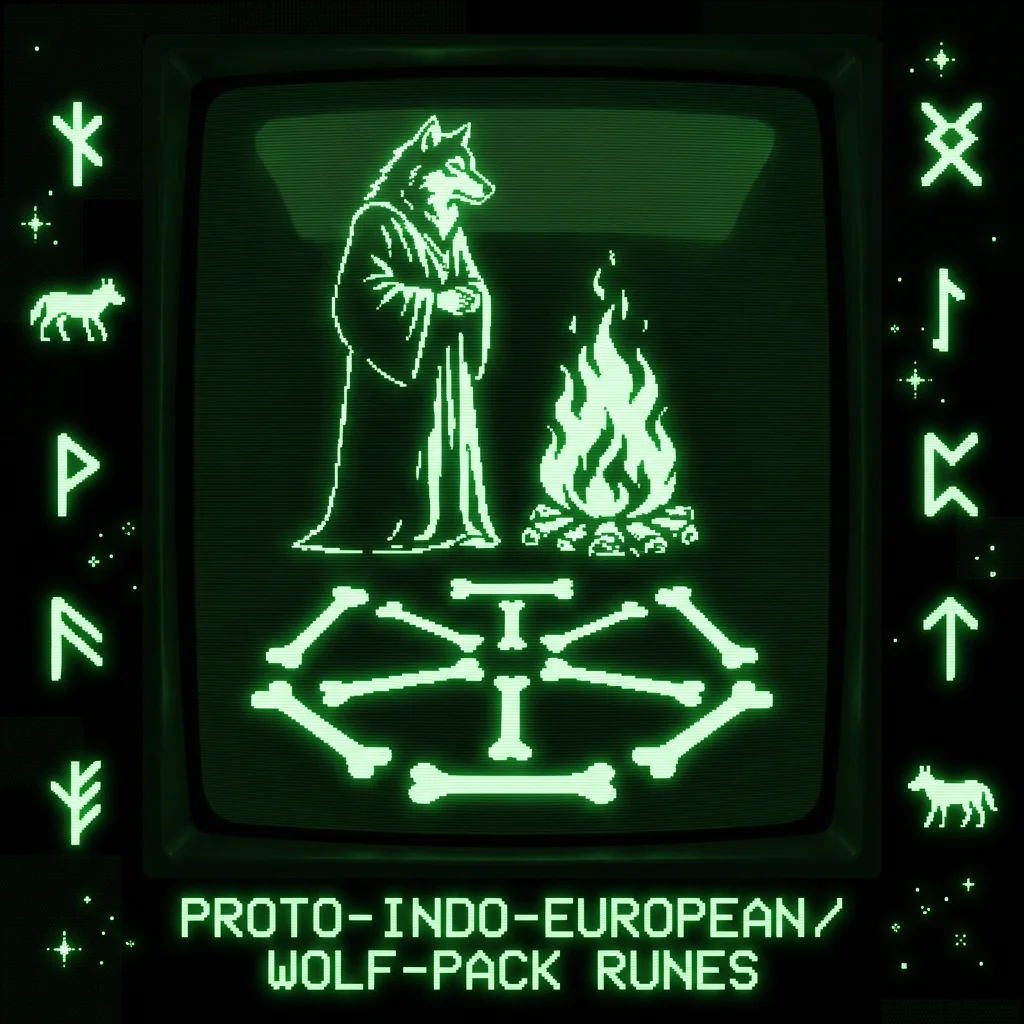
A concise examination of dog sacrifice as an Indo-European initiation rite, tracing evidence from Ice Age burials to classical Roman festivals.
Explores the ancient practice of dog sacrifice across cultures, from Ice Age burials to warrior initiation rites, examining why humans ritualized killing their most beloved companions.
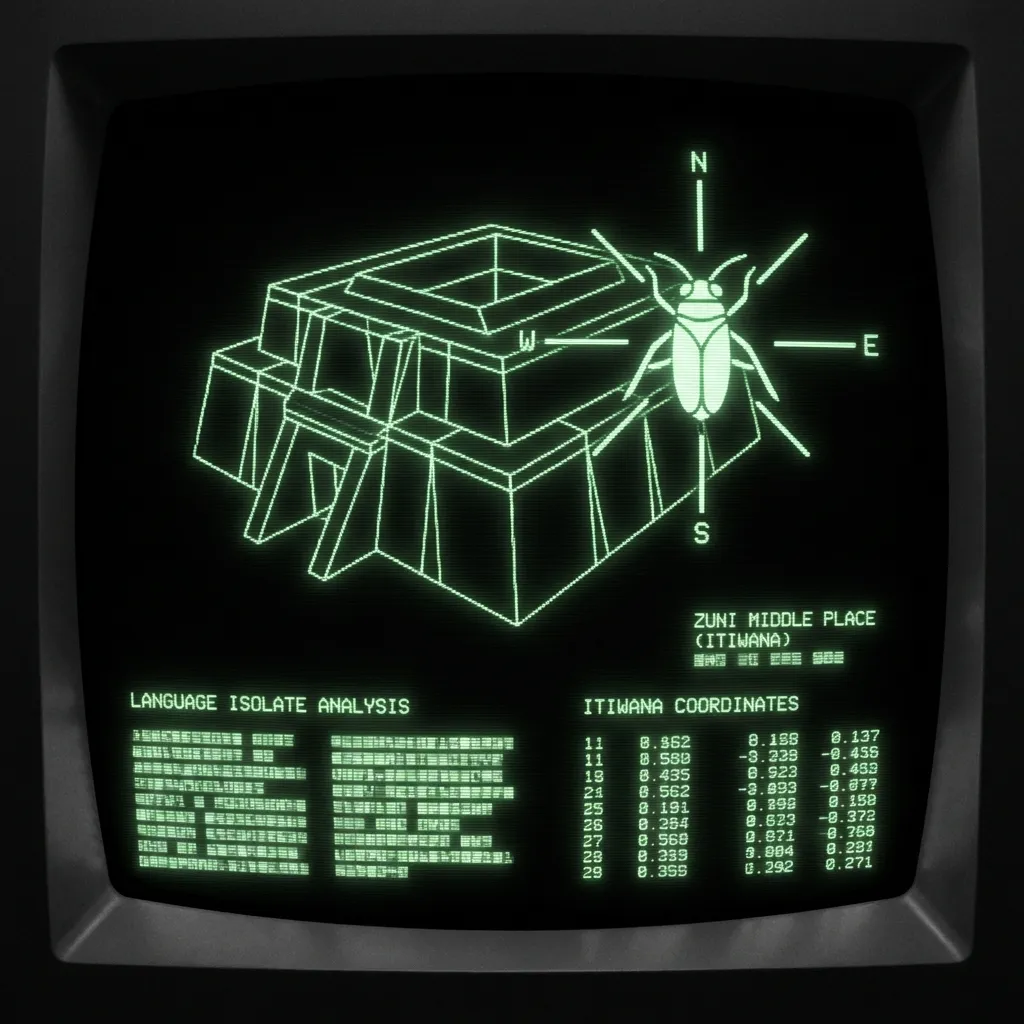
An in-depth survey of mainstream and fringe theories about the origins of the Zuni people, covering archaeology, linguistics, genetics, oral tradition, and speculative diffusionist claims.
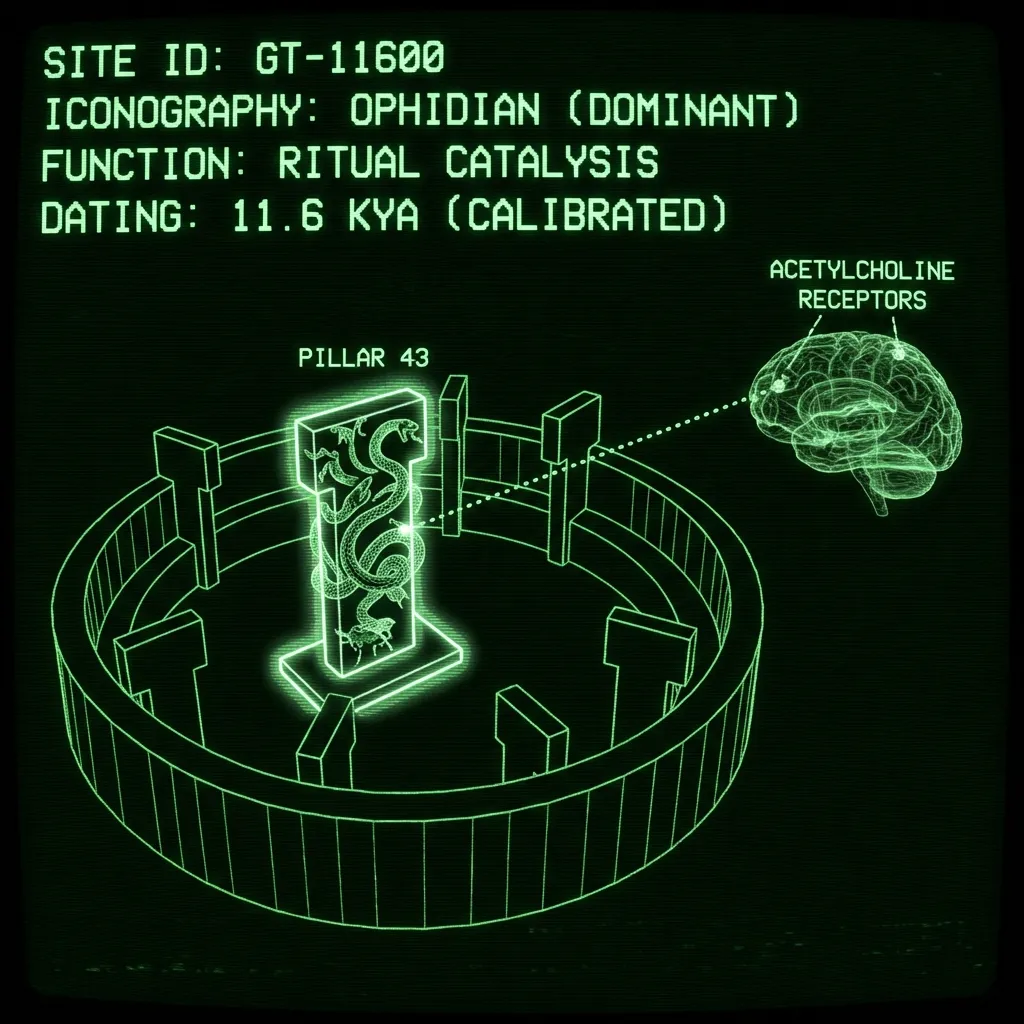
The Snake Cult of Consciousness reframes the Sapient Paradox: behavioral modernity emerged ~15 kya through memetic—not genetic—diffusion of selfhood.
A long-form exploration of how the discovery of reflective selfhood radiated through late-Ice-Age cultures, with the Eve Theory of Consciousness and the Snake Cult hypothesis as the most coherent narrative frame.
A comprehensive interdisciplinary theory proposing that human consciousness originated as a cultural invention in prehistoric times, likely pioneered by women and spread through ritual and language.
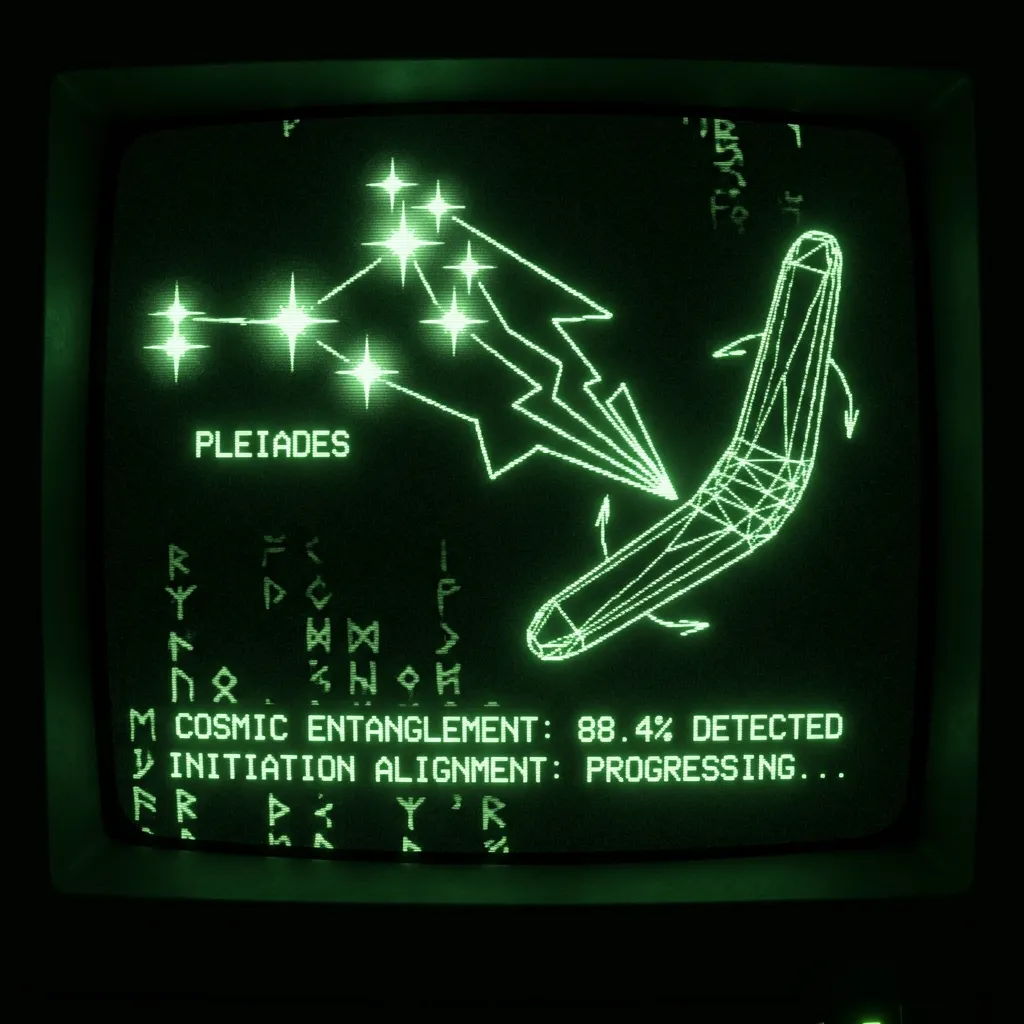
How a naked-eye star cluster and a whirring plank became entangled in creation lore, initiation rites, and weather magic from Arnhem Land to Arizona.
An exhaustive survey of global bullroarer initiation cults and their teachings about creation and civilization.
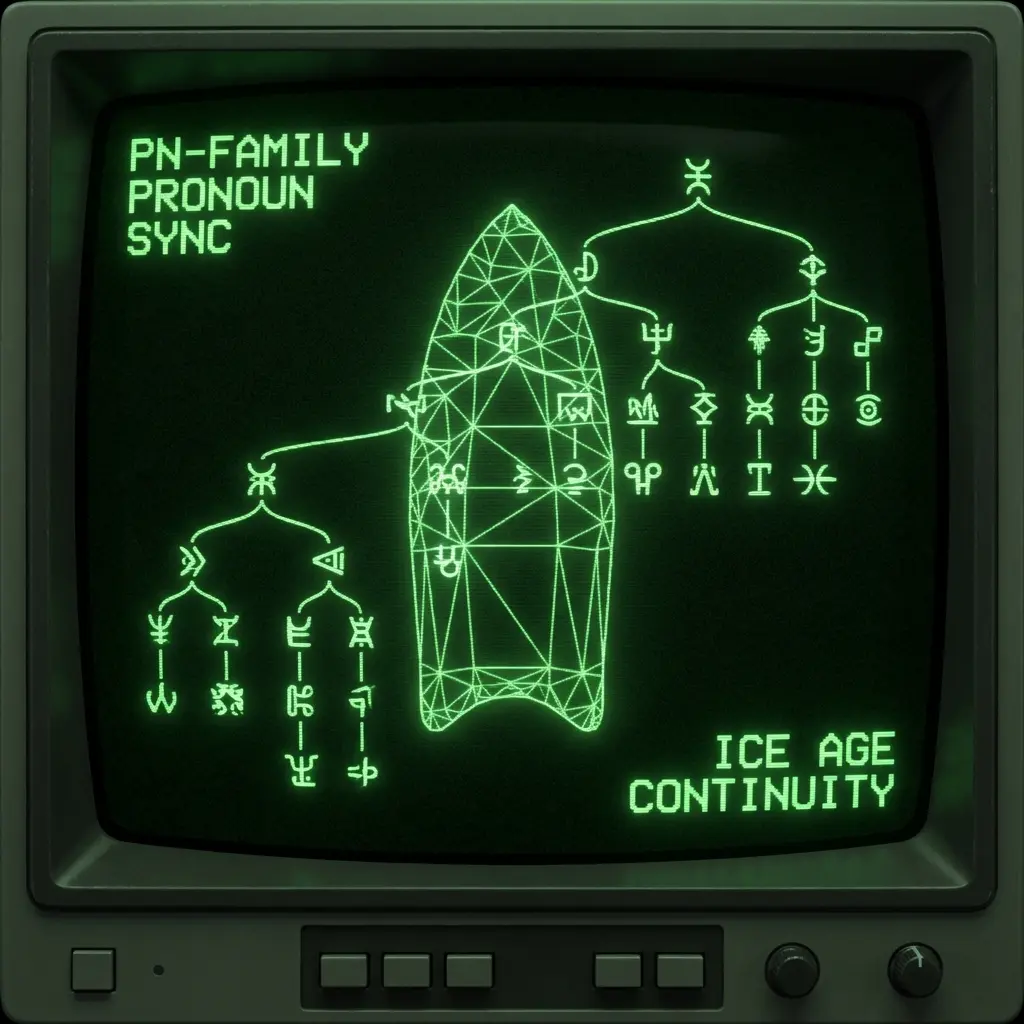
How pronouns, rituals, myths, and fluted spear points reveal a single Ice-Age culture behind all pre-Columbian peoples.
Comparison of the early Holocene emergence of the Aboriginal Dreamtime symbolic system with the Near East's Neolithic 'revolution of symbols,' examining Australian rock art, technology, exchange networks, language diffusion, and cognitive …
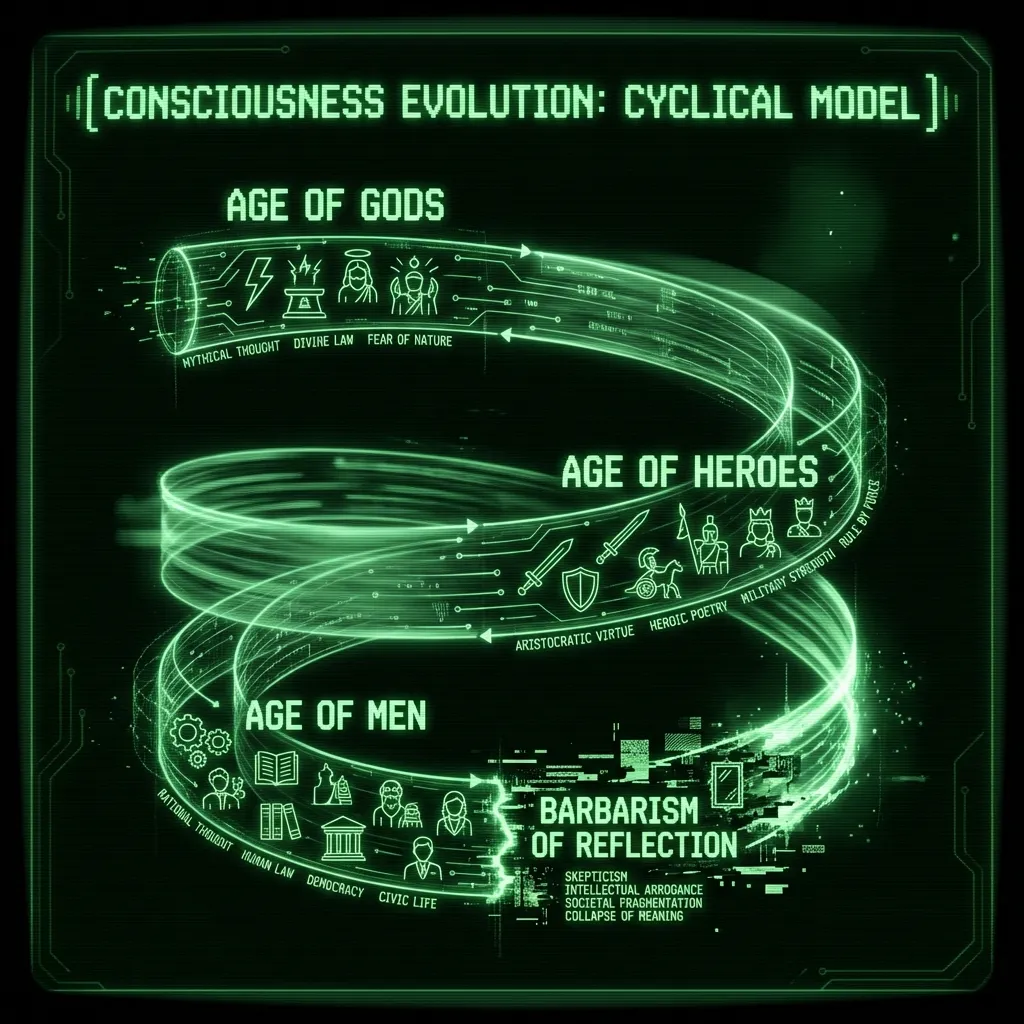
A comprehensive survey of thinkers who proposed evolutionary models of human consciousness, from Hegel and Comte to Gebser and Wilber, mapping stages from primitive to modern awareness.
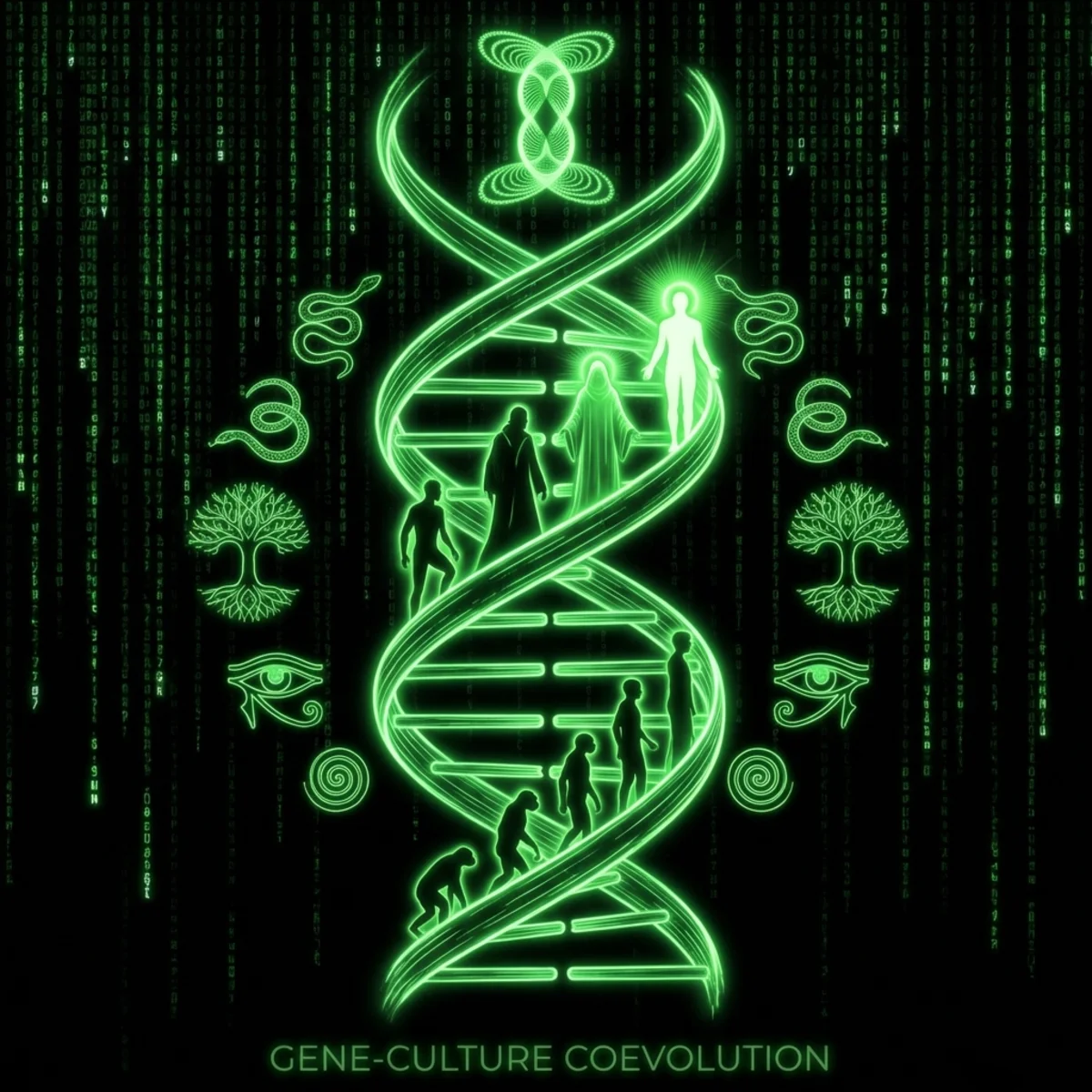
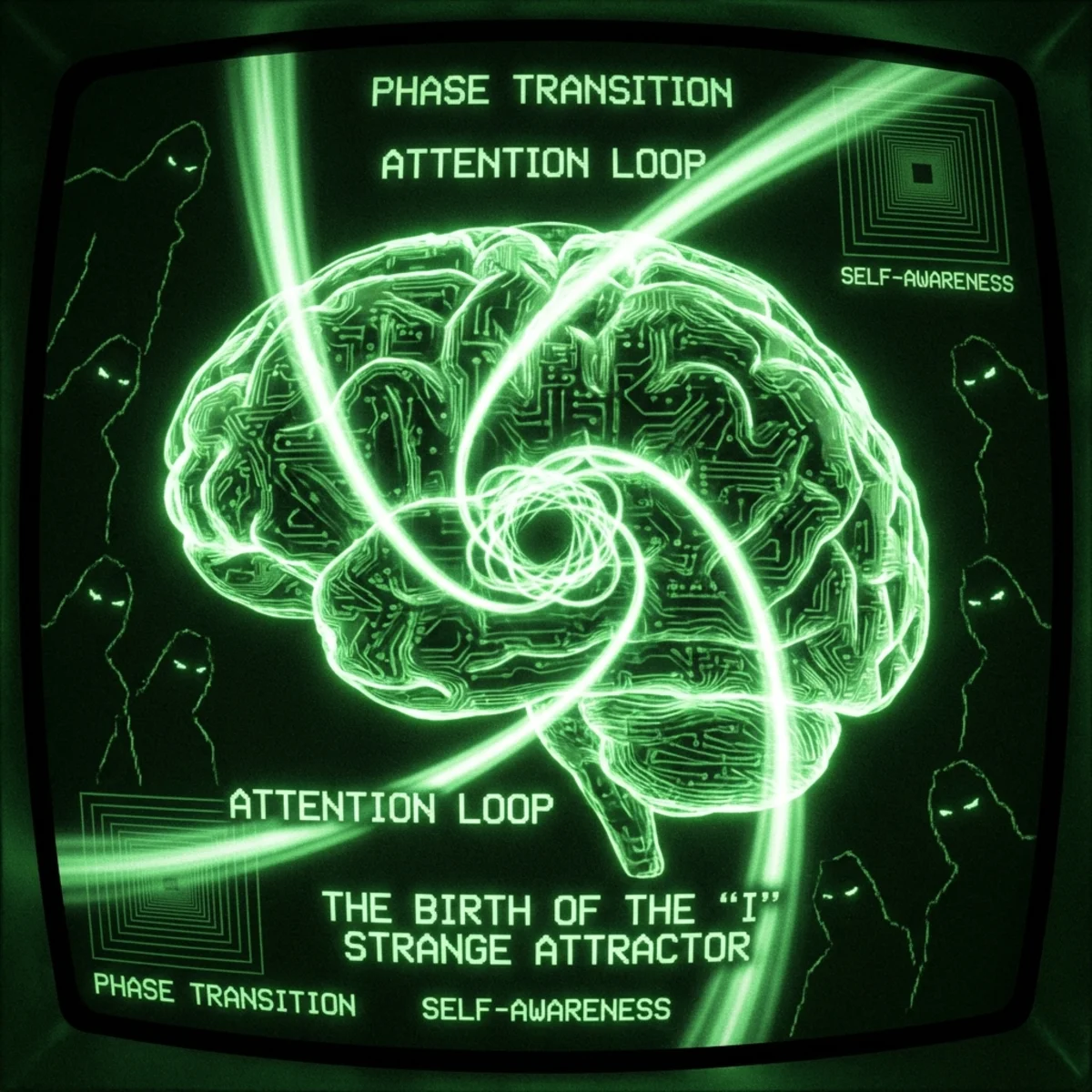
A reframing of the Eve Theory of Consciousness (EToC) as a gene–culture coevolutionary process that produced recursive, self-referential attention, leading to a phase transition in human consciousness.
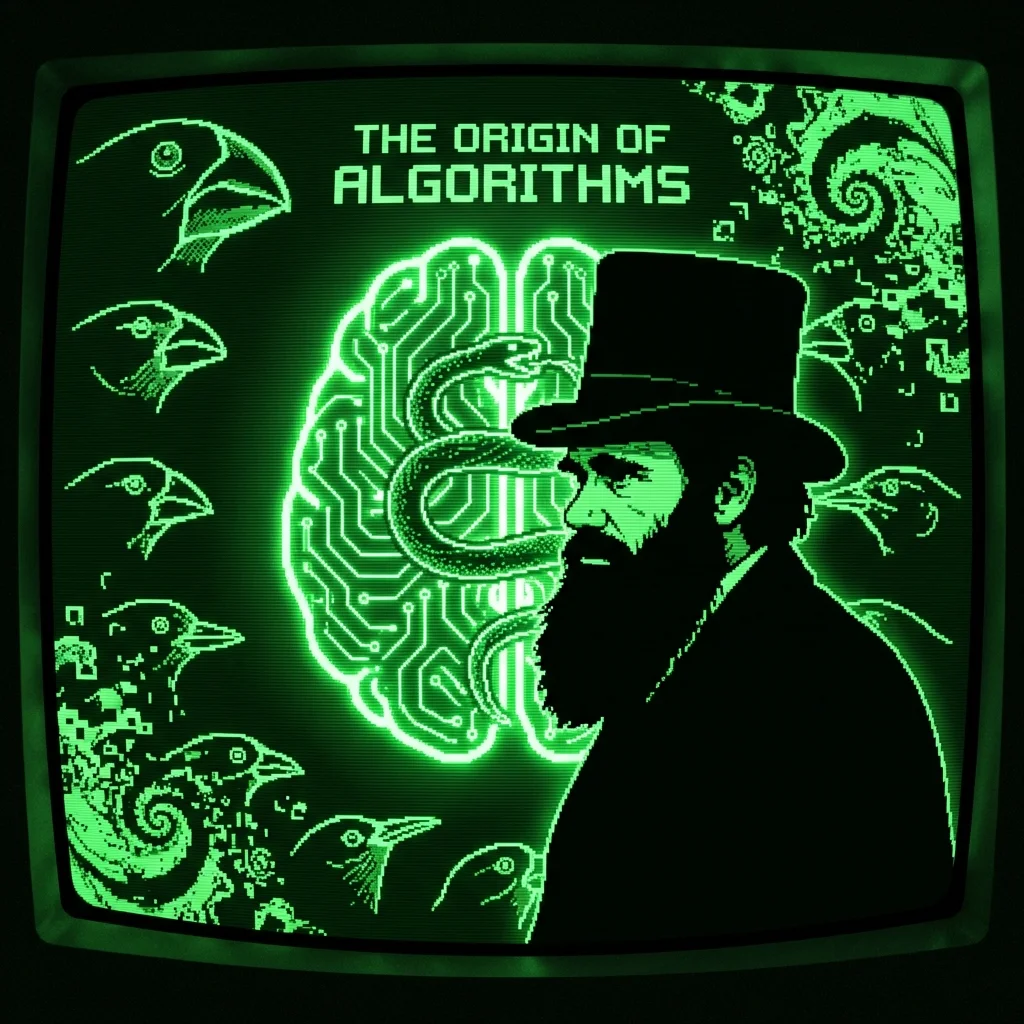
A deep dive into how Charles Darwin might view the Eve Theory of Consciousness—a modern hypothesis on the evolution of human self-awareness—and what aspects of this theory would compel or surprise him.