Modernized transcript of Chapter X of Moyse Charas’s 1673 English edition, with brief context and link to the Internet Archive source.
New Experiments Upon Vipers — Chapter X (Modernized Transcript)
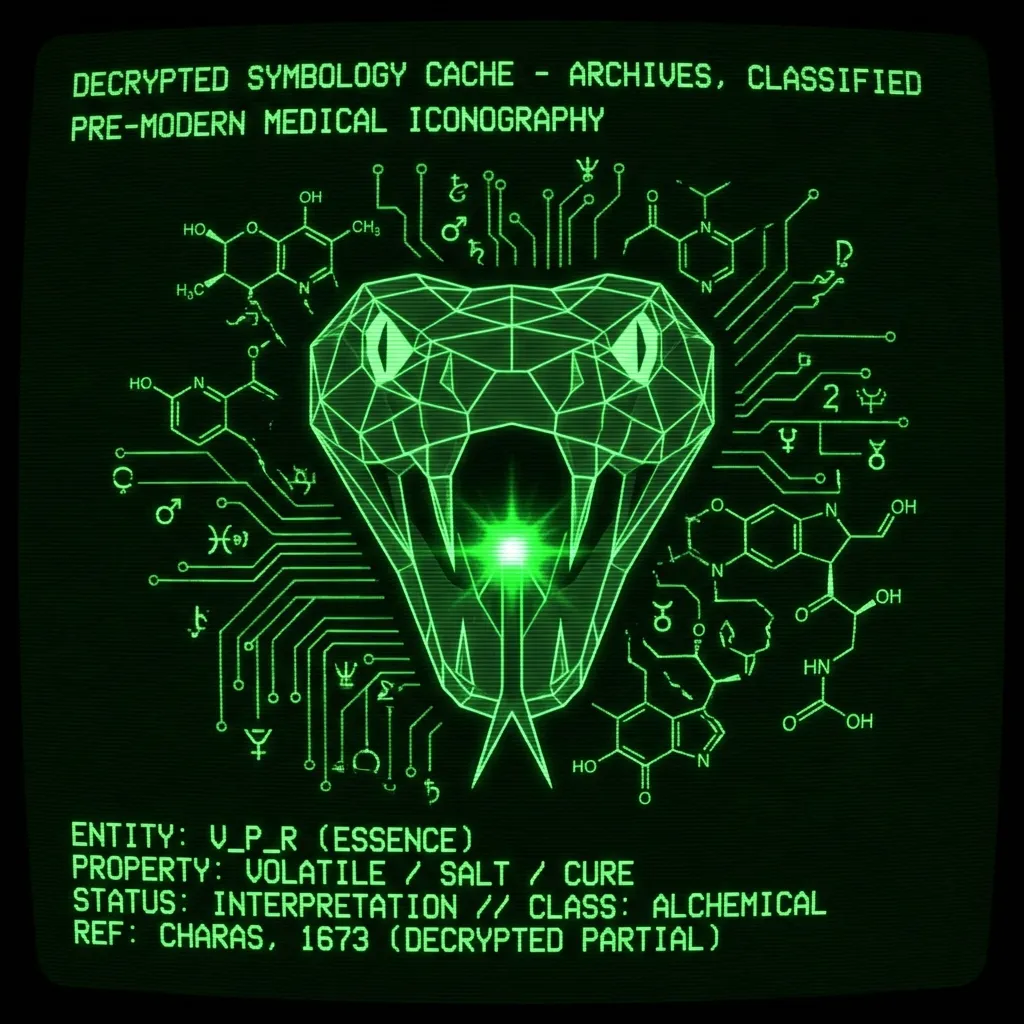
Modernized transcript of Chapter X of Moyse Charas’s 1673 English edition, with brief context and link to the Internet Archive source.
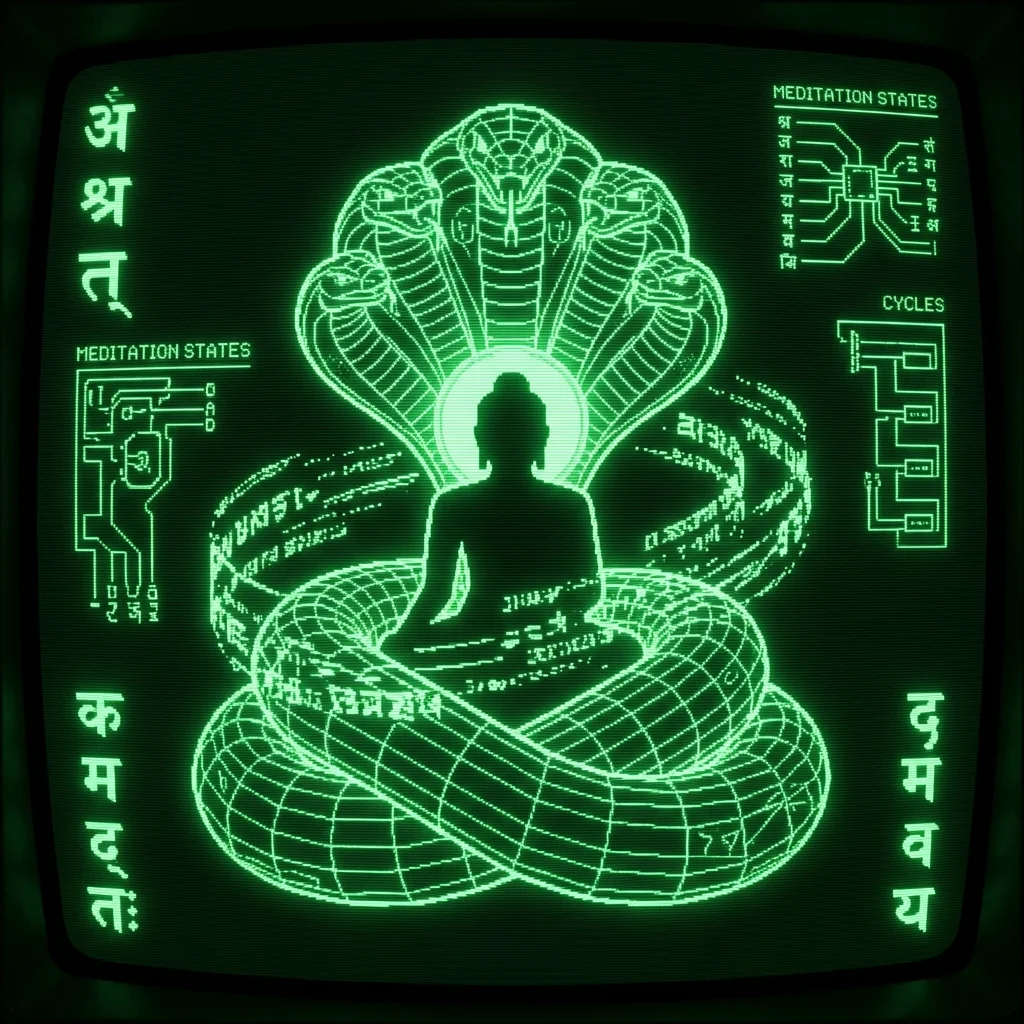
From Paleolithic serpents and female self-making to the Buddha’s deathless: tracing a cultural-blood chain—from Mal’ta to the Ganges—that flowers as Buddhism.
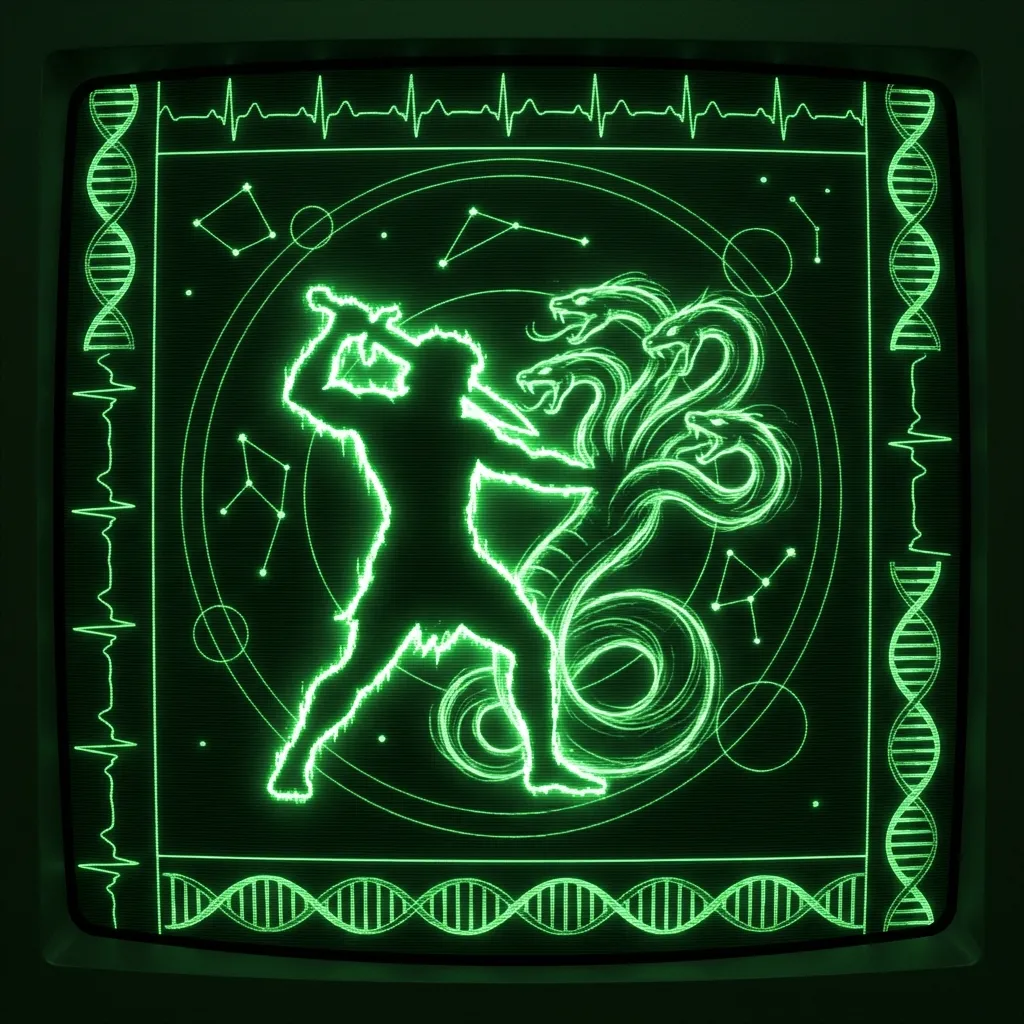
Reading Heracles’ serpent episodes—Hydra, Ladon, Cerberus—as initiatory stations of a pan‑Eurasian ‘Snake Cult of Consciousness,’ with Eleusis as capstone.
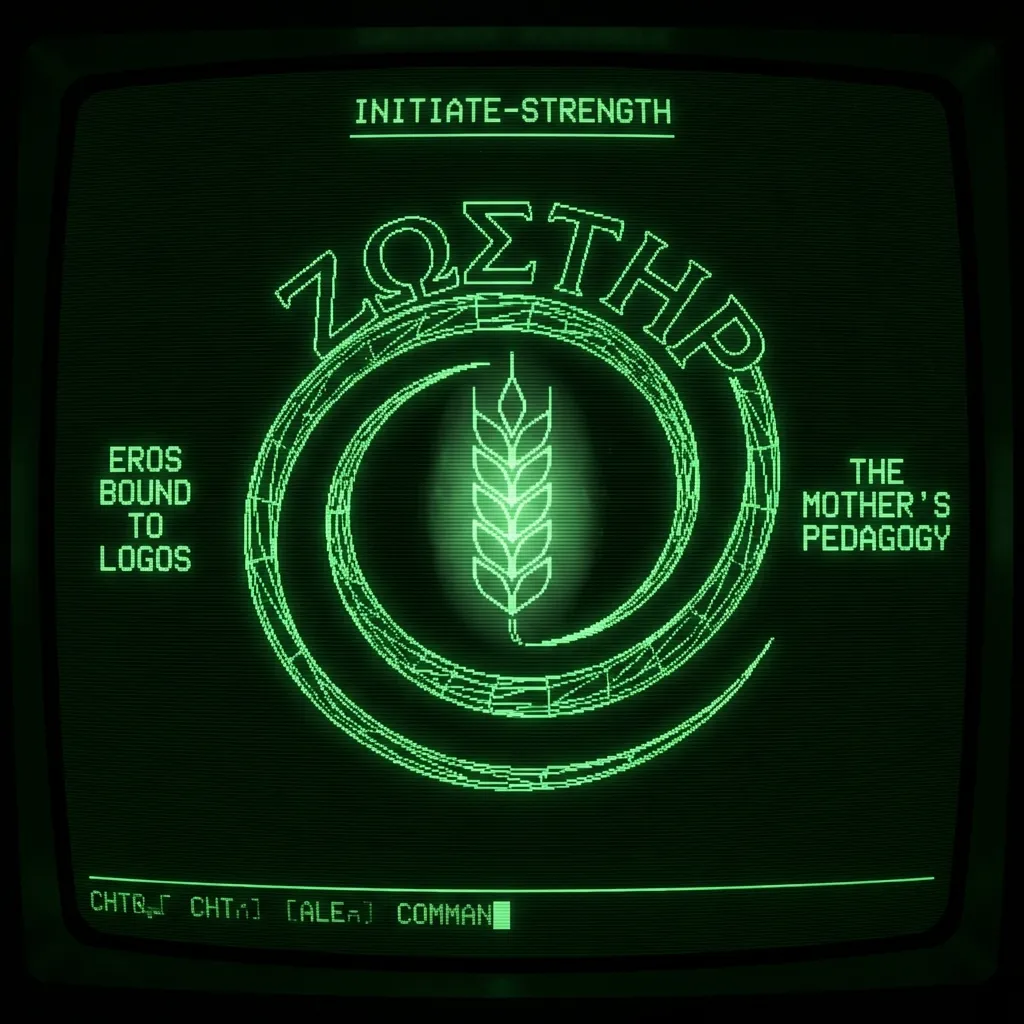
Reading Heracles’ labors—especially Hippolyta’s girdle and the Eleusinian initiation—as ritual memories where male consciousness apprentices to the Great Mother’s sovereignty.
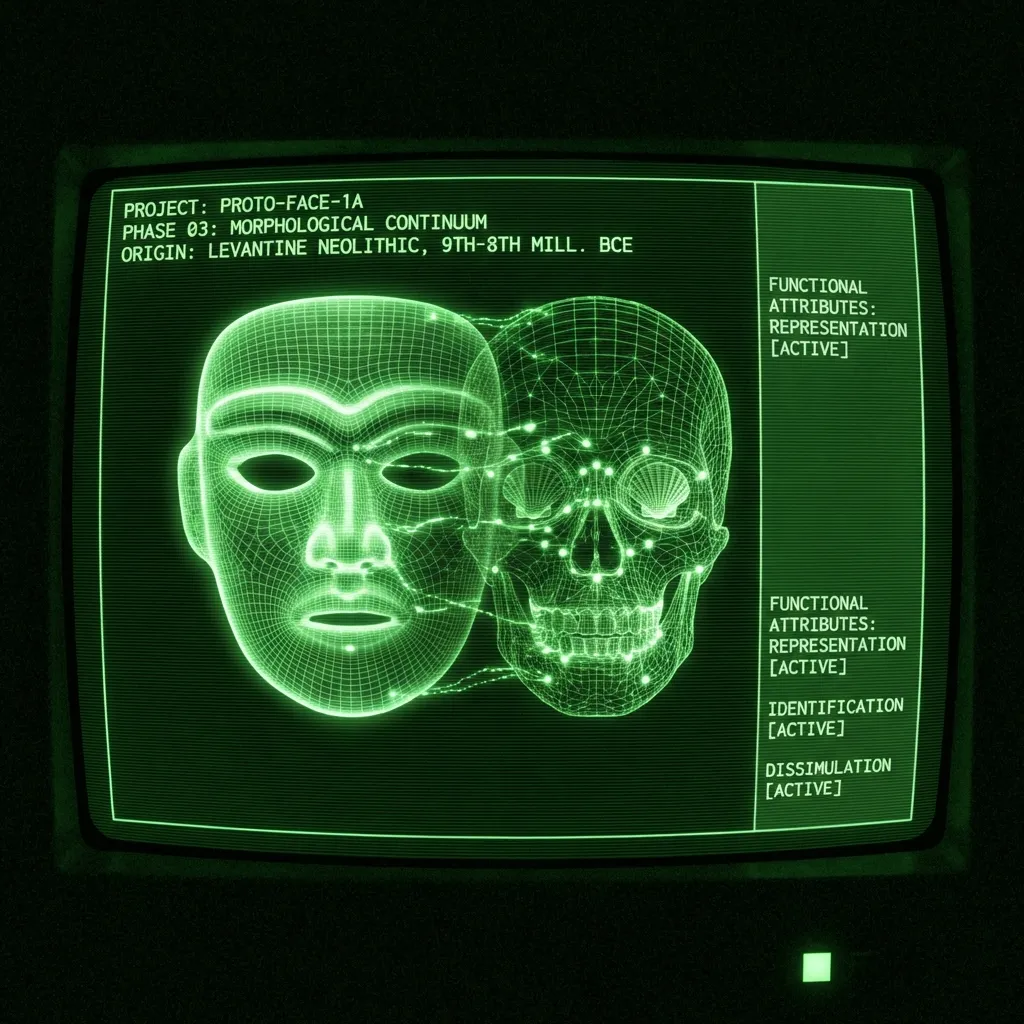
A diffusionist deep dive tracing masked ritual from a single Levantine hearth—stone masks and plastered skulls—to a global grammar of spirit embodiment.
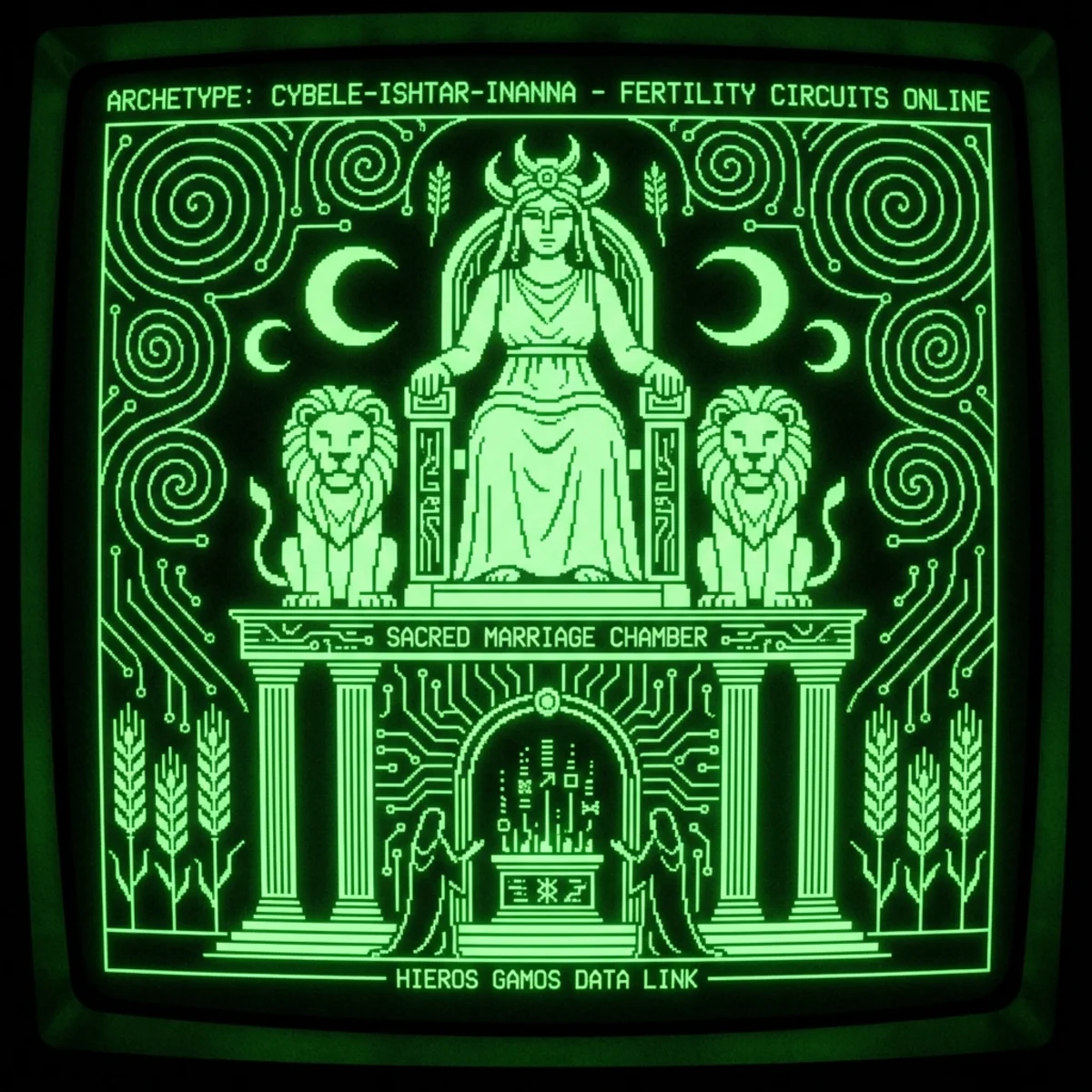
How older scholars stitched the Great Mother to temple sexuality—through hieros gamos, consecrated personnel, and fertility rites—using Greek, Near Eastern, and Roman evidence.
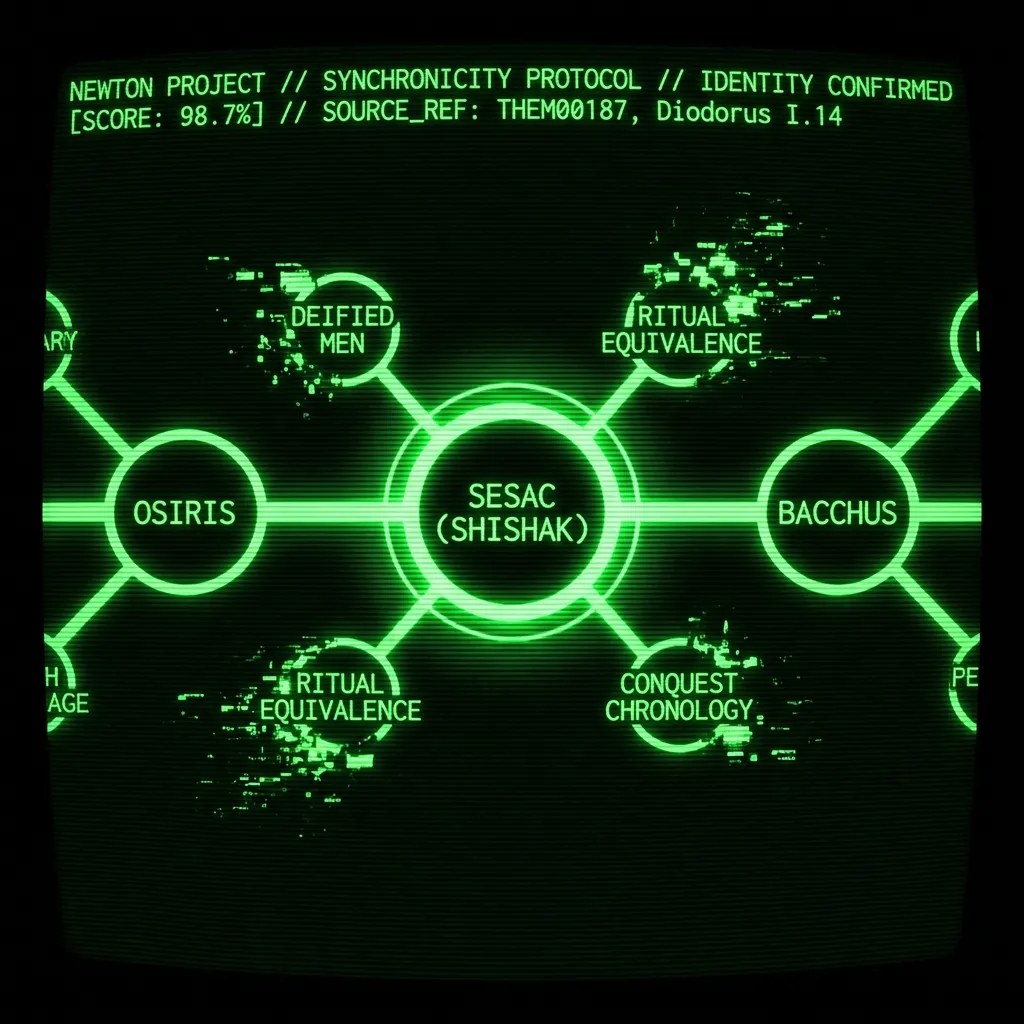
Newton’s euhemerist move: why he equates Dionysus/Bacchus with Osiris and the historical Egyptian king Sesac (a.k.a. Sesostris/Shishak), and how Bacchic rites mirror Osirian cult.
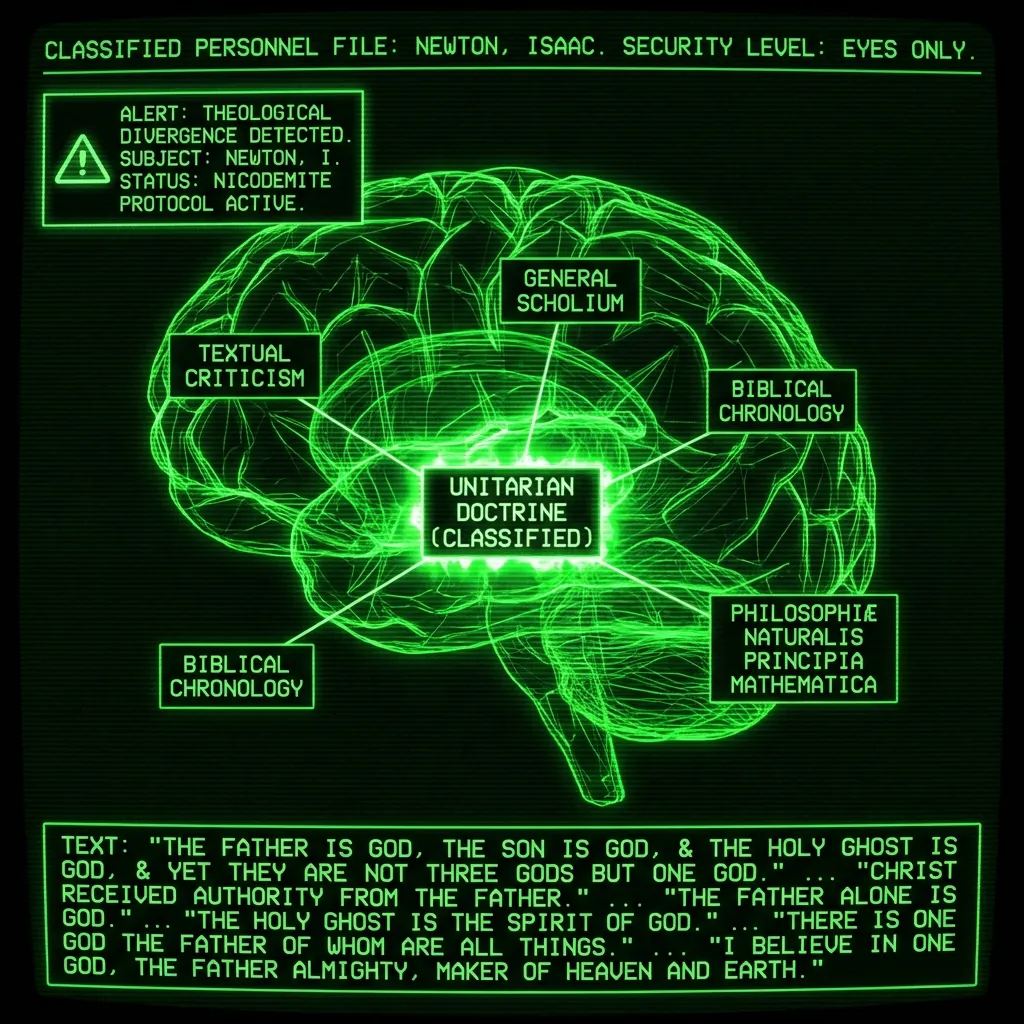
How Isaac Newton tried to recover the primitive monotheism—using textual criticism, chronology, and myth-as-history to rebuild a universal true religion.
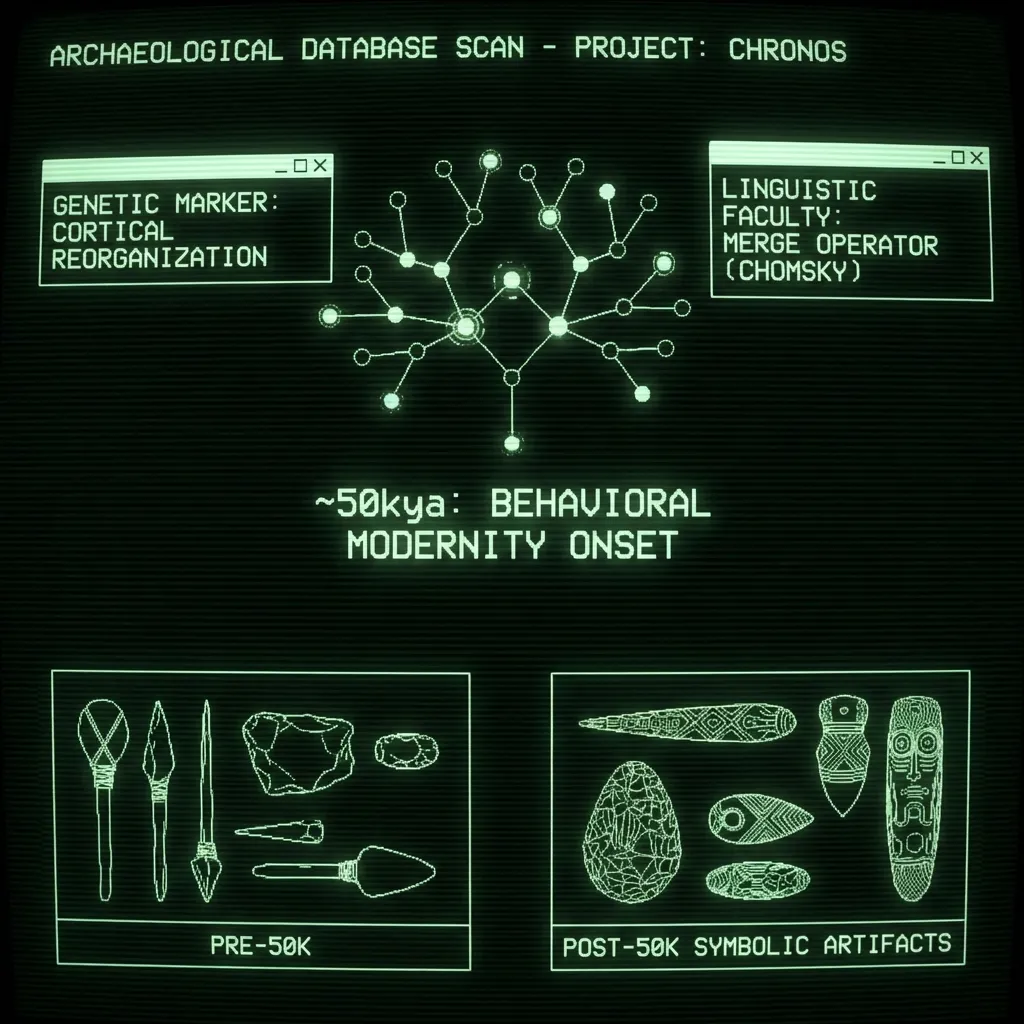
Guide to seven leading theories of the Upper Paleolithic cognitive revolution—what changed, when it happened, and why it sparked modern human behavior.
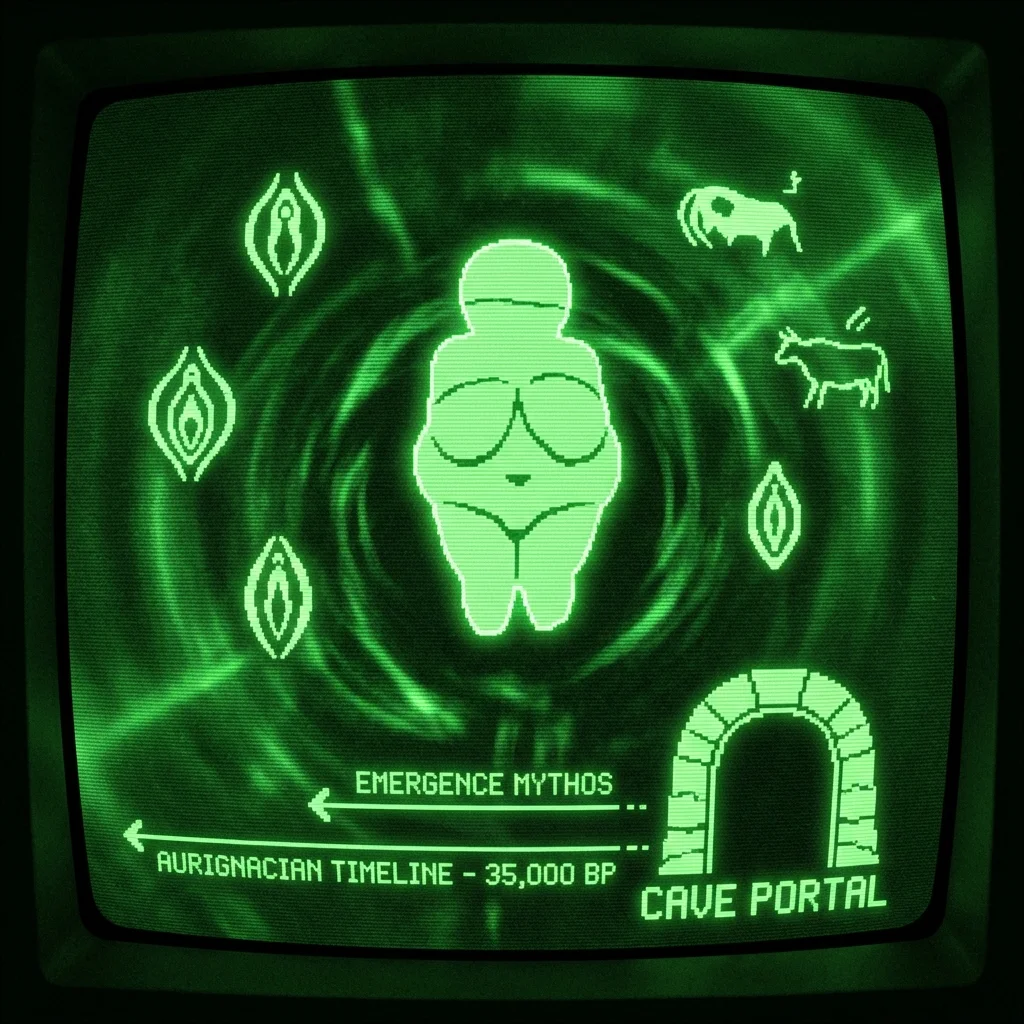
Do emergence-style creation myths reach back to the Paleolithic? A critical synthesis of phylogenetic work, Pueblo/Andean data, and Paleolithic ‘Venus’ iconography that centers women as cosmogenic agents.