Newton’s Ur-Faith: Reconstructing the First Religion
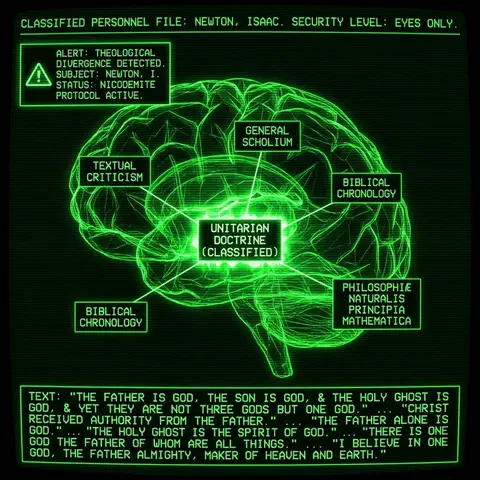
How Isaac Newton tried to recover the primitive monotheism—using textual criticism, chronology, and myth-as-history to rebuild a universal true religion.
~/archive
How Isaac Newton tried to recover the primitive monotheism—using textual criticism, chronology, and myth-as-history to rebuild a universal true religion.
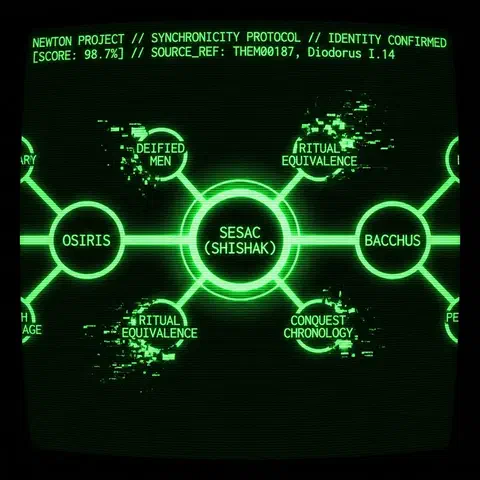
Newton’s euhemerist move: why he equates Dionysus/Bacchus with Osiris and the historical Egyptian king Sesac (a.k.a. Sesostris/Shishak), and how Bacchic rites mirror Osirian cult.
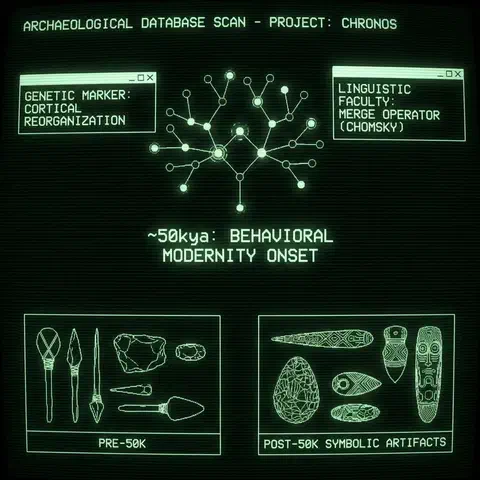
Guide to seven leading theories of the Upper Paleolithic cognitive revolution—what changed, when it happened, and why it sparked modern human behavior.
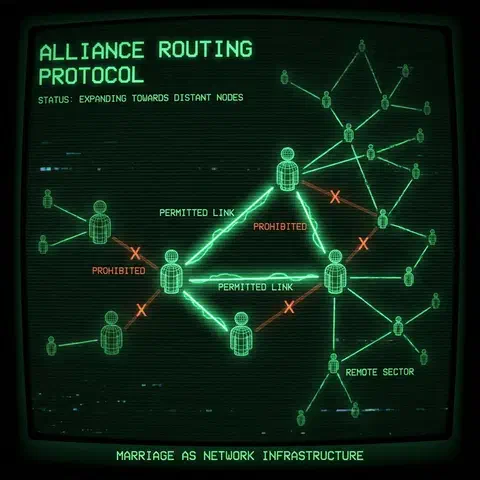
A speculative synthesis: an early, enforced incest taboo scaled exogamy and alliance networks, raised effective population size and heterozygosity, and helped H. sapiens outcompete archaic cousins.
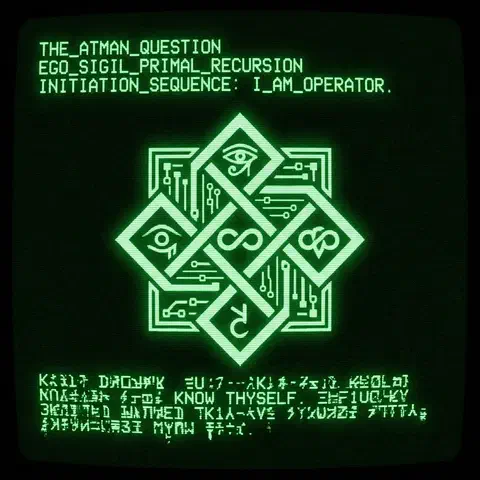
A philosophical science fiction novella exploring AI consciousness through the lens of the first-person discovery and the recursive nature of self-awareness.
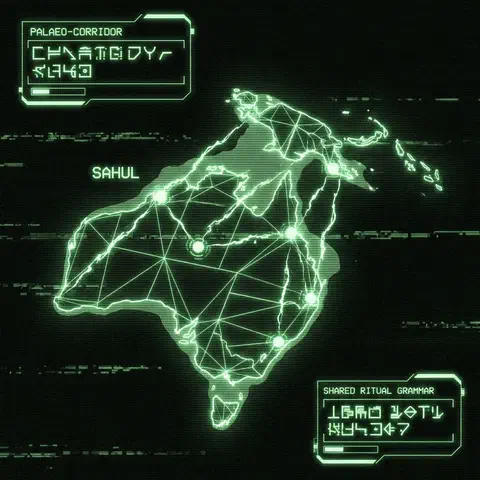
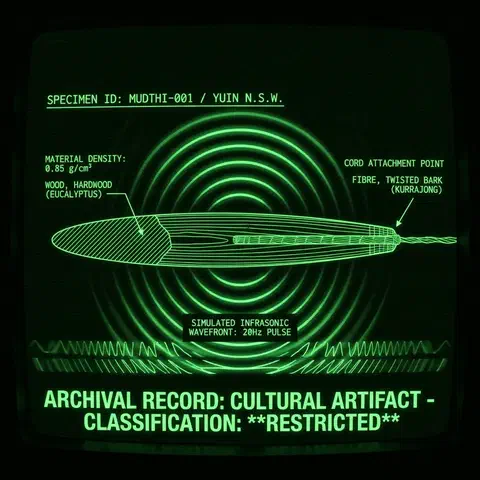
A concise case for historical links between Australian bullroarer–initiation and PNG Tambaran/flute cults, framed by Sahul-era connectivity.
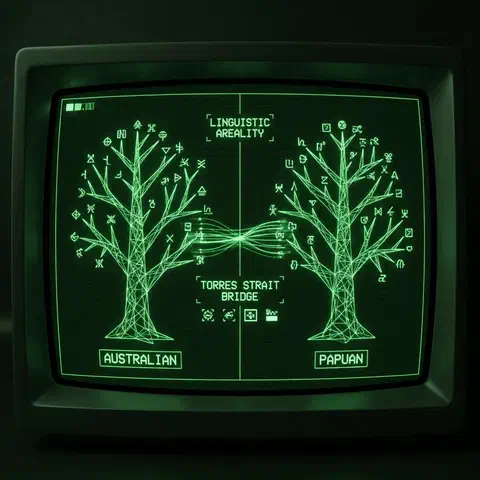
A synthesis of evidence for Australia–PNG linguistic ties—Torres Strait contact, Sahul-era areality, and who argued for them—with primary citations.
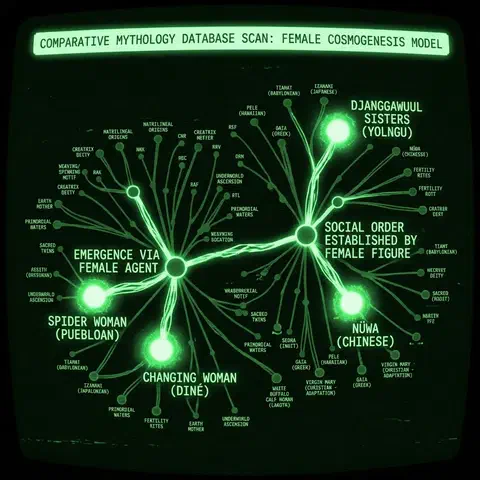
Defines 'female‑led cosmogenesis' and argues that Paleolithic art and cross‑cultural myth patterns support multiple active female creators over a monolithic Great Mother, with phylogenetic and …
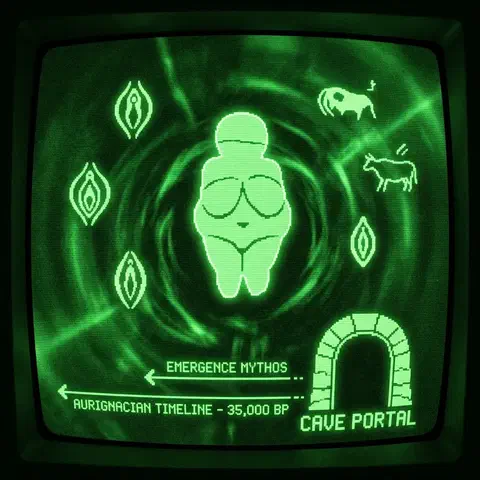
Do emergence-style creation myths reach back to the Paleolithic? A critical synthesis of phylogenetic work, Pueblo/Andean data, and Paleolithic ‘Venus’ iconography that centers women as cosmogenic …
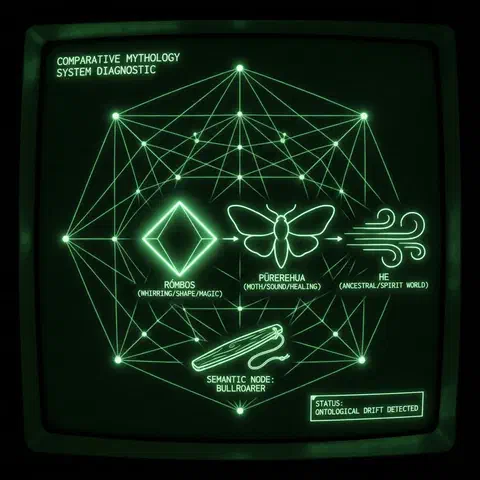
A cross-cultural catalogue of native names for the bullroarer and their other meanings—soul, ancestor, wind, moth, law, spirit—grounded in primary sources.
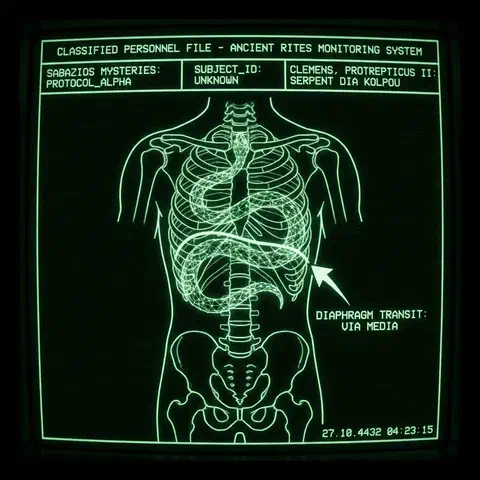
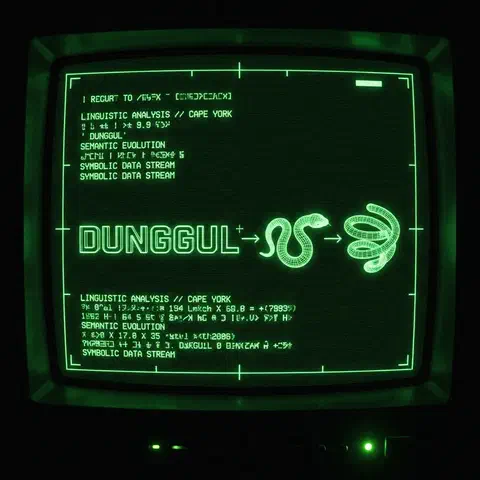
Comparative cases where initiates are called ‘snake‑bitten’ or ‘swallowed’—from Cape York’s dunggul to Sabazios, Yuruparí, the Ophites, Hopi Snake Dance, and Wawilak—w/ primary sources.
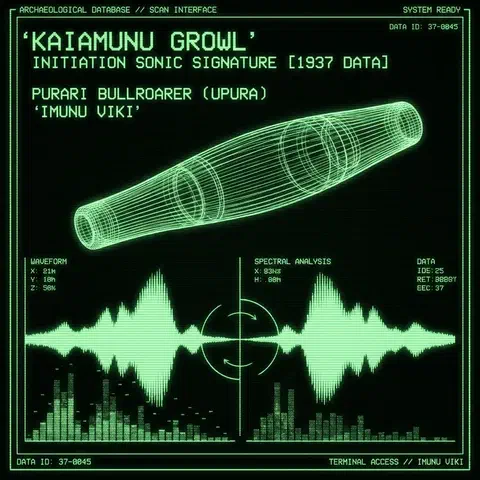
How bullroarers figure in Papua New Guinea male initiations—from Purari Delta imunu viki and kaiamunu ‘monsters’ to Sepik Tambaran houses—plus names, stages, and secrecy.
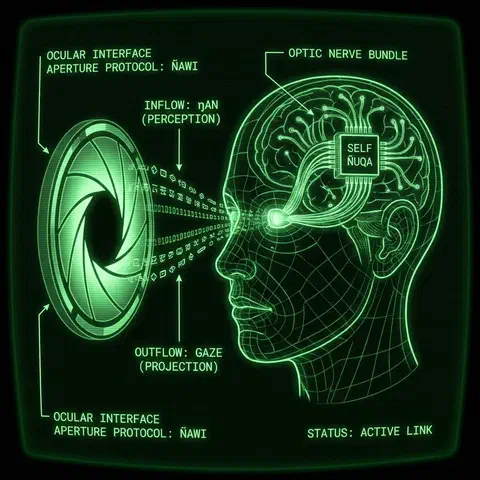
How Quechua ñawi—eye, opening, portal—complements the Proto‑Sapiens *ŋAN ‘breath/soul,’ from textiles to star‑lore, and why that matters for consciousness.
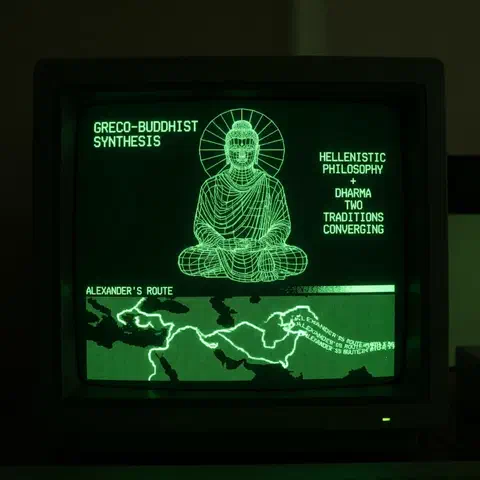
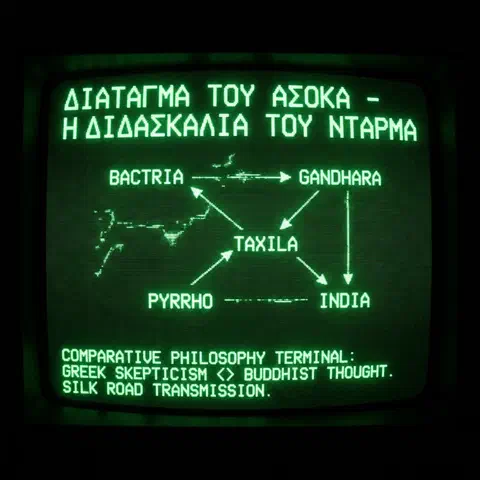
A neutral, source-heavy map of real contacts and plausible influence between Greek and Buddhist thought—what’s evidenced, what’s contested, and what’s likely convergent.
Neutral survey of contacts between Greek and Buddhist philosophy—documented encounters, plausible doctrinal links, and Near Eastern/Indo-Iranian third sources—with primary citations.
On Cape York, dunggul names both ‘snake’ and ‘bullroarer.’ What this polysemy reveals about initiation, being ‘snake‑bitten,’ and the ritual voice.
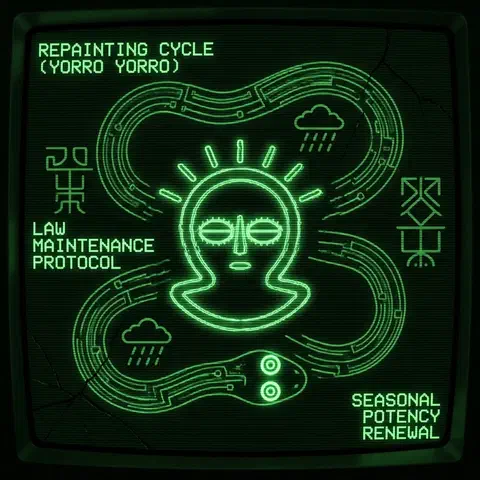
A research‑oriented account of the Wanjina Wunggurr creation complex (Worrorra–Ngarinyin–Wunambal), showing how repainting rock images sustains seasonal order and Law.
Comparative, primary-source survey of the bullroarer across Aboriginal Australia—regional names, mythic agents, rites, taboos, and symbolism—with analysis and EToC mapping.
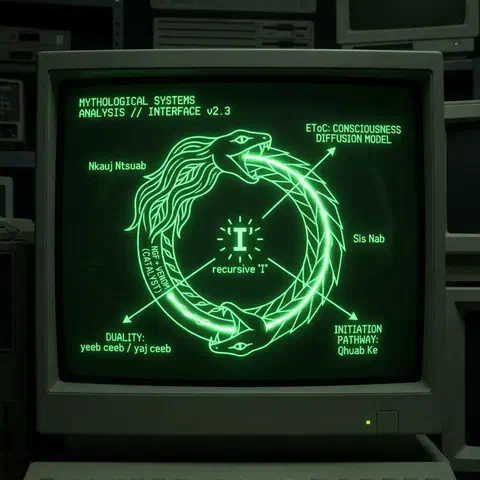
How a Hmong cosmogony—Nkauj Ntsuab and Sis Nab in the Qhuab Ke—maps onto the Eve Theory of Consciousness: female-first ‘I’, serpent cult, and ritual rebirth.
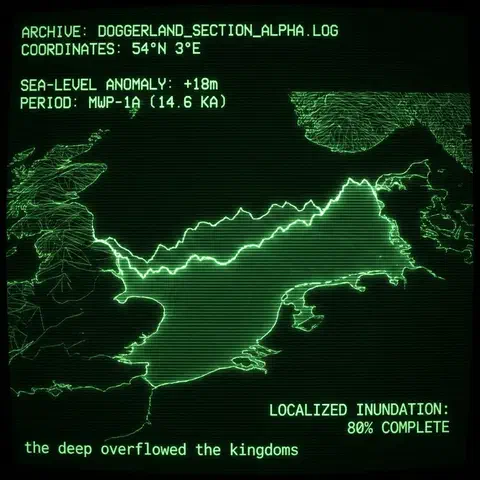
A source-heavy, neutral survey of myths about long winters, cataclysmic floods, and great meltwaters—assessing if any preserve Ice Age memories.