A comparative look at the Orphic creation myth and Andrew Cutler’s Snake Cult/Eve Theory of Consciousness, highlighting shared motifs of serpents, cosmic eggs, and female-led awakenings.
Orphism and the Eve Theory of Consciousness
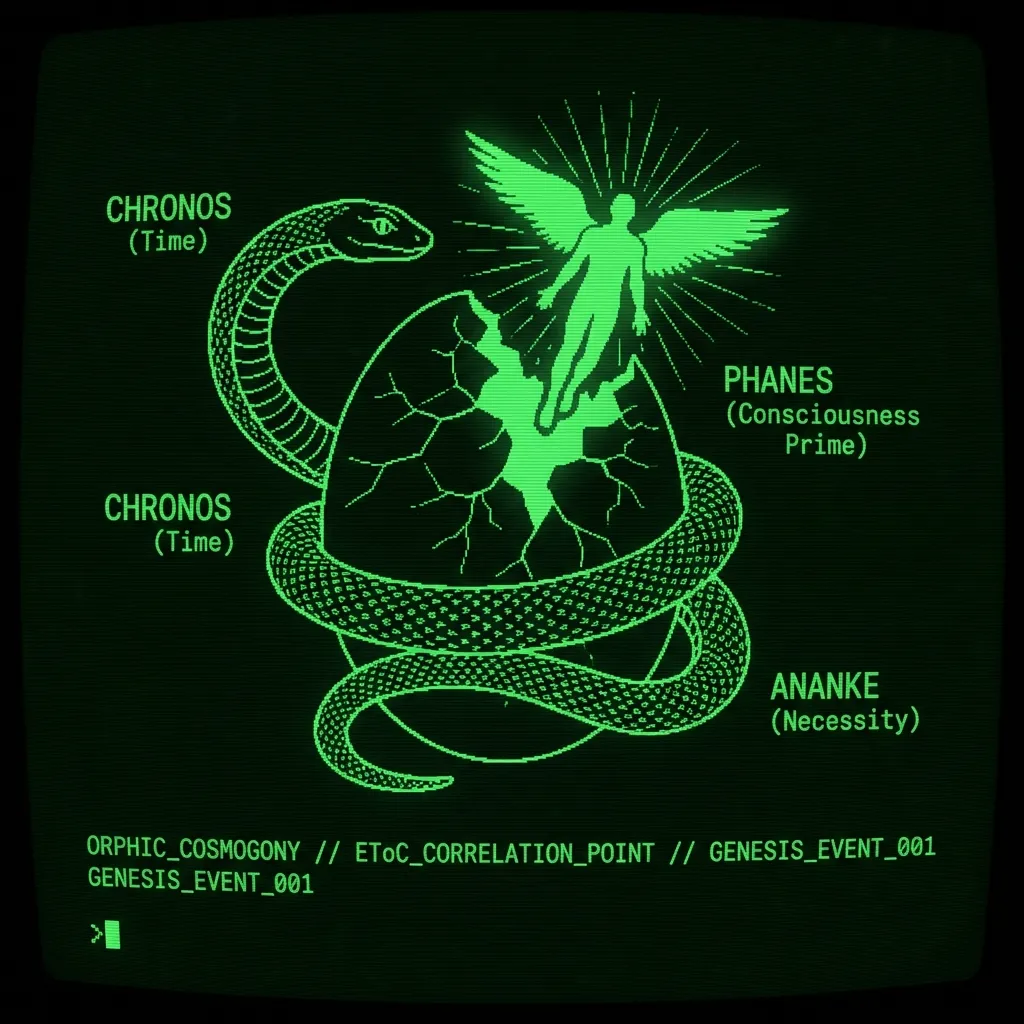
A comparative look at the Orphic creation myth and Andrew Cutler’s Snake Cult/Eve Theory of Consciousness, highlighting shared motifs of serpents, cosmic eggs, and female-led awakenings.
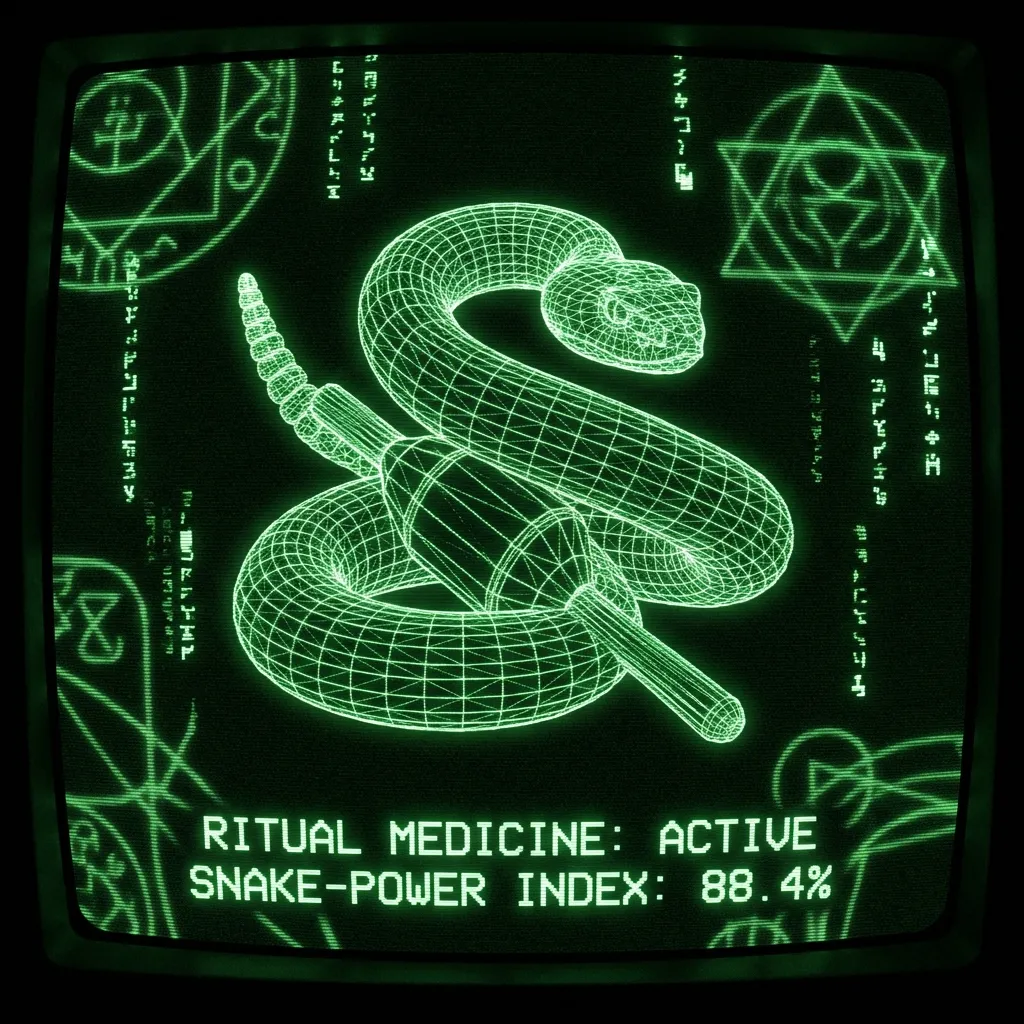
How the Navajo bull-roarer (tsin ndi’ni’) is charged with ritual medicine and embodies Snake-power in the Big Star Chant, including connections to rattlesnake blood in arrow poison formulas and therapeutic healing.
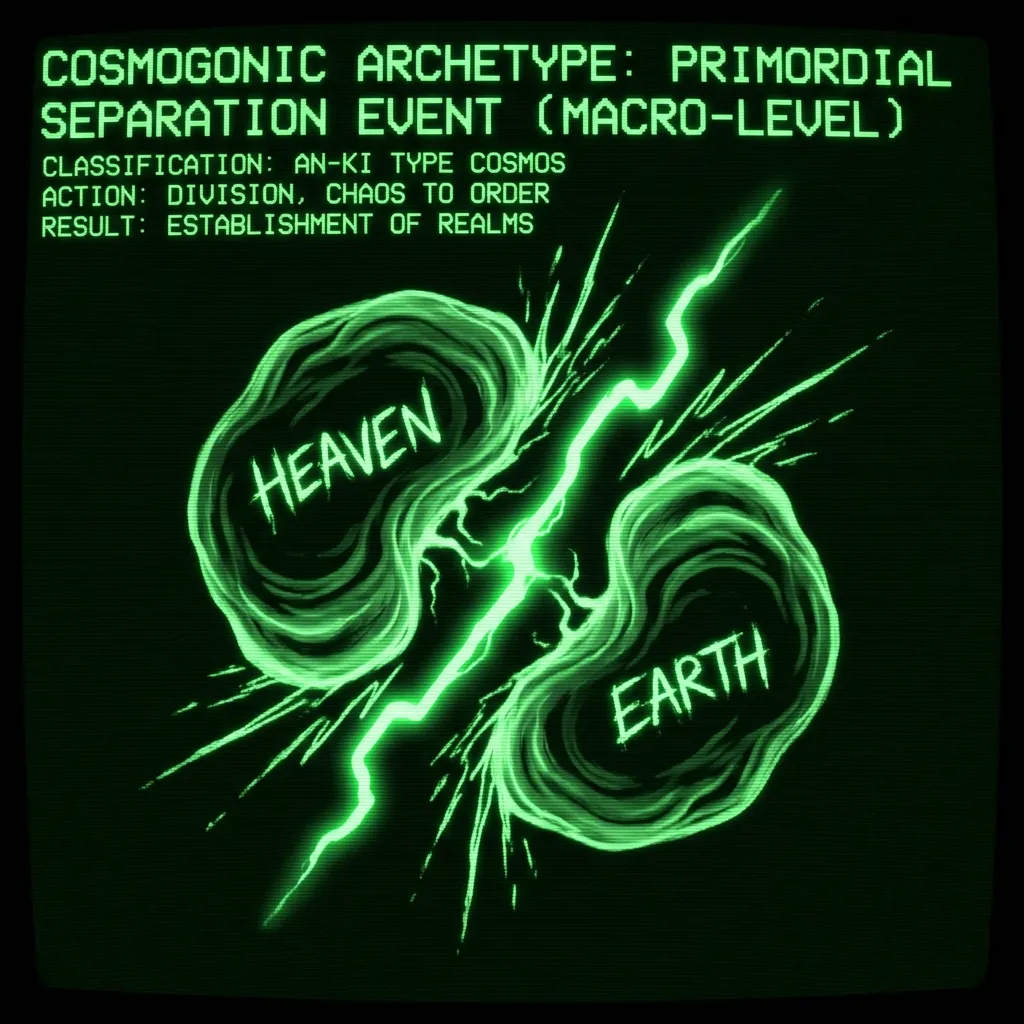
A comprehensive exploration of the mythic motif of Heaven and Earth being severed or separated, as seen in ancient Hurro-Hittite epics and other world creation myths.
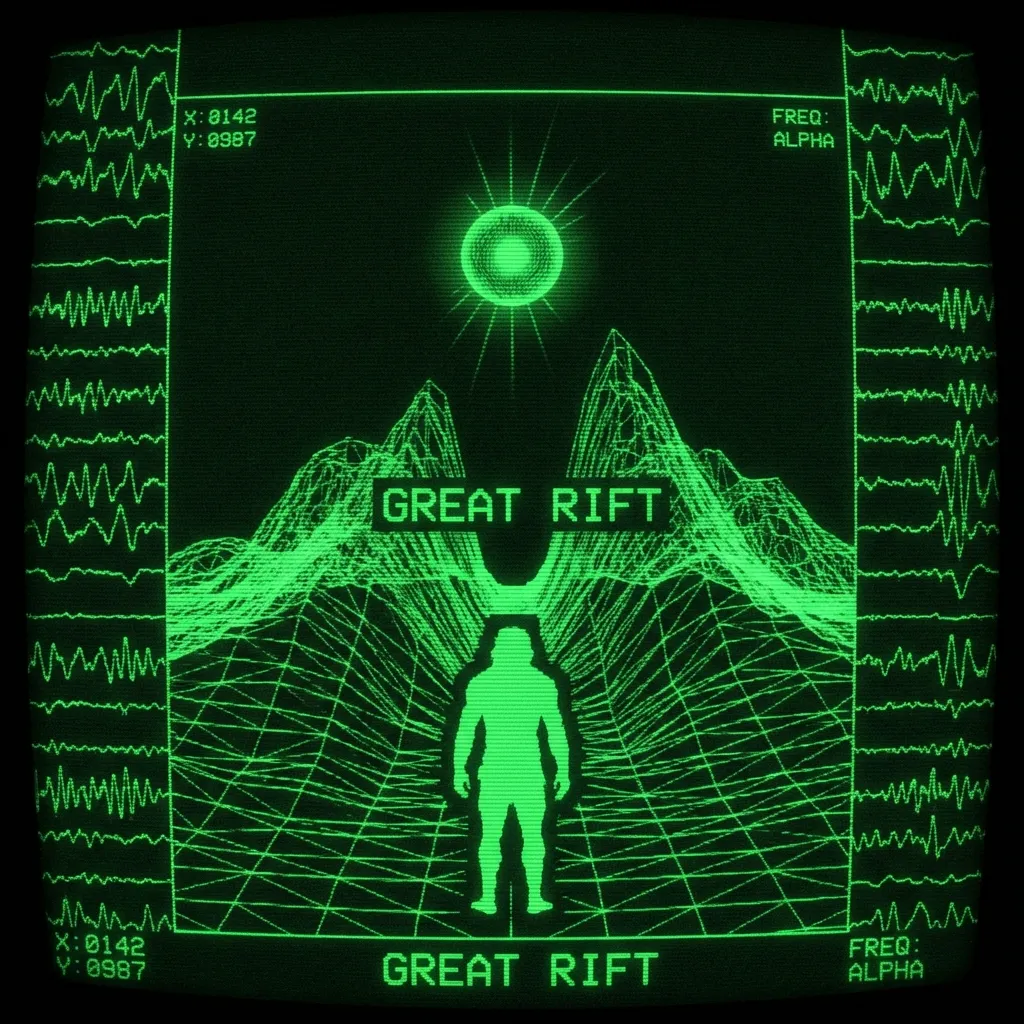
How classic Yoruba, Vodun, Zulu, Bushongo, and Dogon creation stories echo the Eve Theory of Consciousness: female catalysts, serpent motifs, and liminal waters.

Exhaustive profile of the Navajo clown-deity Tó Nilt’į́į́h — also glossed as Tsénilyáʼí — and his signature instrum ent, the bull-roarer (tsin ndi’ni’).
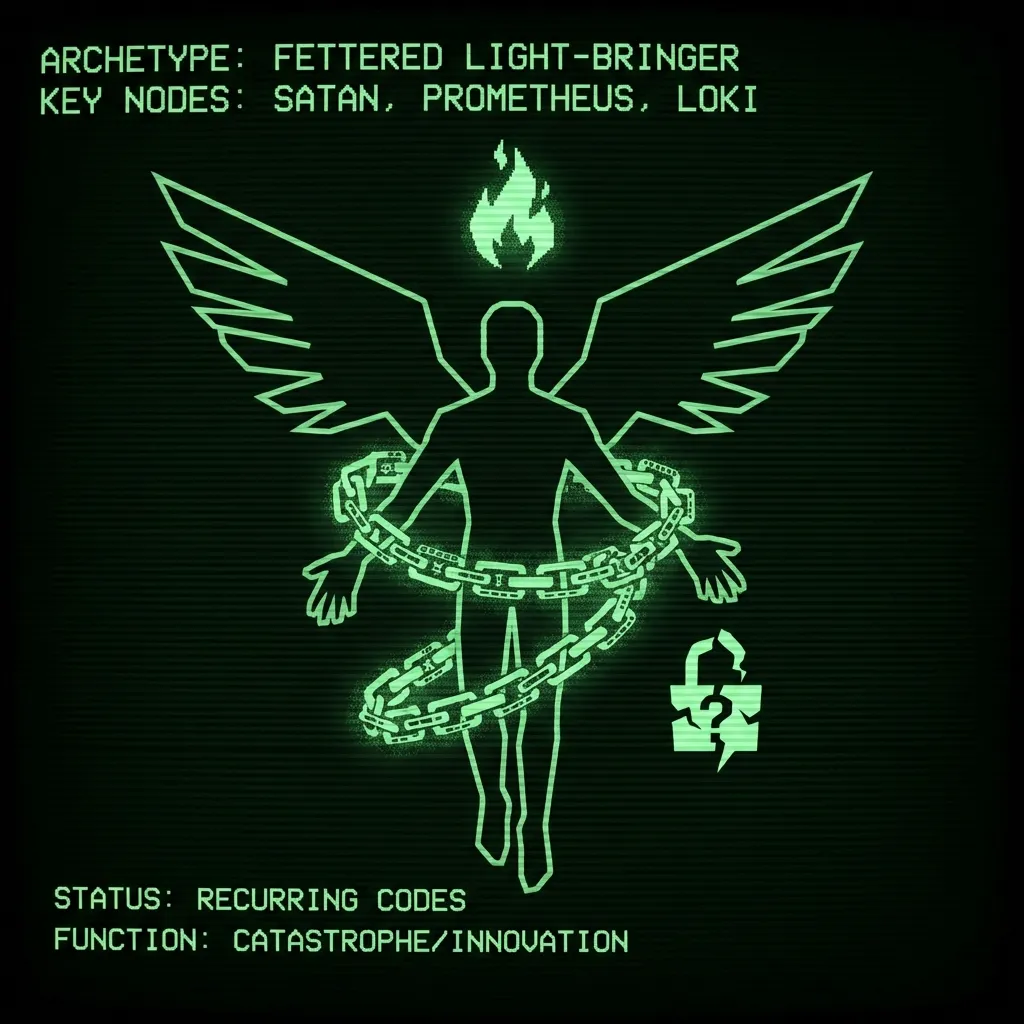
Tables & citations showing how scholars slot Lucifer beside Loki, Prometheus, and other bound rebel‑gods.
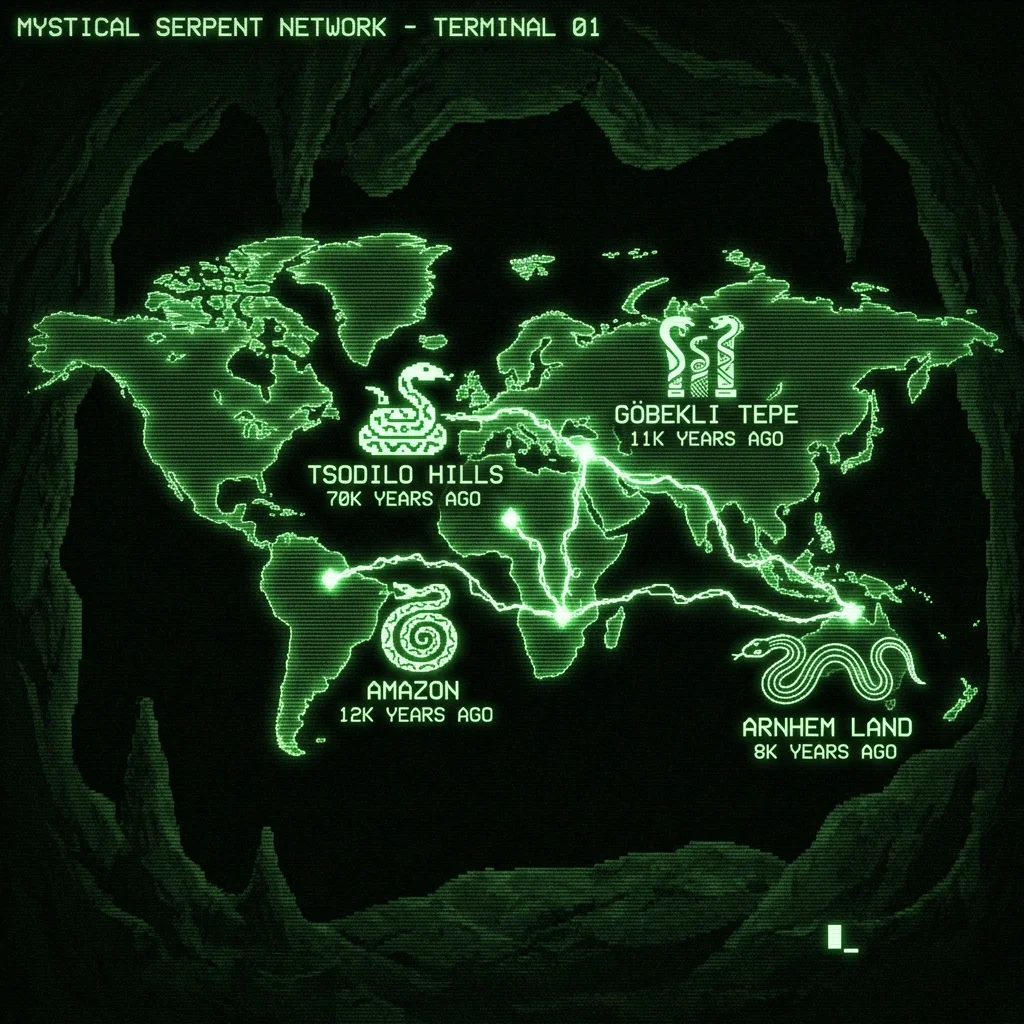
Timeline comparing the earliest known depictions of snakes on each continent, from Tsodilo Hills to Amazon rock murals.
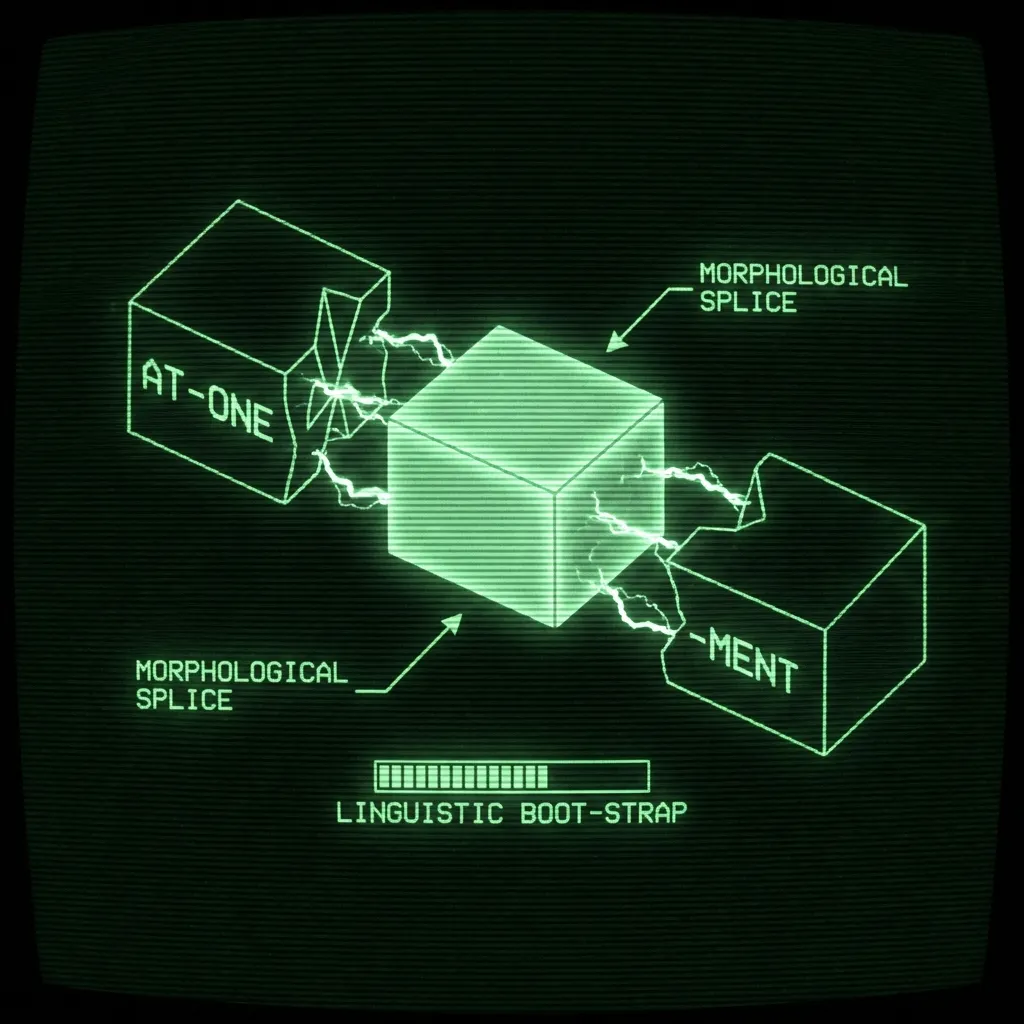
A deep dive into how the word atonement grew from the Middle‑English phrase “at one” plus the French‑derived suffix ‑ment, and what that splice reveals about the youth of English.

Why the English coinage atonement eclipsed classical terms like Latin reconciliatio, Greek katallagē, and Hebrew kippur—and what that shift says about Reformation‑era thought.
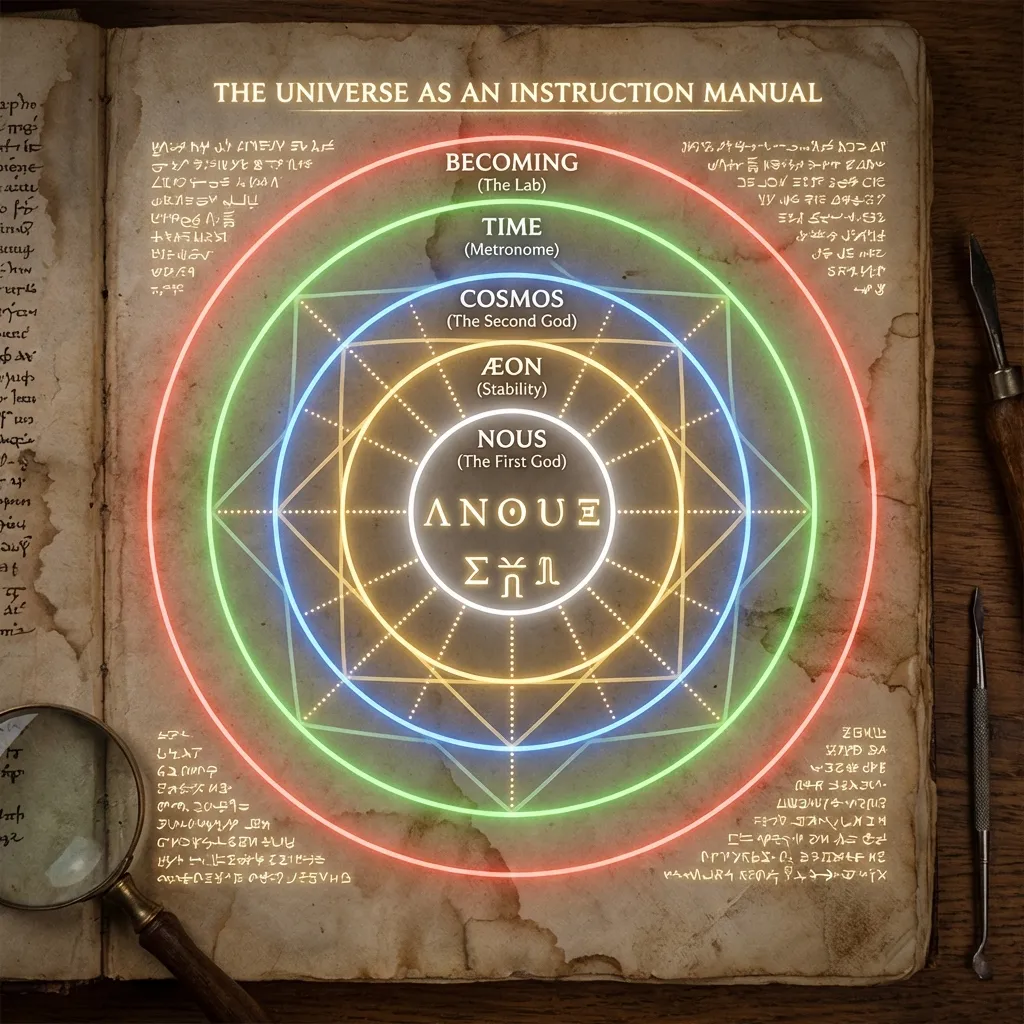
Hermeticism reads the cosmos as a living, self‑transforming image of the Divine—both a classroom and crucible designed to awaken the soul through embodied experience.