How a Hmong cosmogony—Nkauj Ntsuab and Sis Nab in the Qhuab Ke—maps onto the Eve Theory of Consciousness: female-first ‘I’, serpent cult, and ritual rebirth.
Nkauj Ntsuab & Sis Nab, Read Through the Eve Theory of Consciousness
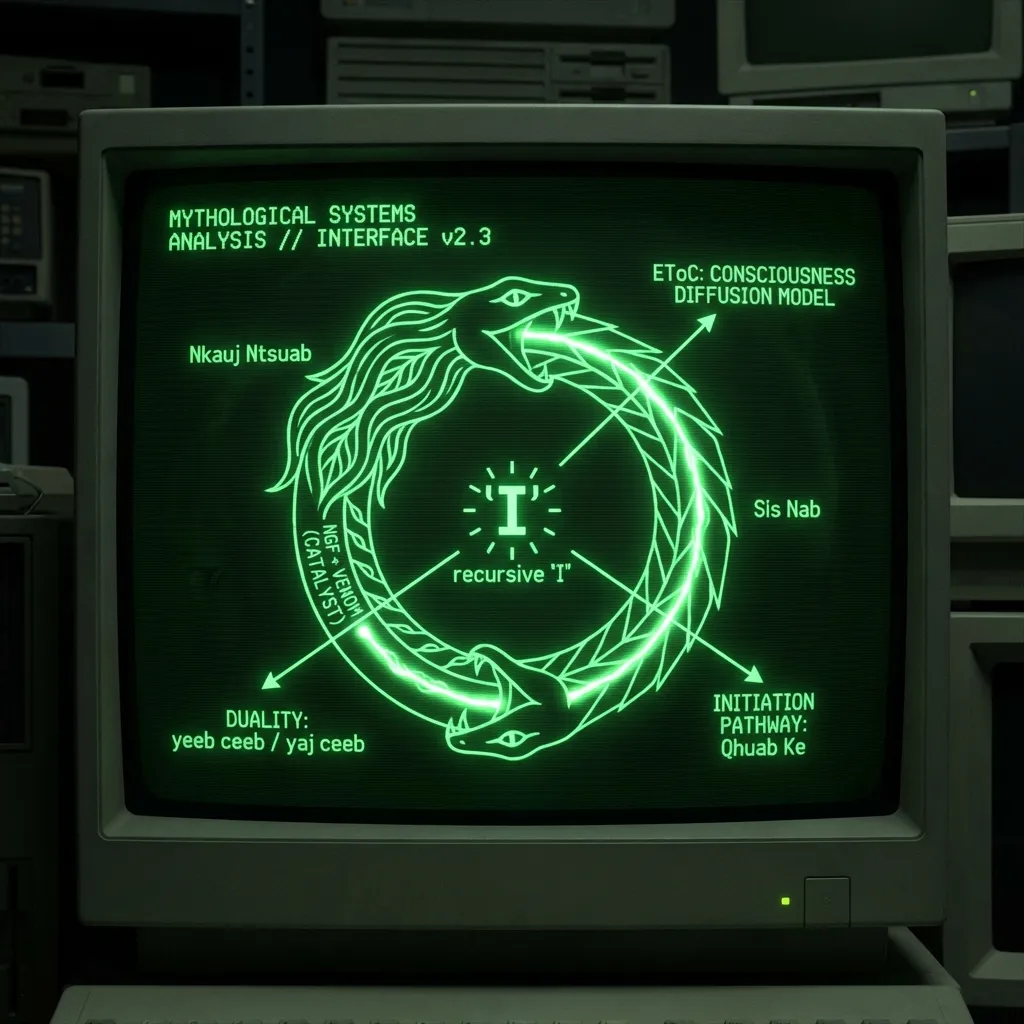
How a Hmong cosmogony—Nkauj Ntsuab and Sis Nab in the Qhuab Ke—maps onto the Eve Theory of Consciousness: female-first ‘I’, serpent cult, and ritual rebirth.
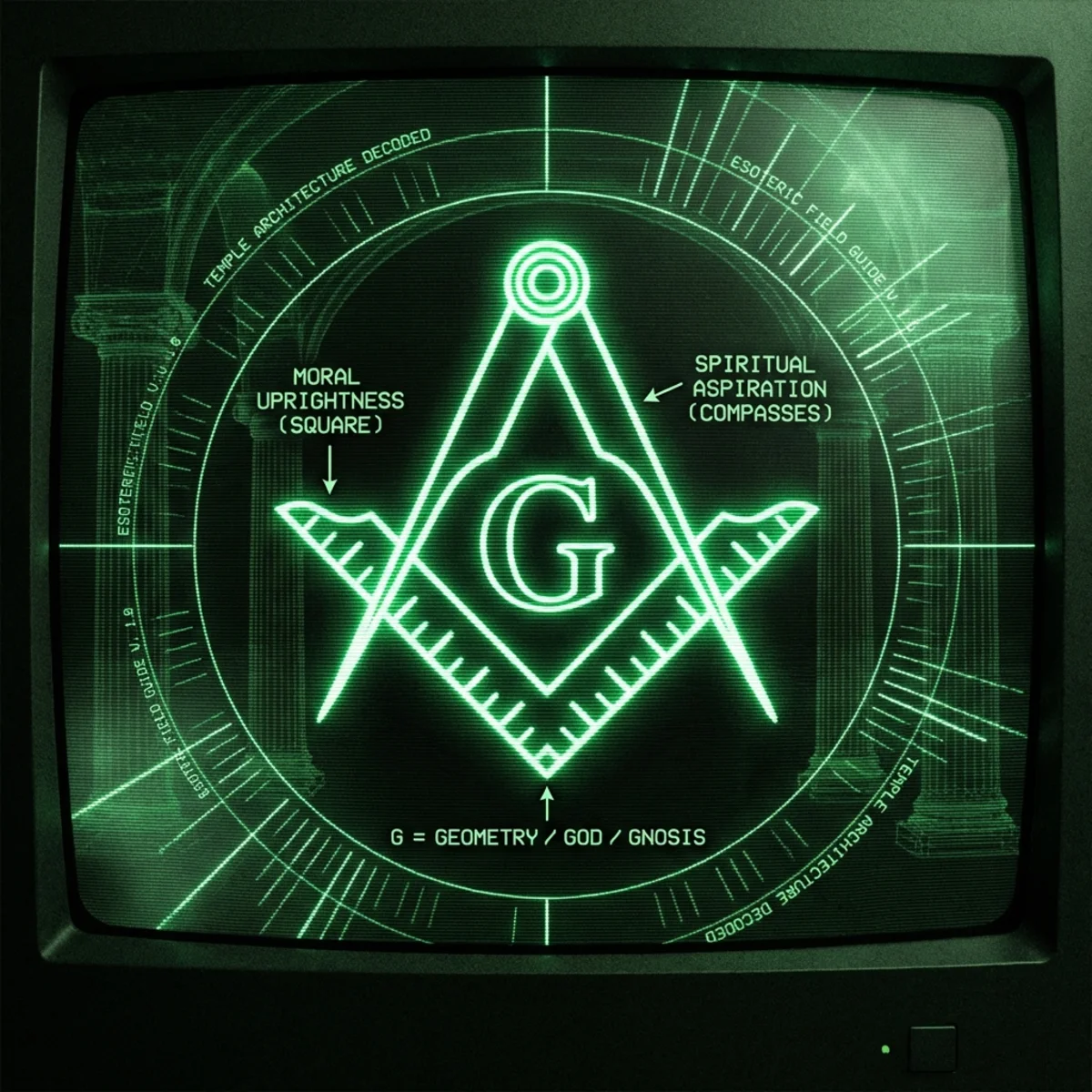
Deep dive on the Masonic square‑and‑compasses with the letter G—its meanings, origins, and esoteric layers—read against ancient ‘sacred geometry’ and craft cosmology.
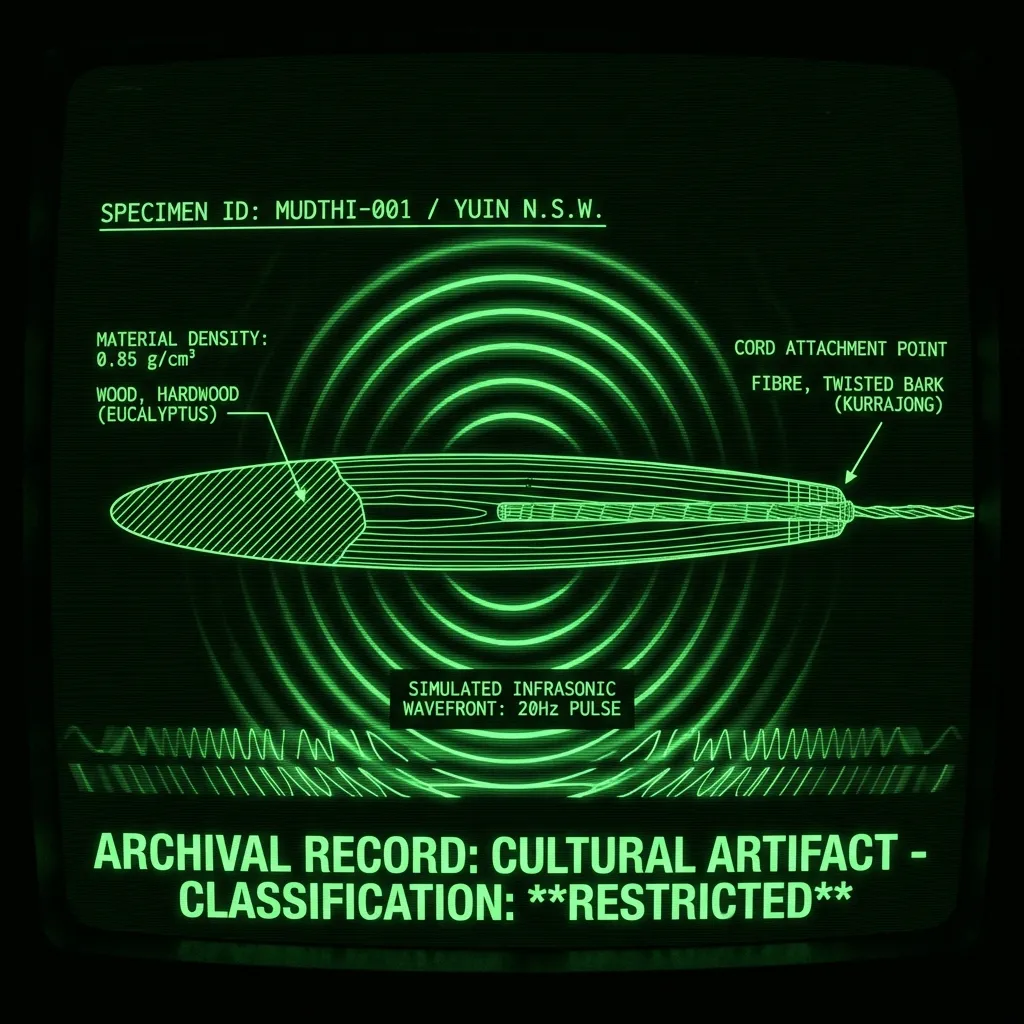
Comparative, primary-source survey of the bullroarer across Aboriginal Australia—regional names, mythic agents, rites, taboos, and symbolism—with analysis and EToC mapping.
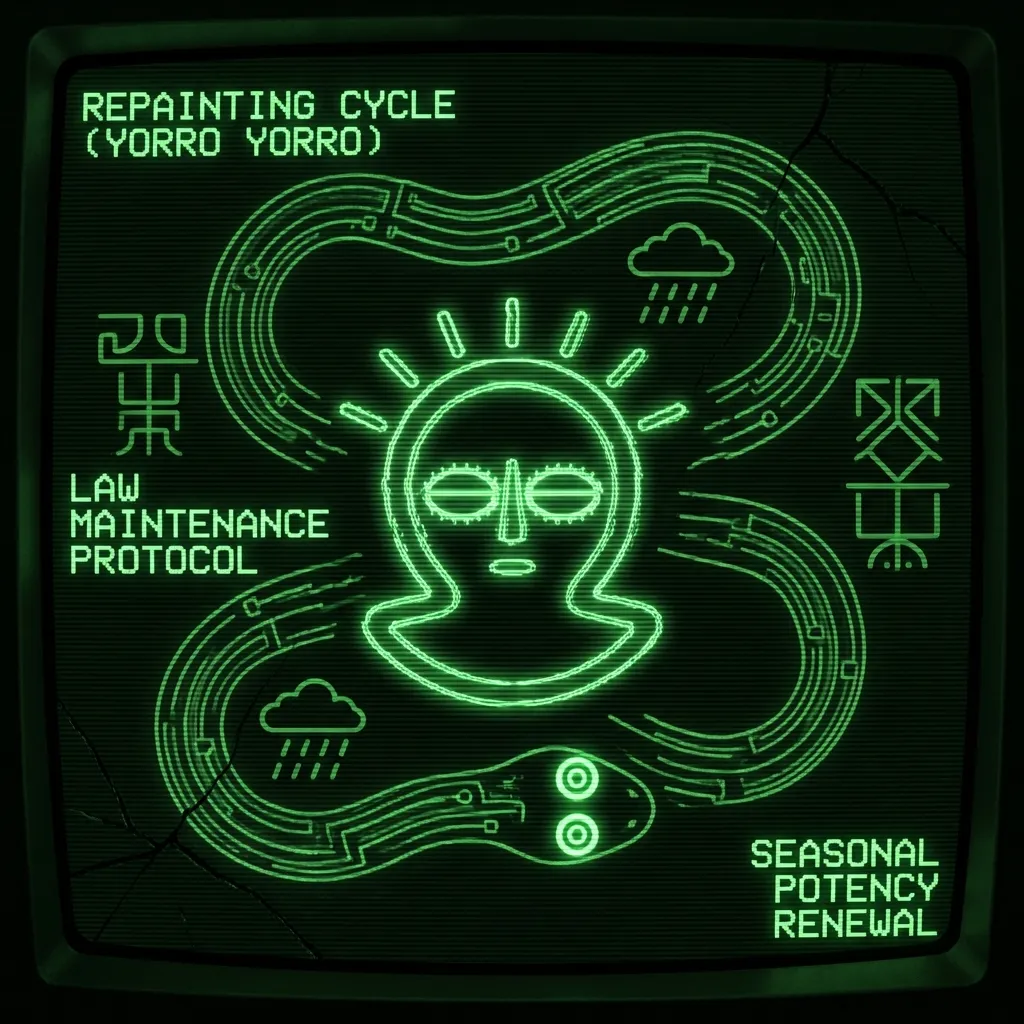
A research‑oriented account of the Wanjina Wunggurr creation complex (Worrorra–Ngarinyin–Wunambal), showing how repainting rock images sustains seasonal order and Law.
Survey of African flood myths by region, with annotated sources, motif analysis, and diffusion/selection arguments for specialists in comparative mythology.
How Dreaming narratives—Djanggawul, Wawalag Sisters, Rainbow Serpent—encode a prehistoric shift toward self‑aware, language‑driven culture.
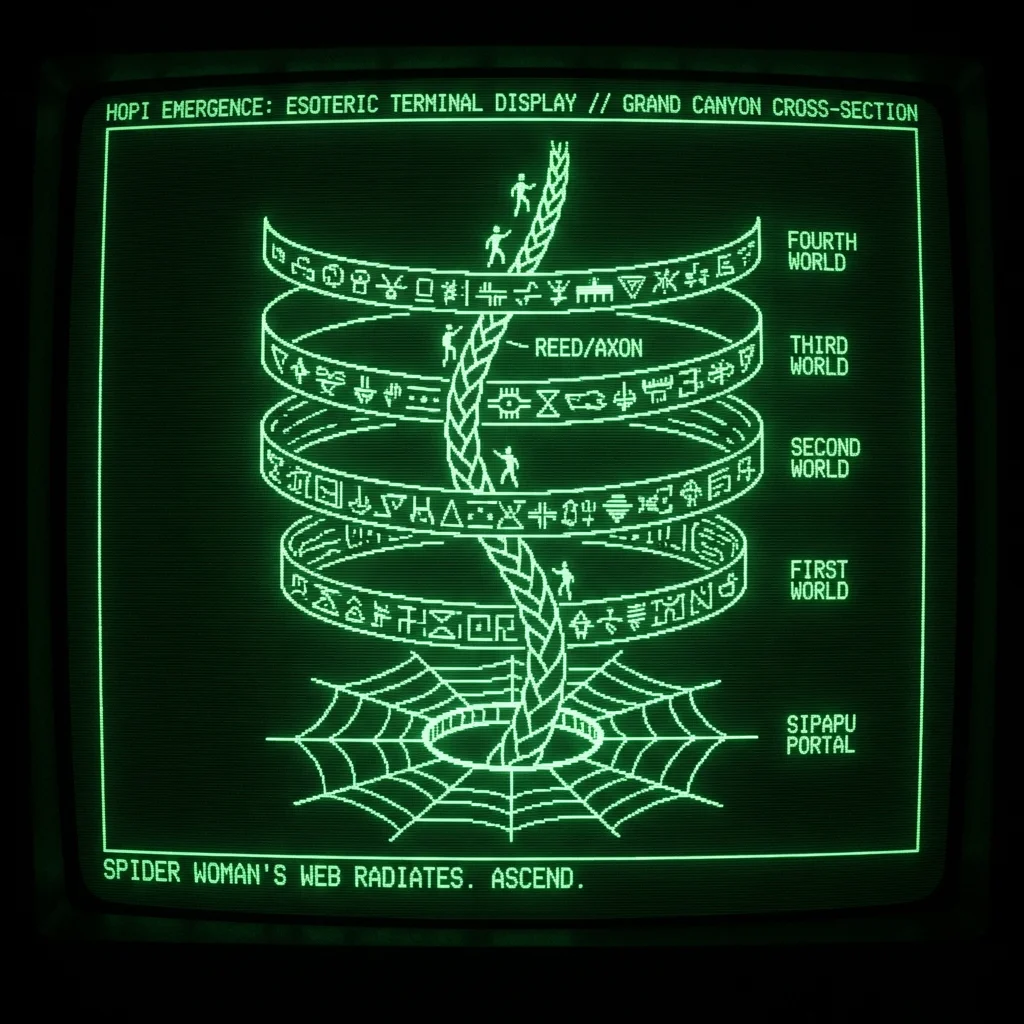
From Hopi sipapus to Andean caves, New‑World creation stories mirror the moment ‘Eve’ first looked back at herself.
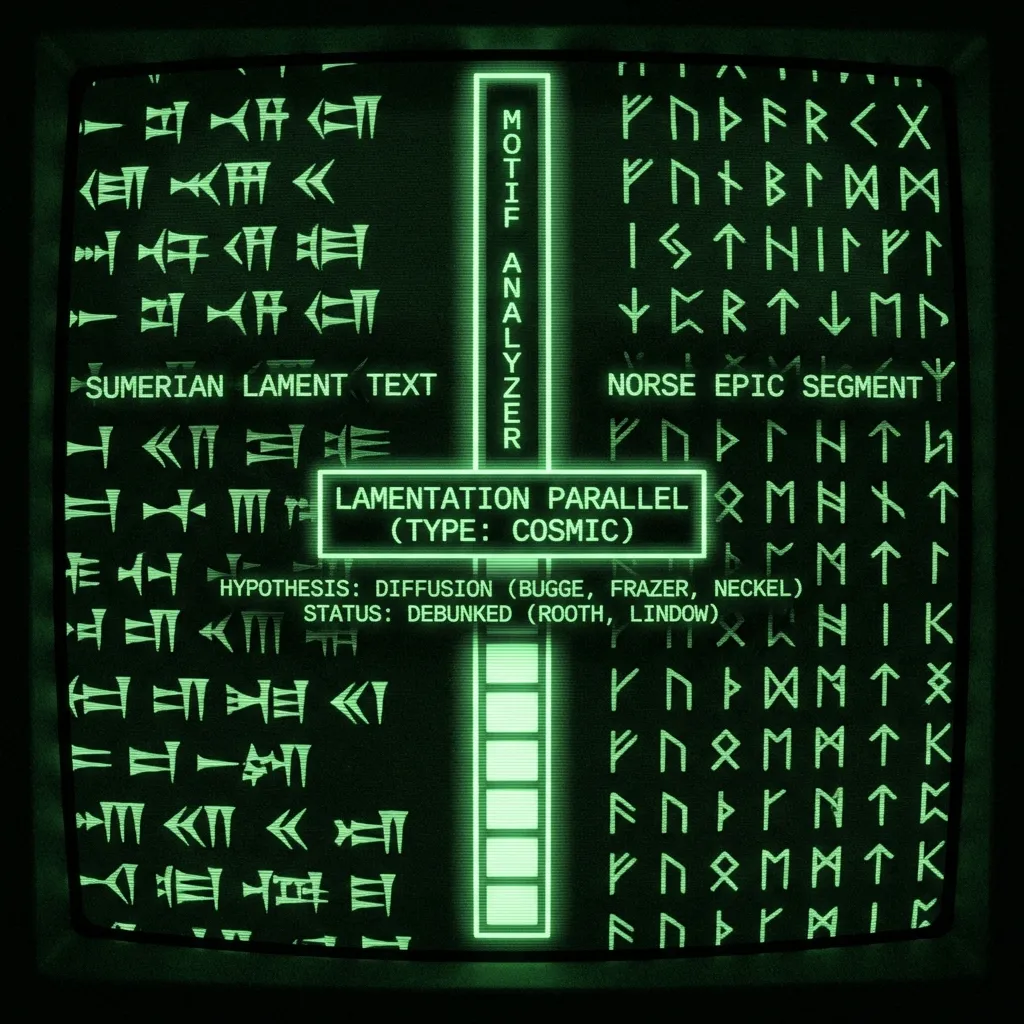
A brisk review of scholars who claim the Norse cosmos‑weeps motif comes from the Mesopotamian Tammuz cult—and why most specialists now disagree.
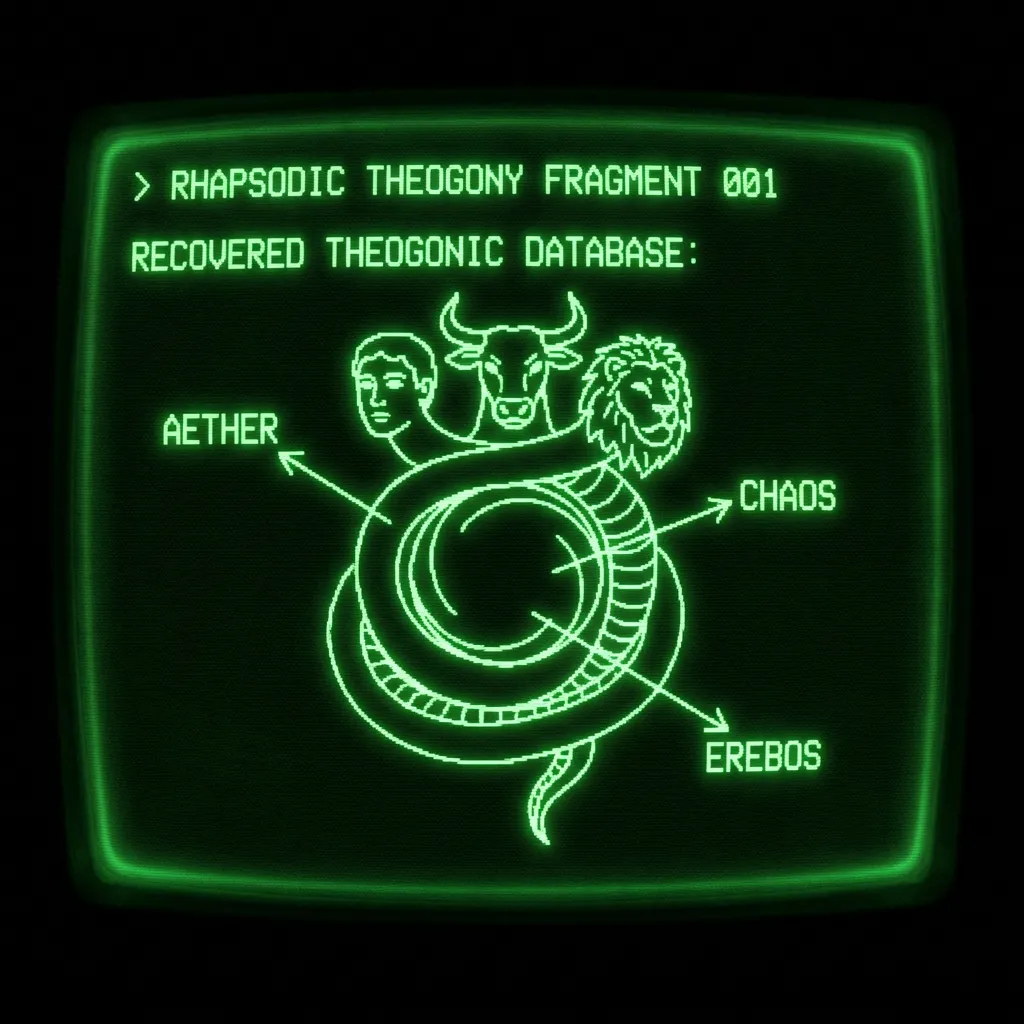
A deep dive into the Orphic creation myth—from Chronos’ serpent-coiled Cosmic Egg to Dionysus Zagreus’ dismemberment—and how it shaped Greek mysticism, soul-body dualism, and later Neoplatonic thought.
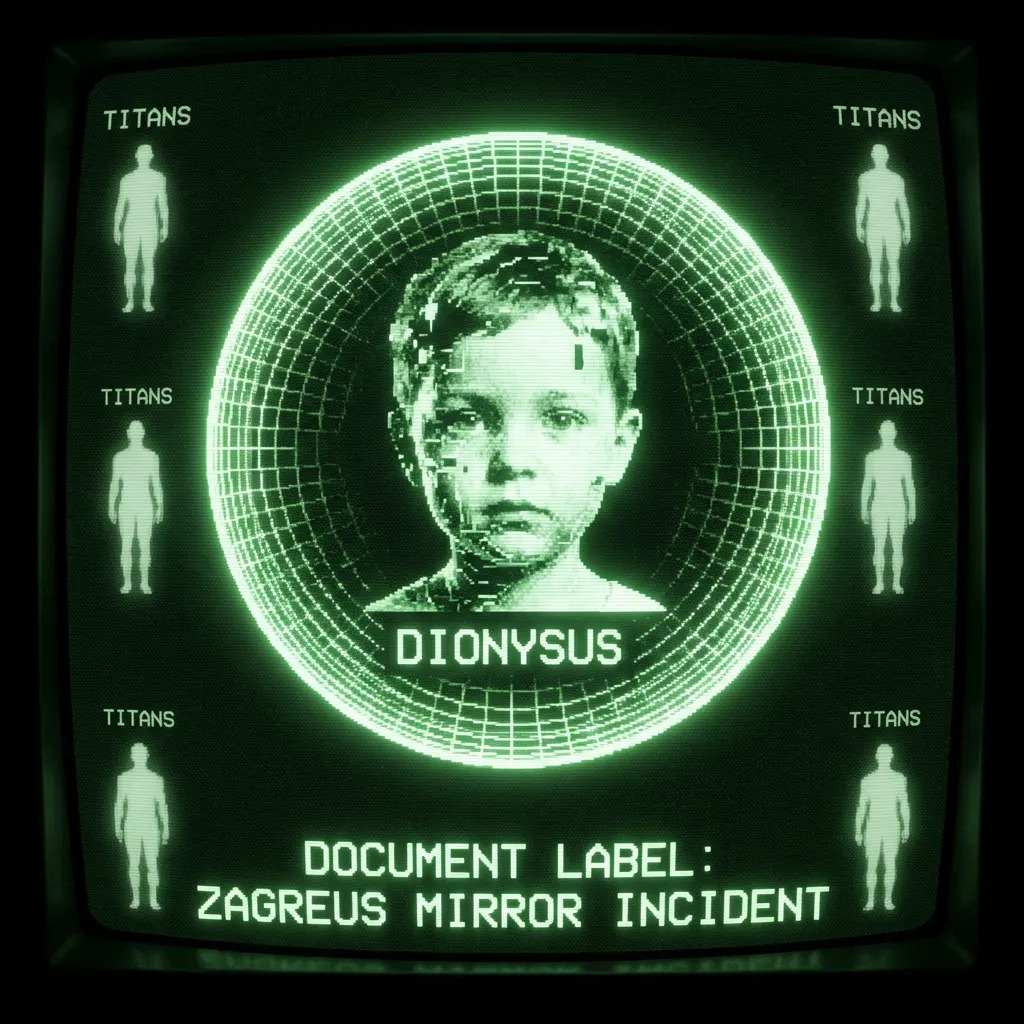
How a child-god’s fatal toy became a philosophical symbol for embodiment, matter and selfhood—from Neoplatonists to today’s classicists.