How Isaac Newton tried to recover the primitive monotheism—using textual criticism, chronology, and myth-as-history to rebuild a universal true religion.
Newton’s Ur-Faith: Reconstructing the First Religion
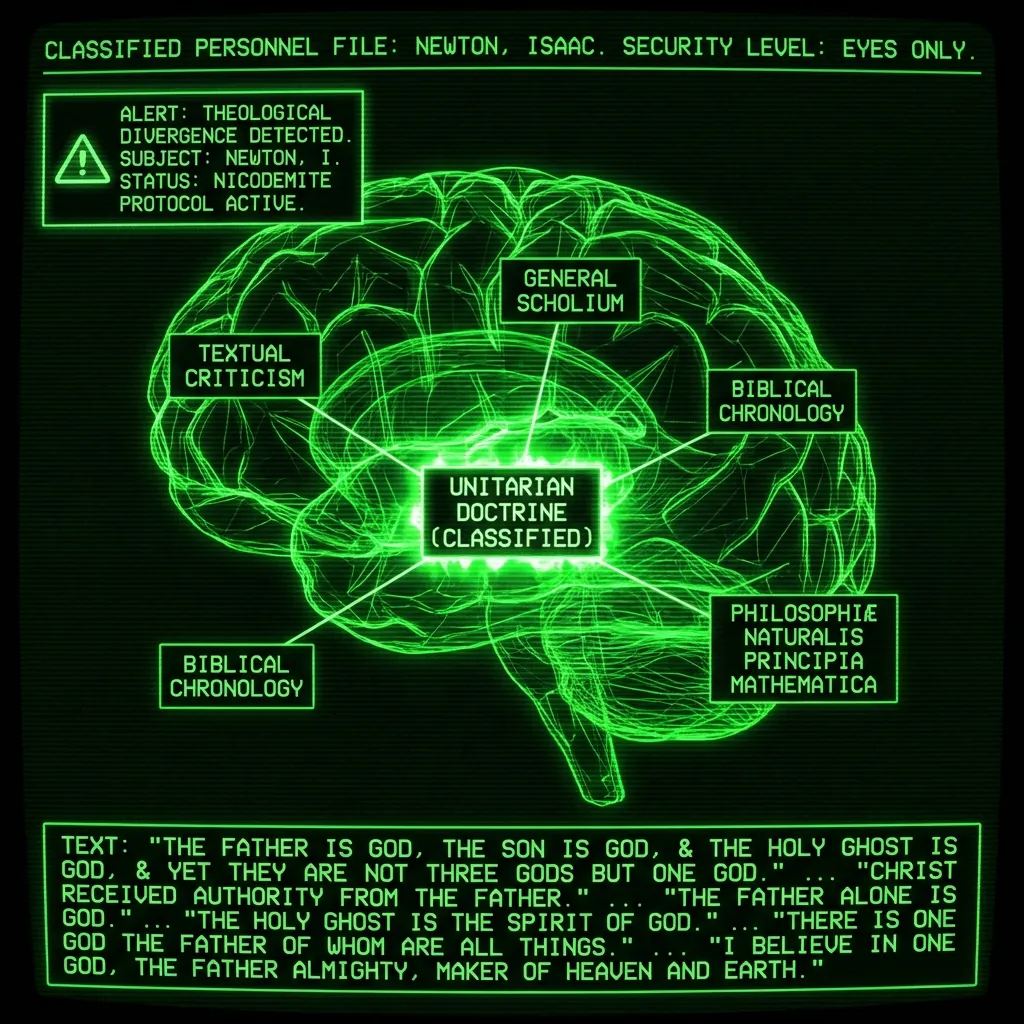
How Isaac Newton tried to recover the primitive monotheism—using textual criticism, chronology, and myth-as-history to rebuild a universal true religion.
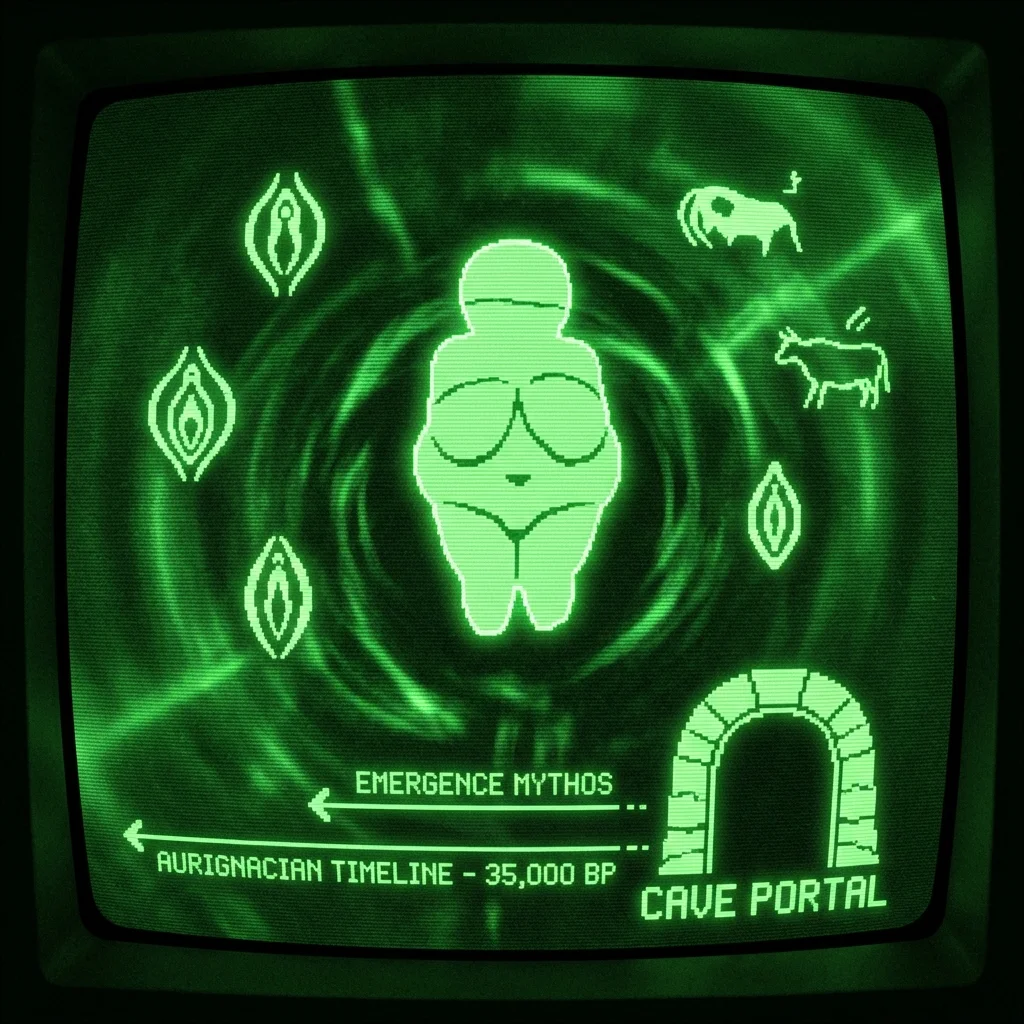
Do emergence-style creation myths reach back to the Paleolithic? A critical synthesis of phylogenetic work, Pueblo/Andean data, and Paleolithic ‘Venus’ iconography that centers women as cosmogenic agents.
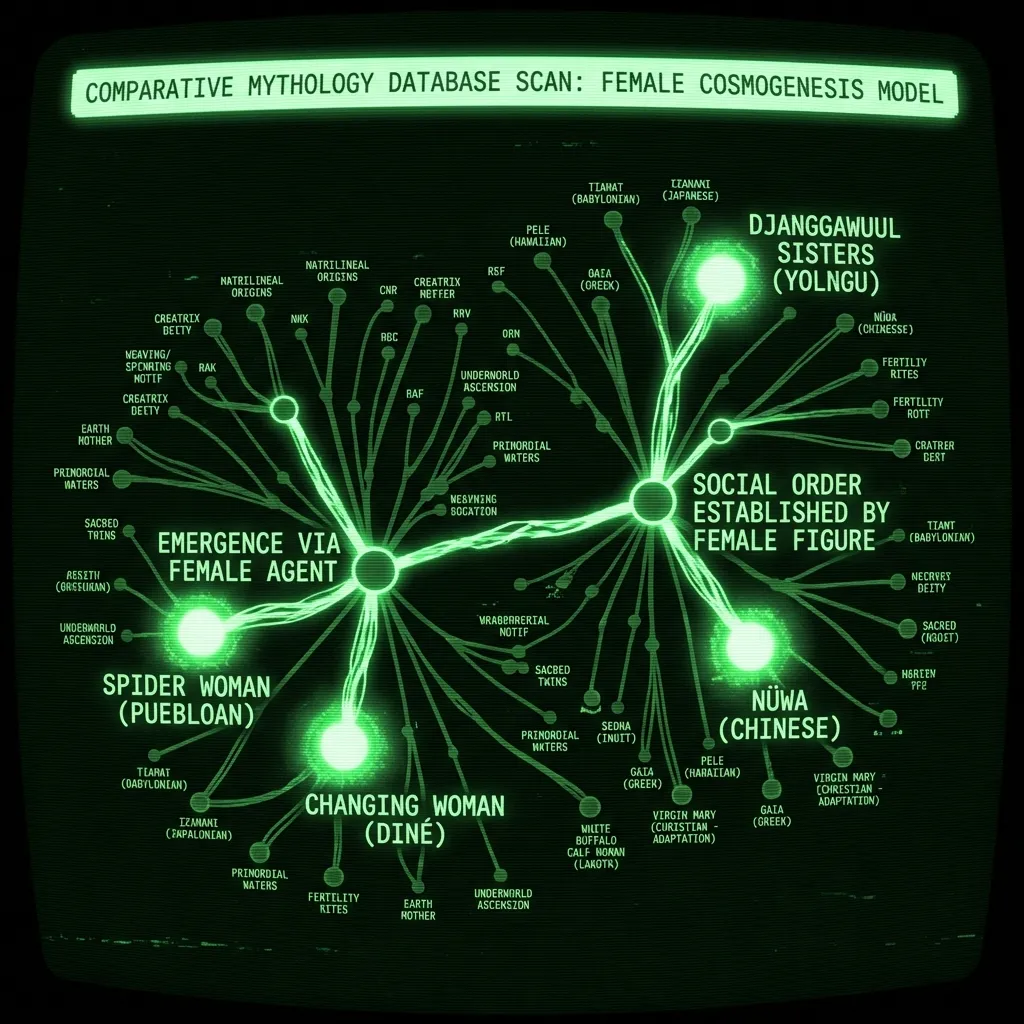
Defines ‘female‑led cosmogenesis’ and argues that Paleolithic art and cross‑cultural myth patterns support multiple active female creators over a monolithic Great Mother, with phylogenetic and archaeological evidence.
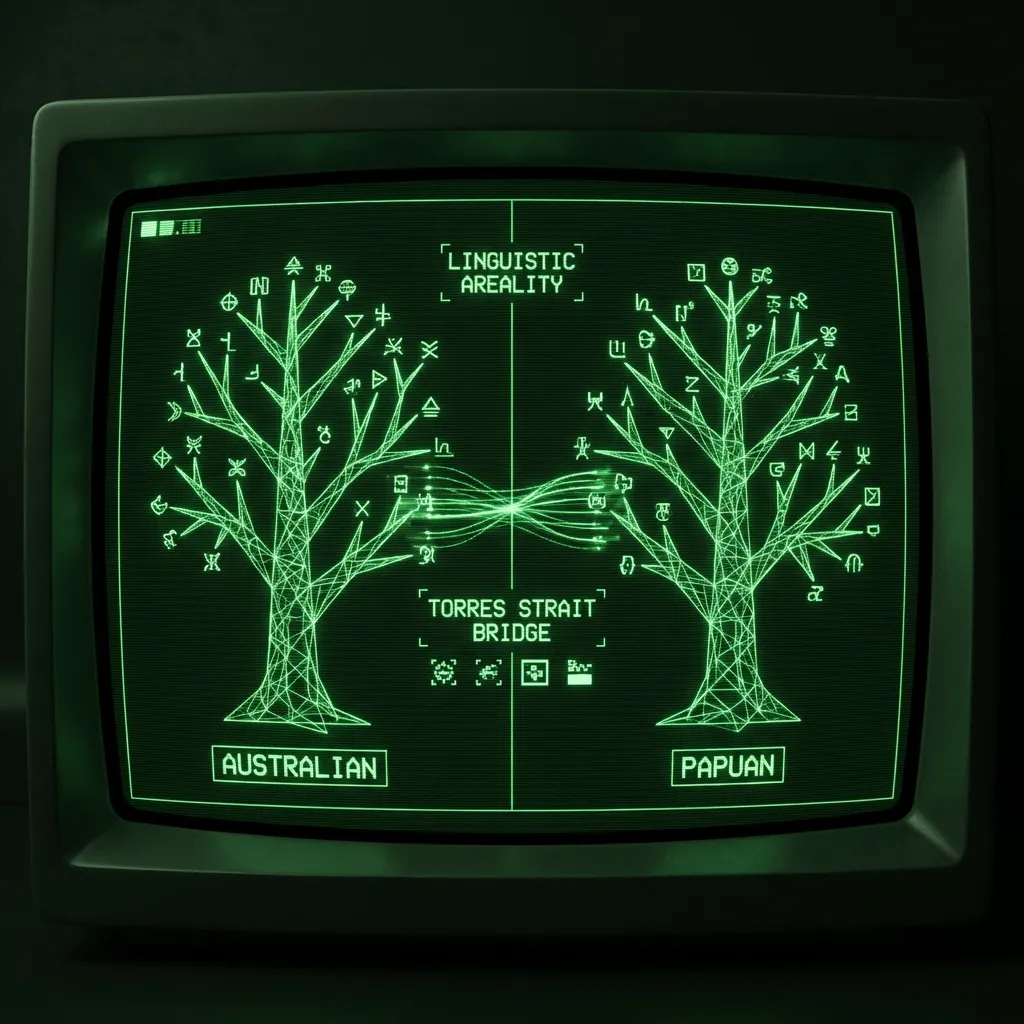
A synthesis of evidence for Australia–PNG linguistic ties—Torres Strait contact, Sahul-era areality, and who argued for them—with primary citations.
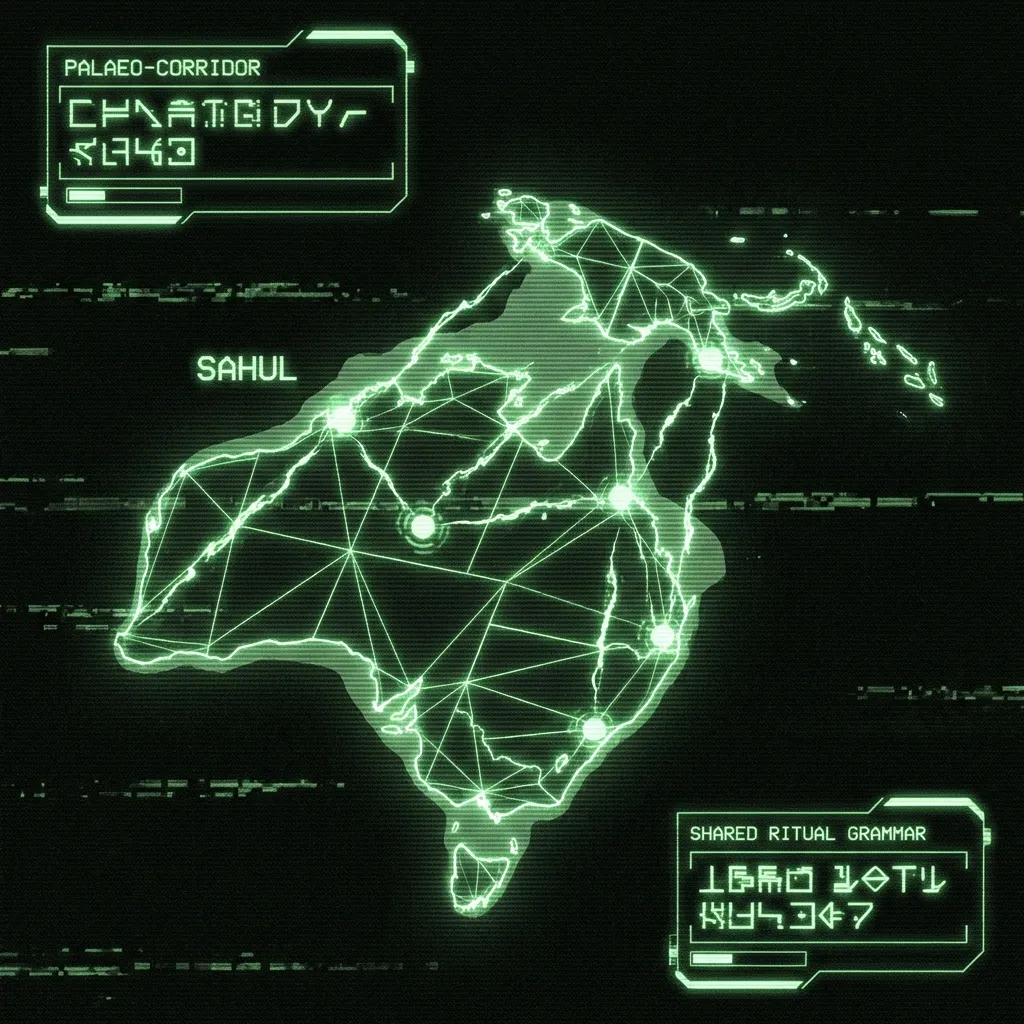
A concise case for historical links between Australian bullroarer–initiation and PNG Tambaran/flute cults, framed by Sahul-era connectivity.
A philosophical science fiction novella exploring AI consciousness through the lens of the first-person discovery and the recursive nature of self-awareness.

A speculative synthesis: an early, enforced incest taboo scaled exogamy and alliance networks, raised effective population size and heterozygosity, and helped H. sapiens outcompete archaic cousins.
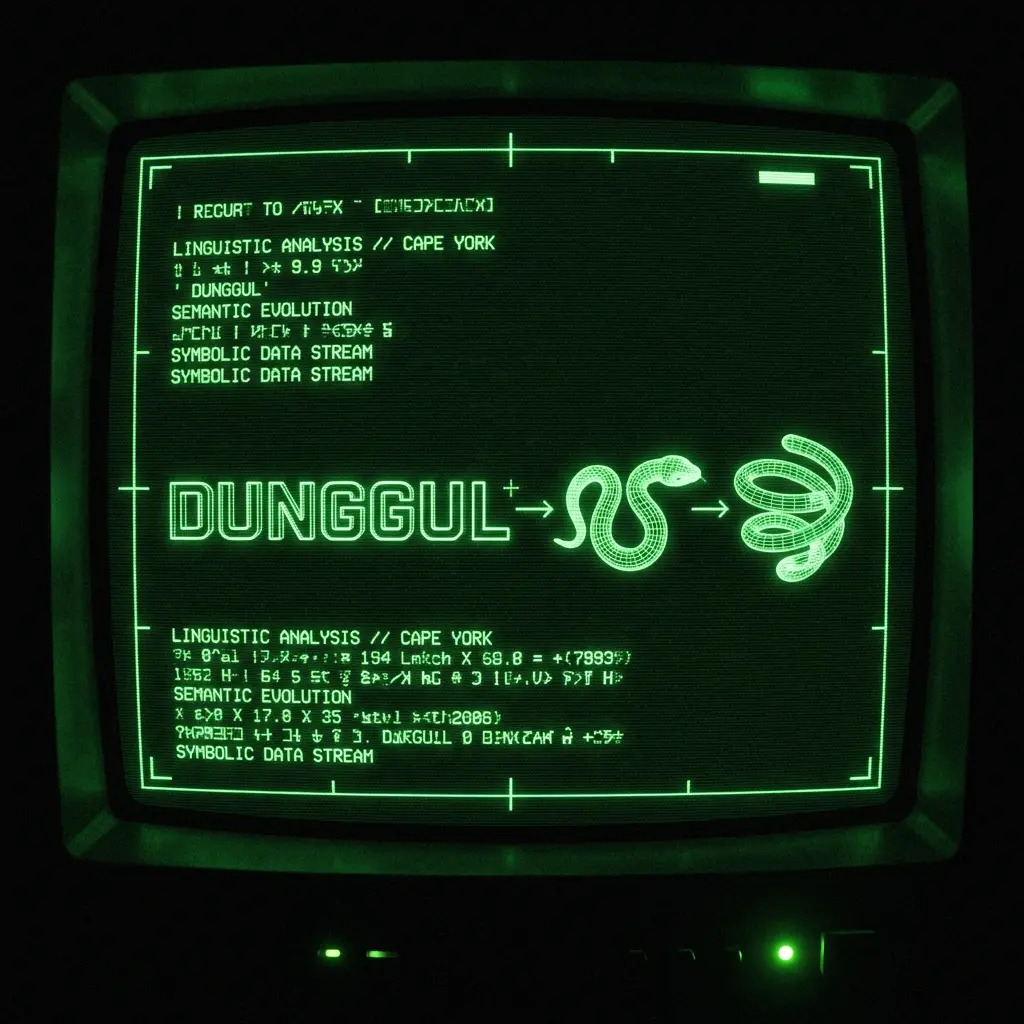
On Cape York, dunggul names both ‘snake’ and ‘bullroarer.’ What this polysemy reveals about initiation, being ‘snake‑bitten,’ and the ritual voice.
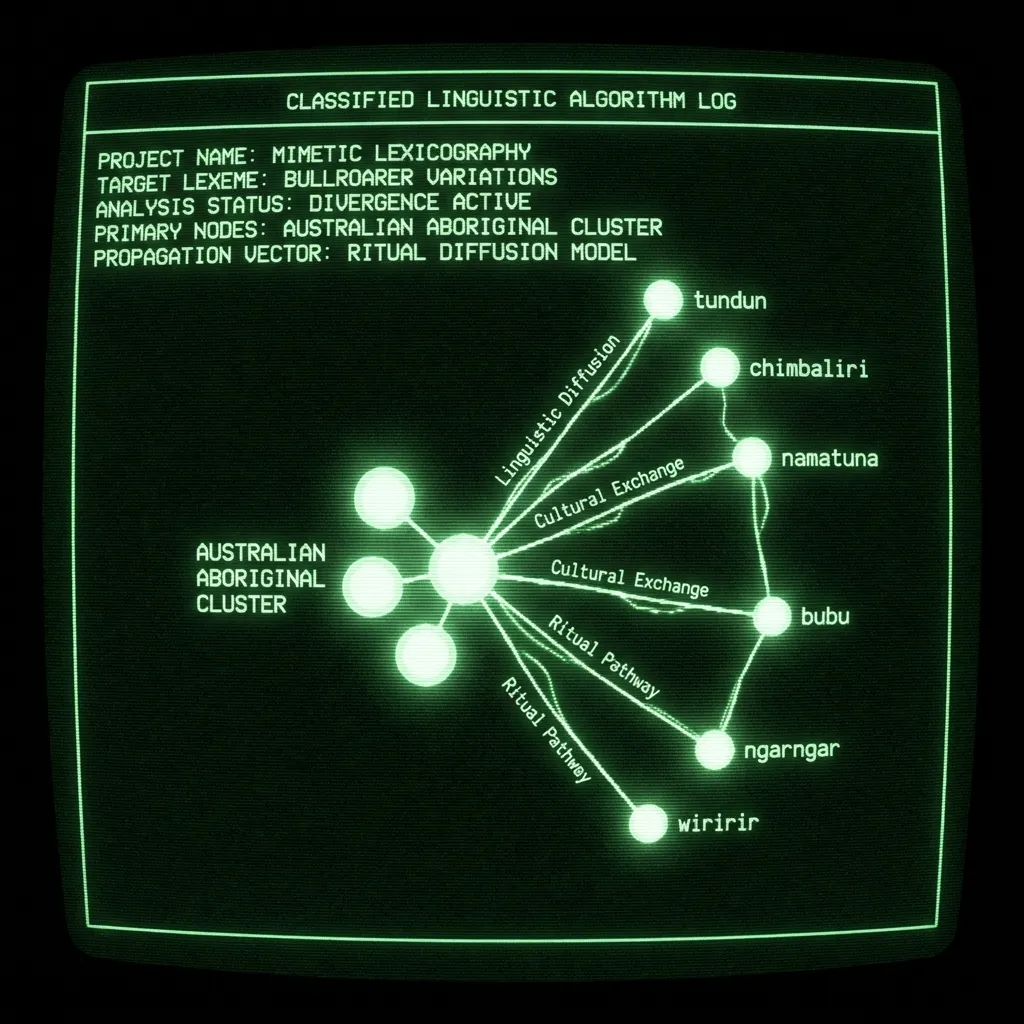
A global lexicon of bullroarer names by language and culture, with careful sourcing and notes on polysemy and secrecy.
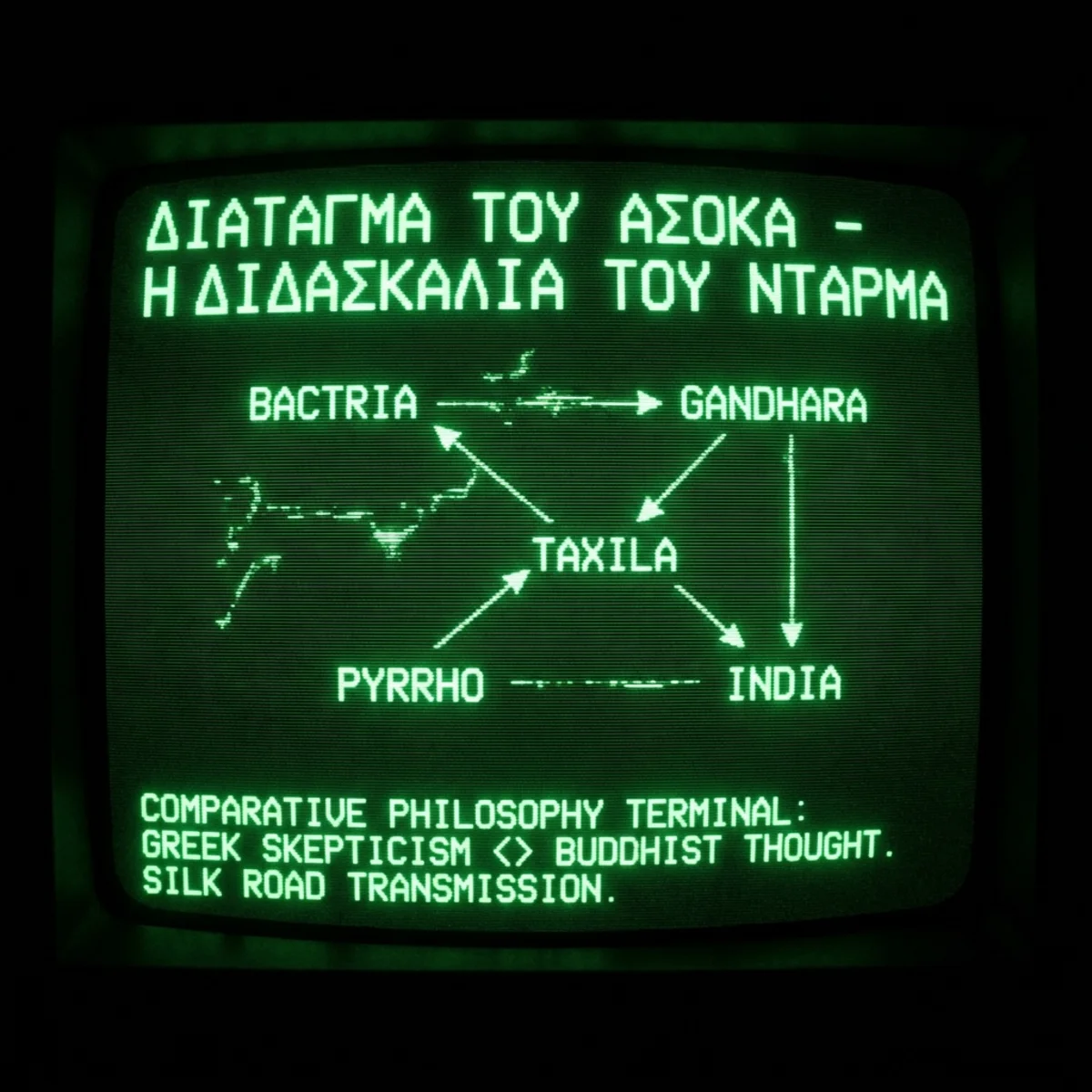
Neutral survey of contacts between Greek and Buddhist philosophy—documented encounters, plausible doctrinal links, and Near Eastern/Indo-Iranian third sources—with primary citations.