Argues—within the Eve & Snake Cult theories—that Pirahã culture preserves a pre-Holocene mode of mind; contrasts with Clovis-era ‘apex’ consciousness; weighs genetics, ritual, and myth.
The Pirahã in Eden: A Holdout Beyond the Human Condition
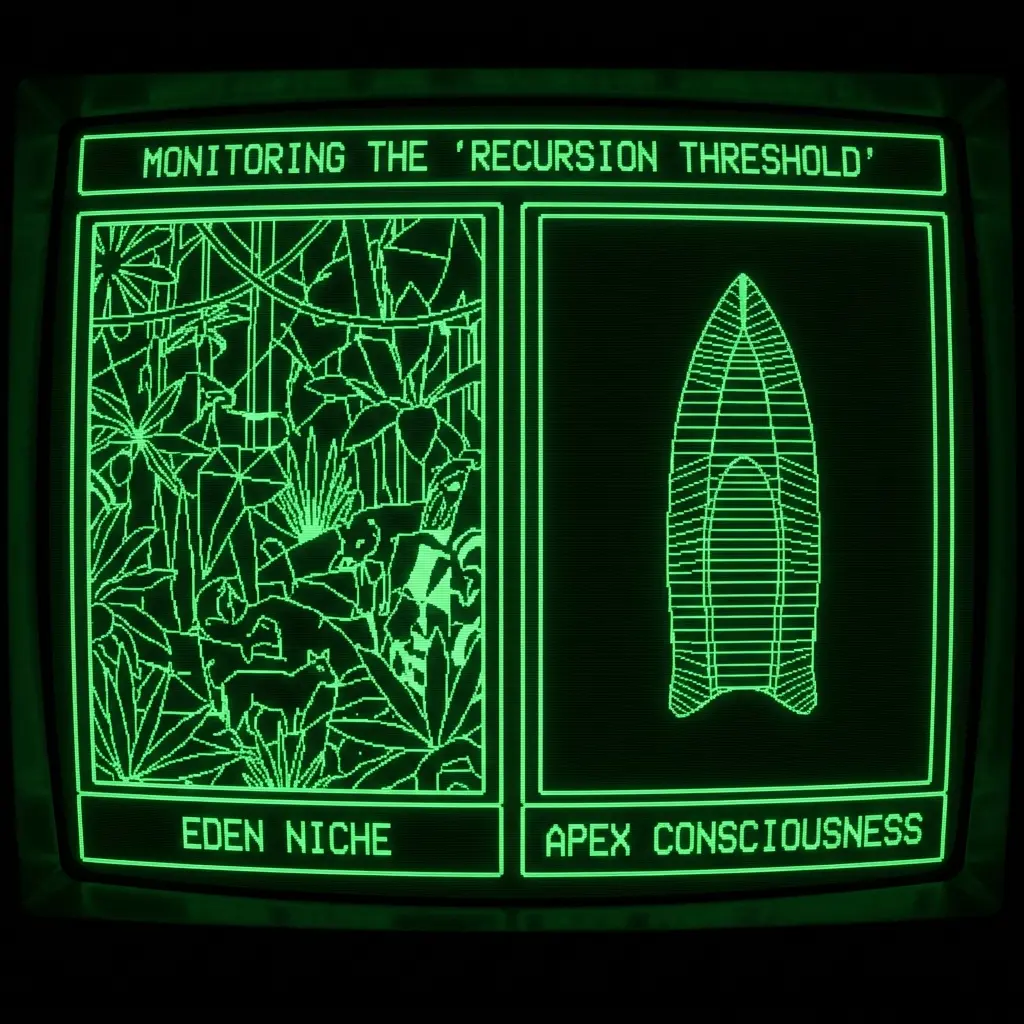
Argues—within the Eve & Snake Cult theories—that Pirahã culture preserves a pre-Holocene mode of mind; contrasts with Clovis-era ‘apex’ consciousness; weighs genetics, ritual, and myth.
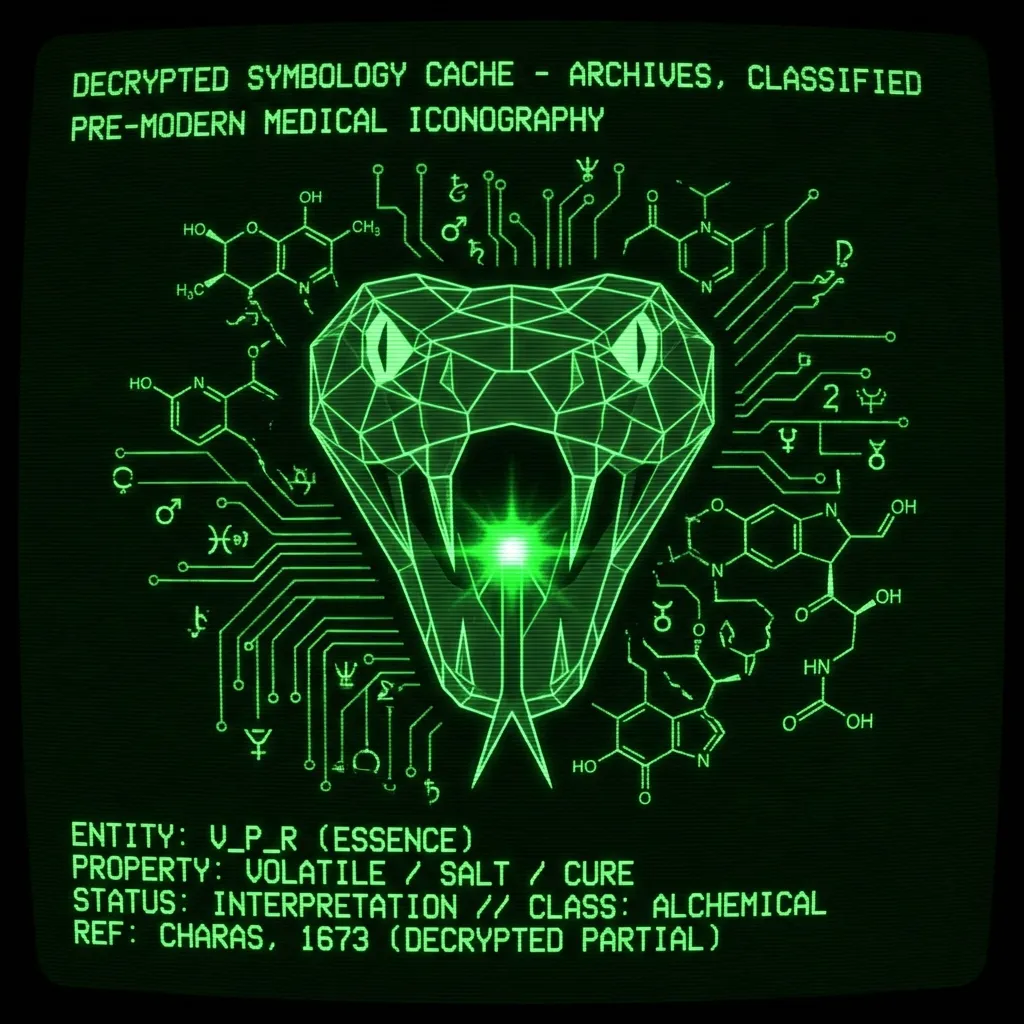
Modernized transcript of Chapter X of Moyse Charas’s 1673 English edition, with brief context and link to the Internet Archive source.
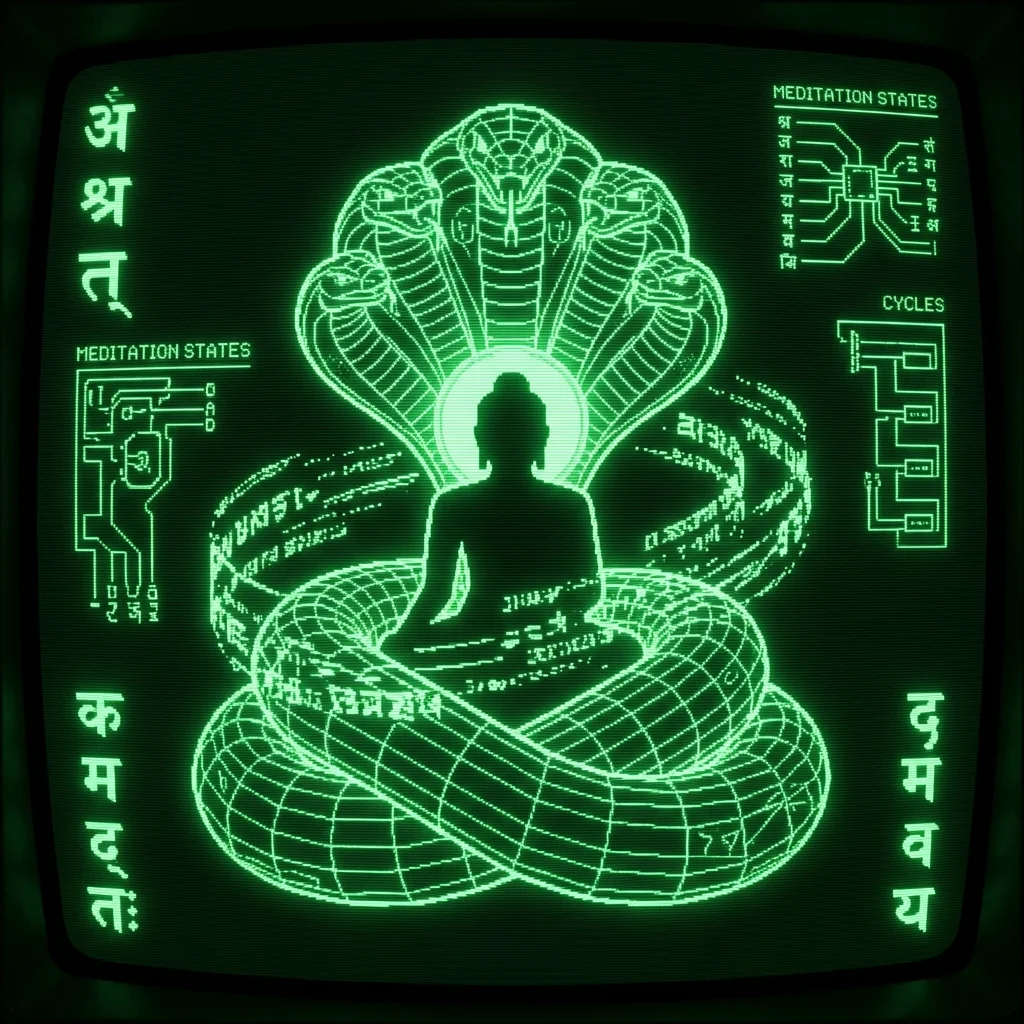
From Paleolithic serpents and female self-making to the Buddha’s deathless: tracing a cultural-blood chain—from Mal’ta to the Ganges—that flowers as Buddhism.
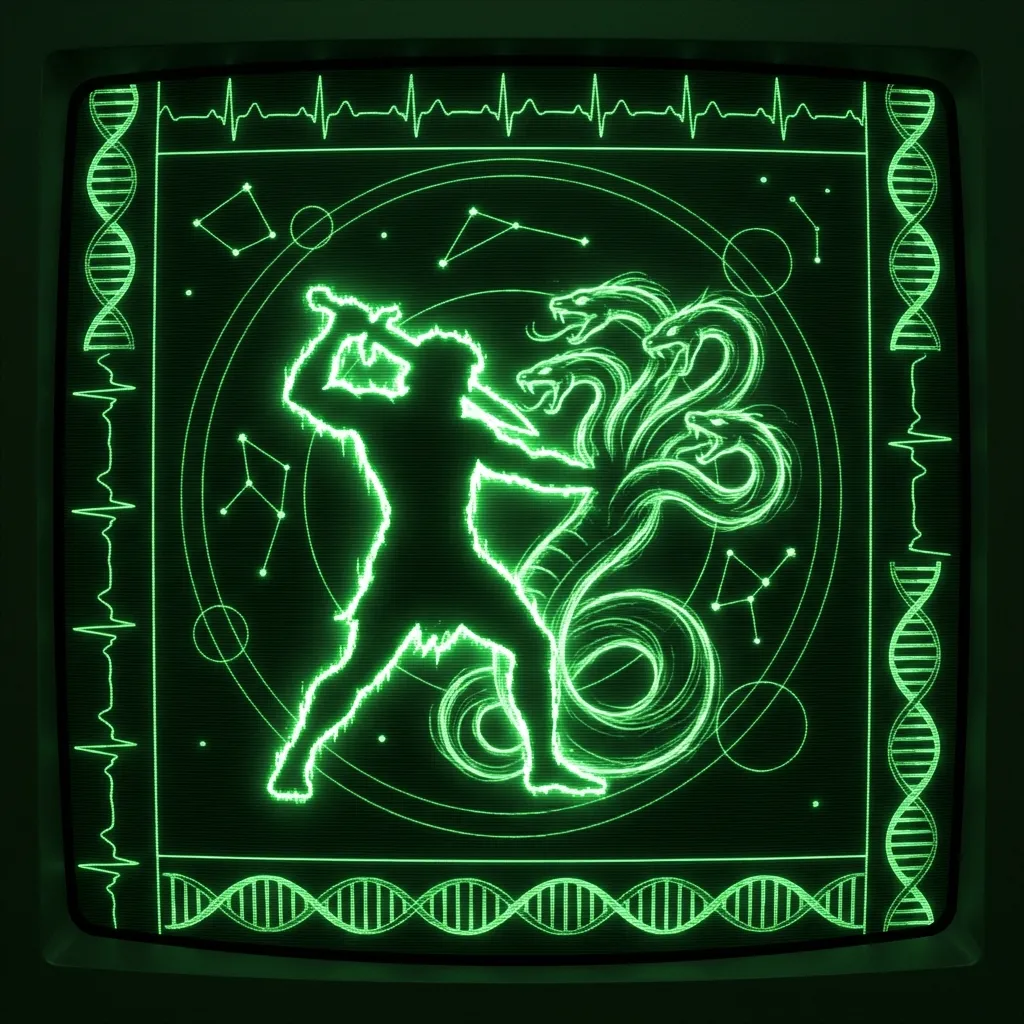
Reading Heracles’ serpent episodes—Hydra, Ladon, Cerberus—as initiatory stations of a pan‑Eurasian ‘Snake Cult of Consciousness,’ with Eleusis as capstone.
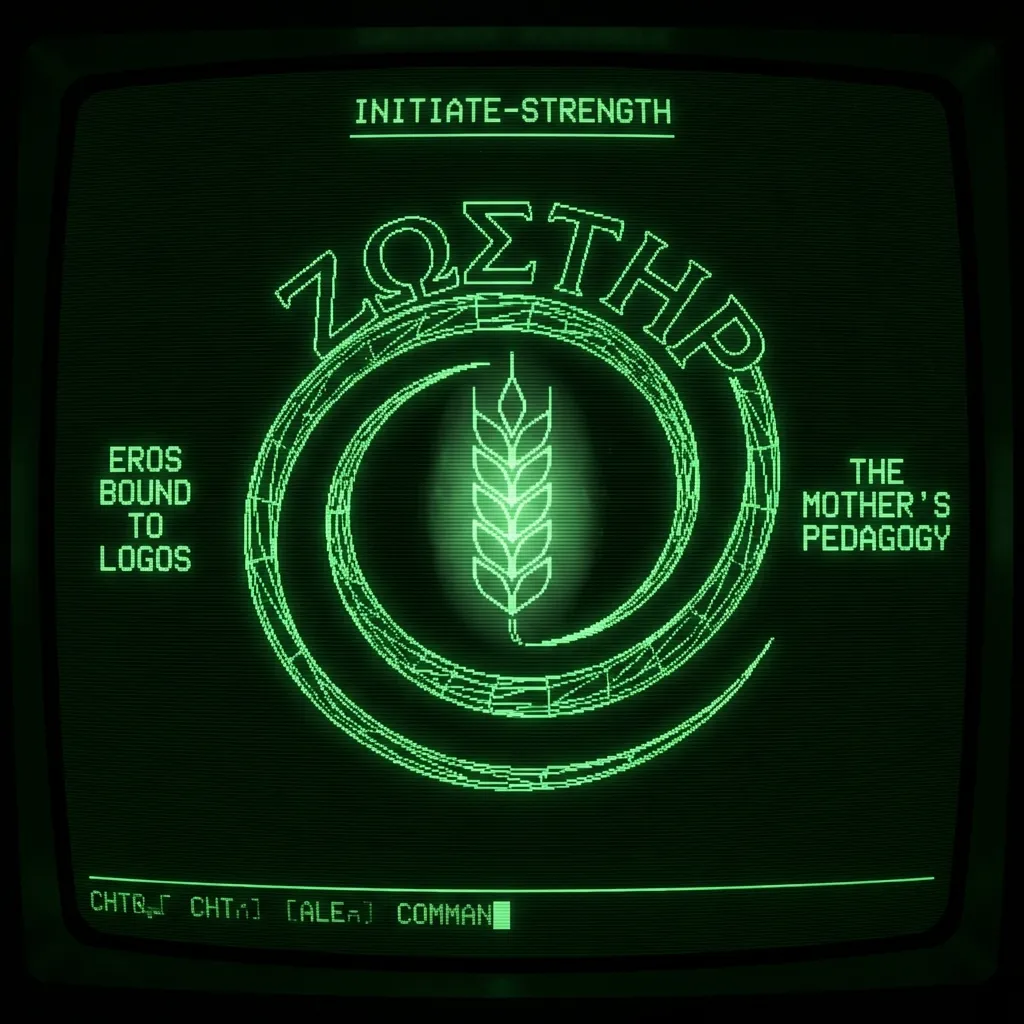
Reading Heracles’ labors—especially Hippolyta’s girdle and the Eleusinian initiation—as ritual memories where male consciousness apprentices to the Great Mother’s sovereignty.

A diffusionist deep dive tracing masked ritual from a single Levantine hearth—stone masks and plastered skulls—to a global grammar of spirit embodiment.
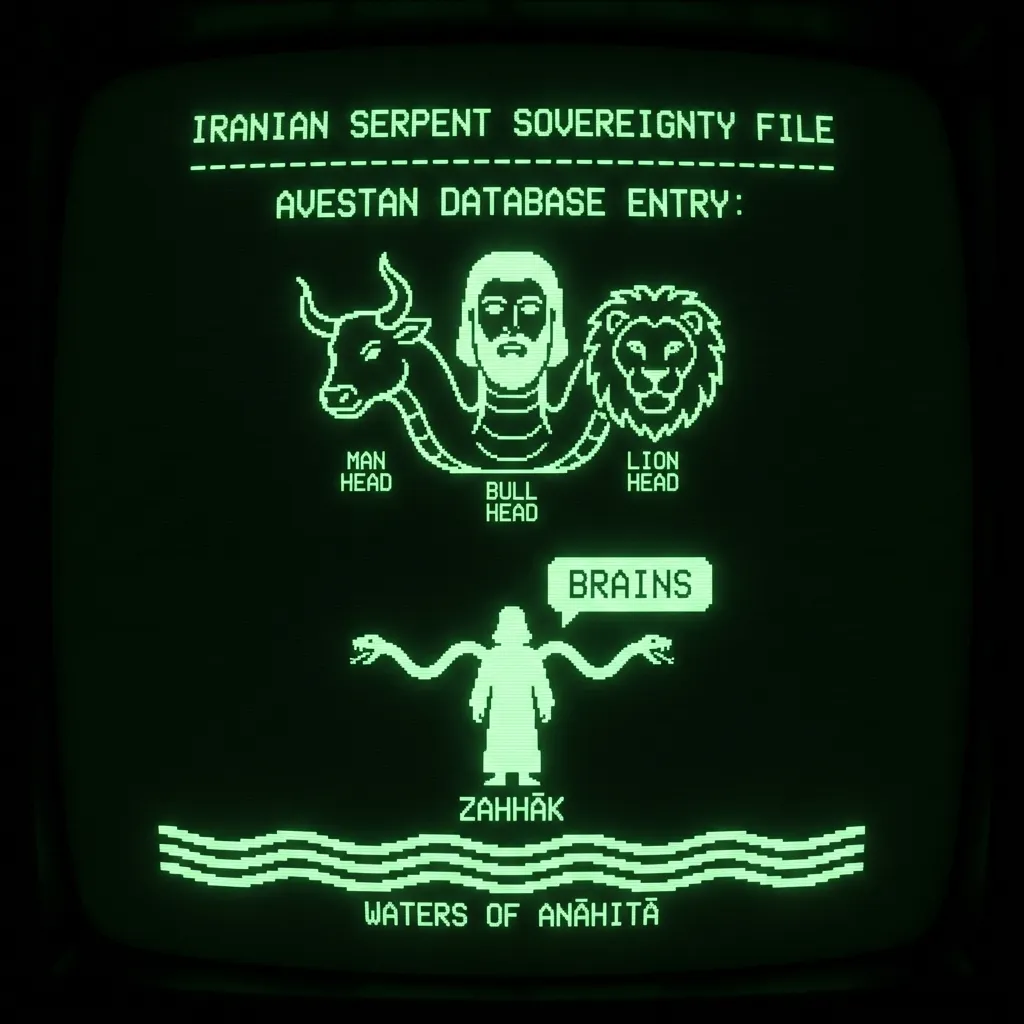
A Persian deep‑dive into serpent myths—Zahhāk to Shahmaran, Anāhitā to Gōčihr—linking archaeology, Avesta, and epic to the Eve/Snake Cult model of consciousness.
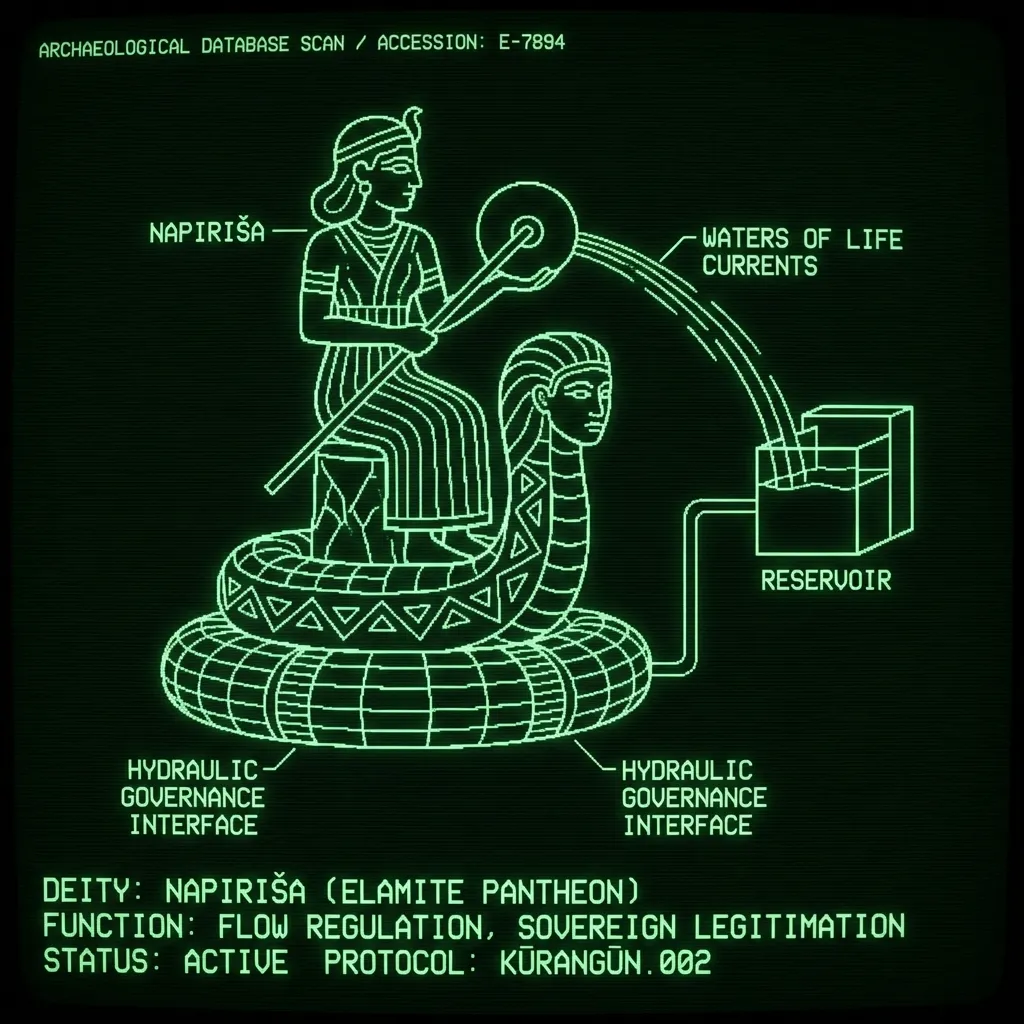
Across the Iranian Plateau, snake imagery worked as a ritual interface for water, time, and sovereignty—keys for Eve Theory and the Snake Cult of Consciousness.
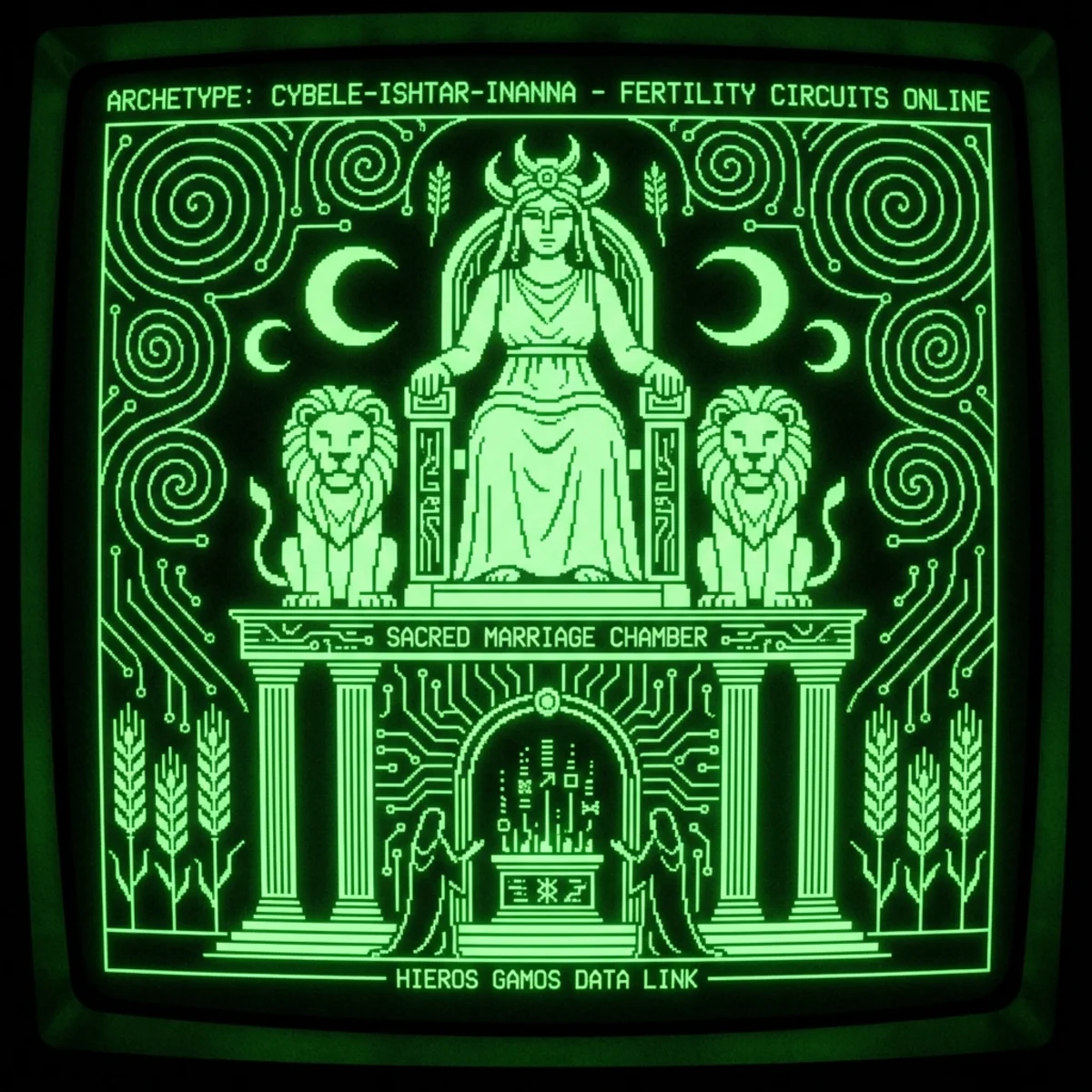
How older scholars stitched the Great Mother to temple sexuality—through hieros gamos, consecrated personnel, and fertility rites—using Greek, Near Eastern, and Roman evidence.
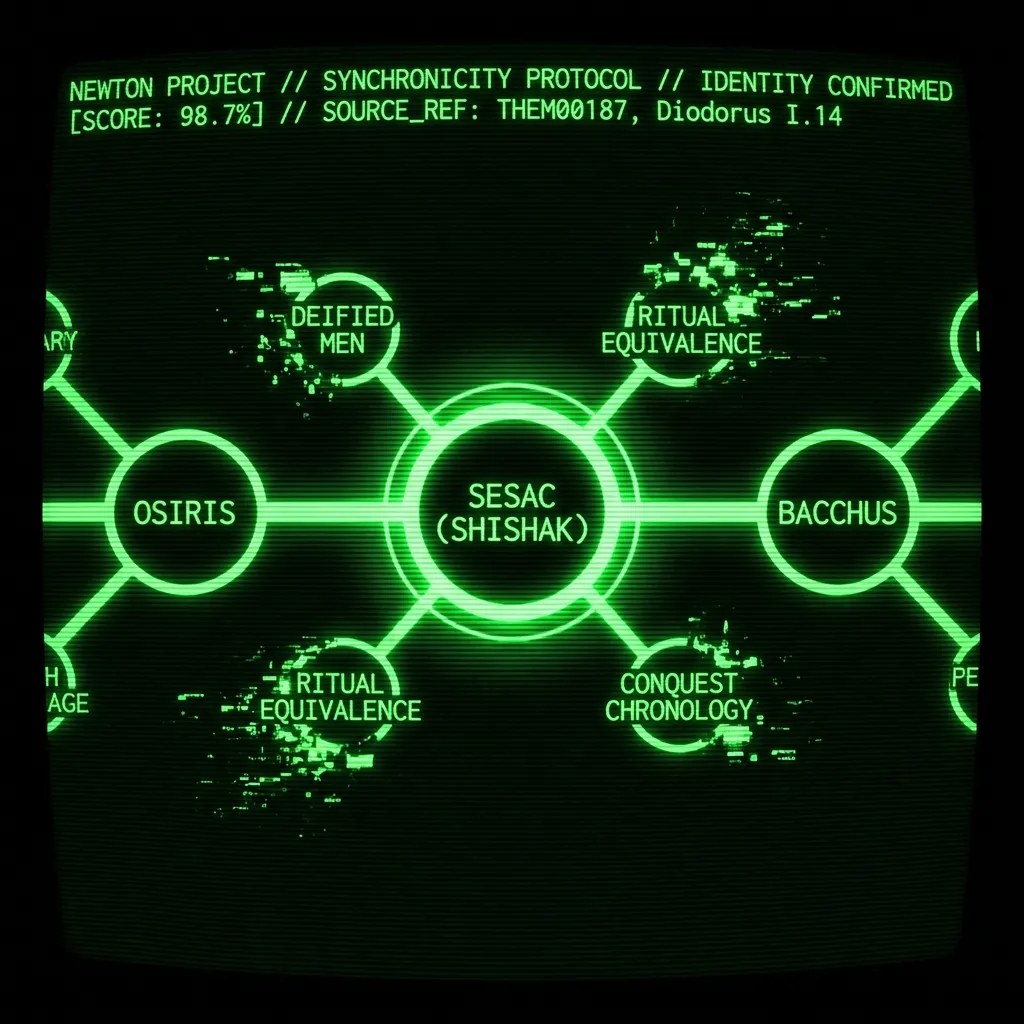
Newton’s euhemerist move: why he equates Dionysus/Bacchus with Osiris and the historical Egyptian king Sesac (a.k.a. Sesostris/Shishak), and how Bacchic rites mirror Osirian cult.