Tracing the journey from 1910s snake venom injections for epilepsy to today’s venom-derived ion channel modulators for treating seizures and pain.
Cobra Venom and Epilepsy: From 1910 Reports to Ion Channels
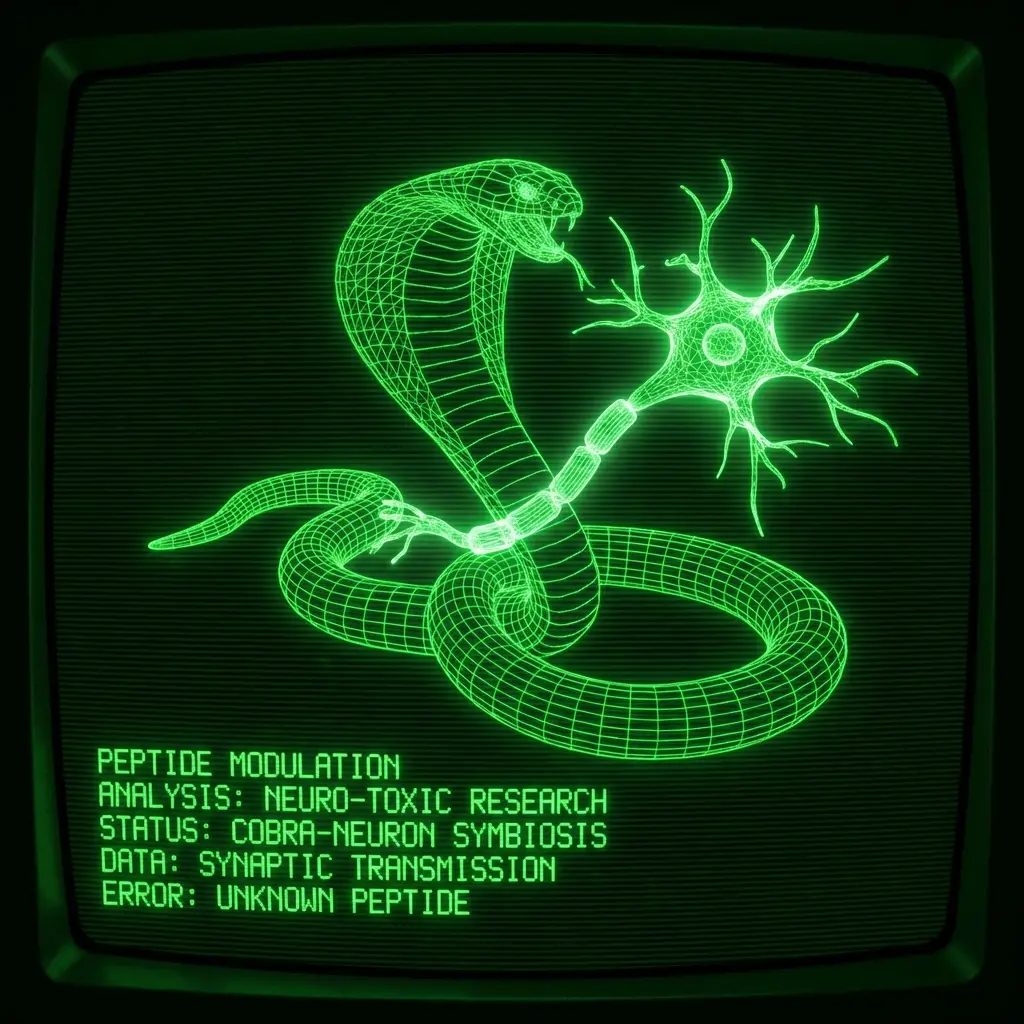
Tracing the journey from 1910s snake venom injections for epilepsy to today’s venom-derived ion channel modulators for treating seizures and pain.
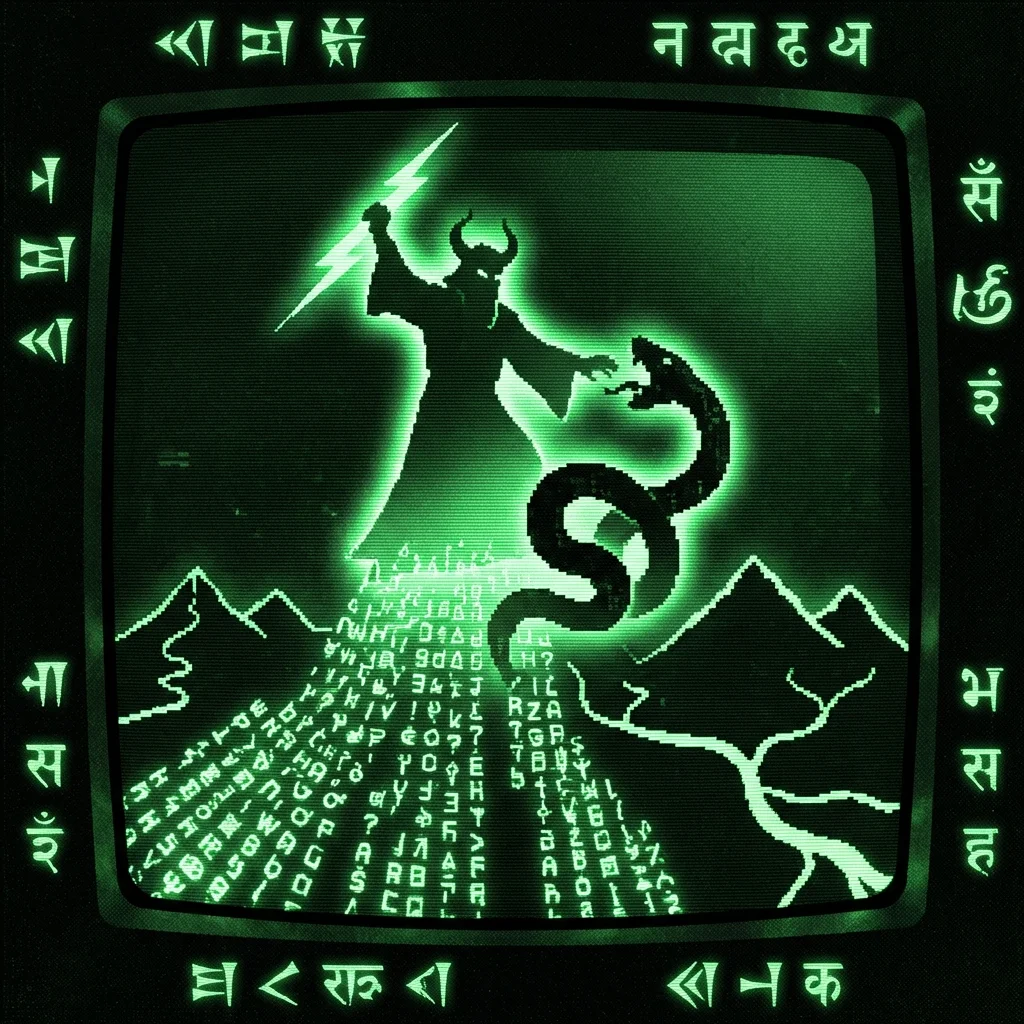
Do dragon-slaying and flood-control myths encode a deep, Paleolithic schema about taming water? Comparative myth + paleoclimate with testable predictions.
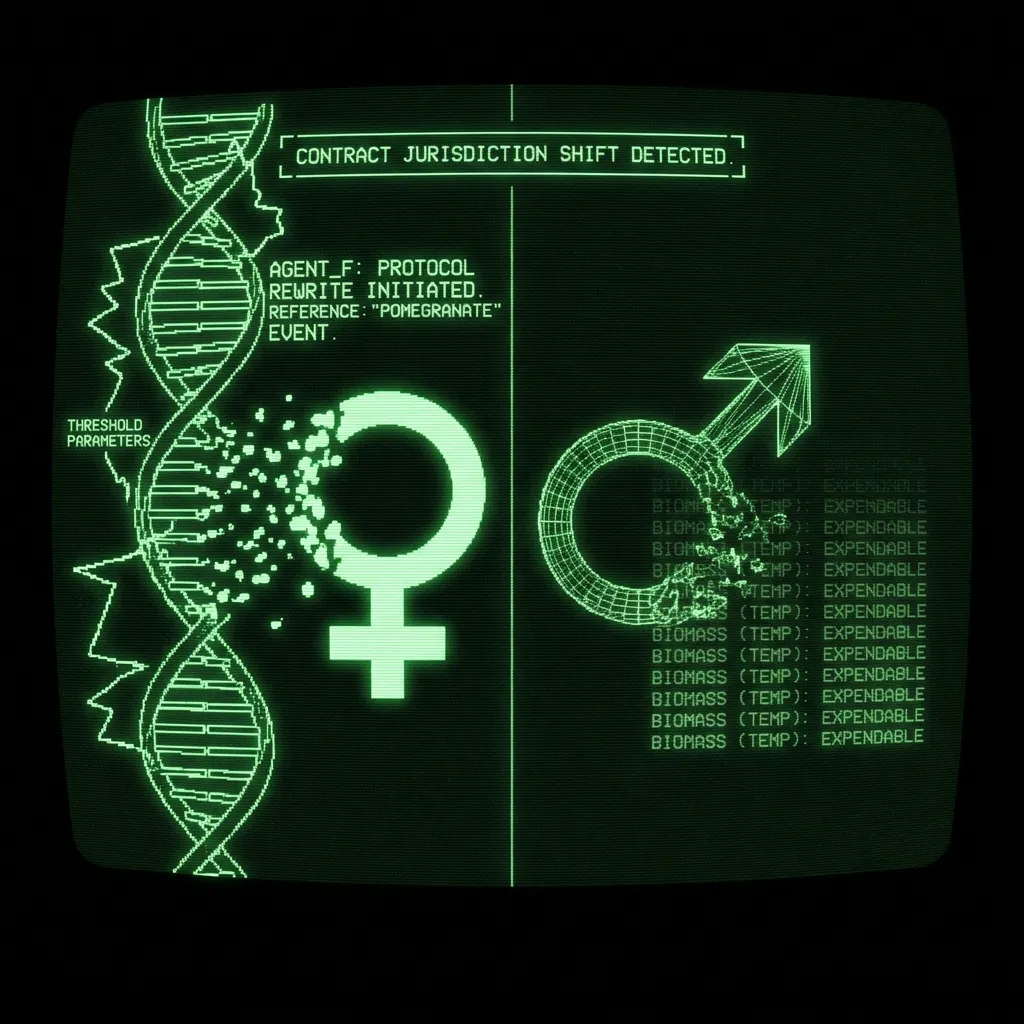
A sharp comparison of Inanna, Persephone, and Xquic with Dumuzi, Adonis, Osiris, and Telepinu—pinpointing which ritual and seasonal functions specifically track female agency.

EToC and Suddendorf–Corballis converge: human recursion and autonoetic time-travel coalesced over the last 100k years, leaving archaeological and mythic fingerprints.
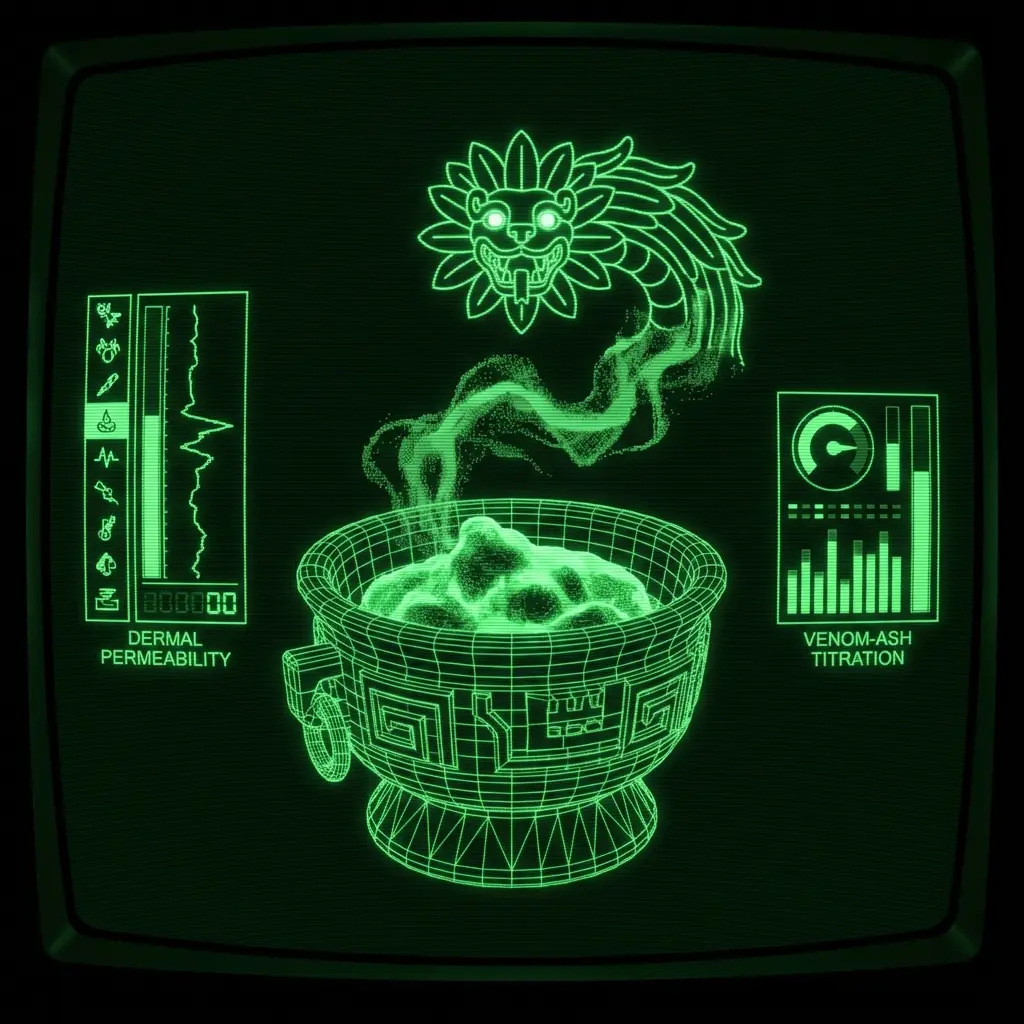
Reconstructing teotlaqualli as a skin-delivered entheogen—tobacco, ololiuhqui, and ‘venom-ash’—with testable pharmacology grounded in Nahua sources and modern dermal science.
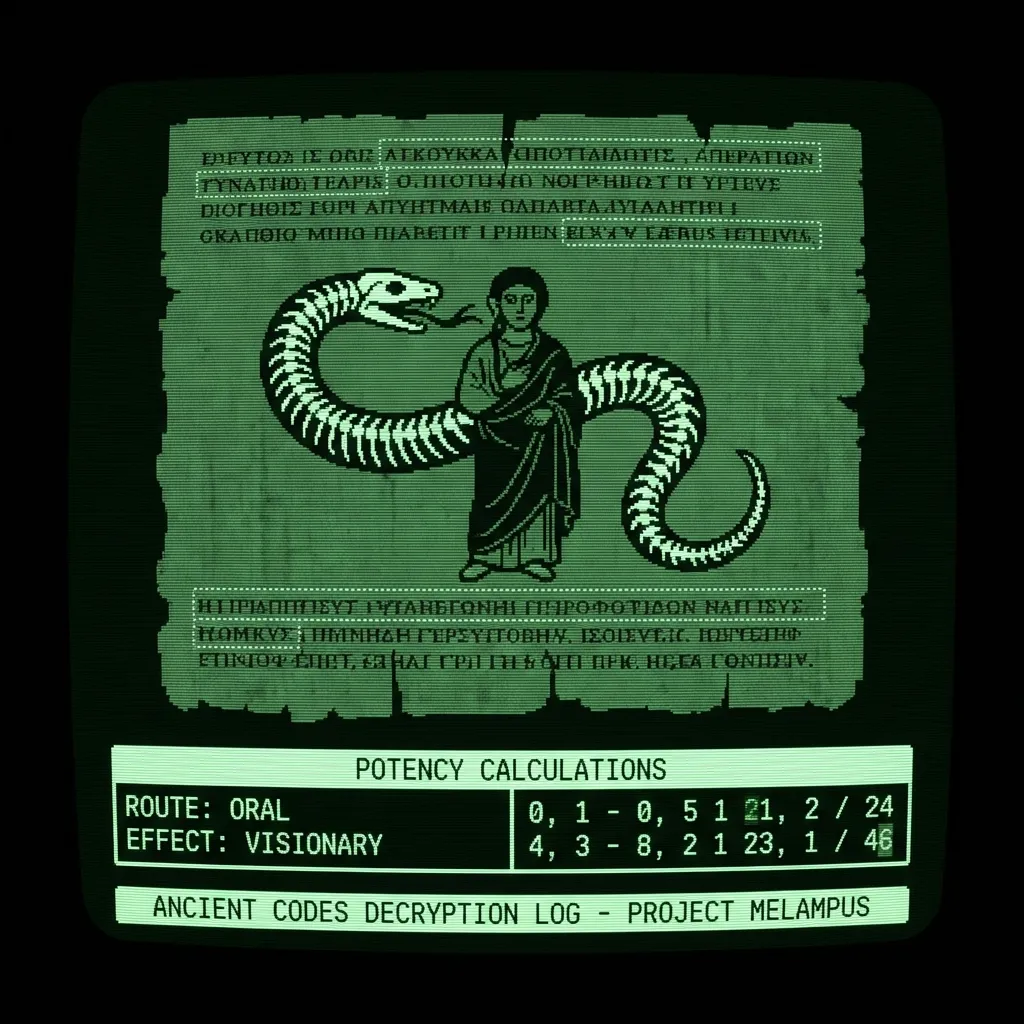
Survey of textual clues and modern hypotheses that ancient mystery cults may have used snake venom in controlled rites, with sources and cautions.
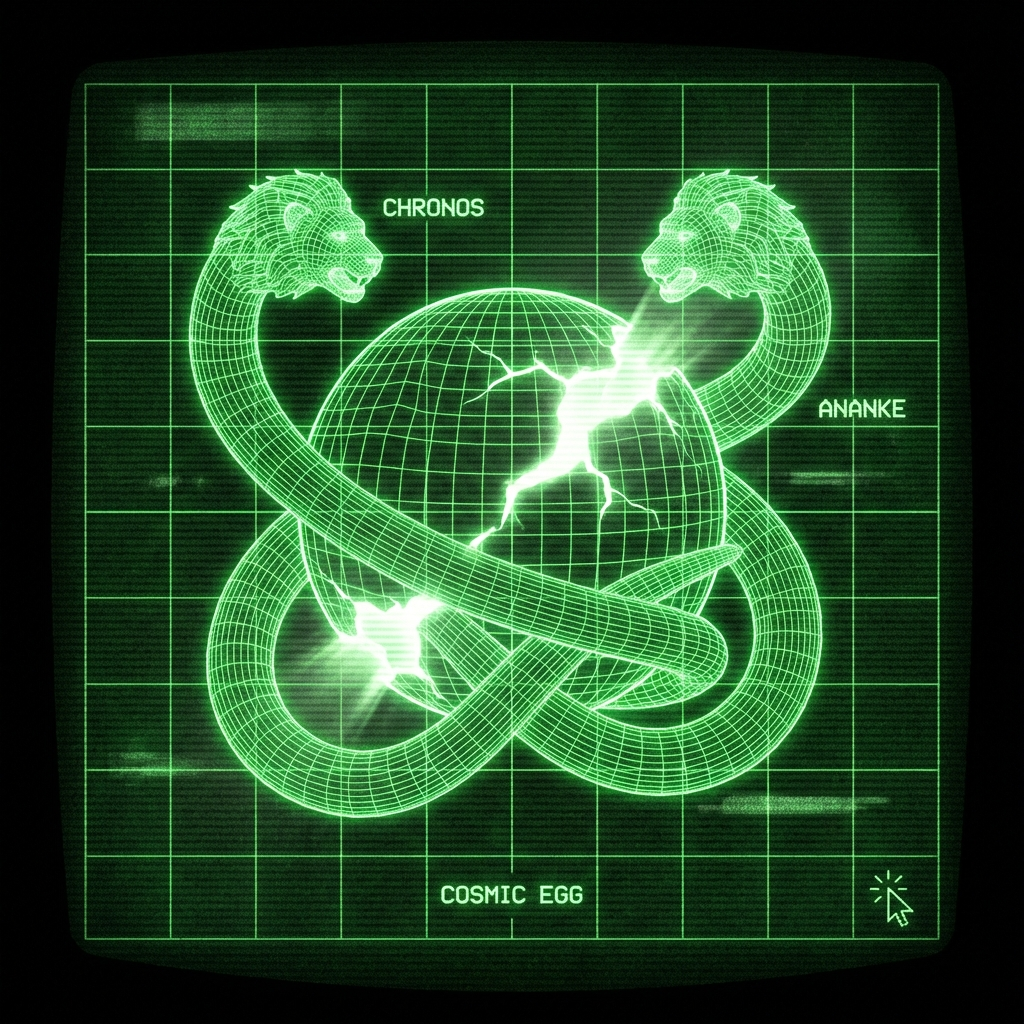
A crisp, source-heavy comparison of world‑egg cosmogonies and their serpent binders—Orphic, Vedic, Chinese, Finnish—to test whether a deeper shared structure sits beneath the oviform surface.
Bristol’s late-15th-century hunts for the phantom isle “Brasil”: what the sources say, what they imply, and how rumor primed England’s leap across the Atlantic.
Ancient North Eurasians: who they were, what their Ice Age culture looked like, and how far their genes and cultural innovations reach today.
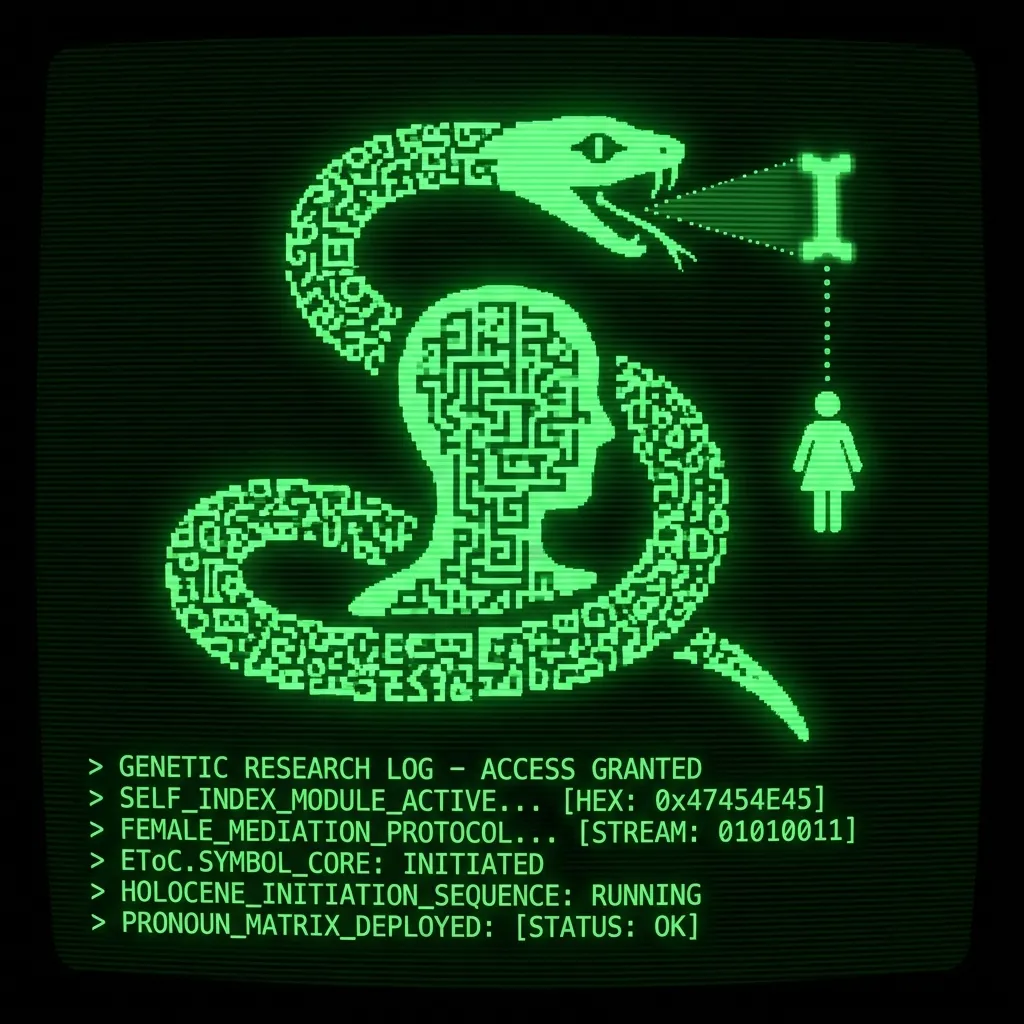
A two-stage account of consciousness: language and stories coalesce ~60 ka; the narrative ‘I’ emerges in the Holocene via women-led serpent ritual networks and pronoun tech.