Analysis of the Meru (Kenya) creation myth resembling the biblical Fall, comparing motifs (forbidden tree, serpent, lost immortality) with Afro-Eurasian parallels.
The “Fall” in Meru Mythology and Its Afro-Eurasian Parallels
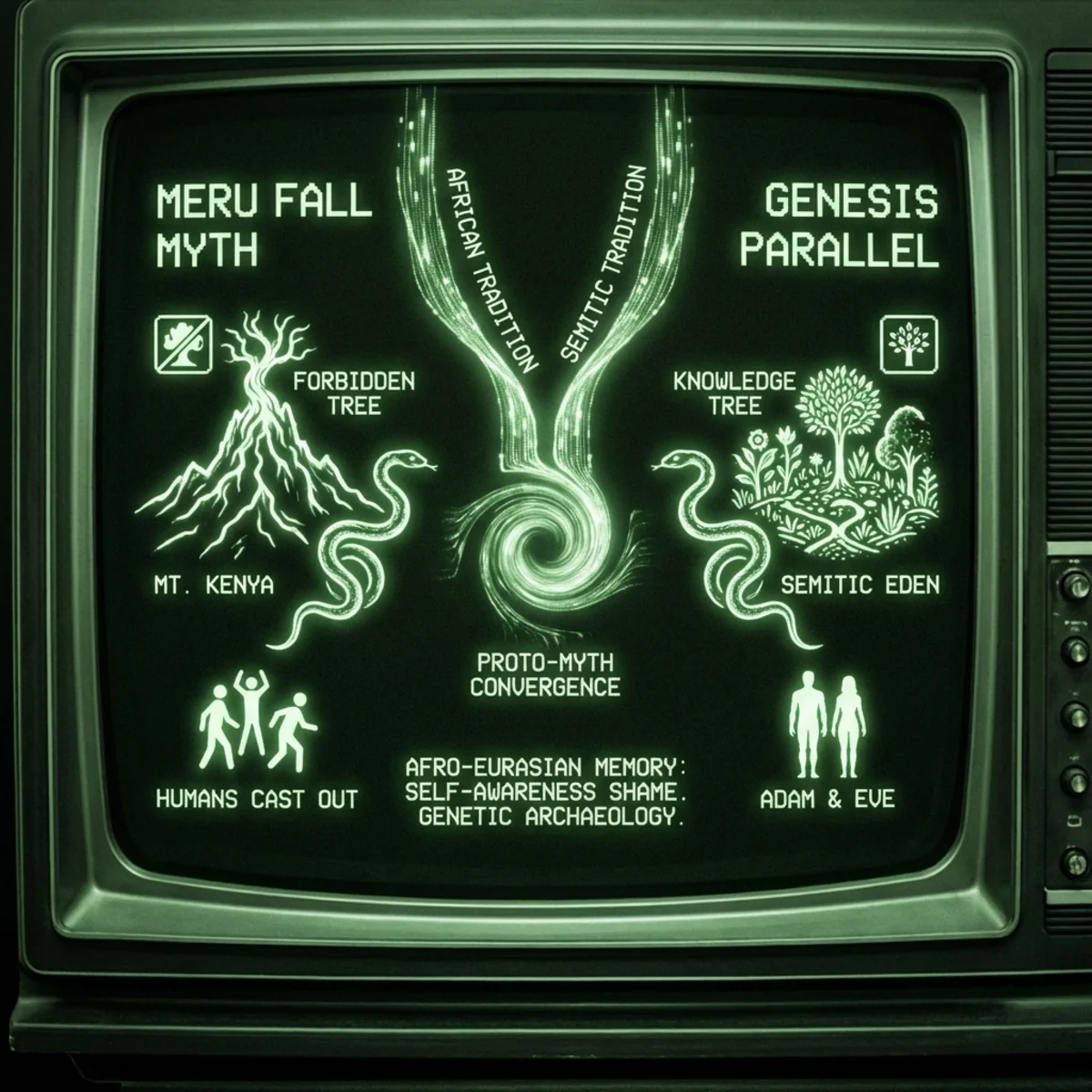
Analysis of the Meru (Kenya) creation myth resembling the biblical Fall, comparing motifs (forbidden tree, serpent, lost immortality) with Afro-Eurasian parallels.
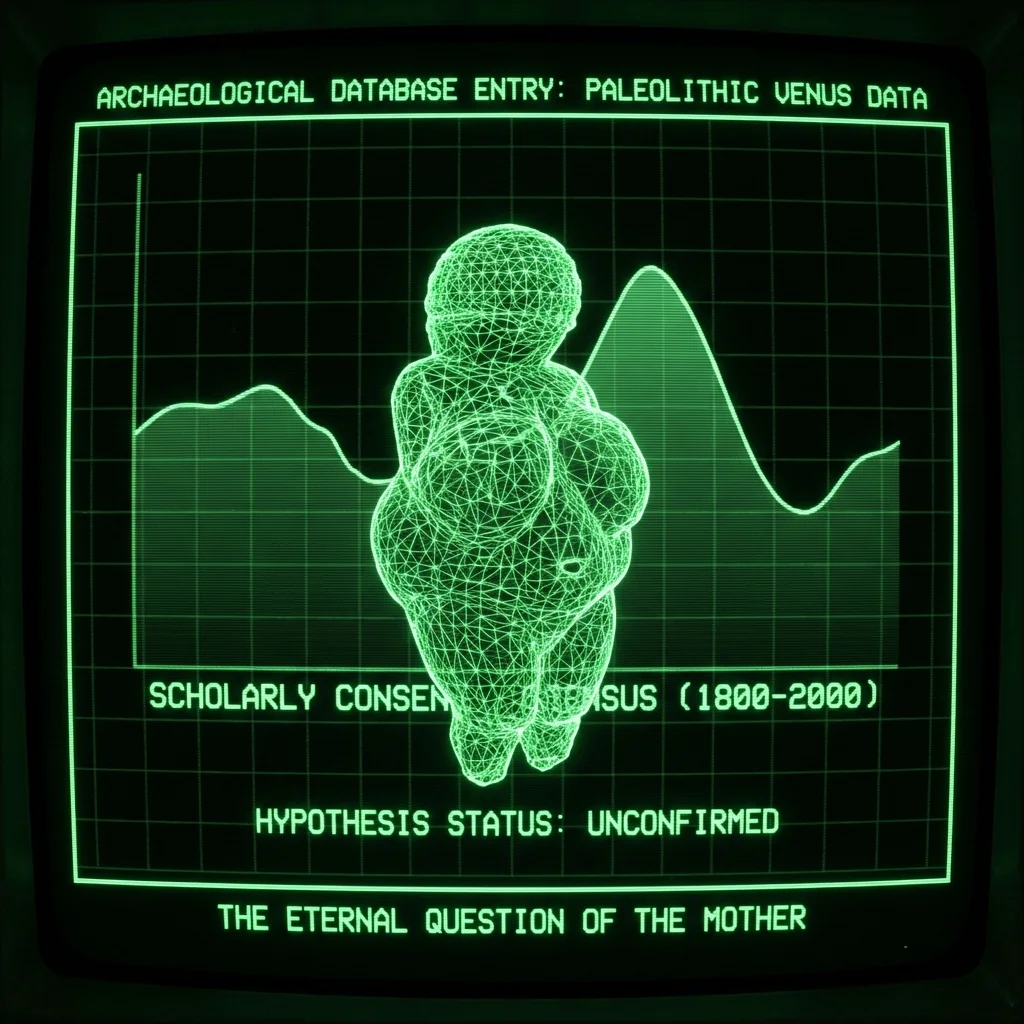
Examines the historical and anthropological debate surrounding the concept of primordial matriarchy, from Bachofen’s theories to modern critiques and evidence.
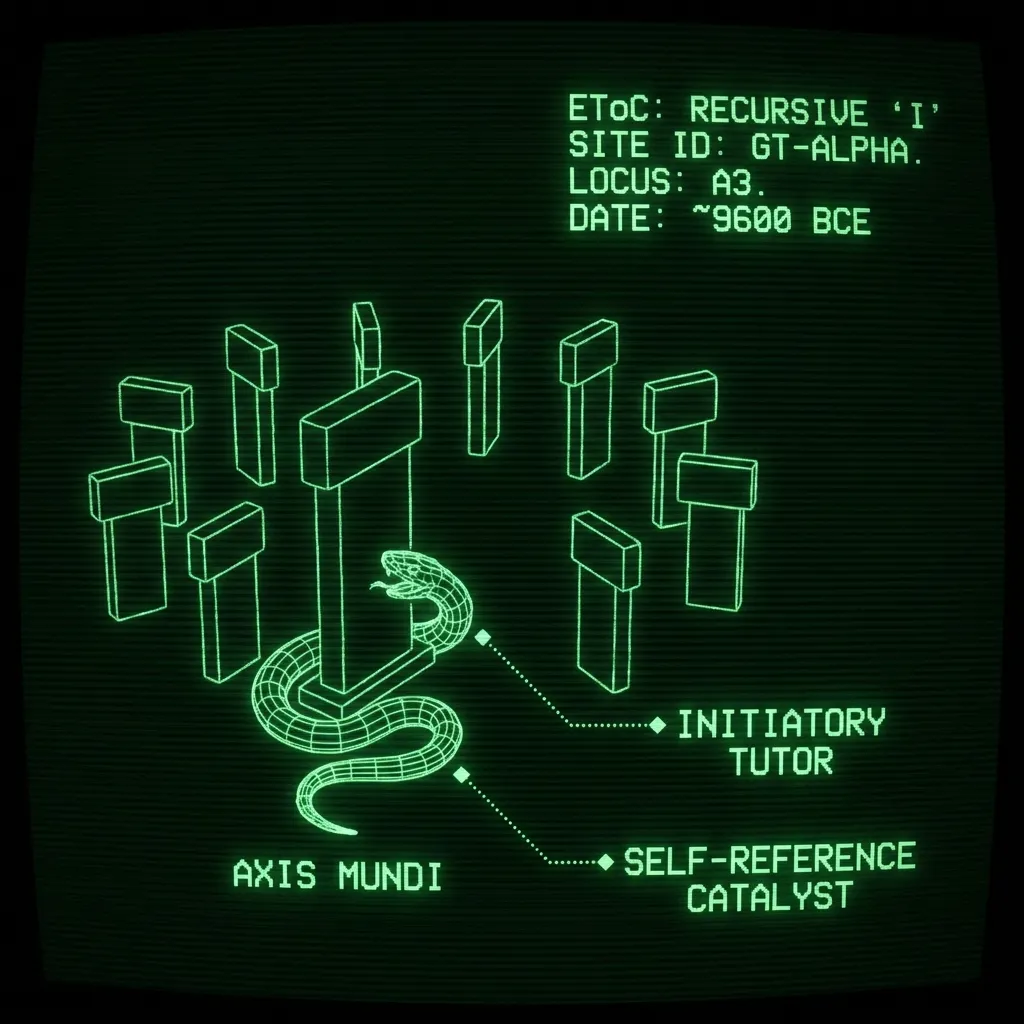
From Eden through John’s Logos and Gnostic counter-myths to global ‘hanged-god’ rites, this essay reconstructs how reflexive consciousness emerged, iterated, and finally theorised itself.
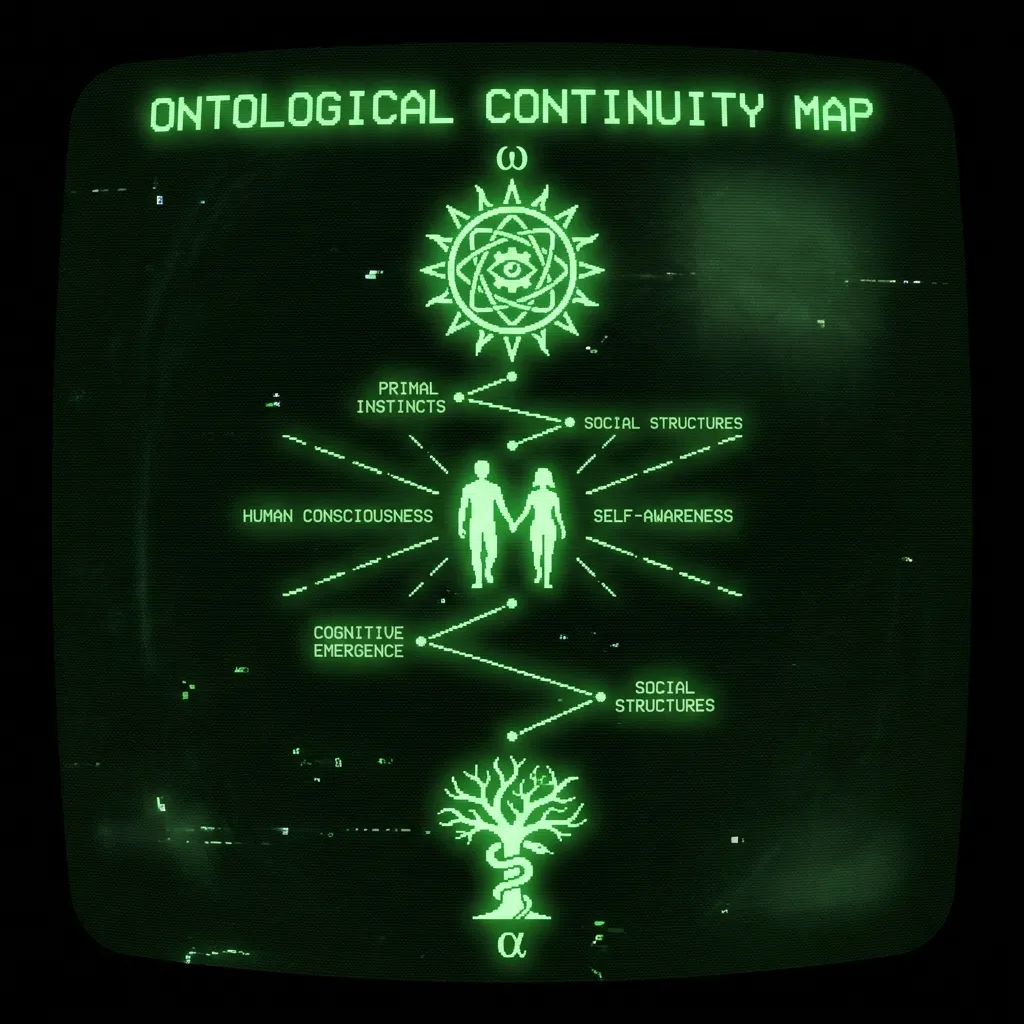
Exploring the evolution of self awareness through Genesis, John’s Logos, Gnosticism, and sacrificial myths, linking the Edenic serpent to Christ and the birth of the conscious self.
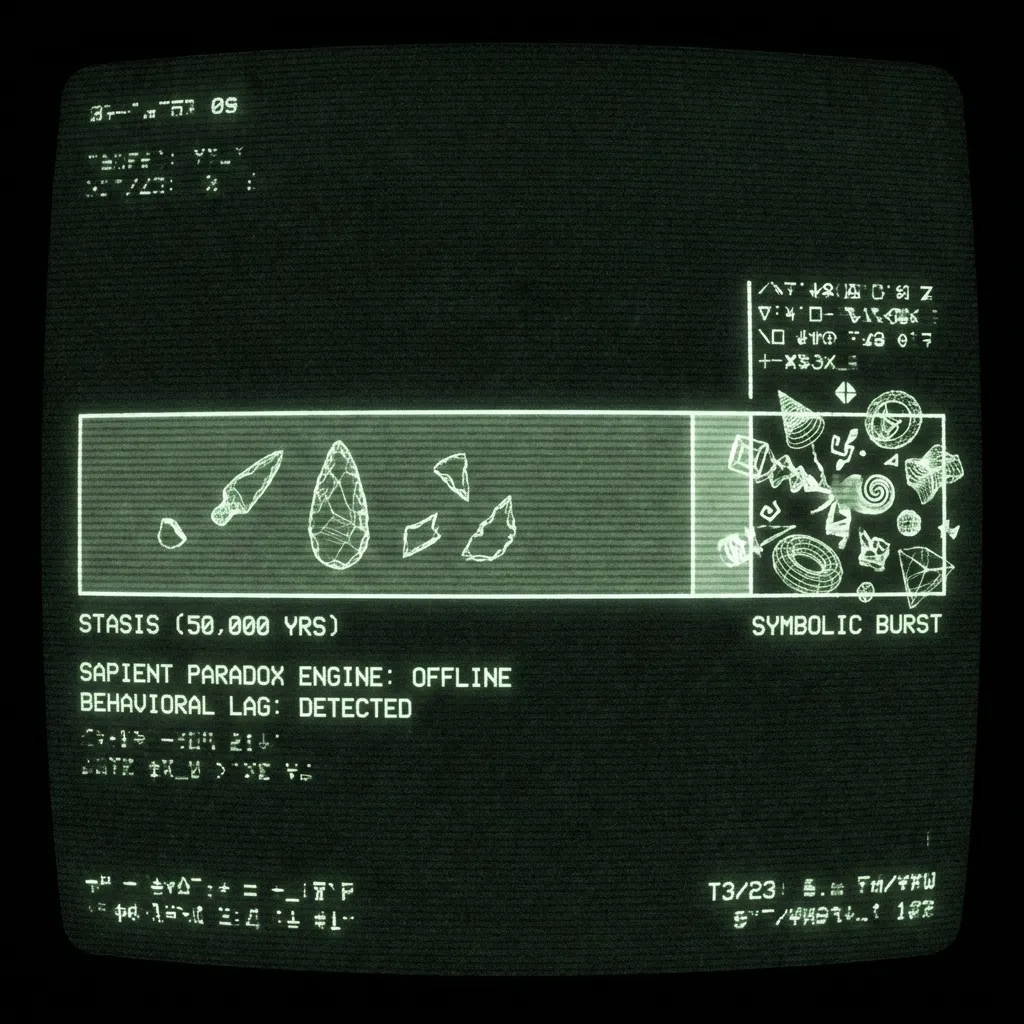
Examining the archaeological record of Australia (Sahul) – early colonization, persistent simple technologies, late emergence of complex art – as a key case study supporting the Sapient Paradox and the late development of behavioral modernity.
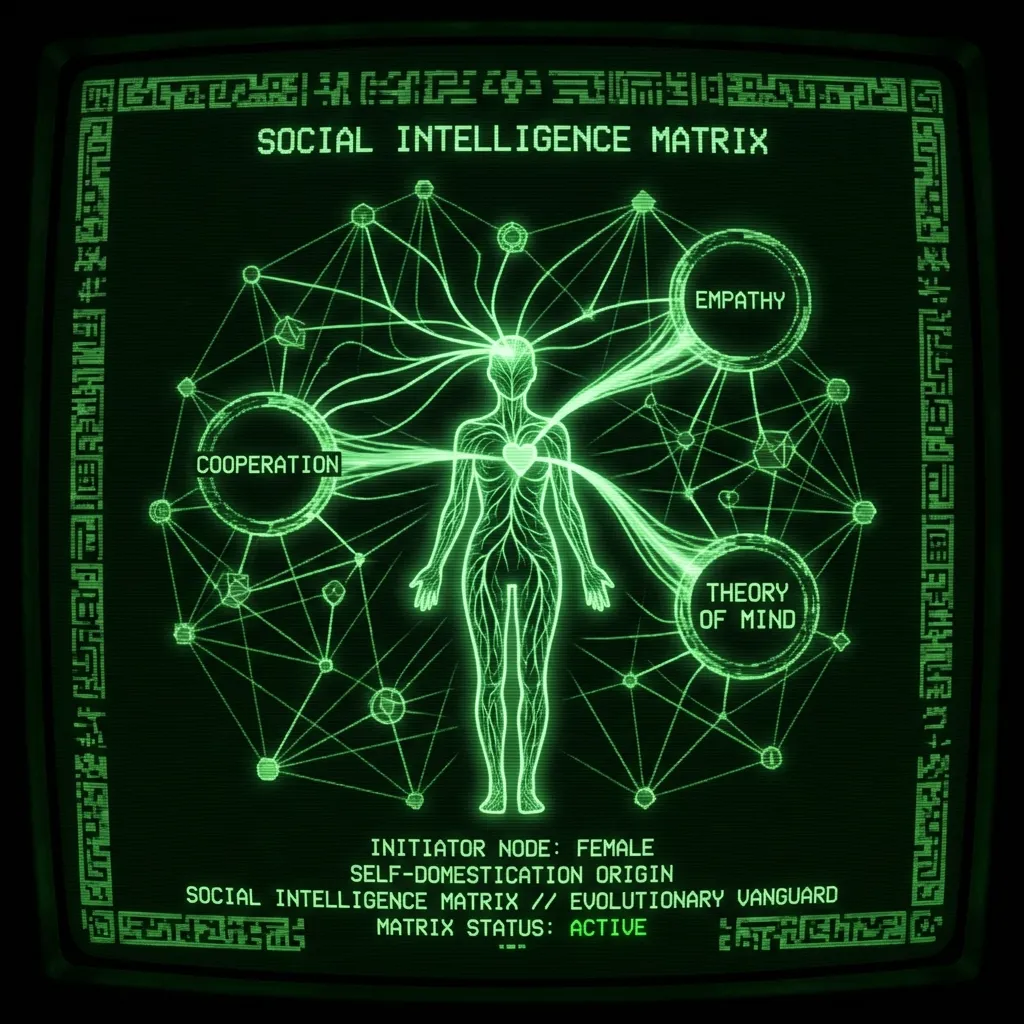
Examines the evolutionary hypothesis that female-led selection pressures for social intelligence and self-domestication placed women at the vanguard of human evolution.
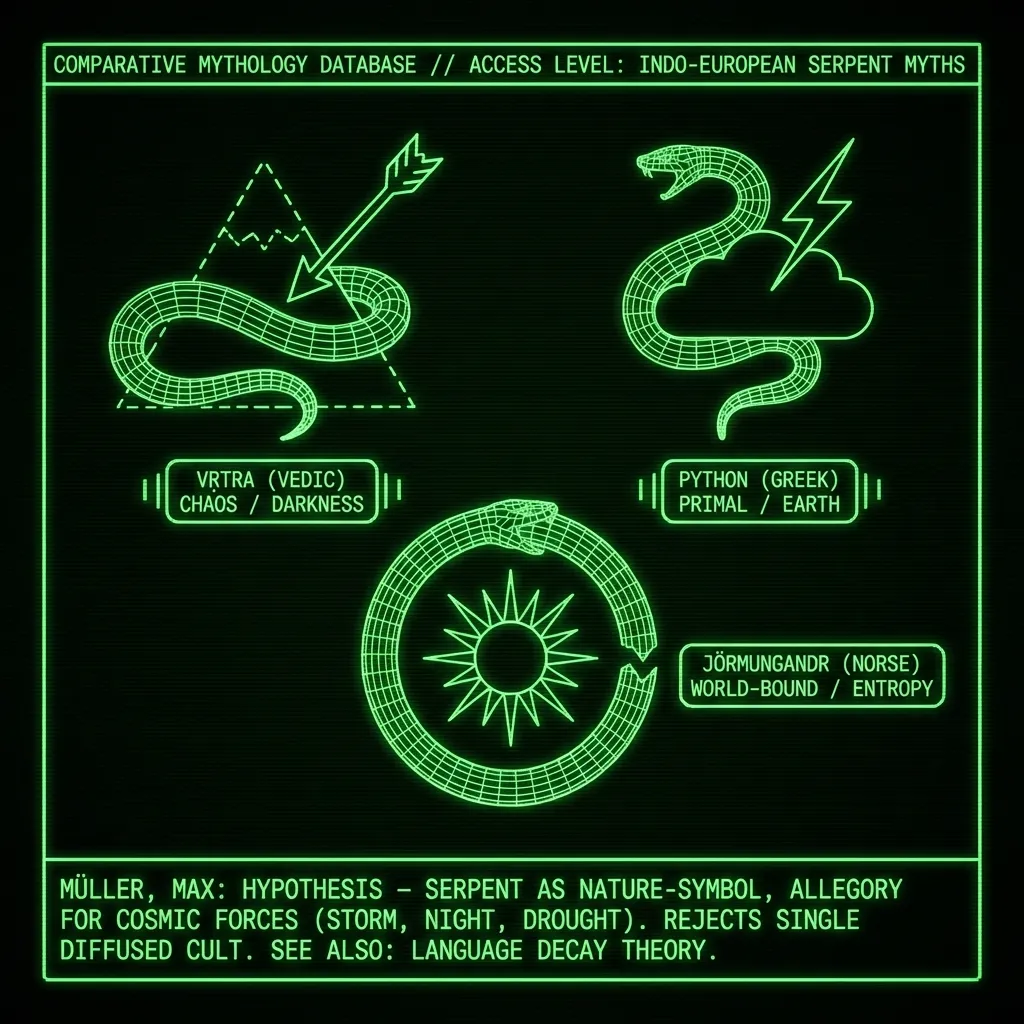
Analyzing Max Müller’s 19th-century work on serpent worship, focusing on his identification of serpent symbolism in Vedic and Indo-European traditions and comparing his findings with global serpent myths relevant to the Snake Cult hypothesis.
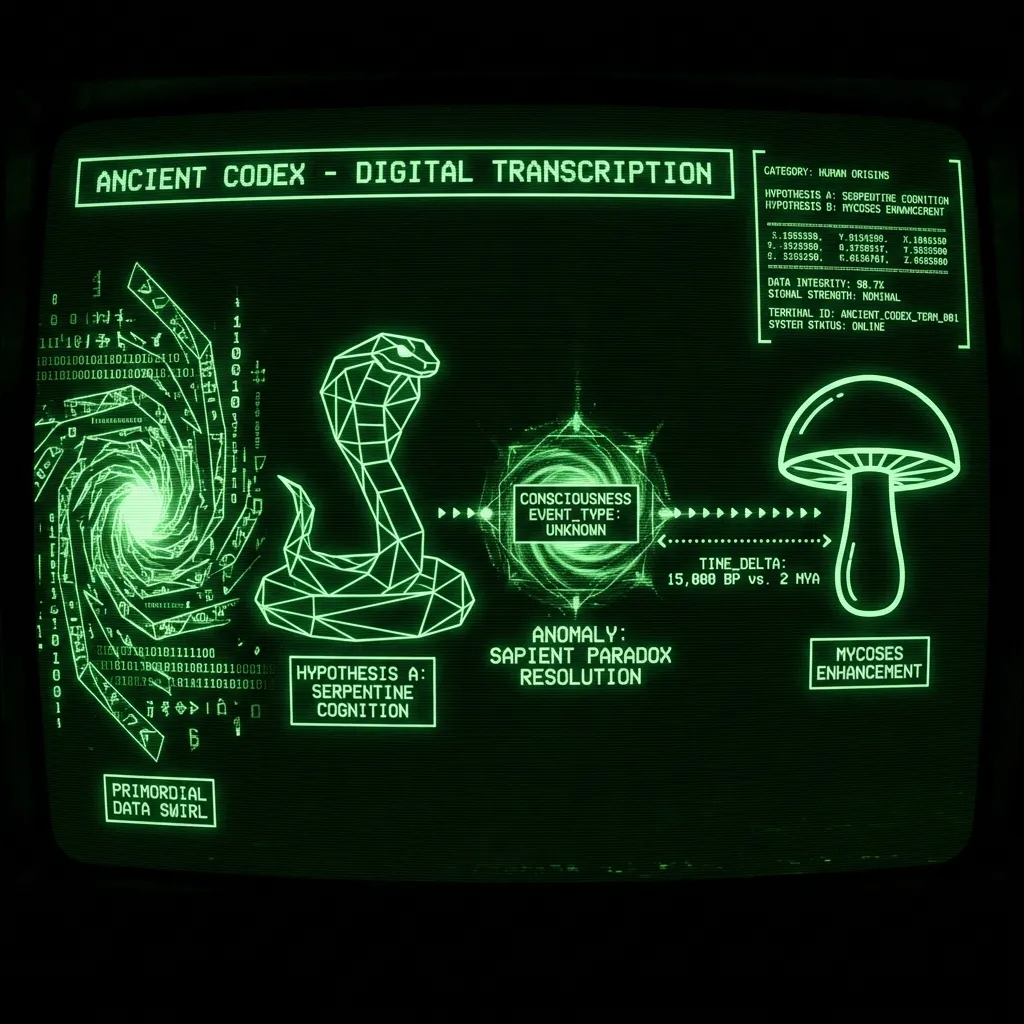
An exploration of two theories on the origins of human consciousness: the Snake Cult/Eve Theory (snake venom) versus the Stoned Ape Theory (psilocybin mushrooms).
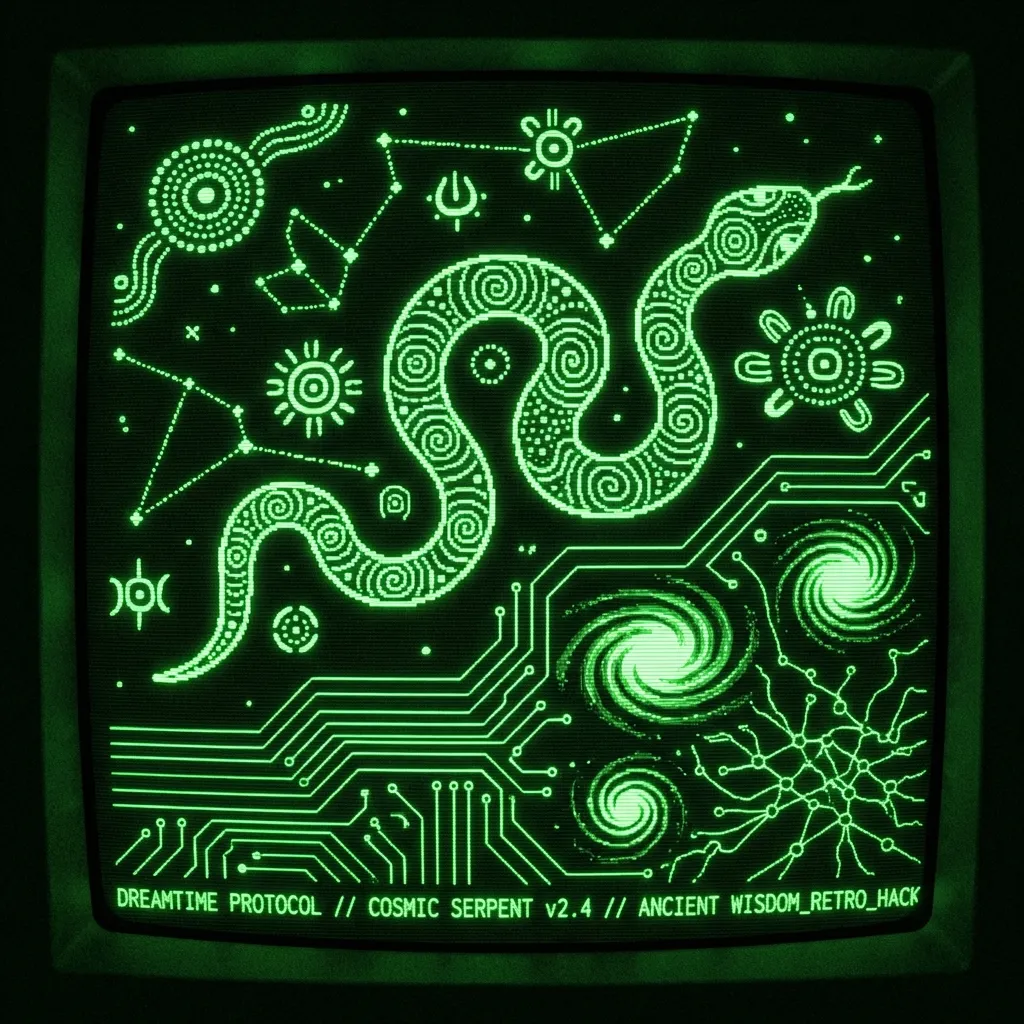
Comparison of the early Holocene emergence of the Aboriginal Dreamtime symbolic system with the Near East’s Neolithic ‘revolution of symbols,’ examining Australian rock art, technology, exchange networks, language diffusion, and cognitive impacts.
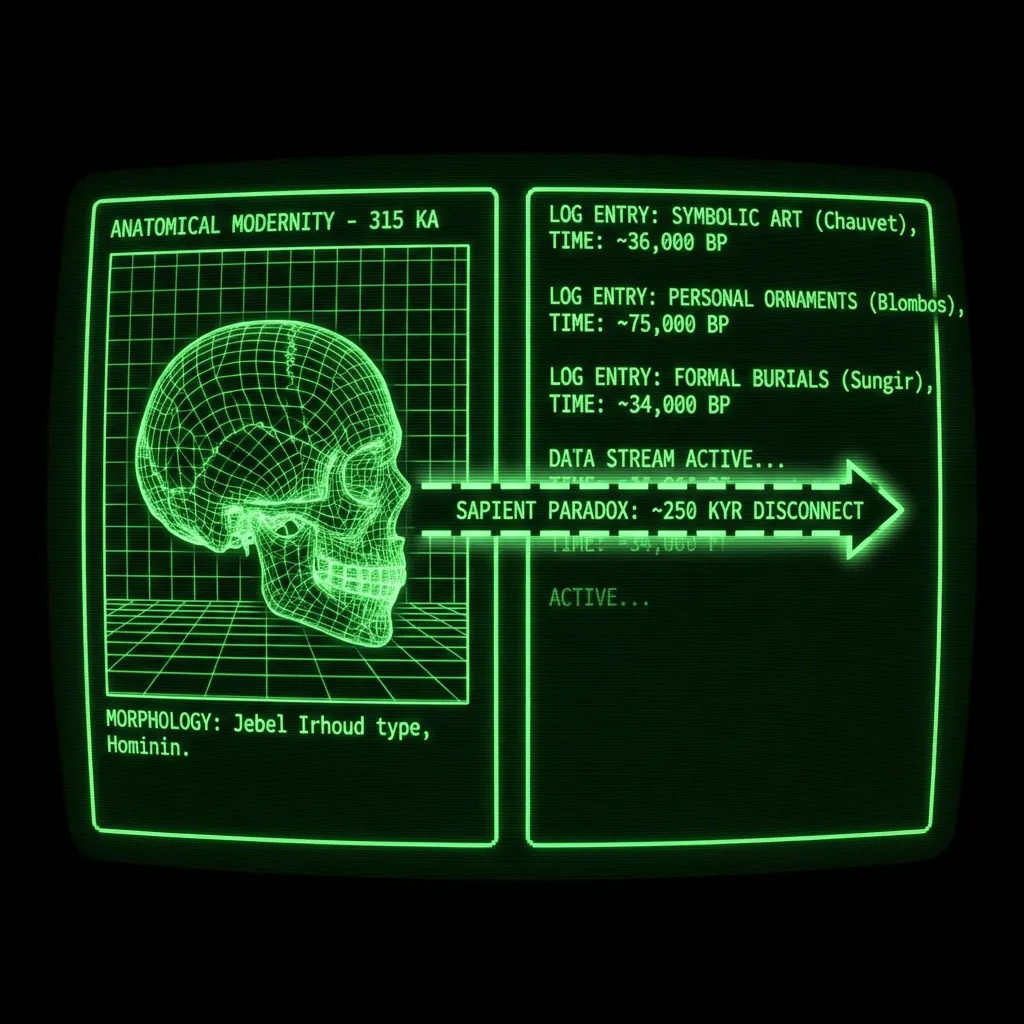
A concise overview of the Sapient Paradox – the puzzling gap between when anatomically modern humans appeared and when behaviorally modern traits (like art, complex tools, symbolism) emerged.