A comprehensive review of how the X chromosome influences human brain development, cognitive function, and neurological disorders.
The X Chromosome and Human Cognition
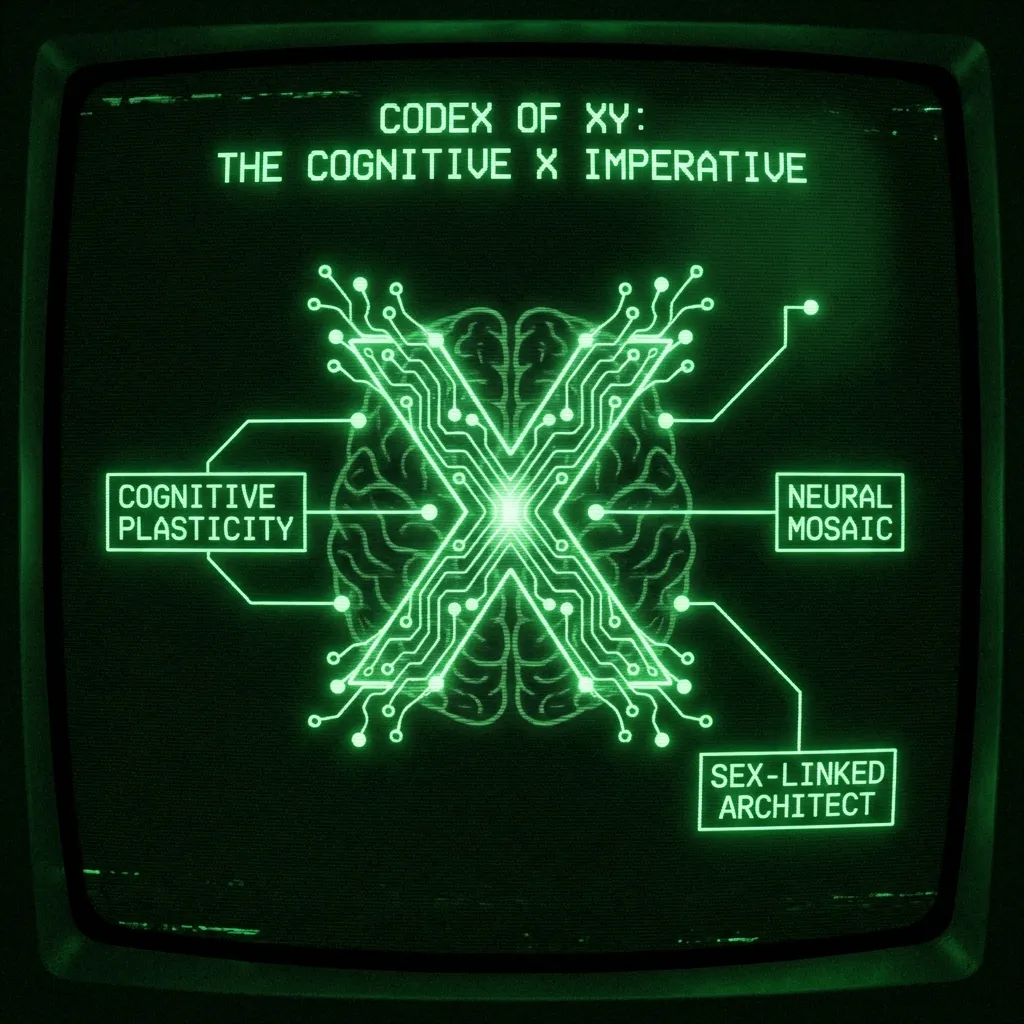
A comprehensive review of how the X chromosome influences human brain development, cognitive function, and neurological disorders.
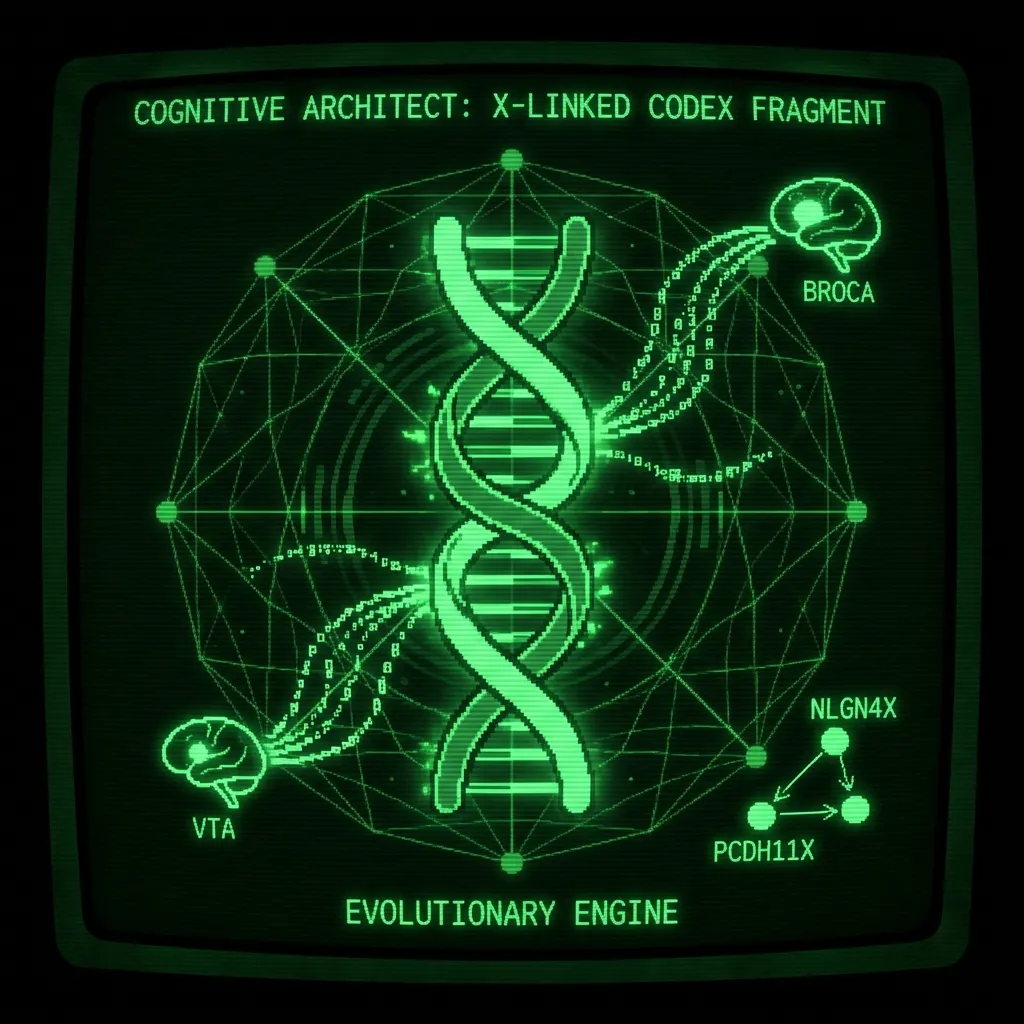
How recent sweeps, dosage compensation, and X-linked disorders reveal the chromosome’s outsized role in human brain evolution and sex-biased cognition.
How X-linked gene dosage, inactivation escape, and imprinting sculpt human brain development, intelligence, and social behavior.
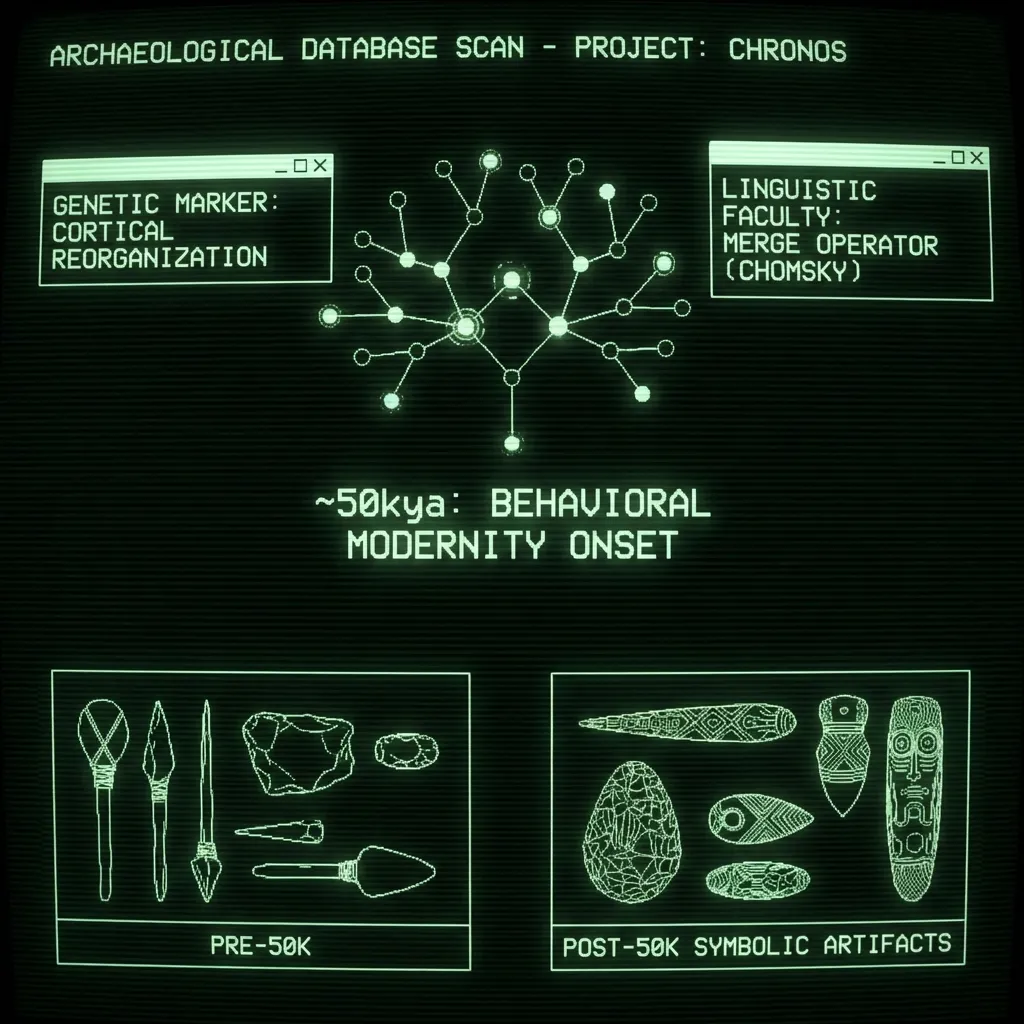
Guide to seven leading theories of the Upper Paleolithic cognitive revolution—what changed, when it happened, and why it sparked modern human behavior.

Darwin’s views on the rapid pace of human evolution, driven by gene-culture interaction, reputation, language, and social institutions.

Survey of the swastika’s ancient global presence and theories (diffusion vs. independent invention) explaining its origins and spread.

A comprehensive historical analysis of claims that Phoenician sailors reached the Americas before Columbus, examining evidence and scholarly debate from classical antiquity to modern times.

Comparative analysis of Eurasian ‘fall from grace’ myths suggesting a common proto-myth originating in the Paleolithic or early Holocene.
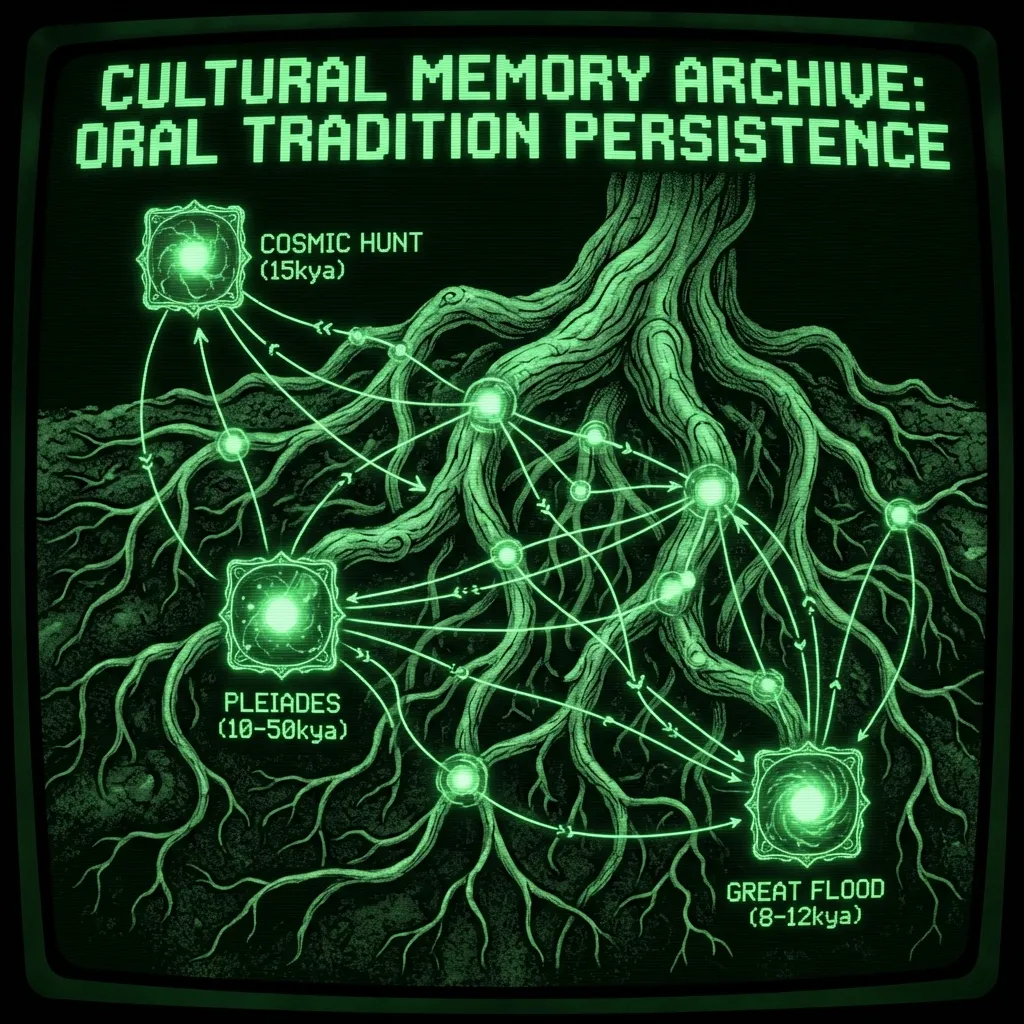
Examines the surprising stability of mythic motifs over millennia, suggesting myths like the Cosmic Hunt or Serpent symbolism could encode memories of real cognitive shifts, supporting the Eve Theory’s timeframe.
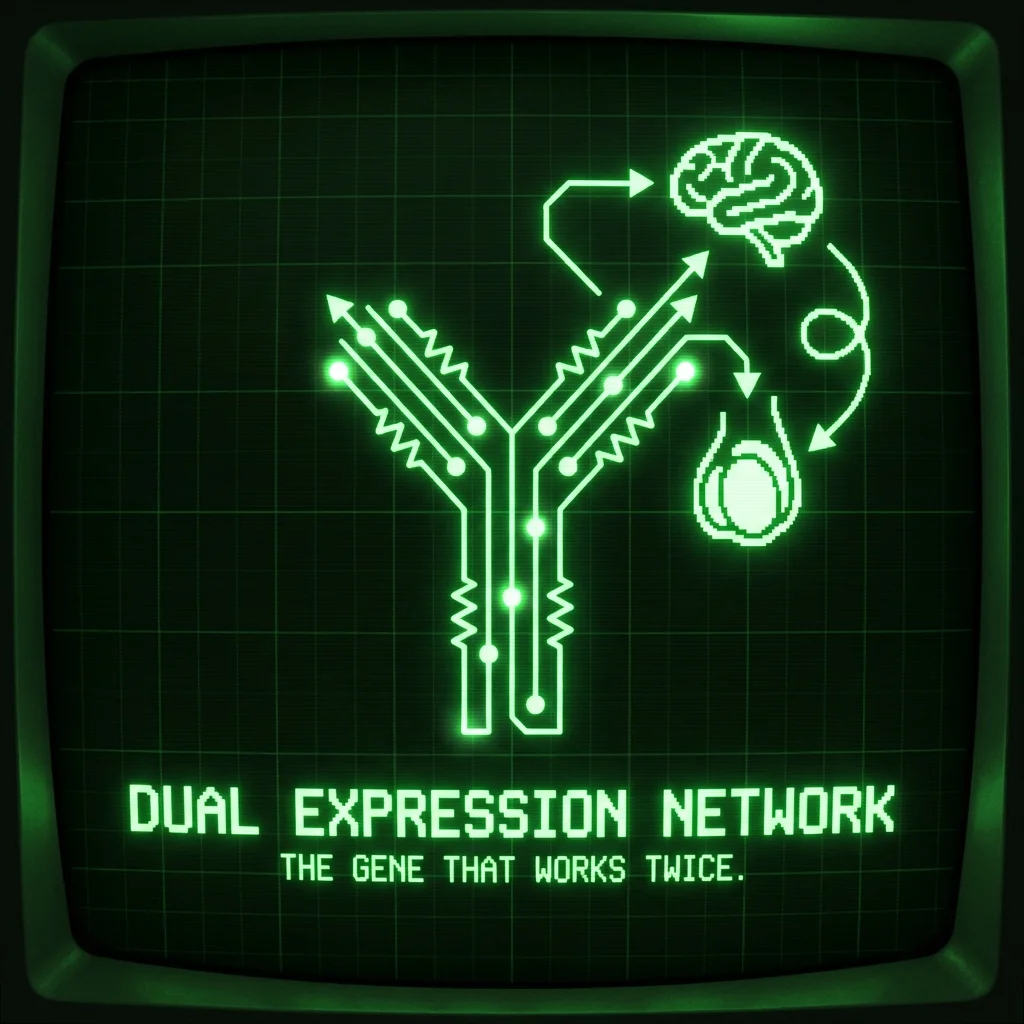
A review synthesizing evidence on how the Y chromosome influences human cognition, focusing on neurodevelopmental disorders, specific genes, brain structure, and evolutionary context.