Exhaustive profile of the Navajo clown-deity Tó Nilt’į́į́h — also glossed as Tsénilyáʼí — and his signature instrum ent, the bull-roarer (tsin ndi’ni’).
Tó Nilt’į́į́h / Tsénilyáʼí

Exhaustive profile of the Navajo clown-deity Tó Nilt’į́į́h — also glossed as Tsénilyáʼí — and his signature instrum ent, the bull-roarer (tsin ndi’ni’).
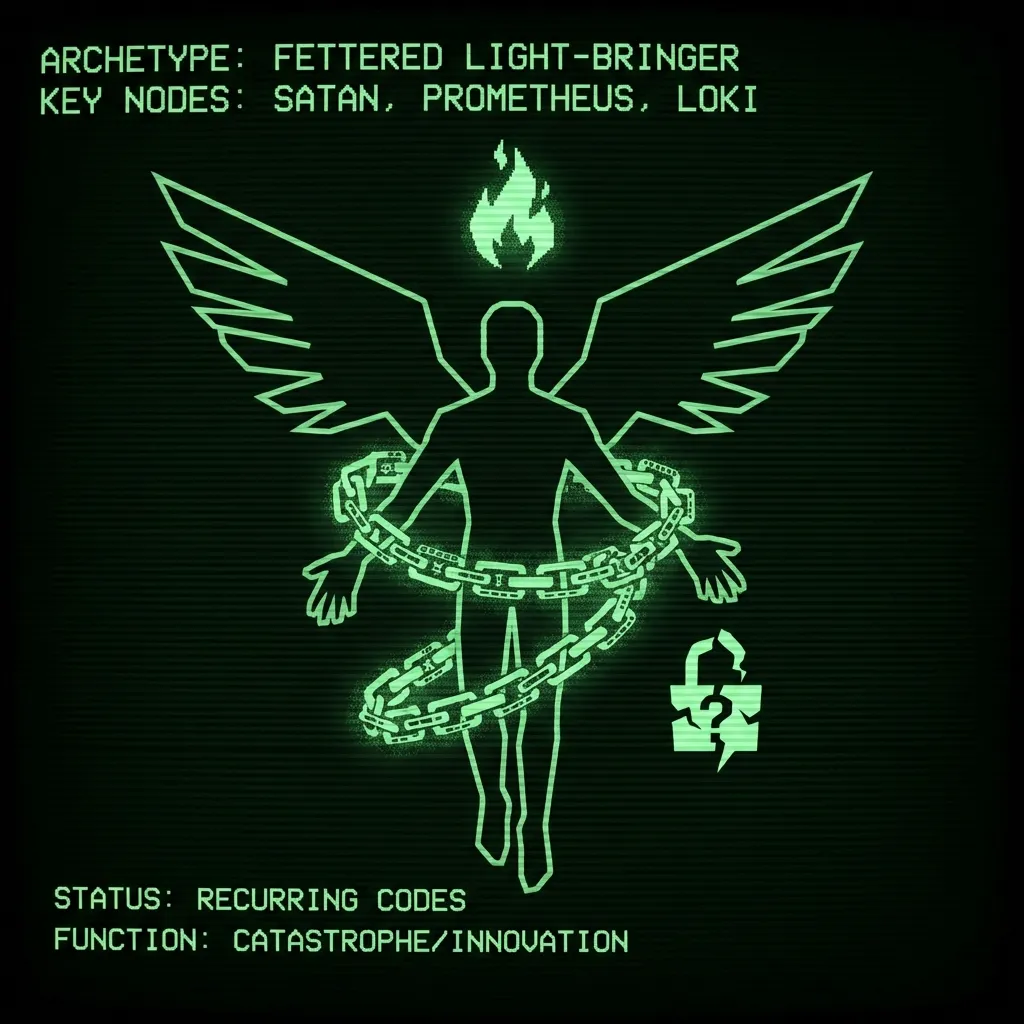
Tables & citations showing how scholars slot Lucifer beside Loki, Prometheus, and other bound rebel‑gods.
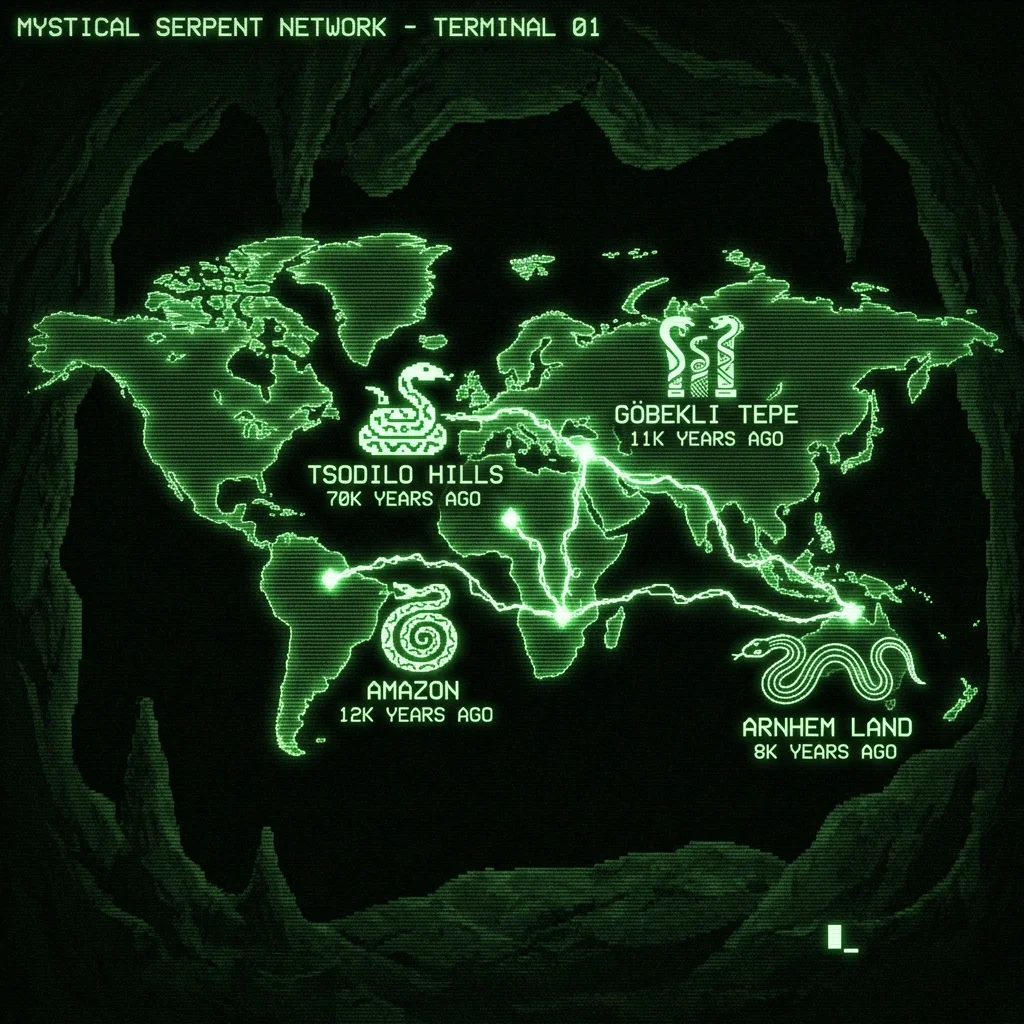
Timeline comparing the earliest known depictions of snakes on each continent, from Tsodilo Hills to Amazon rock murals.

A deep dive into how the word atonement grew from the Middle‑English phrase “at one” plus the French‑derived suffix ‑ment, and what that splice reveals about the youth of English.

Why the English coinage atonement eclipsed classical terms like Latin reconciliatio, Greek katallagē, and Hebrew kippur—and what that shift says about Reformation‑era thought.
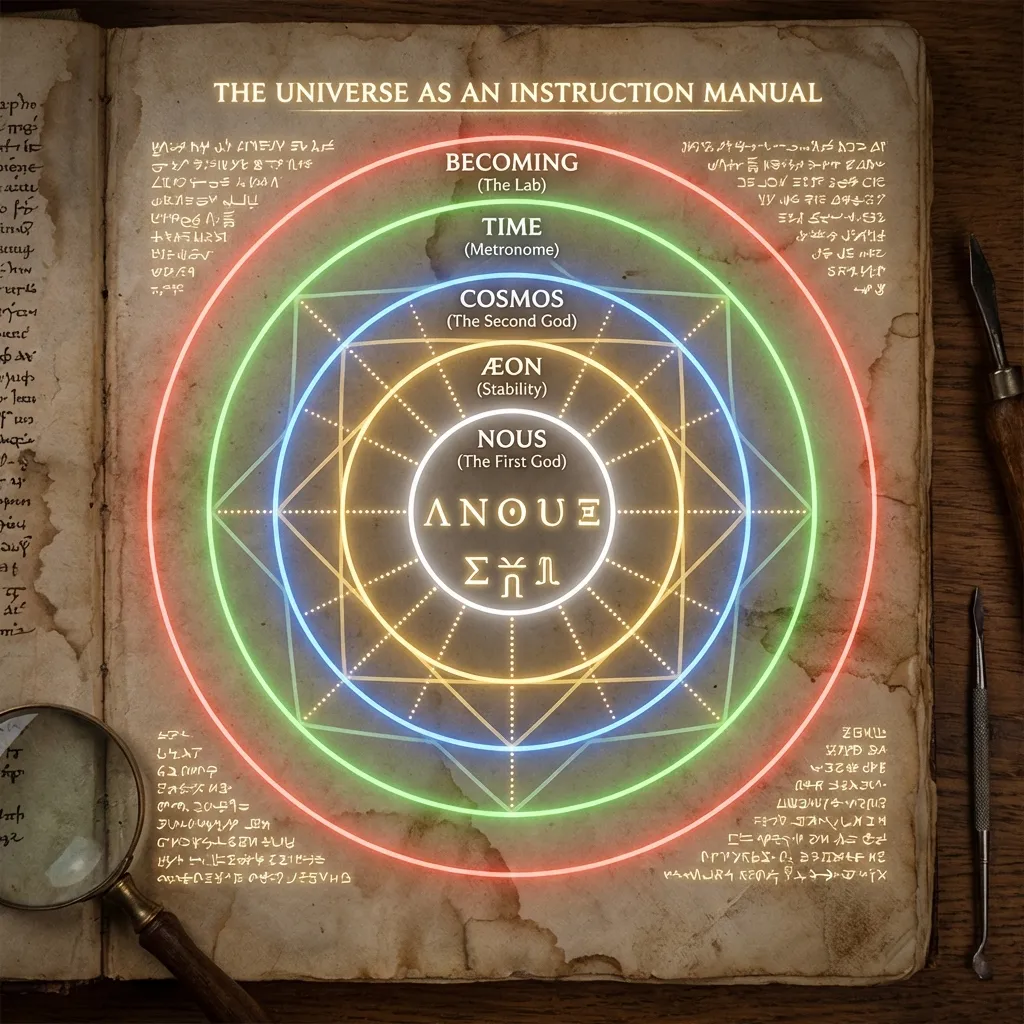
Hermeticism reads the cosmos as a living, self‑transforming image of the Divine—both a classroom and crucible designed to awaken the soul through embodied experience.

How a once‑secret magical philosophy slipped into everyday English, from ‘quintessential’ cocktails to the vacuum‑packed peanuts you bought yesterday.
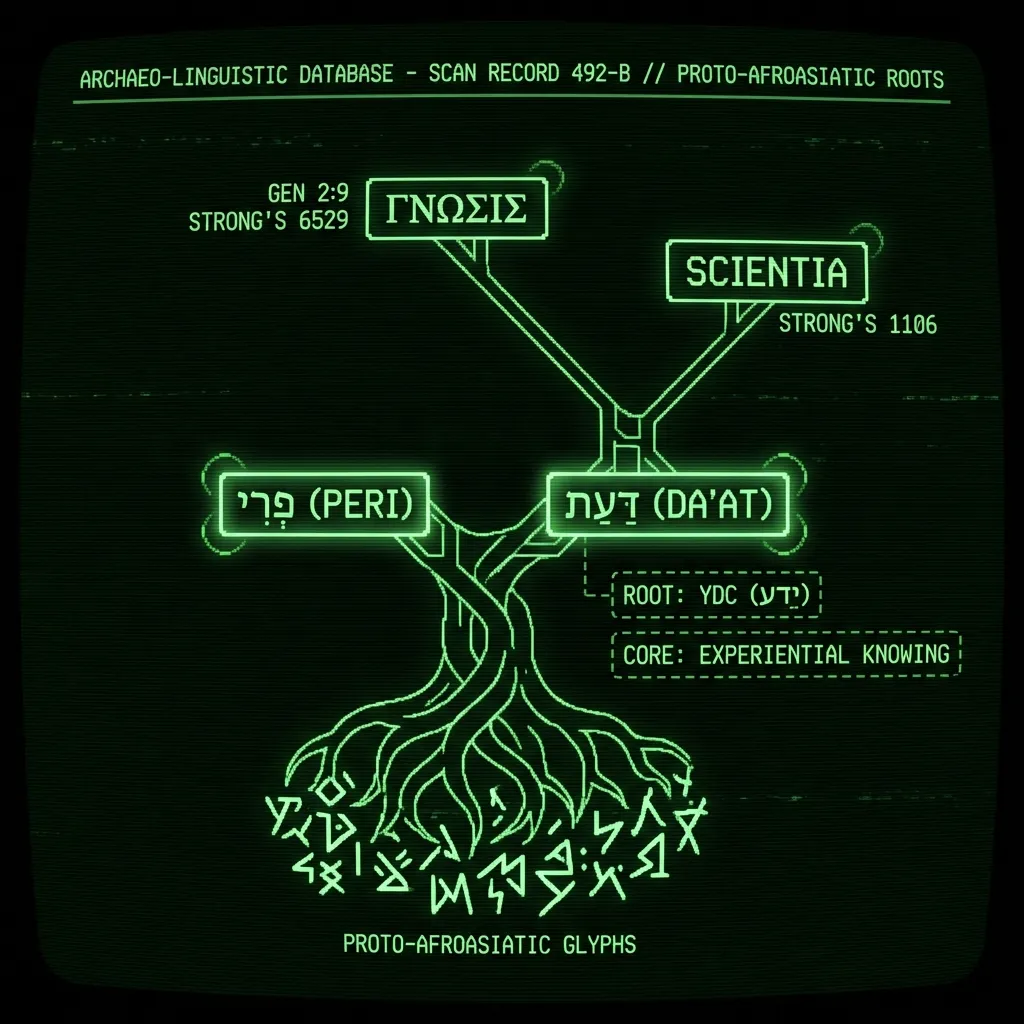
A philological dive into the Hebrew words for “fruit” and “knowledge” in Genesis, how they shift in Greek and Latin, and the later myths they spawned.
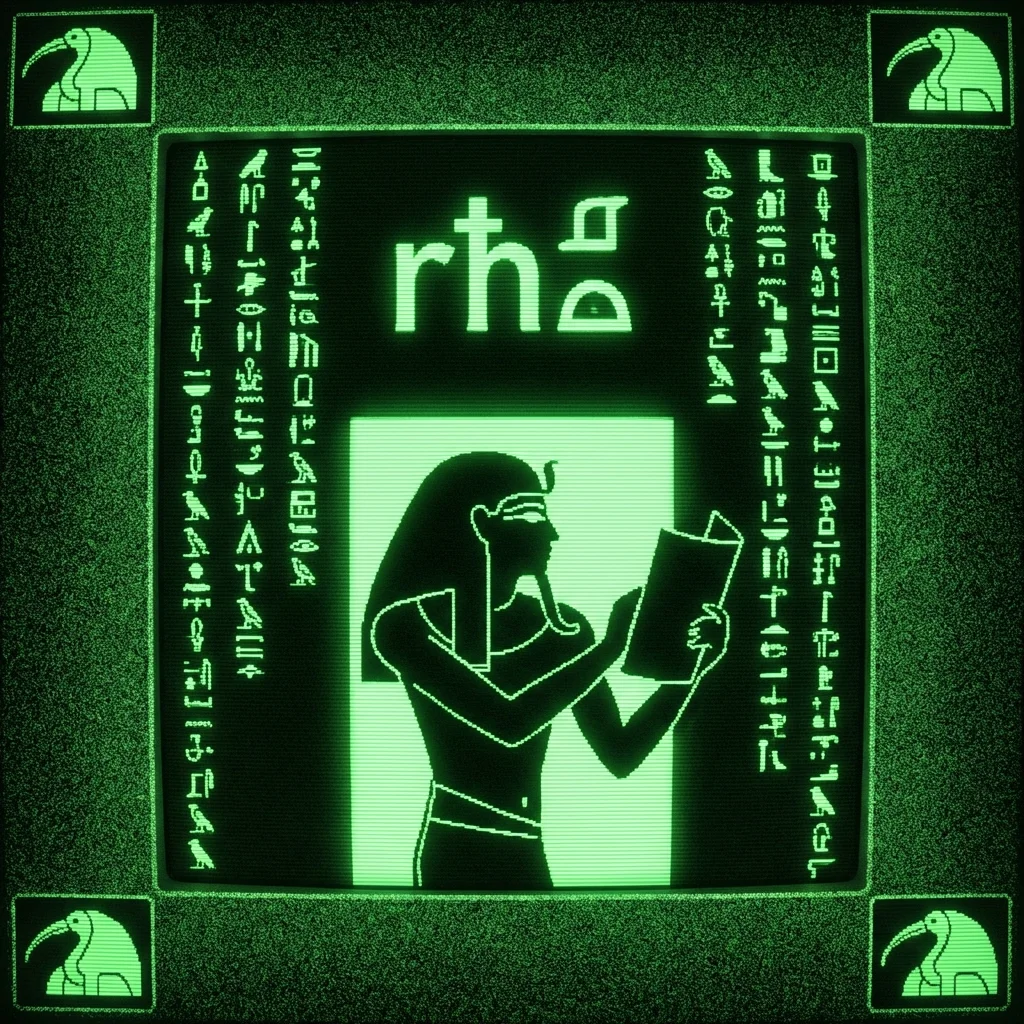
How the Middle‑Egyptian verb rḫ (“to know”) permeated temple liturgies, funerary spells, and the secret curriculum of the House of Life.
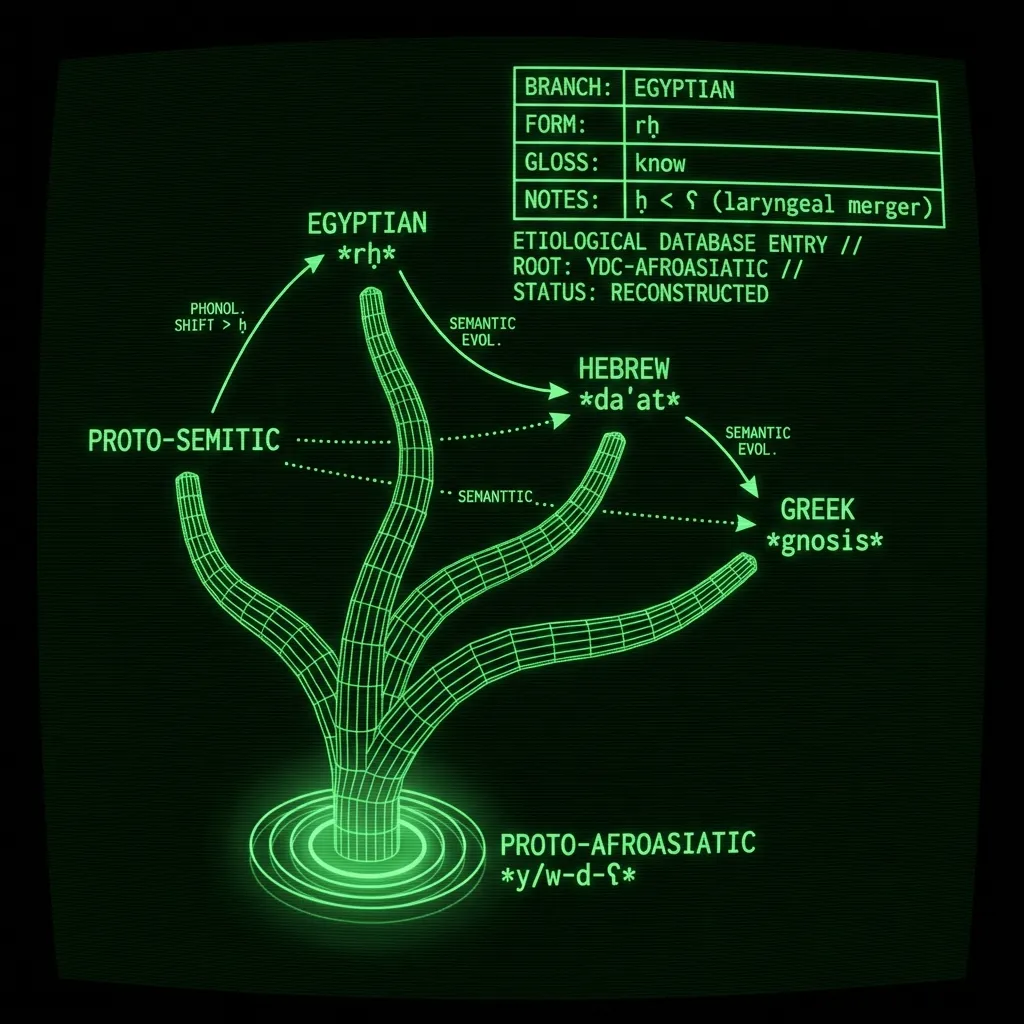
A philological safari that follows the Hebrew word for “knowledge” from a prehistoric Afroasiatic root through Akkadian, Aramaic, and Egyptian detours all the way to the Nag Hammadi codices.