Survey of African flood myths by region, with annotated sources, motif analysis, and diffusion/selection arguments for specialists in comparative mythology.
African Flood Myths: Motifs, Provenance, Diffusion
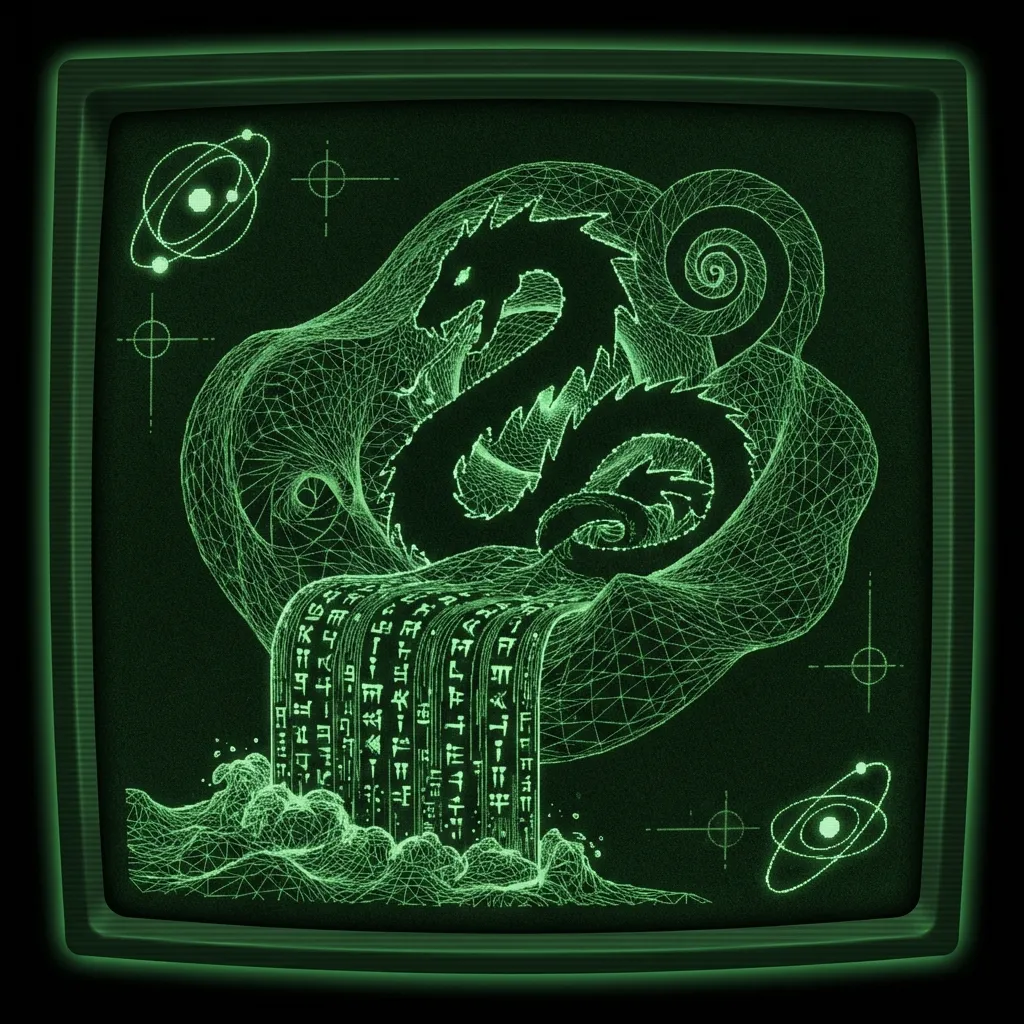
Survey of African flood myths by region, with annotated sources, motif analysis, and diffusion/selection arguments for specialists in comparative mythology.

How Dreaming narratives—Djanggawul, Wawalag Sisters, Rainbow Serpent—encode a prehistoric shift toward self‑aware, language‑driven culture.
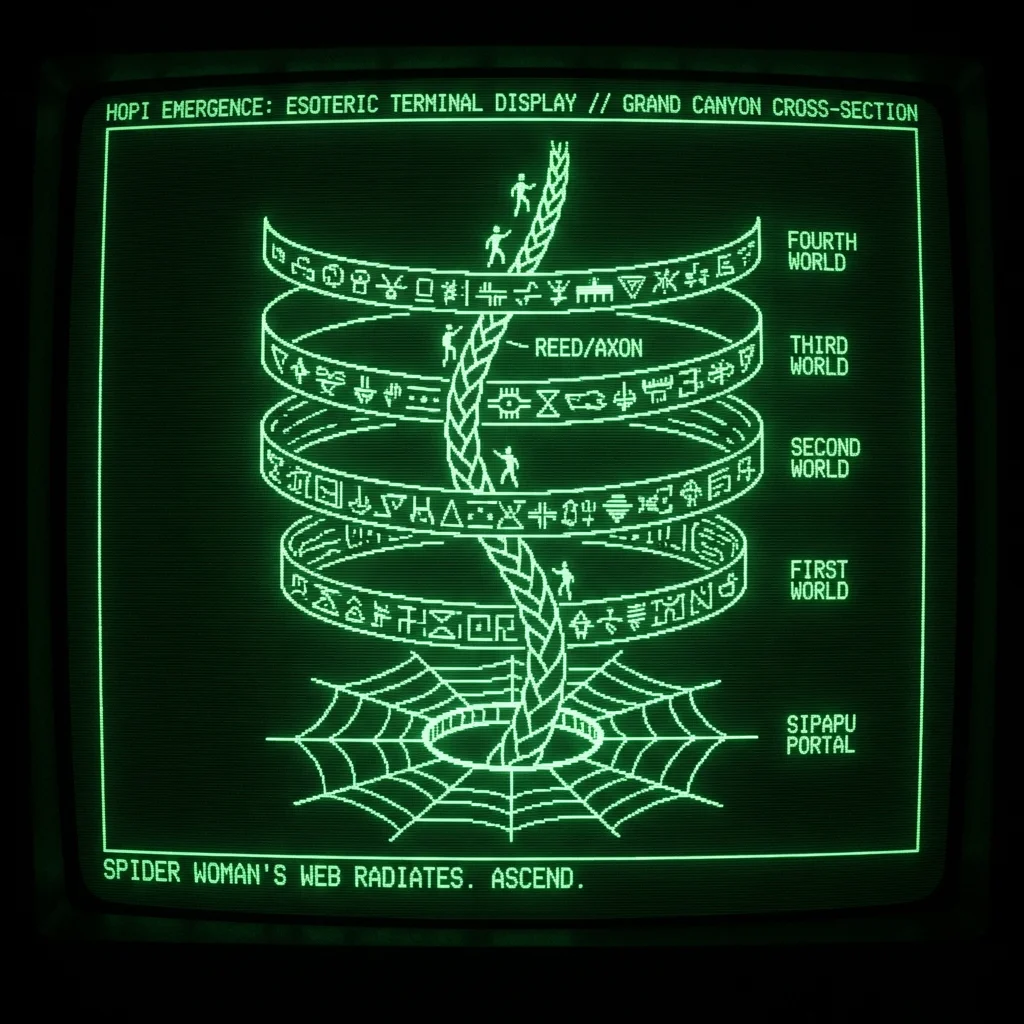
From Hopi sipapus to Andean caves, New‑World creation stories mirror the moment ‘Eve’ first looked back at herself.
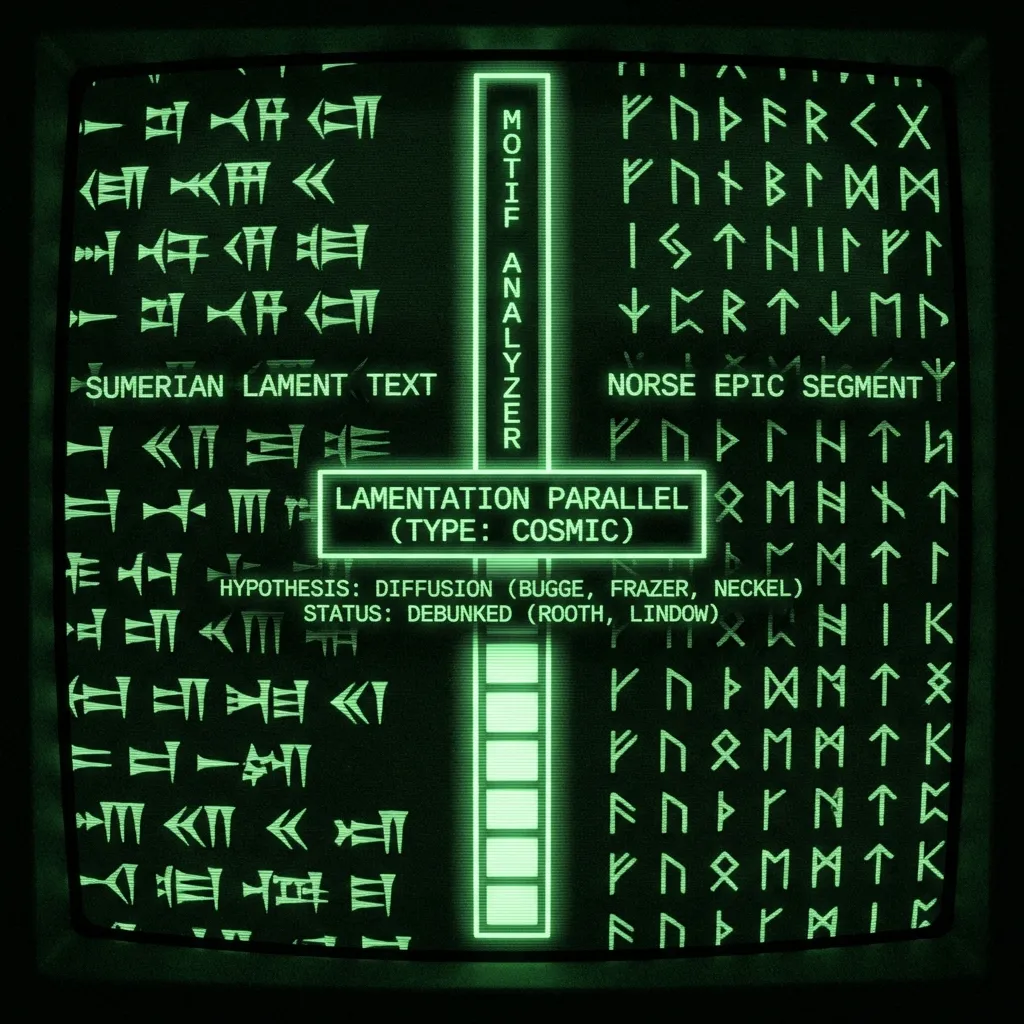
A brisk review of scholars who claim the Norse cosmos‑weeps motif comes from the Mesopotamian Tammuz cult—and why most specialists now disagree.
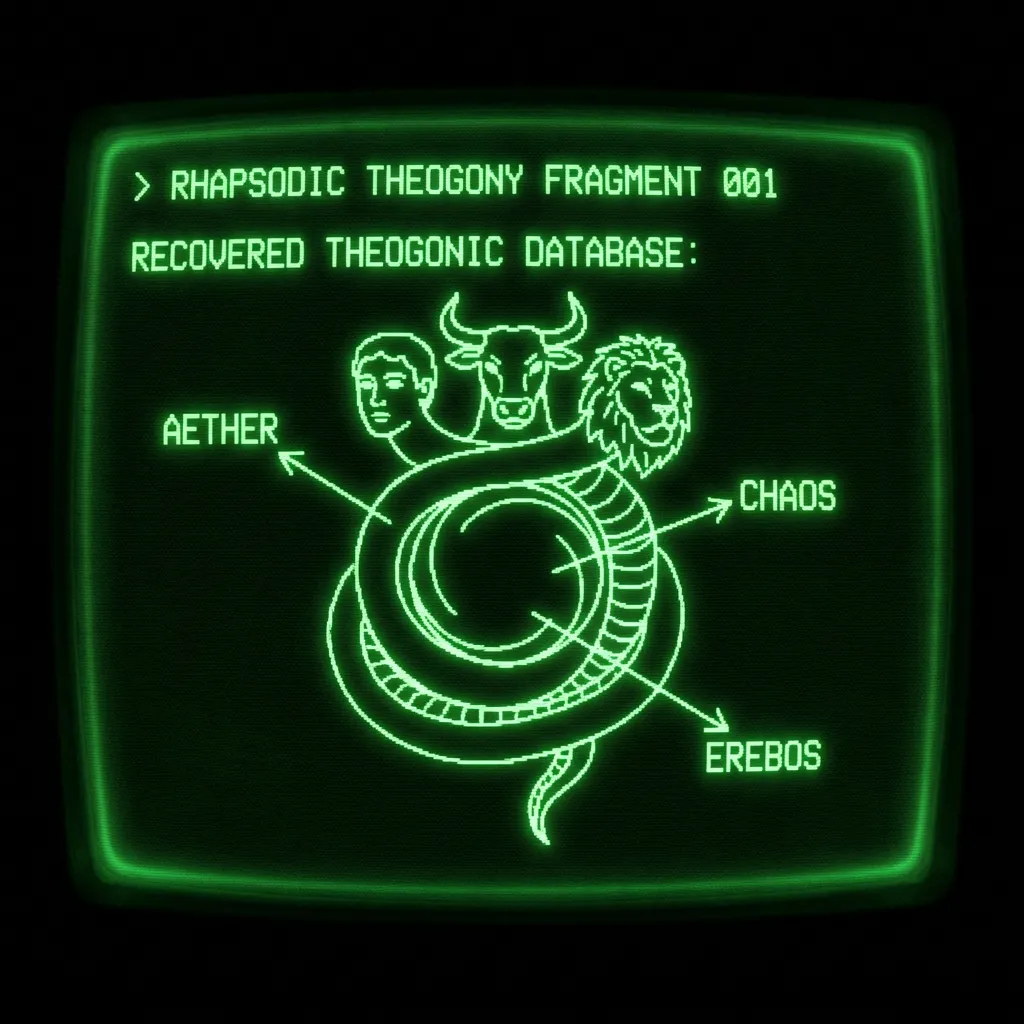
A deep dive into the Orphic creation myth—from Chronos’ serpent-coiled Cosmic Egg to Dionysus Zagreus’ dismemberment—and how it shaped Greek mysticism, soul-body dualism, and later Neoplatonic thought.
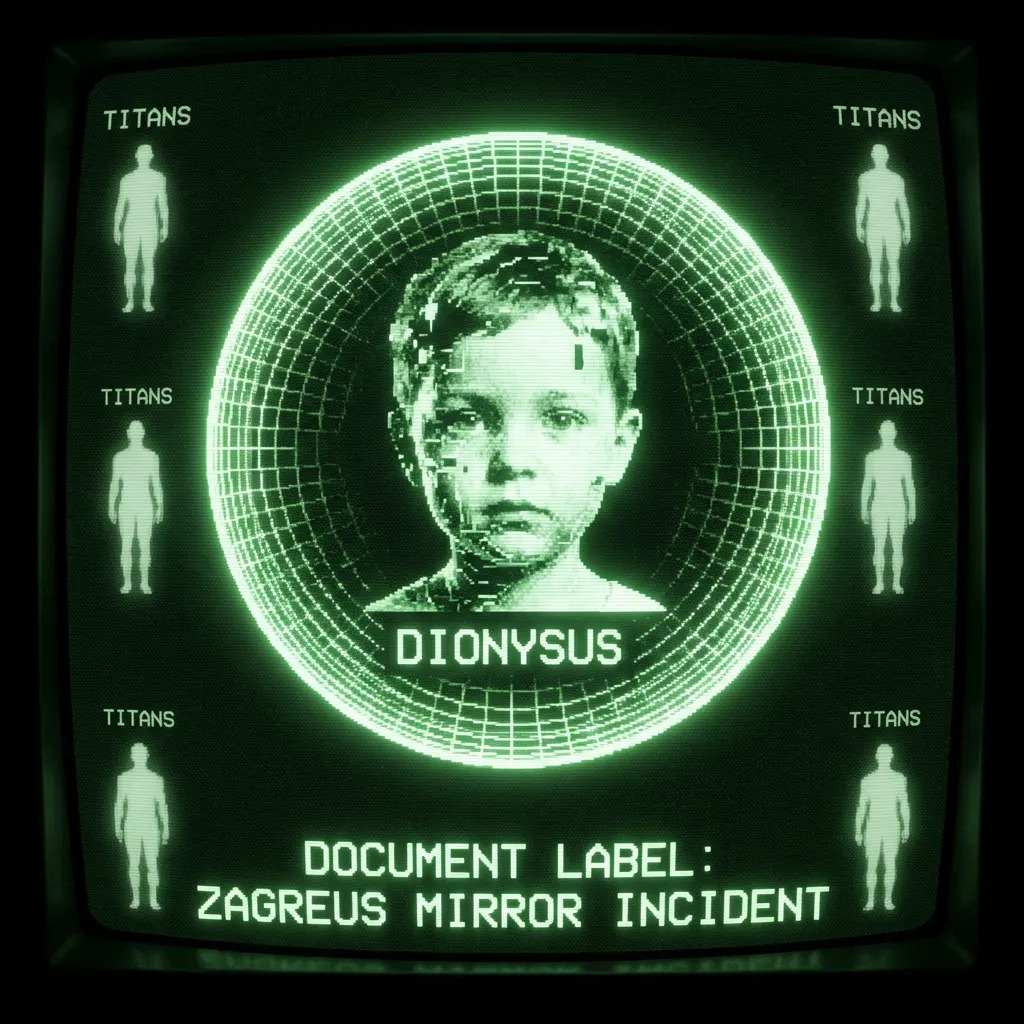
How a child-god’s fatal toy became a philosophical symbol for embodiment, matter and selfhood—from Neoplatonists to today’s classicists.
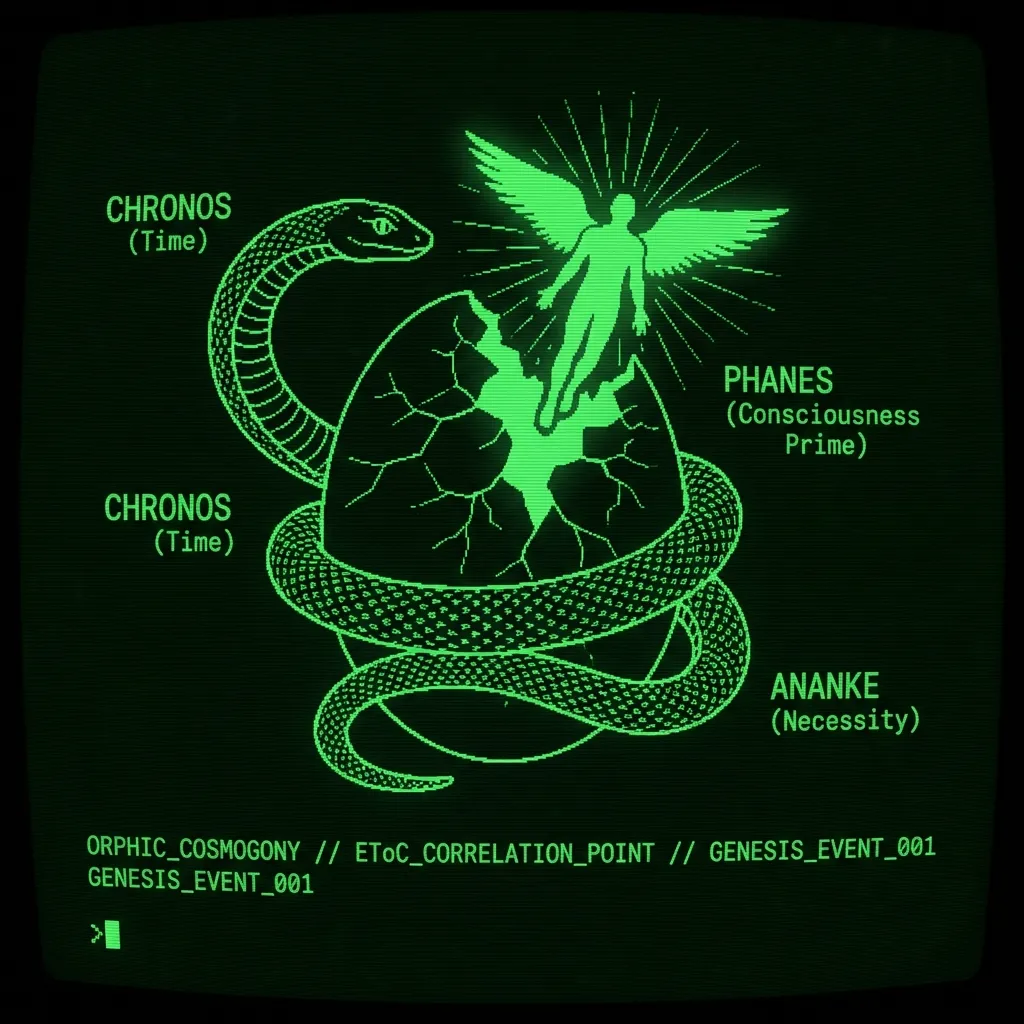
A comparative look at the Orphic creation myth and Andrew Cutler’s Snake Cult/Eve Theory of Consciousness, highlighting shared motifs of serpents, cosmic eggs, and female-led awakenings.
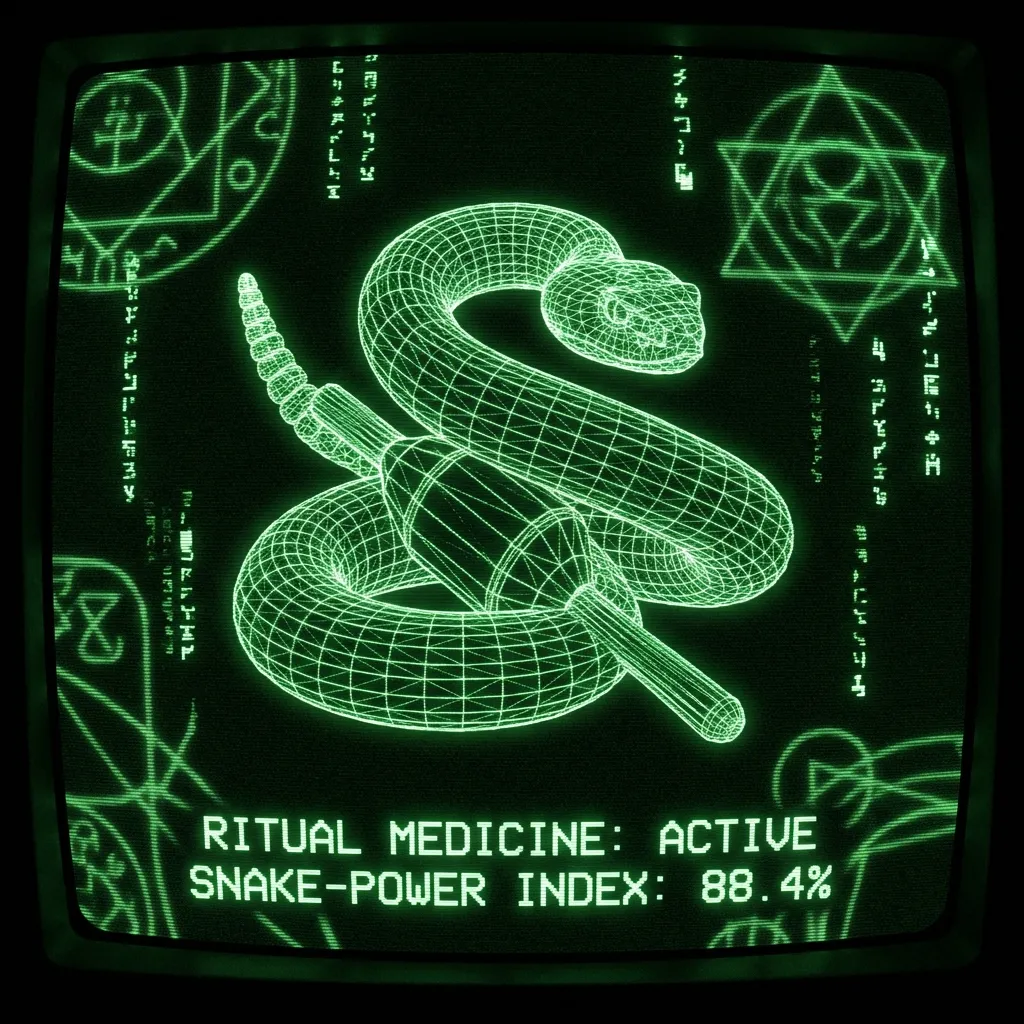
How the Navajo bull-roarer (tsin ndi’ni’) is charged with ritual medicine and embodies Snake-power in the Big Star Chant, including connections to rattlesnake blood in arrow poison formulas and therapeutic healing.
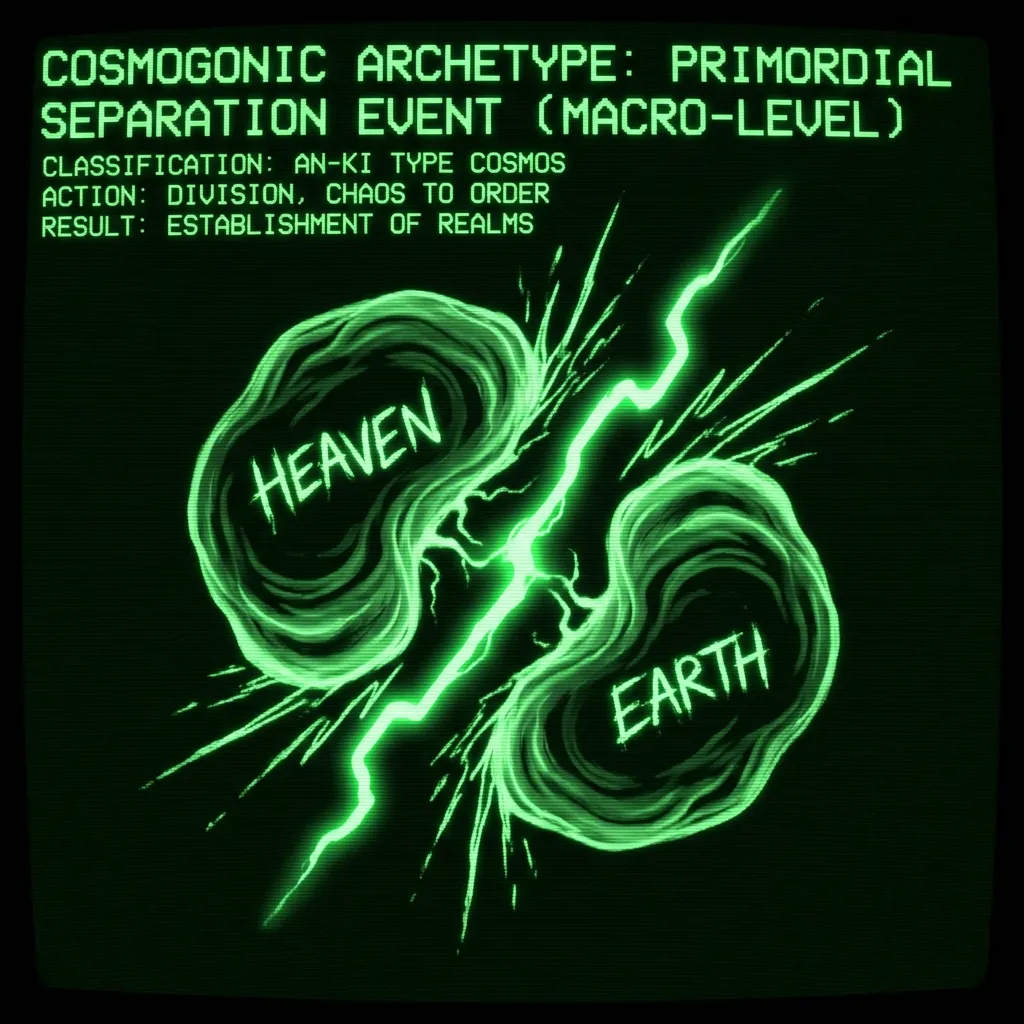
A comprehensive exploration of the mythic motif of Heaven and Earth being severed or separated, as seen in ancient Hurro-Hittite epics and other world creation myths.
How classic Yoruba, Vodun, Zulu, Bushongo, and Dogon creation stories echo the Eve Theory of Consciousness: female catalysts, serpent motifs, and liminal waters.