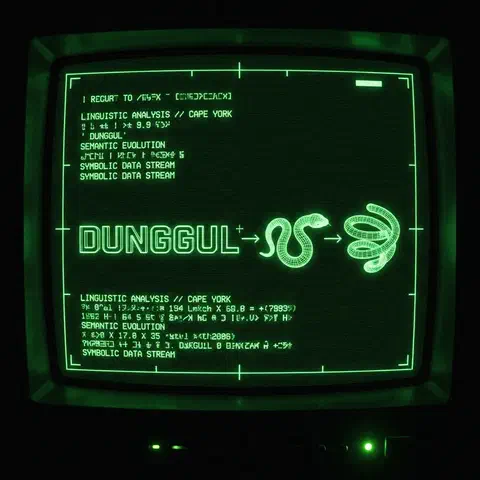
Dunggul: snake, bullroarer, and the making of men
On Cape York, dunggul names both ‘snake’ and ‘bullroarer.’ What this polysemy reveals about initiation, being ‘snake‑bitten,’ and the ritual voice.
On Cape York, dunggul names both ‘snake’ and ‘bullroarer.’ What this polysemy reveals about initiation, being ‘snake‑bitten,’ and the ritual voice.
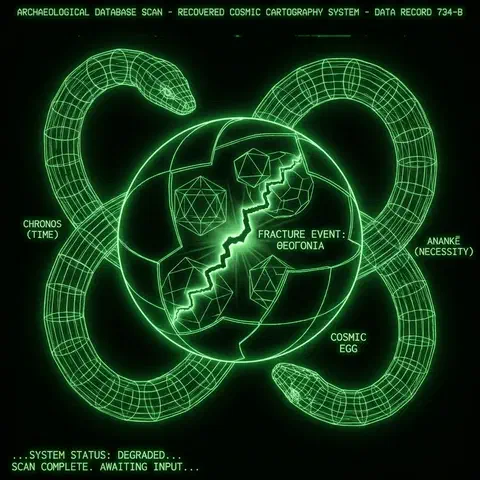
Orphic cosmogony sorted out: four theogonies, serpent Time and the cosmic egg, Phanes, Zeus swallowing creation, and the disputed Zagreus myth.
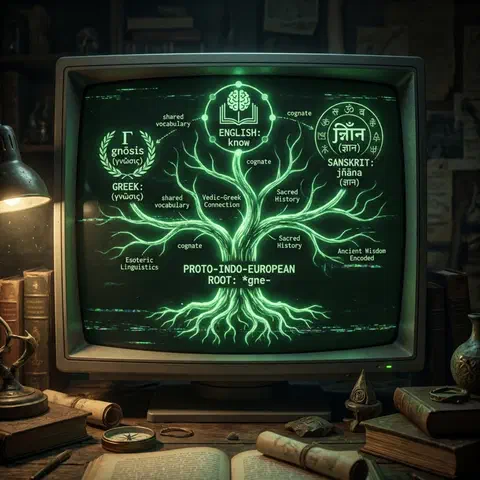
Tracing the Proto‑Indo‑European root *ǵneh₃‑ that links Sanskrit jñā‑, English know, and Greek gnō‑/gnosis.
A long-form exploration of how the discovery of reflective selfhood radiated through late-Ice-Age cultures, with the Eve Theory of Consciousness and the Snake Cult hypothesis as the most coherent …
How water-serpents and founding women co-star in Navajo, Zuni, Taíno, K’iche’, and Inka origin stories and what that pairing reveals about birth, chaos, and order.
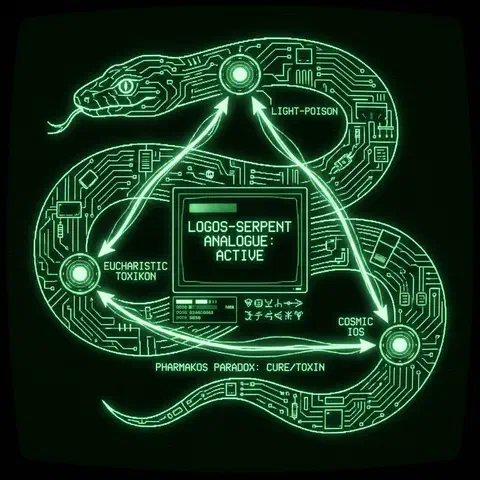
Close reading of Manichaean, Ophite and Naassene passages that speak of Christ-as-Serpent in pharmacological terms.
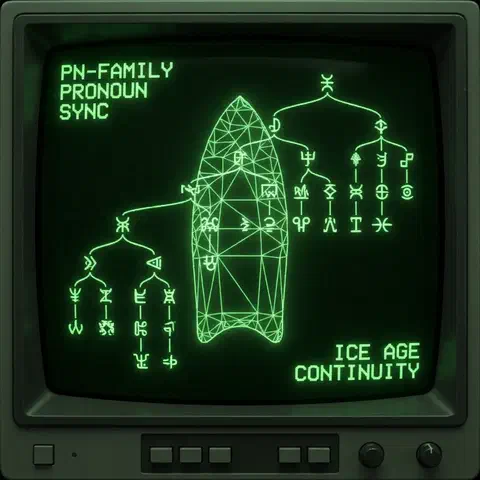
How pronouns, rituals, myths, and fluted spear points reveal a single Ice-Age culture behind all pre-Columbian peoples.
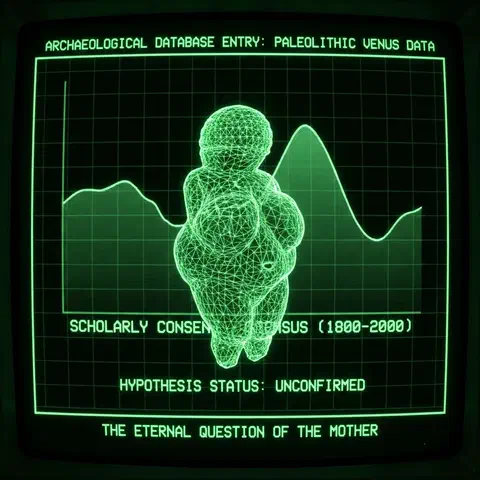
Examines the historical and anthropological debate surrounding the concept of primordial matriarchy, from Bachofen’s theories to modern critiques and evidence.
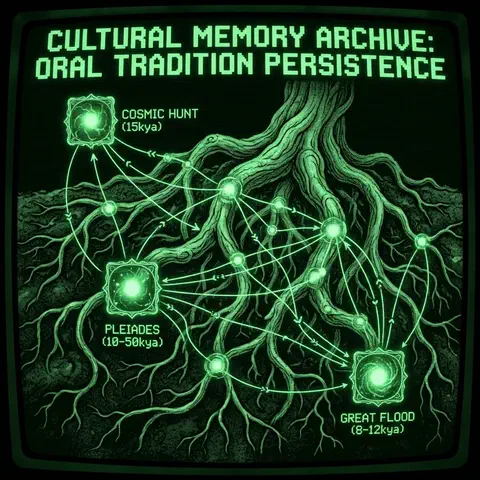
Examines the surprising stability of mythic motifs over millennia, suggesting myths like the Cosmic Hunt or Serpent symbolism could encode memories of real cognitive shifts, supporting the Eve …
Examining the archaeological record of Australia (Sahul) – early colonization, persistent simple technologies, late emergence of complex art – as a key case study supporting the Sapient Paradox and …