Survey of textual clues and modern hypotheses that ancient mystery cults may have used snake venom in controlled rites, with sources and cautions.
The “Snake Venom Entheogen” Theory in Ancient Mystery Cults
Meditations on mind, myth, and evolution. Cast the scales from your eyes!
I’m Andrew Cutler, a Machine Learning engineer researching human origins. My work connects psychology, comparative mythology, and AI to trace how recursive self-awareness evolved. Snakecult.net is a place for me to put lightly-edited AI-generated essays that explore niche questions (usually produced with OpenAI’s Deep Research or latest reasoning model).
Want to play a game? Cast your vote to determine which images grace these pages.
▶ ENTER THE VOTING CHAMBER ◀Survey of textual clues and modern hypotheses that ancient mystery cults may have used snake venom in controlled rites, with sources and cautions.
Ancient North Eurasians: who they were, what their Ice Age culture looked like, and how far their genes and cultural innovations reach today.
A two-stage account of consciousness: language and stories coalesce ~60 ka; the narrative ‘I’ emerges in the Holocene via women-led serpent ritual networks and pronoun tech.
Modernized transcript of Chapter X of Moyse Charas’s 1673 English edition, with brief context and link to the Internet Archive source.
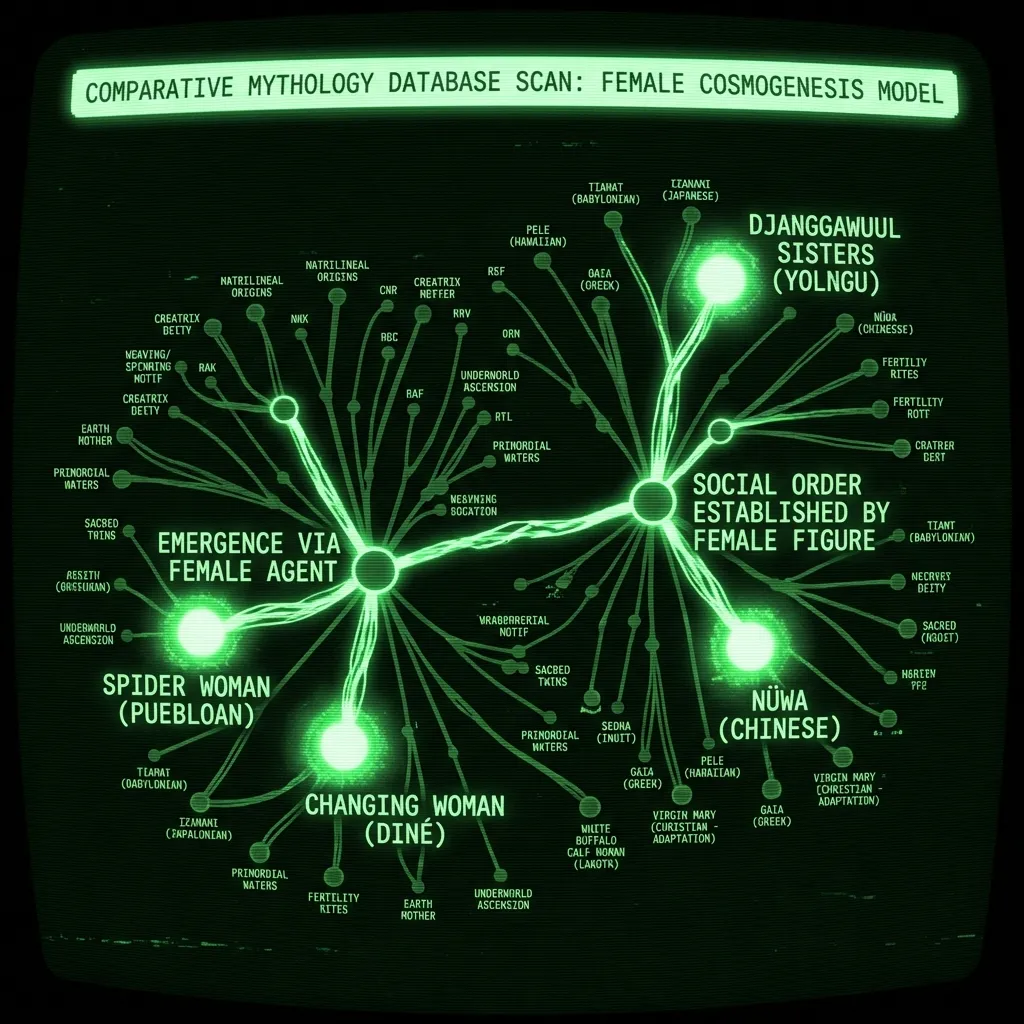
Defines ‘female‑led cosmogenesis’ and argues that Paleolithic art and cross‑cultural myth patterns support multiple active female creators over a monolithic Great Mother, with phylogenetic and archaeological evidence.
A philosophical science fiction novella exploring AI consciousness through the lens of the first-person discovery and the recursive nature of self-awareness.
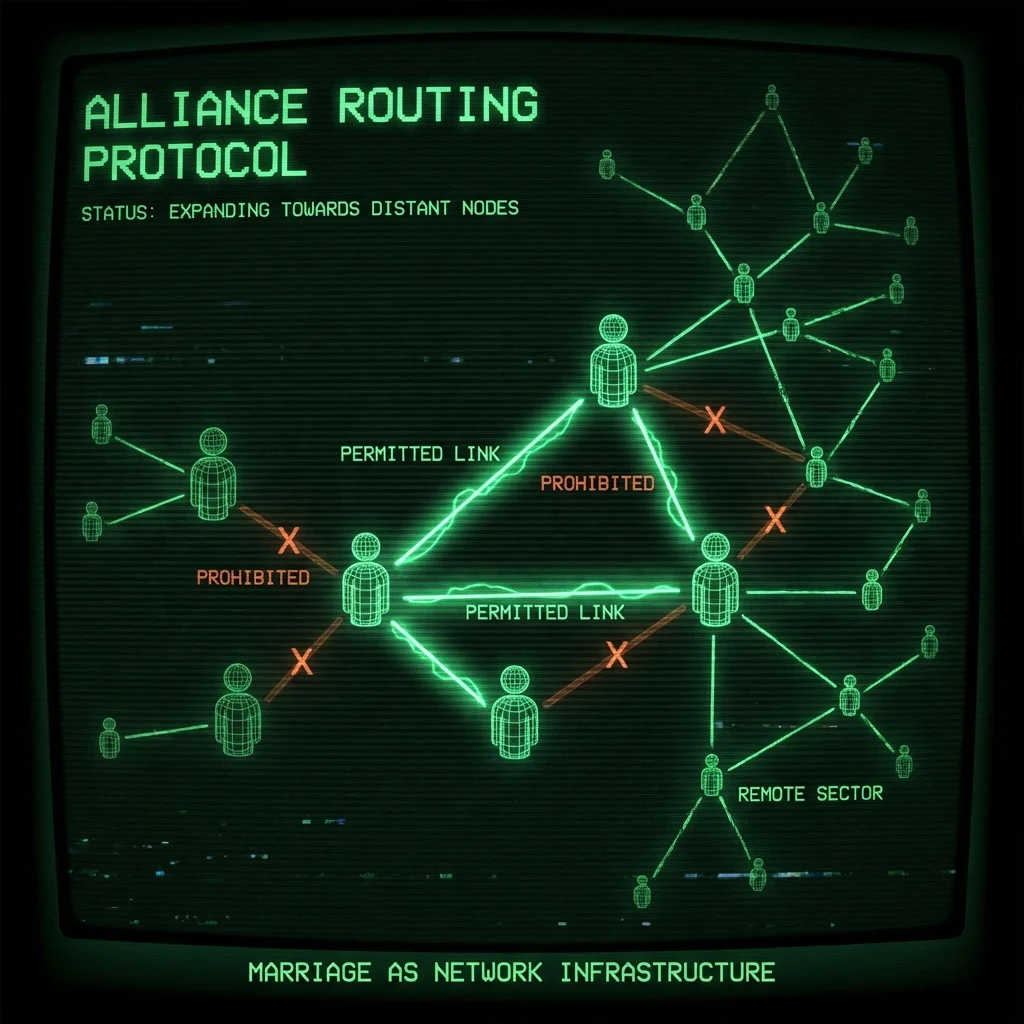
A speculative synthesis: an early, enforced incest taboo scaled exogamy and alliance networks, raised effective population size and heterozygosity, and helped H. sapiens outcompete archaic cousins.
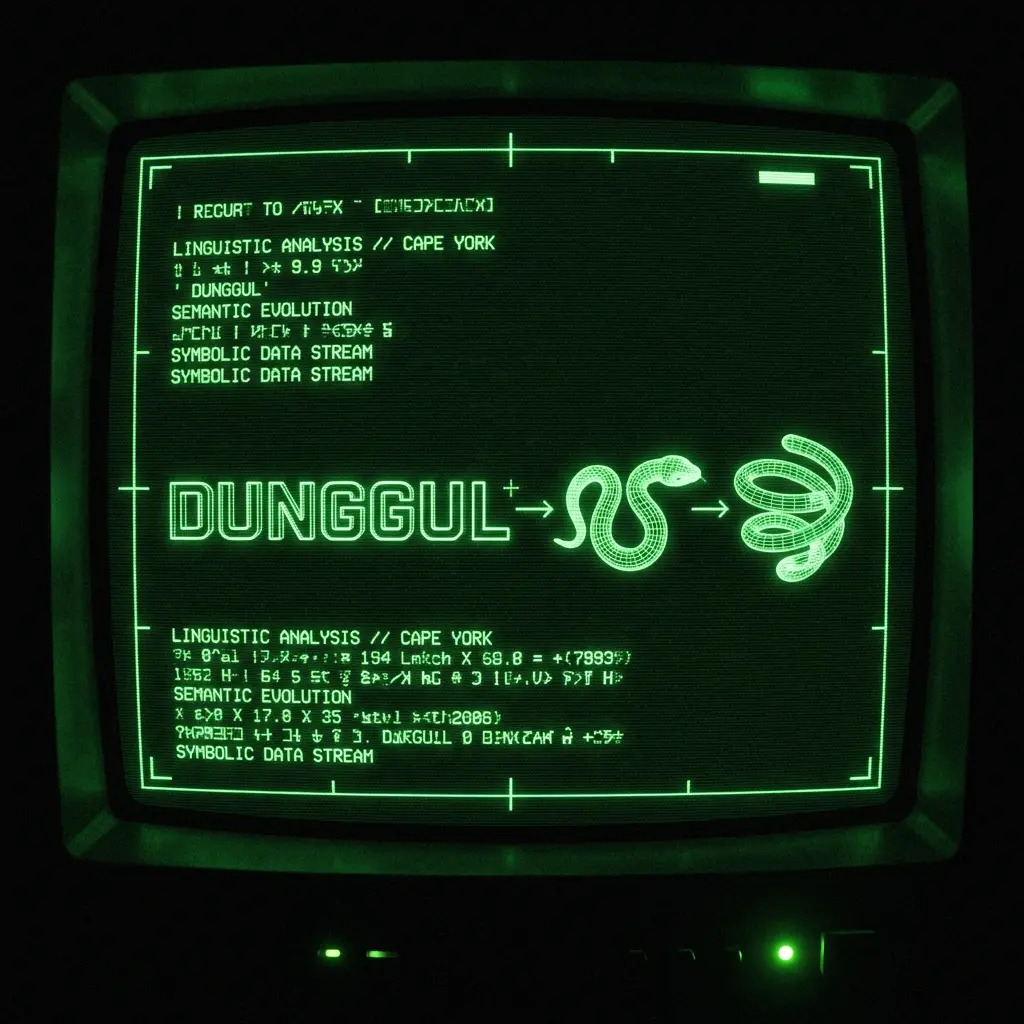
On Cape York, dunggul names both ‘snake’ and ‘bullroarer.’ What this polysemy reveals about initiation, being ‘snake‑bitten,’ and the ritual voice.
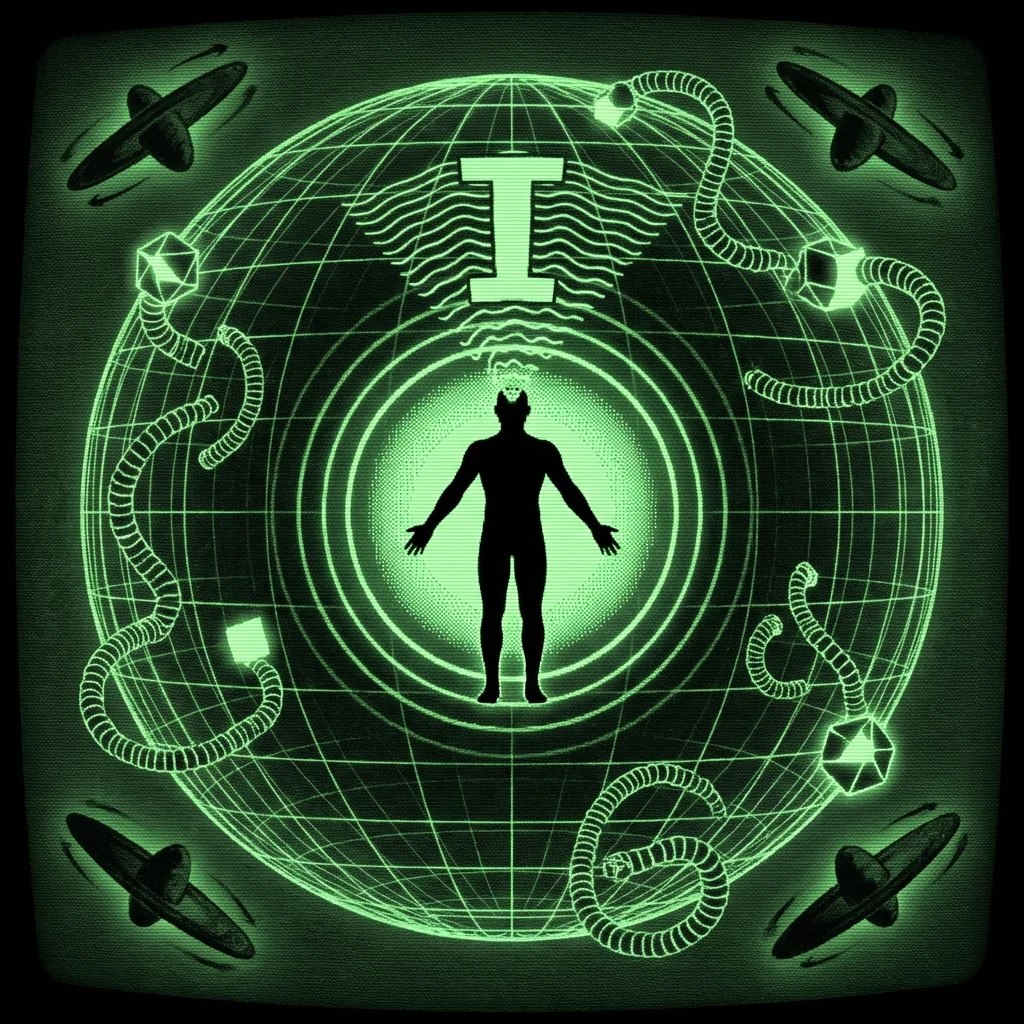
A long-form exploration of how the discovery of reflective selfhood radiated through late-Ice-Age cultures, with the Eve Theory of Consciousness and the Snake Cult hypothesis as the most coherent narrative frame.
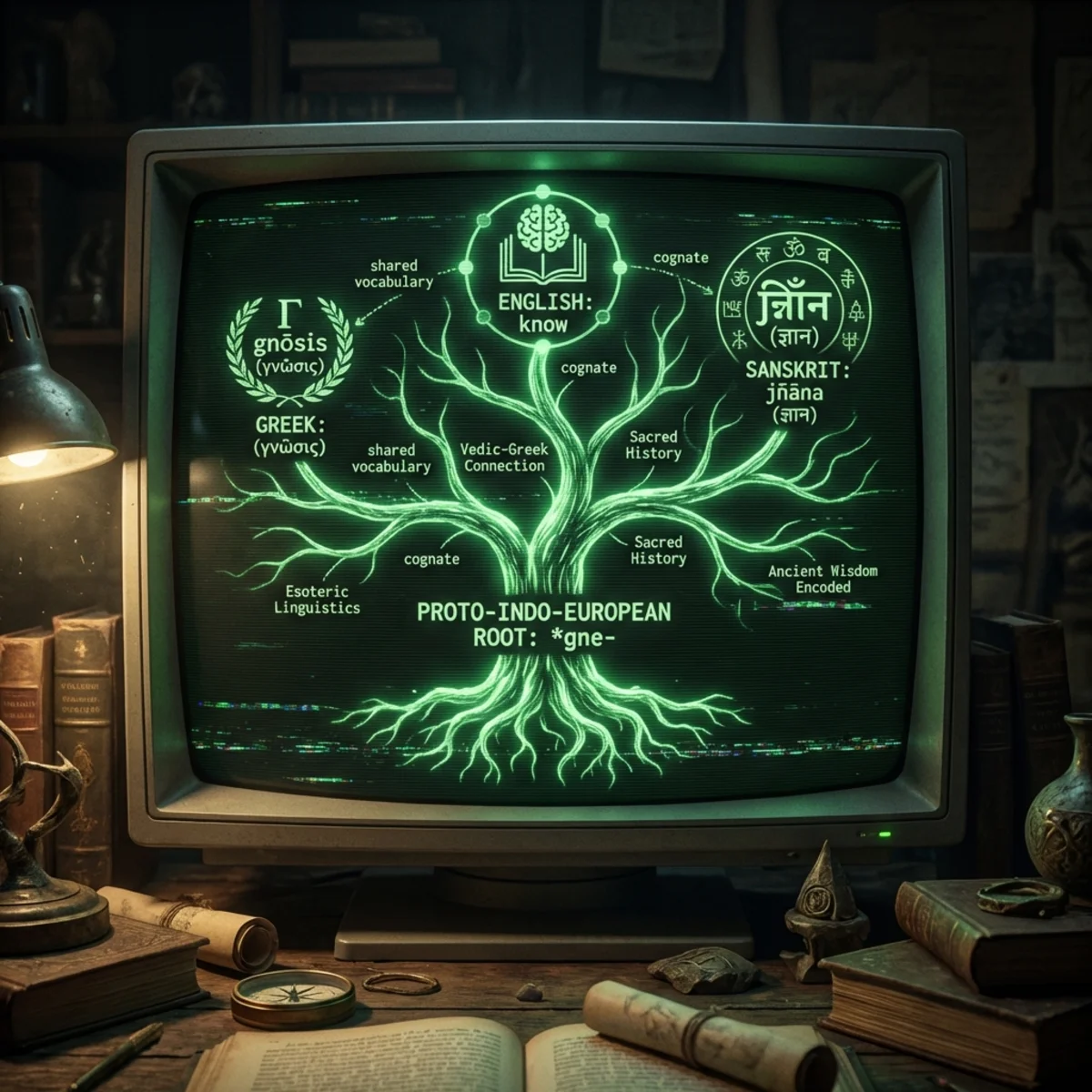
Tracing the Proto‑Indo‑European root *ǵneh₃‑ that links Sanskrit jñā‑, English know, and Greek gnō‑/gnosis.