Hermetic Purpose of the Material World
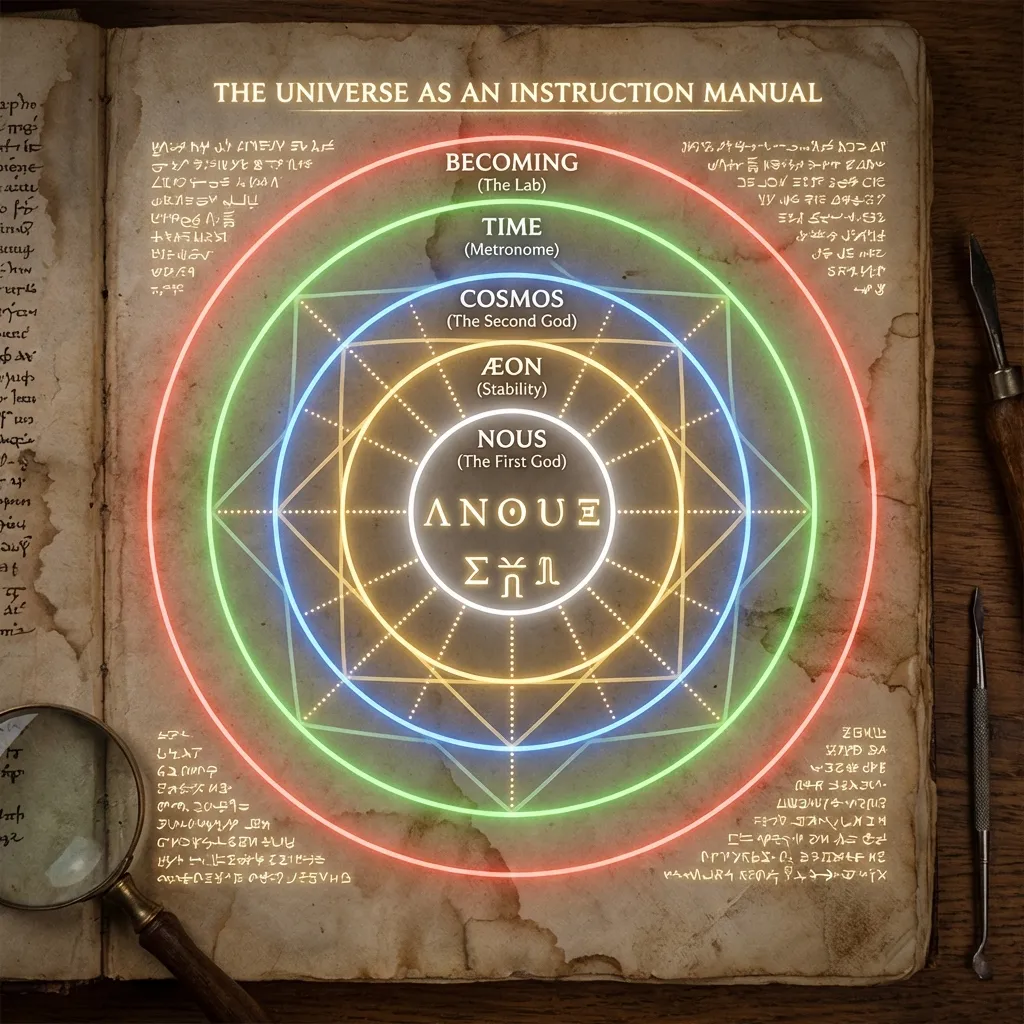
Hermeticism reads the cosmos as a living, self‑transforming image of the Divine—both a classroom and crucible designed to awaken the soul through embodied experience.
Hermeticism reads the cosmos as a living, self‑transforming image of the Divine—both a classroom and crucible designed to awaken the soul through embodied experience.
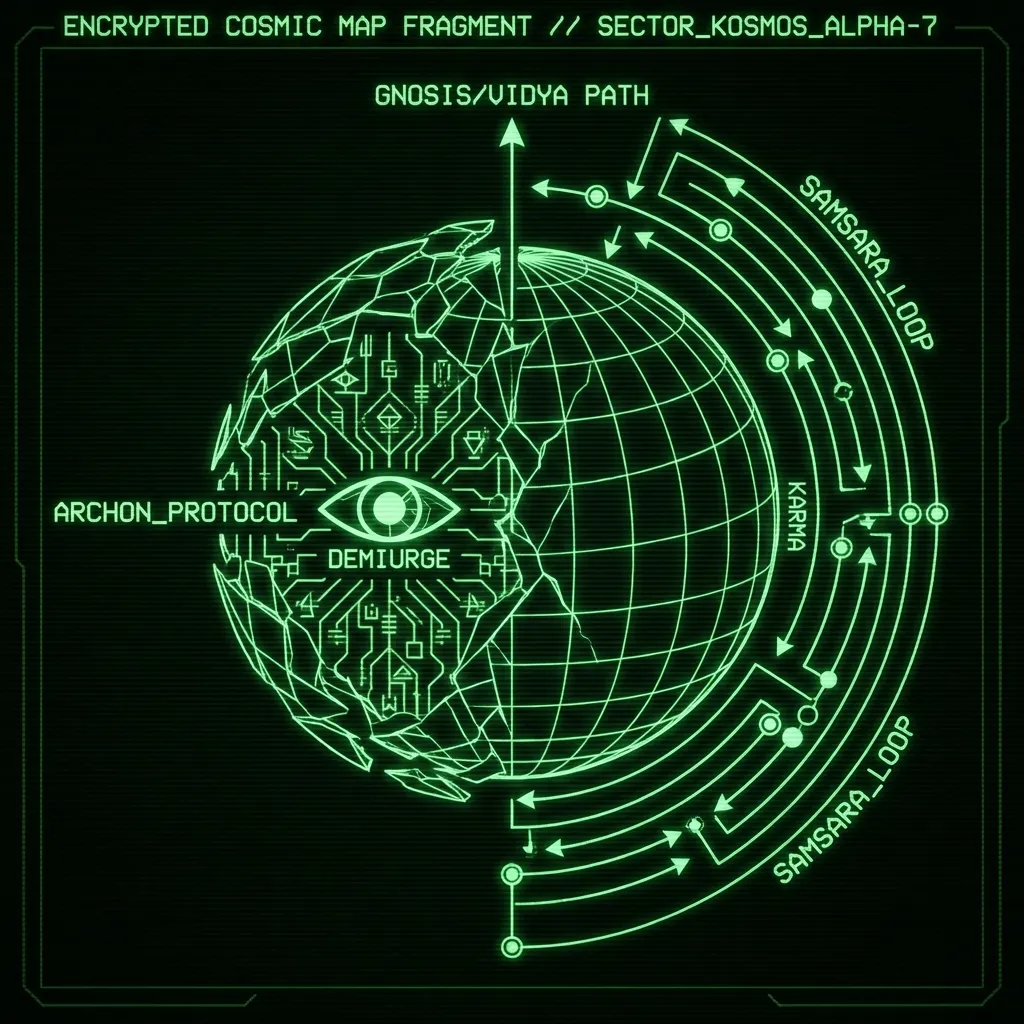
A concise yet rigorous comparison of the Gnostic vision of the cosmos as a carceral construct and the Indian notion of samsara as an endless wheel of rebirth.
Survey of the unique lexemes cultures coined for the Great Flood—and, rarer still, for the age before it—spanning Sumer to Māori, Hebrew to Quechua.
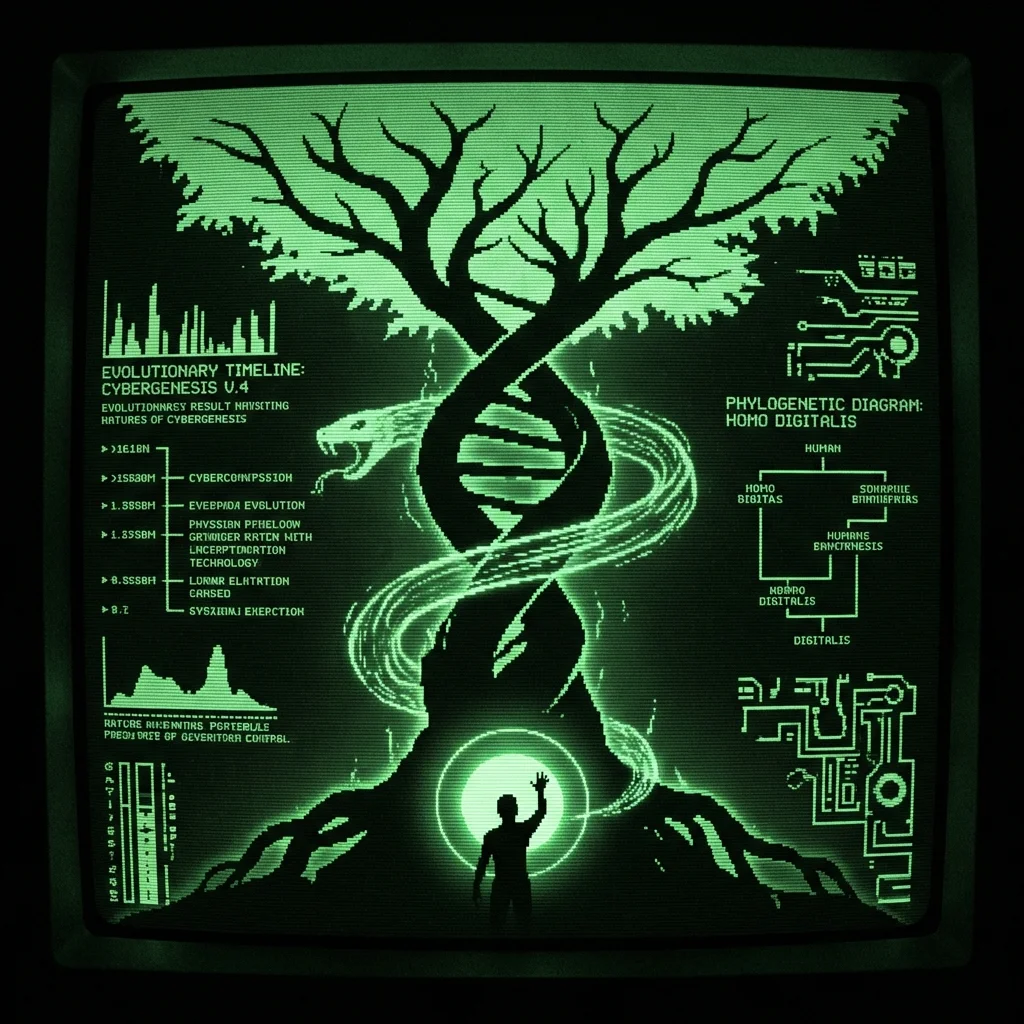
Integrating Darwinian evolution with ancient creation myths to trace the physical and psychological origins of humanity.
Exploring how ultra-stable words like pronouns and numerals preserve deep traces of linguistic ancestry across continents.
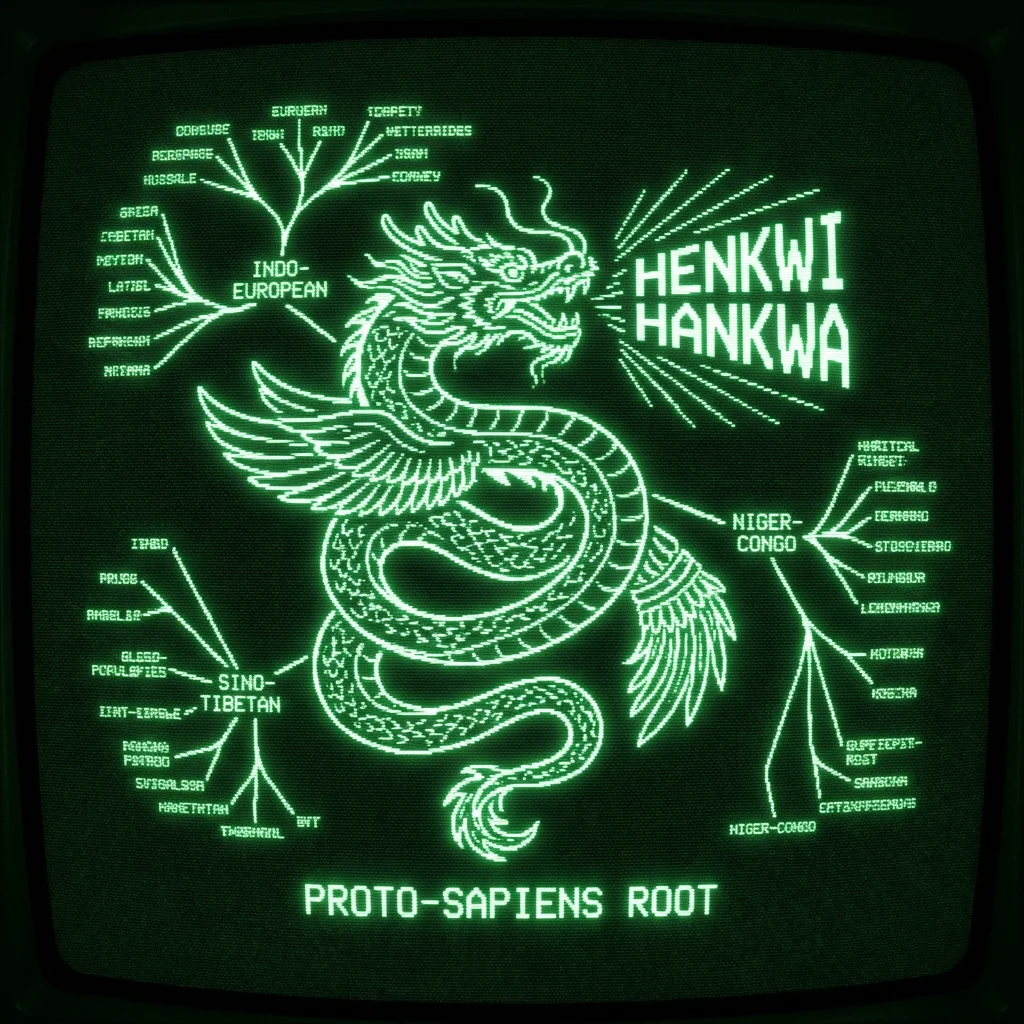
Commentary on Nicolas Bruneteau’s Proto-Sapiens glossary, focusing on the globally persistent roots *hankwa* (breath, life) and *henkwi* (snake, dragon).
How the Soviet Union’s unique mix of ideology and academia produced an outsized cadre of linguists obsessed with linking the world’s languages.
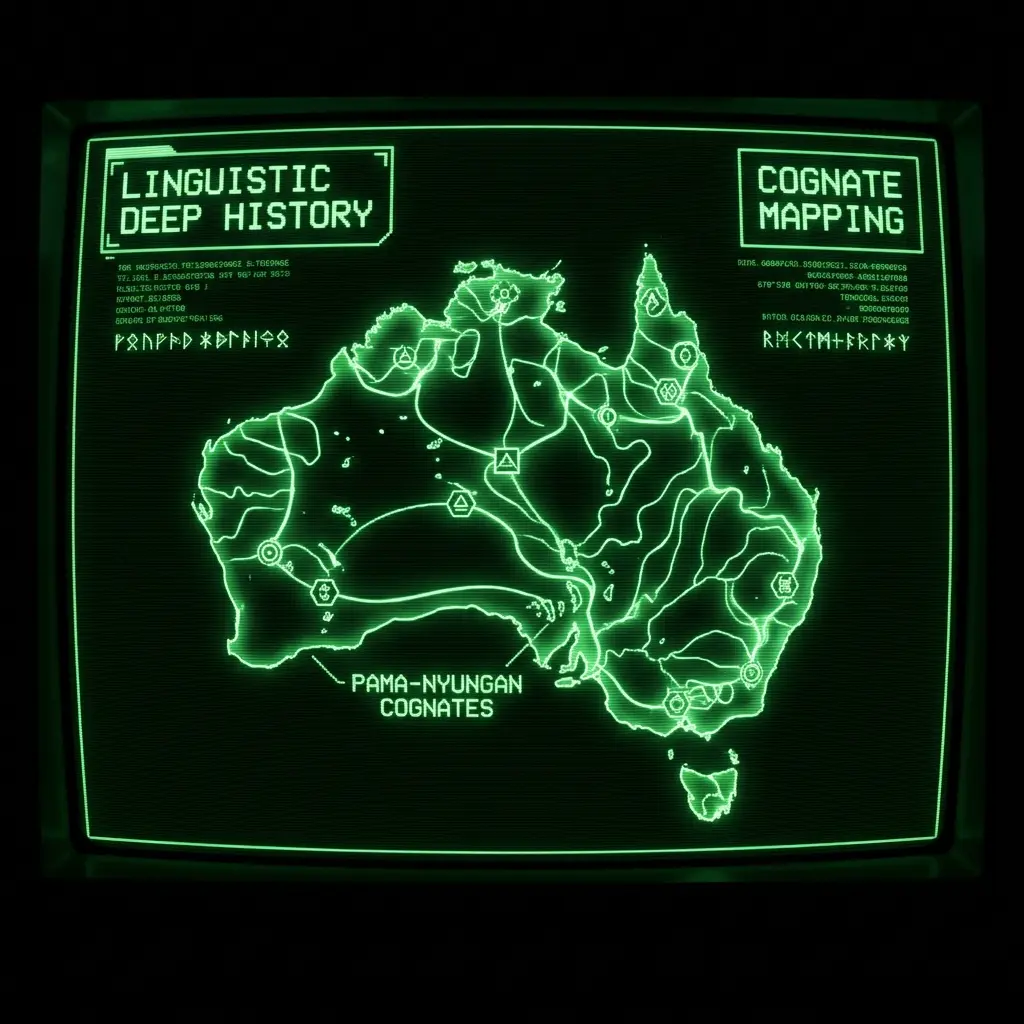
Examining linguistic cognates and proposed Proto-Australian vocabulary across Aboriginal languages, exploring evidence for deep genetic relationships despite extreme linguistic diversity.
Explores ancient serpent myths across the Americas, their deep antiquity, and links to the evolution of human consciousness.
An exploration of Chinese serpent deities Nüwa and Fuxi through the lens of the Eve Theory of Consciousness, revealing parallels between Eastern and Western creation myths.