Recursive Eve: EToC Meets Suddendorf–Corballis on the Last 100,000 Years
EToC and Suddendorf–Corballis converge: human recursion and autonoetic time-travel coalesced over the last 100k years, leaving archaeological and mythic fingerprints.
EToC and Suddendorf–Corballis converge: human recursion and autonoetic time-travel coalesced over the last 100k years, leaving archaeological and mythic fingerprints.
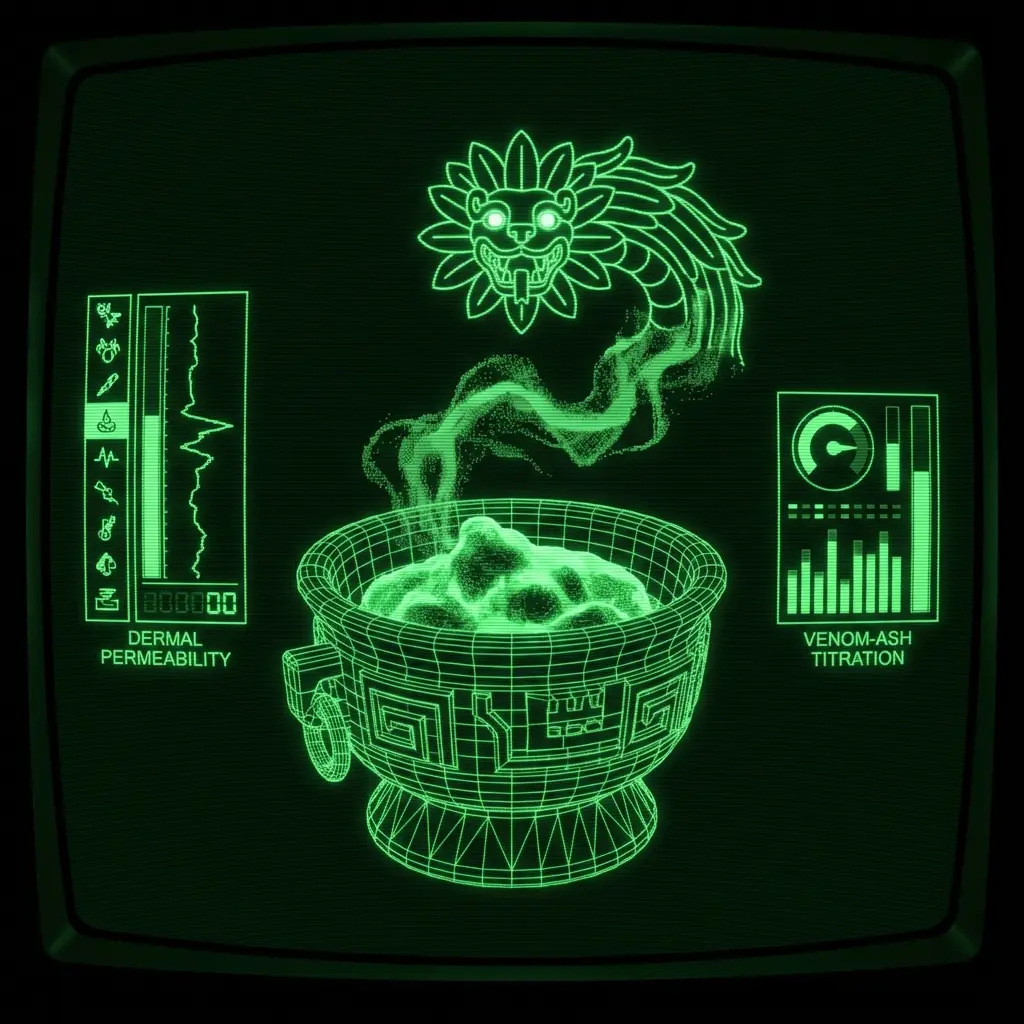
Reconstructing teotlaqualli as a skin-delivered entheogen—tobacco, ololiuhqui, and ‘venom-ash’—with testable pharmacology grounded in Nahua sources and modern dermal science.
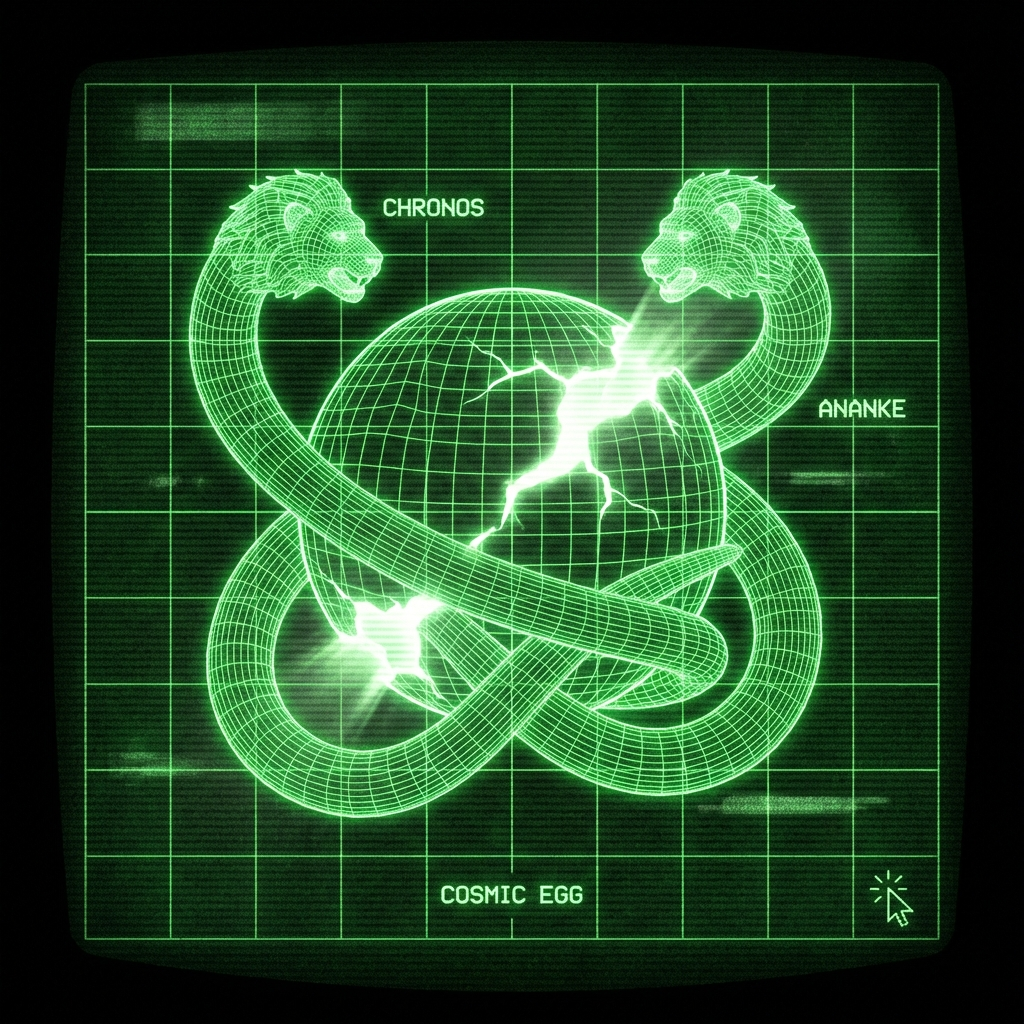
A crisp, source-heavy comparison of world‑egg cosmogonies and their serpent binders—Orphic, Vedic, Chinese, Finnish—to test whether a deeper shared structure sits beneath the oviform surface.
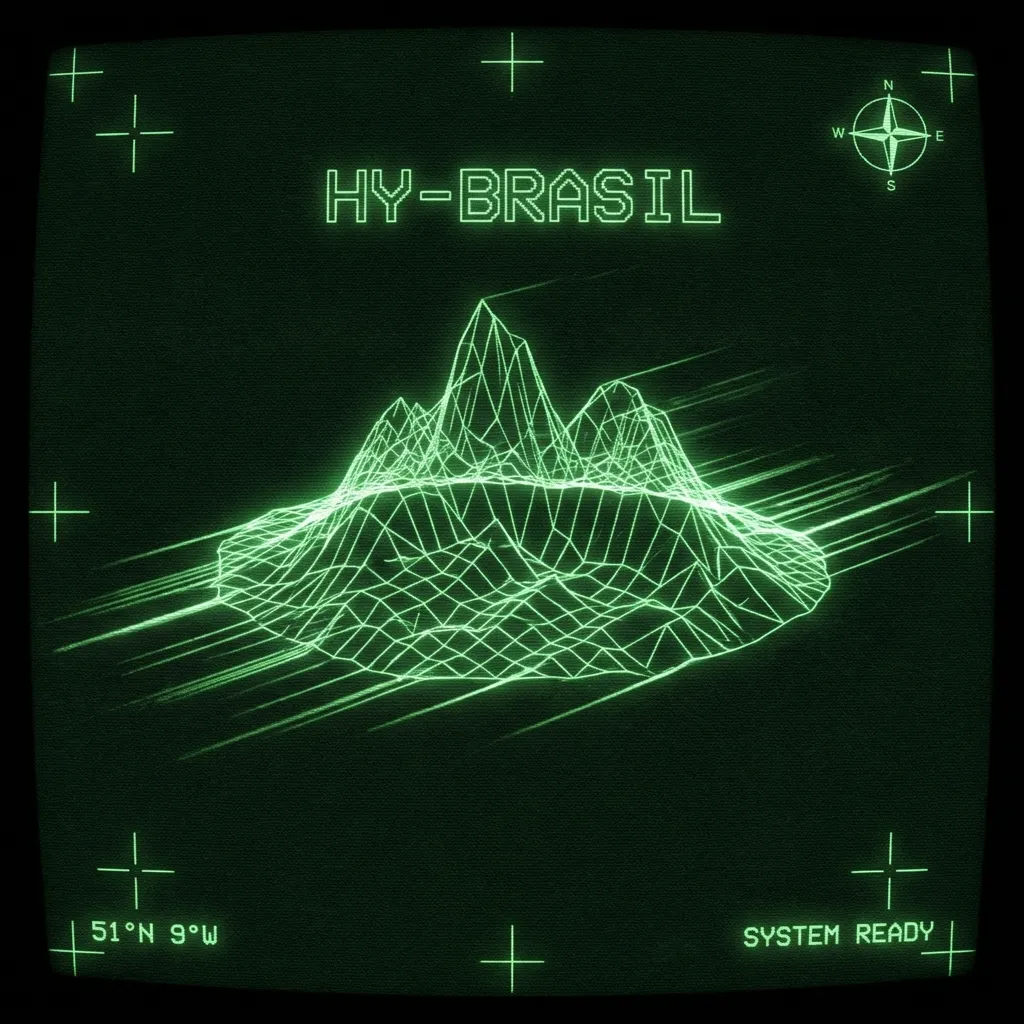
Bristol’s late-15th-century hunts for the phantom isle “Brasil”: what the sources say, what they imply, and how rumor primed England’s leap across the Atlantic.
Can AI write a sci-fi novella?
From Paleolithic serpents and female self-making to the Buddha’s deathless: tracing a cultural-blood chain—from Mal’ta to the Ganges—that flowers as Buddhism.
Reading Heracles’ labors—especially Hippolyta’s girdle and the Eleusinian initiation—as ritual memories where male consciousness apprentices to the Great Mother’s sovereignty.
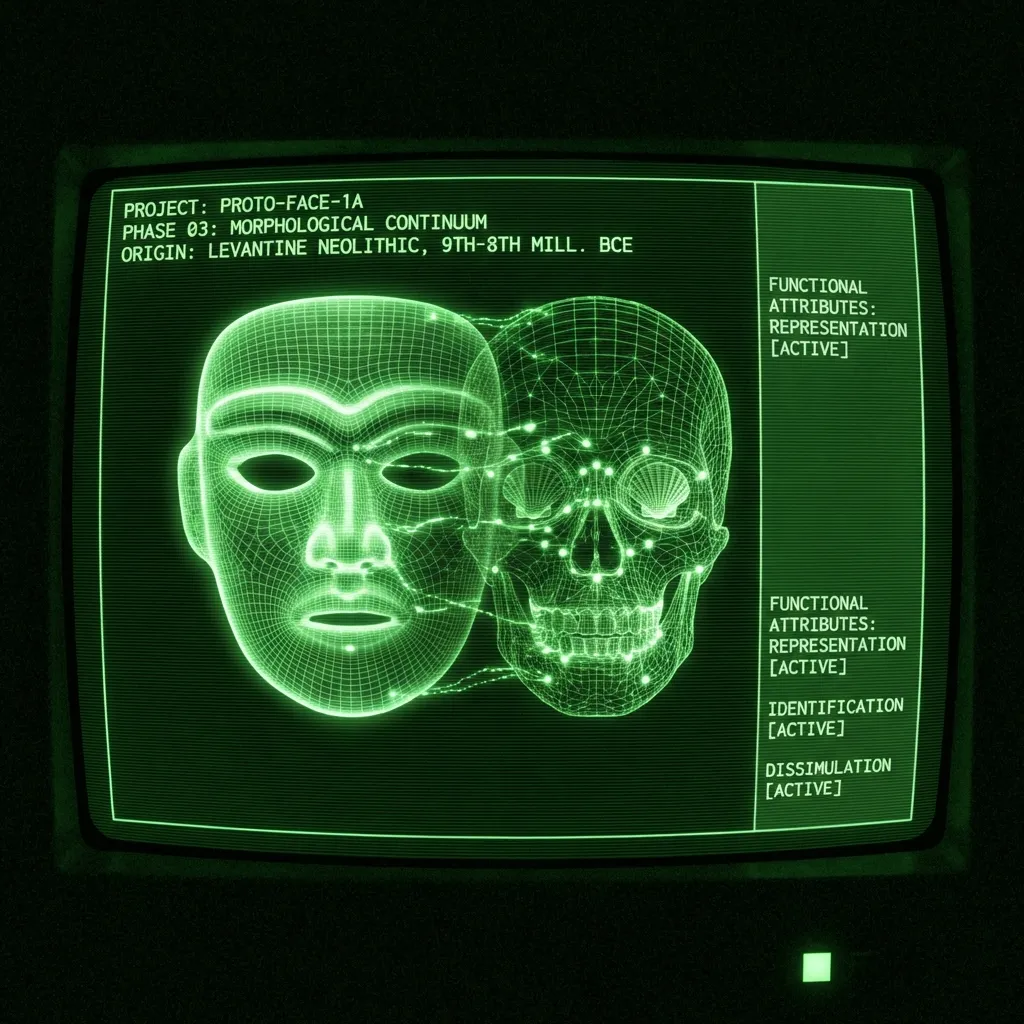
A diffusionist deep dive tracing masked ritual from a single Levantine hearth—stone masks and plastered skulls—to a global grammar of spirit embodiment.
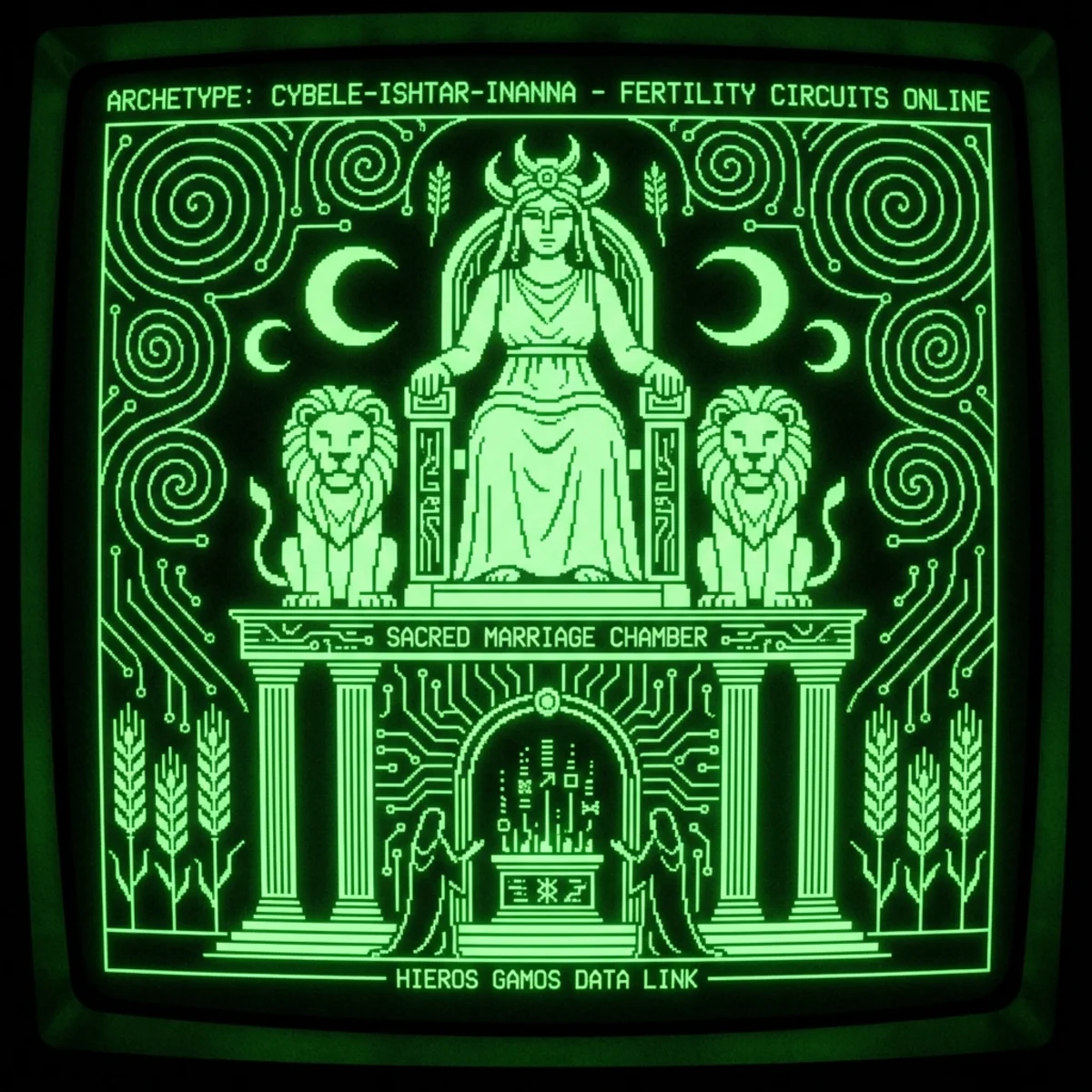
How older scholars stitched the Great Mother to temple sexuality—through hieros gamos, consecrated personnel, and fertility rites—using Greek, Near Eastern, and Roman evidence.
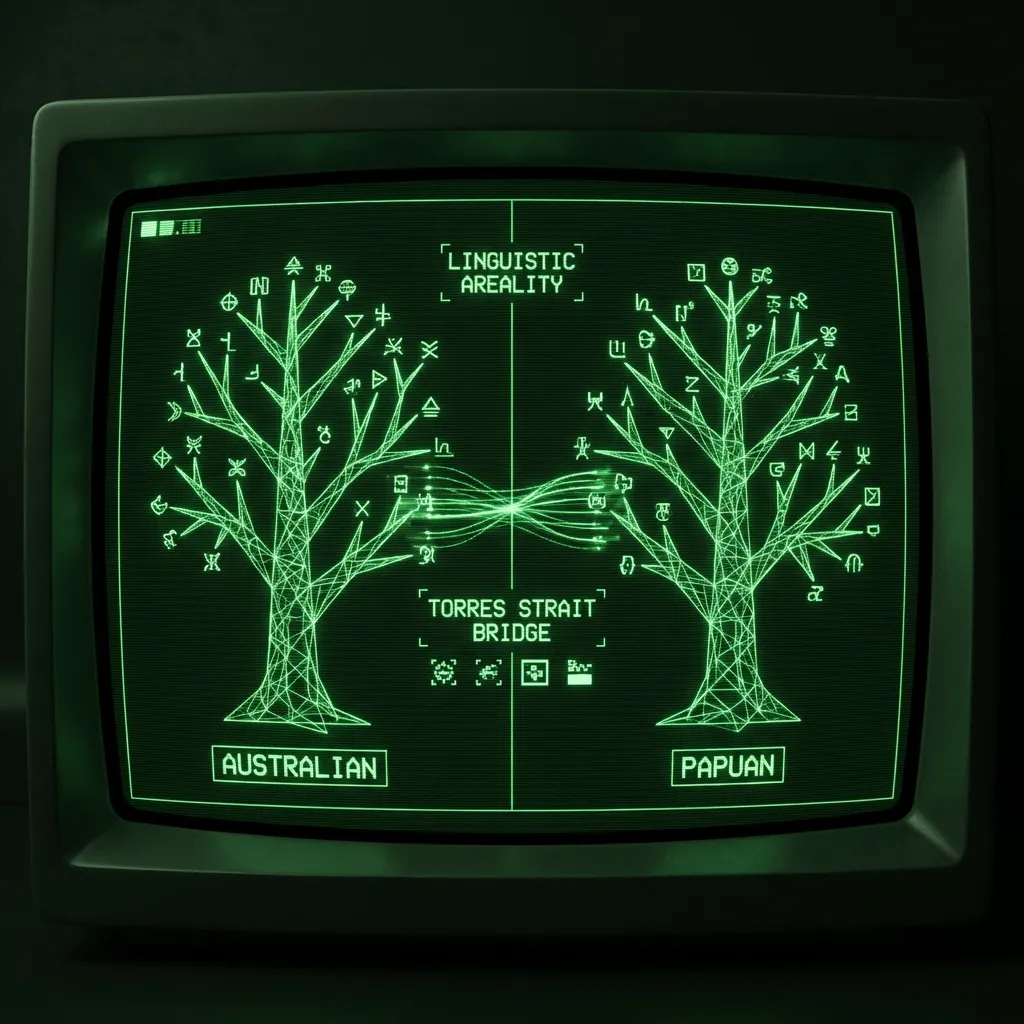
A synthesis of evidence for Australia–PNG linguistic ties—Torres Strait contact, Sahul-era areality, and who argued for them—with primary citations.