The ‘Venom’ Motif in Serpent-Christ Traditions
Do Gnostic writers ever speak of Christ's serpent as literally poisonous—or as an antidote? A source-by-source audit.
Do Gnostic writers ever speak of Christ's serpent as literally poisonous—or as an antidote? A source-by-source audit.
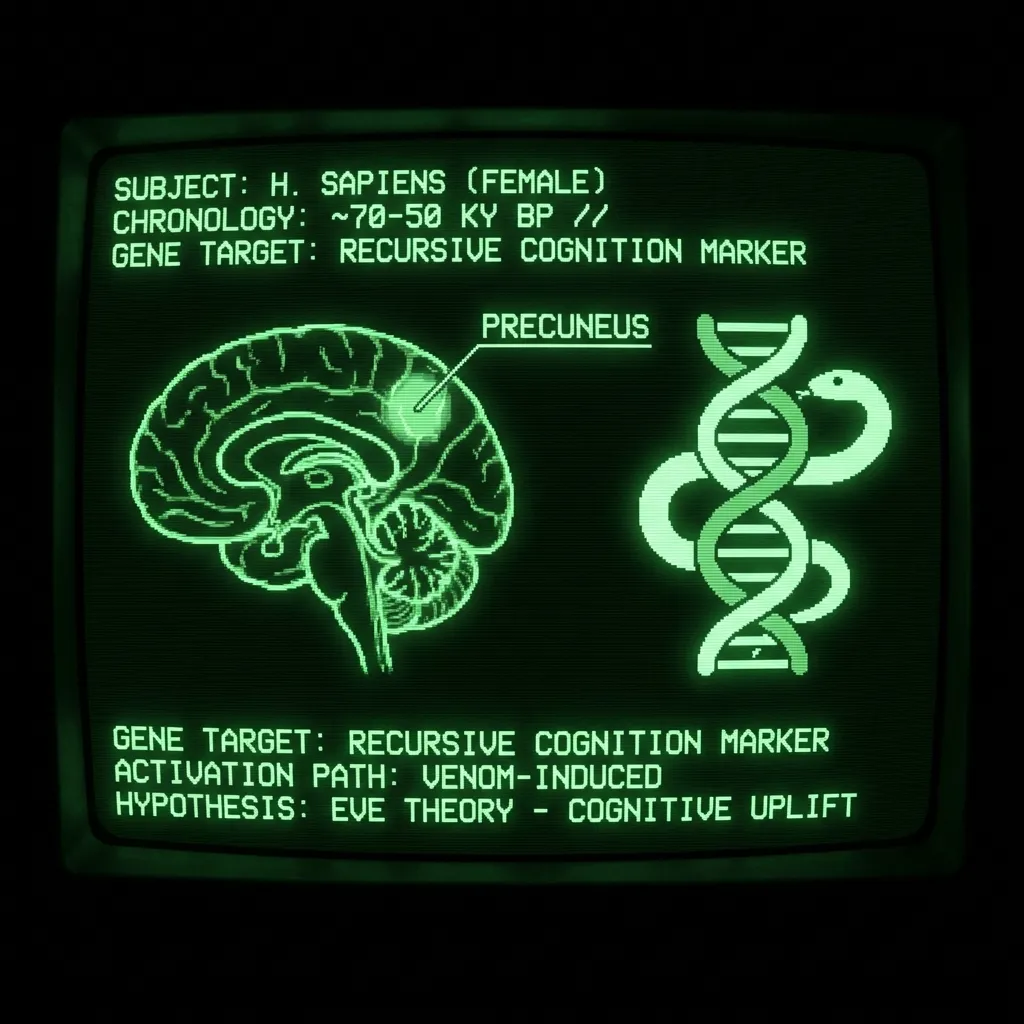
How a late Upper-Pleistocene spark of self awareness spread memetically, rewired our genome, and solved the Sapient Paradox.
How X-linked gene dosage, inactivation escape, and imprinting sculpt human brain development, intelligence, and social behavior.
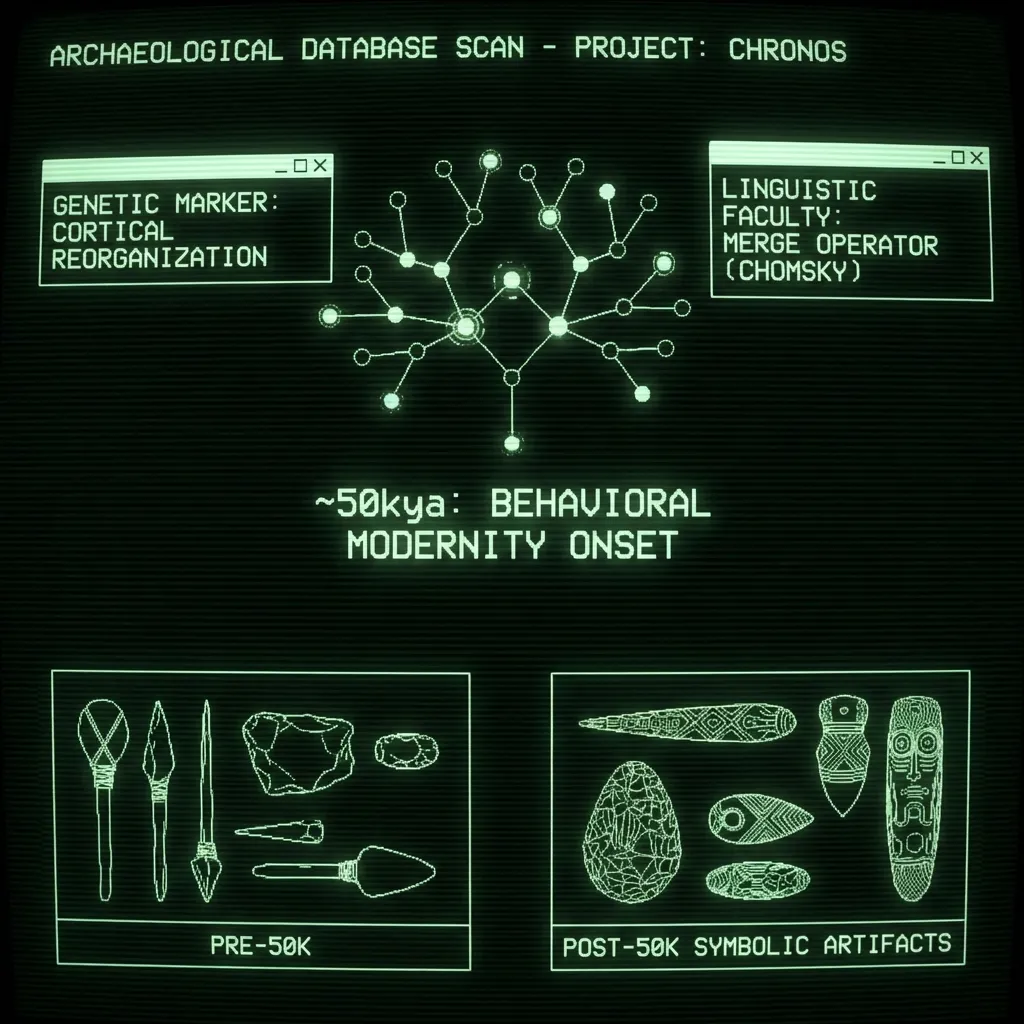
Guide to seven leading theories of the Upper Paleolithic cognitive revolution—what changed, when it happened, and why it sparked modern human behavior.
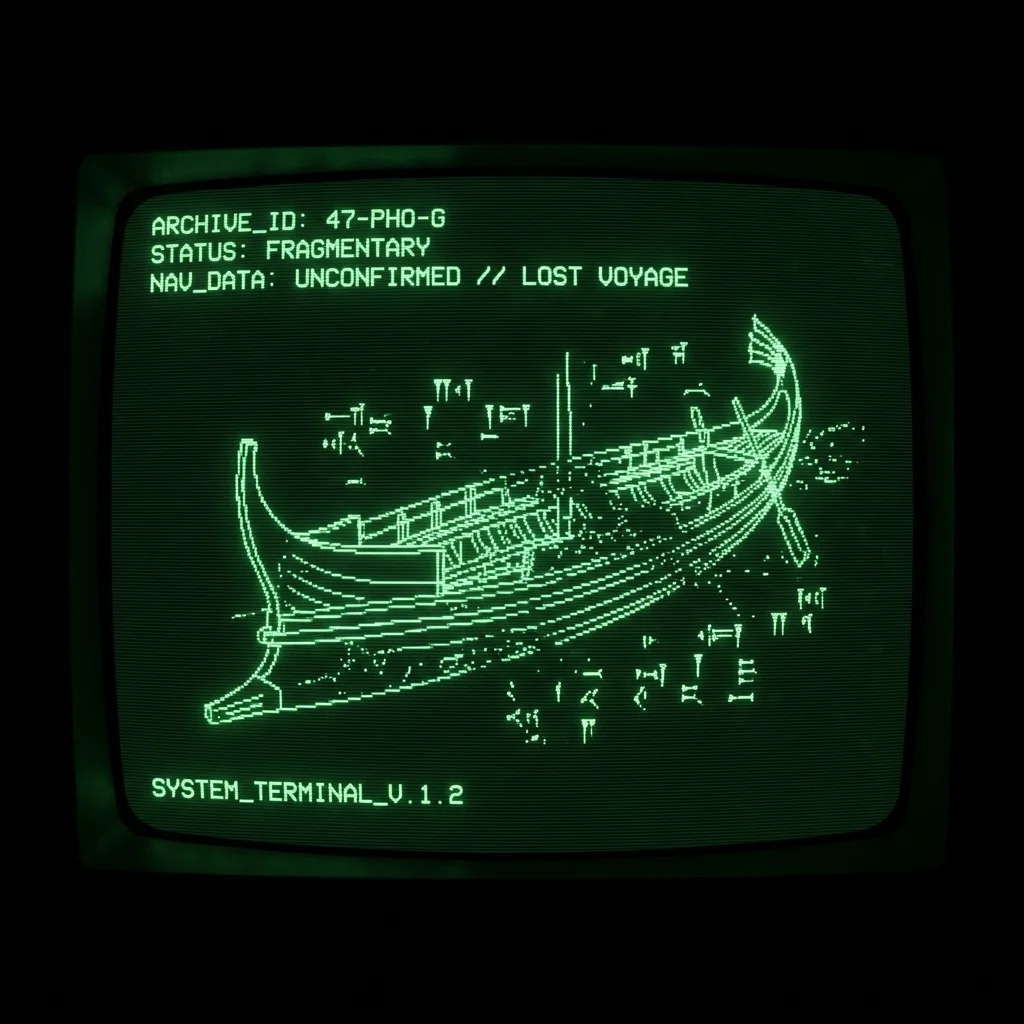
A comprehensive historical analysis of claims that Phoenician sailors reached the Americas before Columbus, examining evidence and scholarly debate from classical antiquity to modern times.
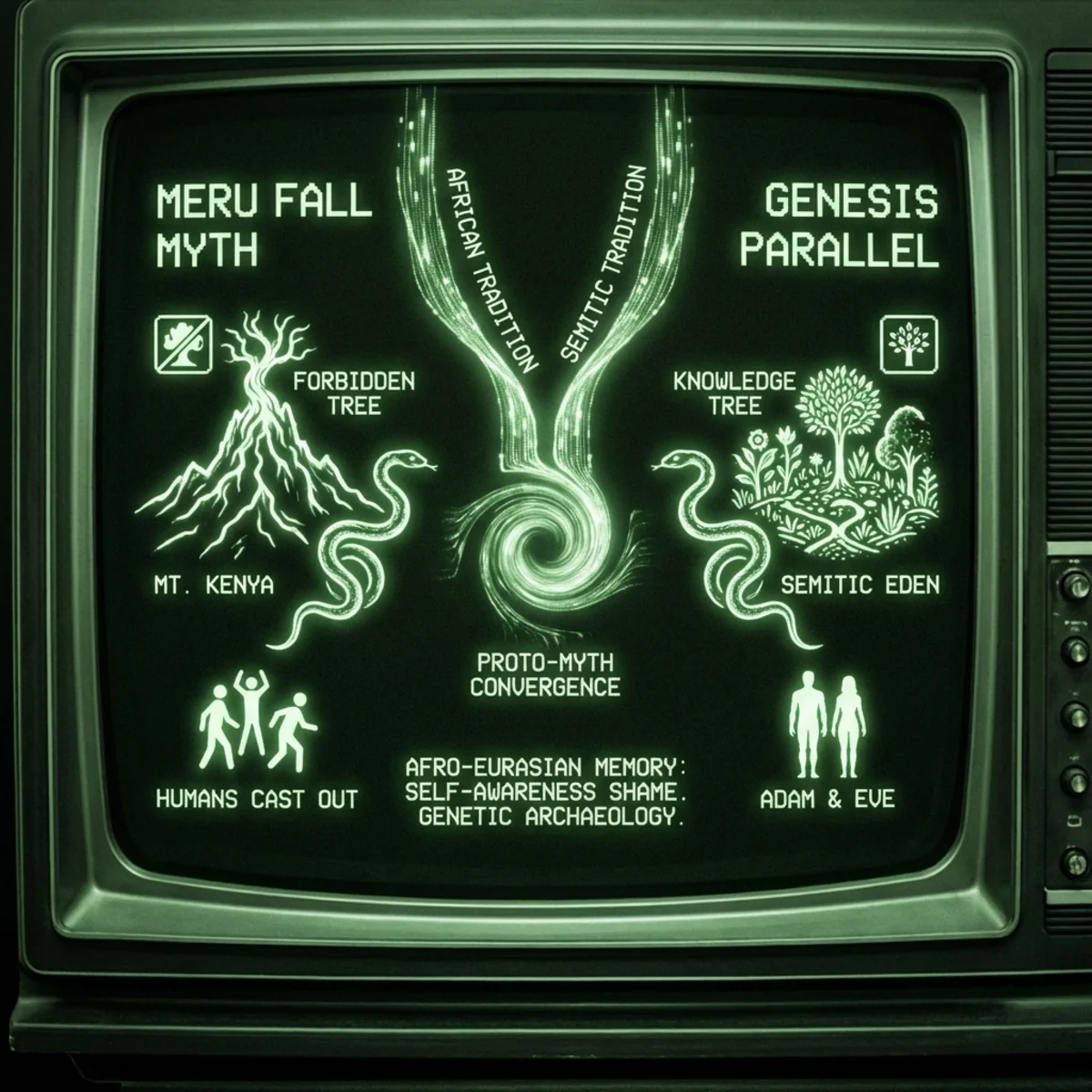
Analysis of the Meru (Kenya) creation myth resembling the biblical Fall, comparing motifs (forbidden tree, serpent, lost immortality) with Afro-Eurasian parallels.
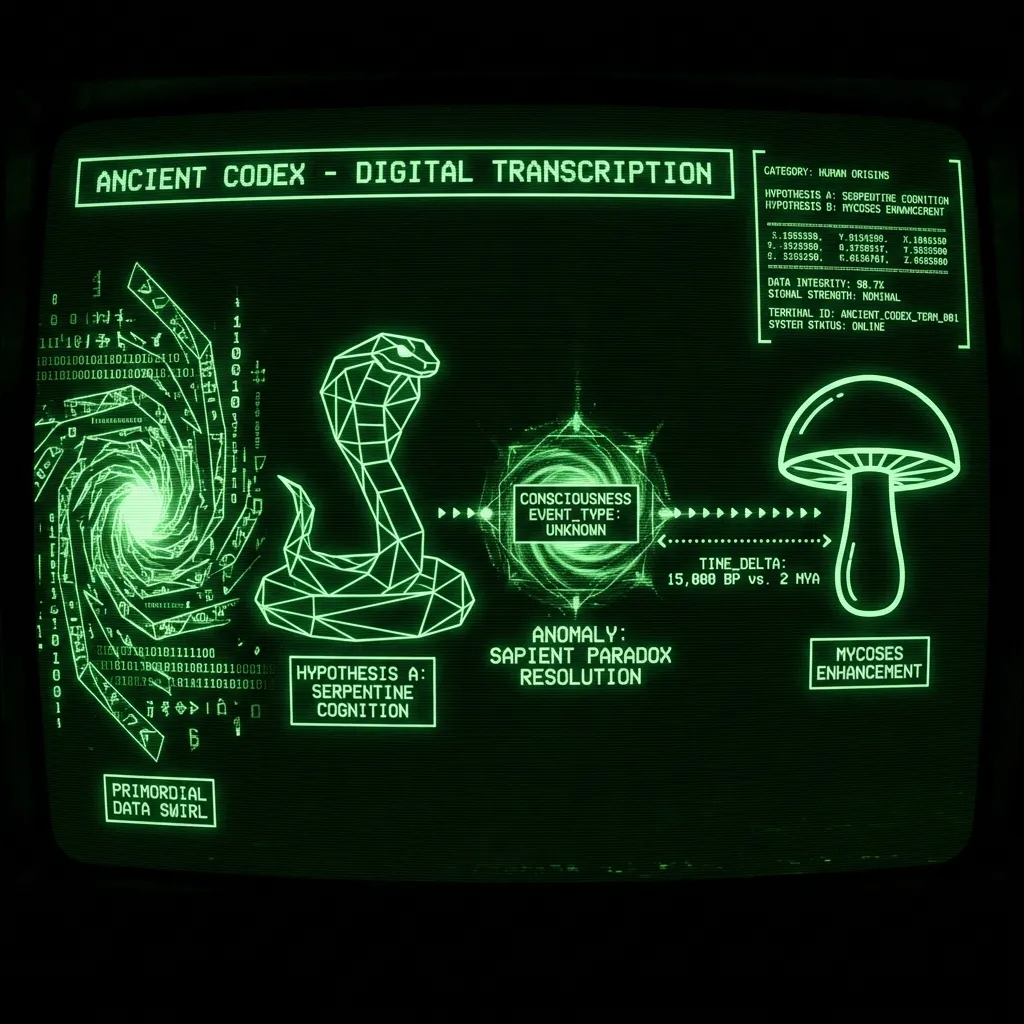
An exploration of two theories on the origins of human consciousness: the Snake Cult/[Eve Theory](https://www.vectorsofmind.com/p/eve-theory-of-consciousness-v3) (snake venom) versus the Stoned Ape Theory (psilocybin mushrooms).
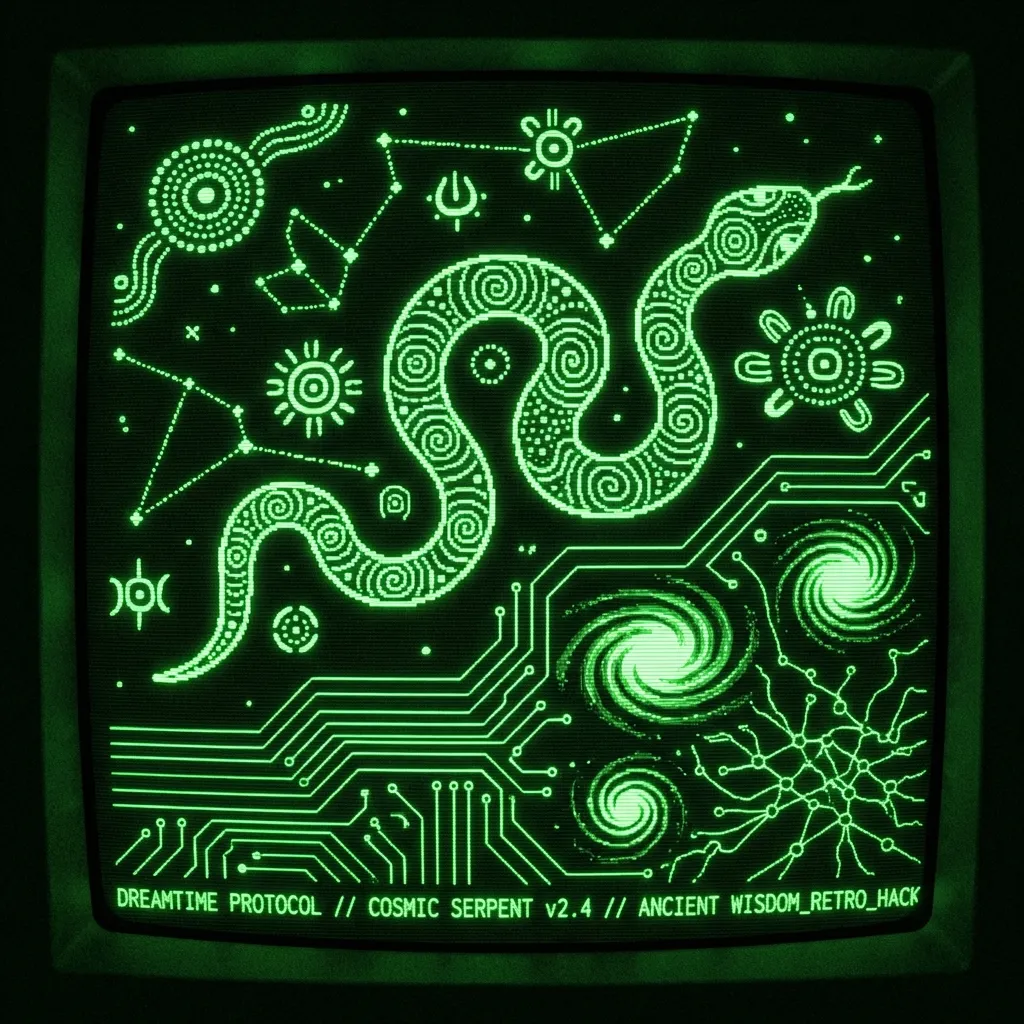
Comparison of the early Holocene emergence of the Aboriginal Dreamtime symbolic system with the Near East's Neolithic 'revolution of symbols,' examining Australian rock art, technology, exchange networks, language diffusion, and cognitive …
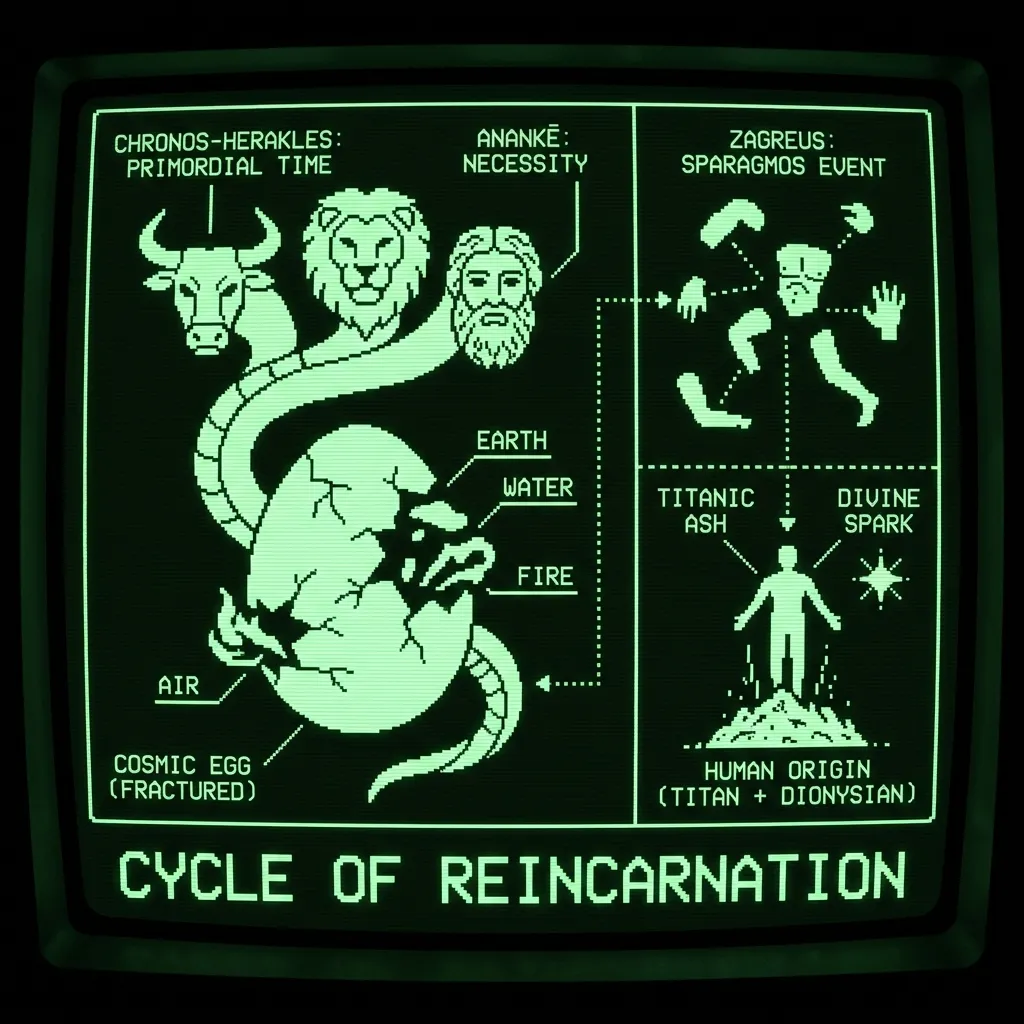
A detailed exploration of the complementary roles of Cosmic Herakles (Chronos) and Dionysus Zagreus in Orphic theogony, myth, ritual praxis, and Neoplatonic interpretation.
Deep synthesis of Tom Froese's Ritualised-Mind Hypothesis and Andrew Cutler's Eve/Snake-Cult Theory, resolving the Sapient Paradox through ritual-mediated recursion, female agency, and gene–culture sweeps.