Human Self-Domestication: Major Lines of Evidence and Theory
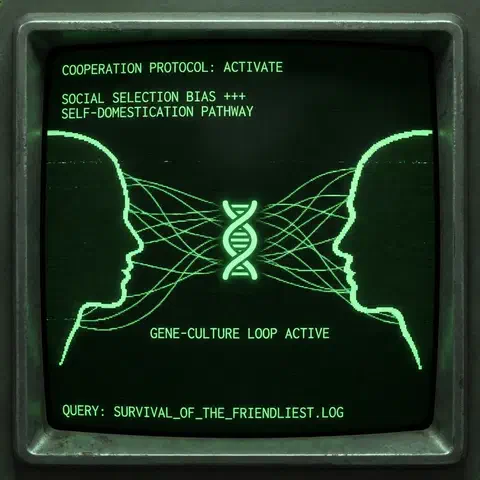
Surveying genetic, anatomical, and cultural evidence that humans tamed themselves through “survival of the friendliest.”
Surveying genetic, anatomical, and cultural evidence that humans tamed themselves through “survival of the friendliest.”
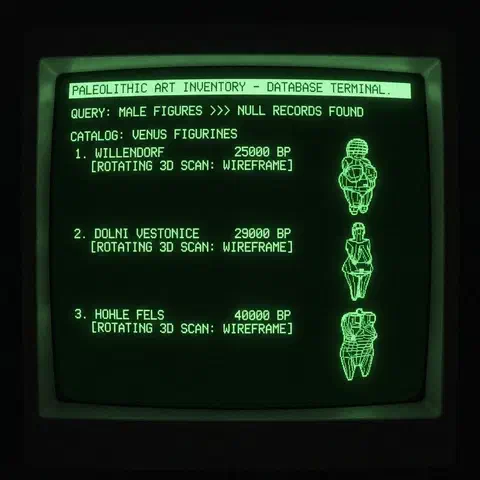
Integrating Venus figurines, goddess myths, and X-chromosome sweeps to re-evaluate women’s possible leadership in early human culture.
How a simple whirled instrument traces the spread of male secret societies and ritual culture from the Late Paleolithic to the present.
Do the widespread 1sg n-/m- and 2sg b-/w- paradigms signal an African macro-family, or are they just the linguistic fingerprints of 12 000 years of contact?
Why so many cultures tell of a great flood, how the flood-myth families are related, and why the deluge may remember humanity’s awakening.
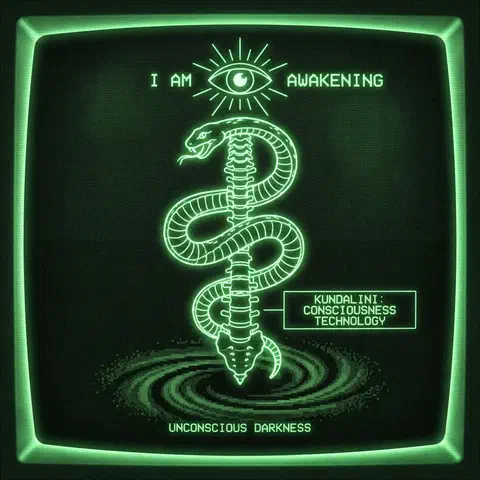
A deep exploration of how mystic philosopher Manly P. Hall might interpret the Eve Theory of Consciousness—the notion that human self-awareness (“I am”) arose relatively recently—by examining ancient …
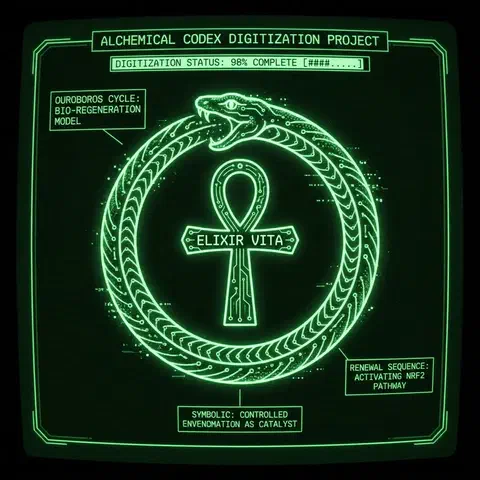
Why serpent venom microdosing sits at the root of alchemical, Daoist, and New‑Age quests for an elixir of life—and what that implies about early biotech.
The Snake Cult of Consciousness reframes the Sapient Paradox: behavioral modernity emerged ~15 kya through memetic—not genetic—diffusion of selfhood.
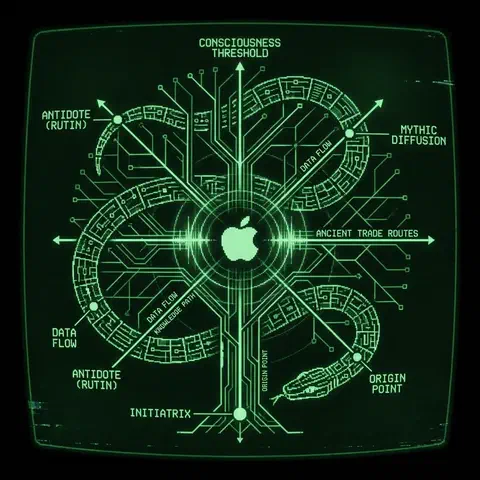
Why Genesis pairs a snake with an apple: a Paleolithic antivenom-and-vision ritual encoded in myth.
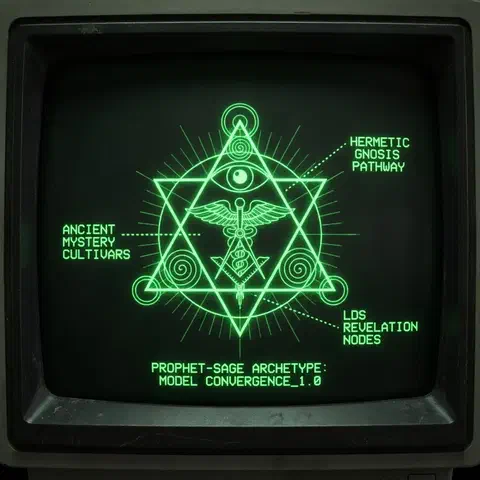
Comparative analysis of Joseph Smith’s Enoch revelations and the Hermetic Poimandres vision, exploring the Enoch-Hermes tradition.