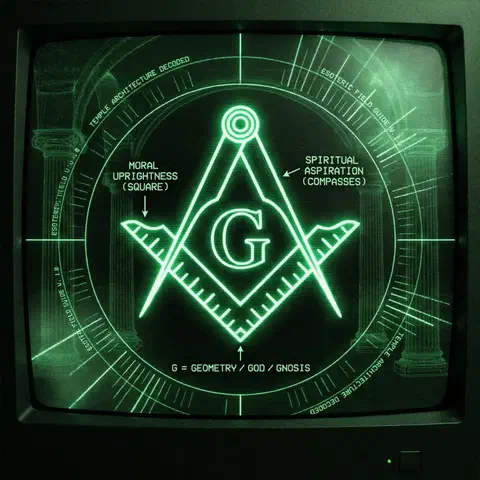
Square, Compasses, and the Letter G: What the Masonic Emblem Means and Where It Came From
What the Masonic square and compasses and the letter G mean, where they came from in medieval stonemasonry, and what older geometry they do and do not inherit.
What the Masonic square and compasses and the letter G mean, where they came from in medieval stonemasonry, and what older geometry they do and do not inherit.
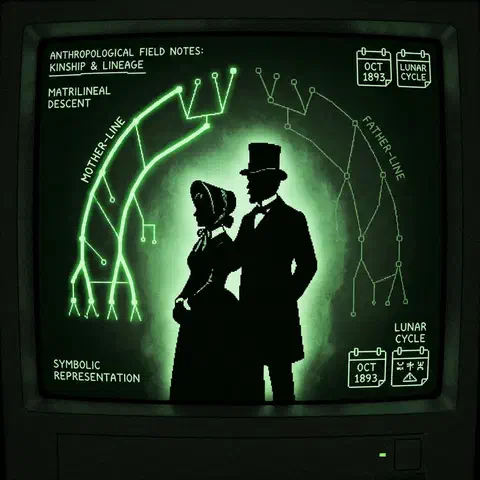
What Darwin actually said about early human social order—monogamy, polygyny, polyandry, ‘communal marriage,’ matriliny, time depth, and gene–culture feedback—with primary-source quotes.
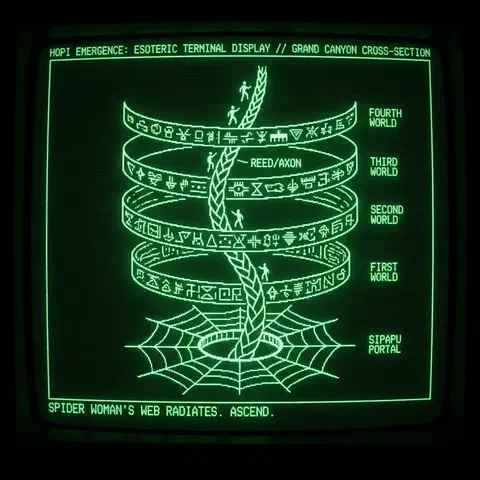
From Hopi sipapus to Andean caves, New‑World creation stories mirror the moment ‘Eve’ first looked back at herself.
From late‑Vedic karma cycles to New‑Age past‑life therapy, a longue‑durée history of metempsychosis—plus the murky, pre‑literate hints that the doctrine may be Ice‑Age old.
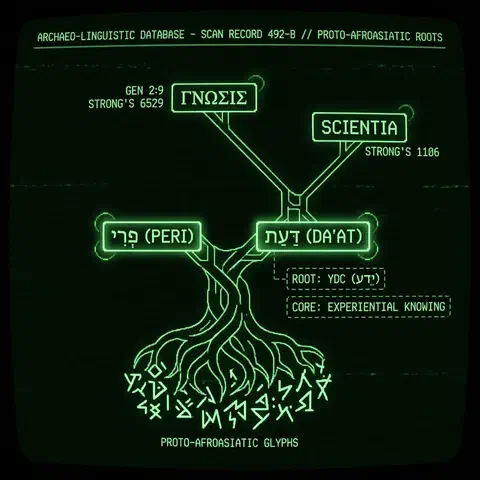
A philological dive into the Hebrew words for “fruit” and “knowledge” in Genesis, how they shift in Greek and Latin, and the later myths they spawned.
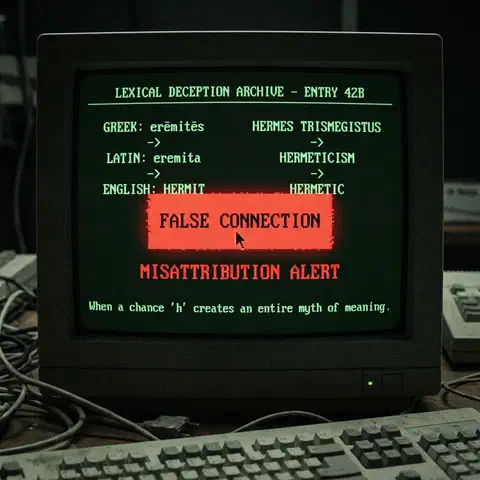
How a once‑secret magical philosophy slipped into everyday English, from ‘quintessential’ cocktails to the vacuum‑packed peanuts you bought yesterday.
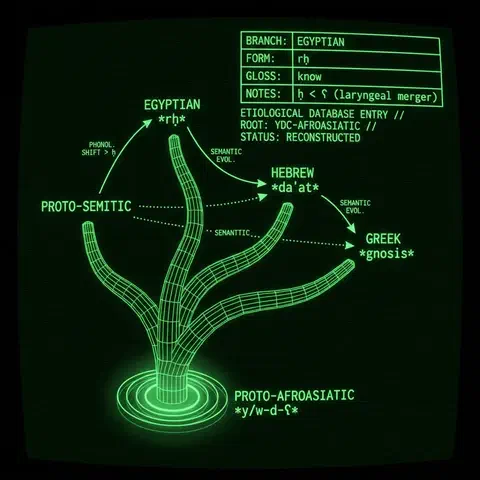
A philological safari that follows the Hebrew word for “knowledge” from a prehistoric Afroasiatic root through Akkadian, Aramaic, and Egyptian detours all the way to the Nag Hammadi codices.
Why the English coinage atonement eclipsed classical terms like Latin reconciliatio, Greek katallagē, and Hebrew kippur—and what that shift says about Reformation‑era thought.
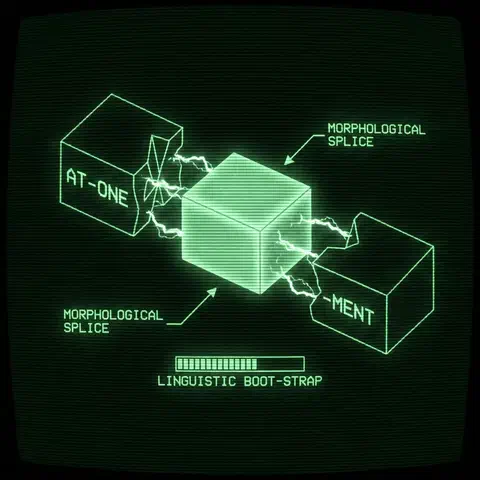
A deep dive into how the word atonement grew from the Middle‑English phrase “at one” plus the French‑derived suffix ‑ment, and what that splice reveals about the youth of English.
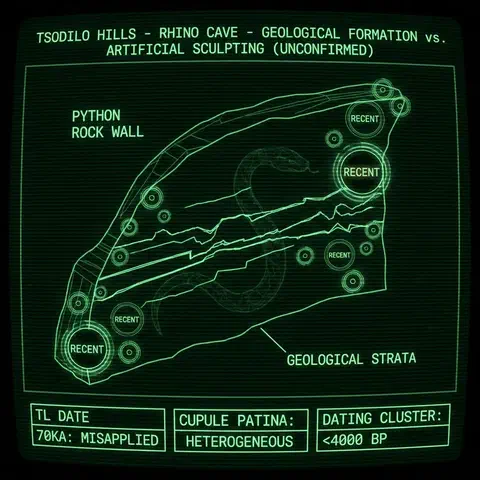
Why the celebrated ‘python’ carving in Botswana’s Tsodilo Hills is almost certainly a geological quirk mis-sold as the world’s first ritual.