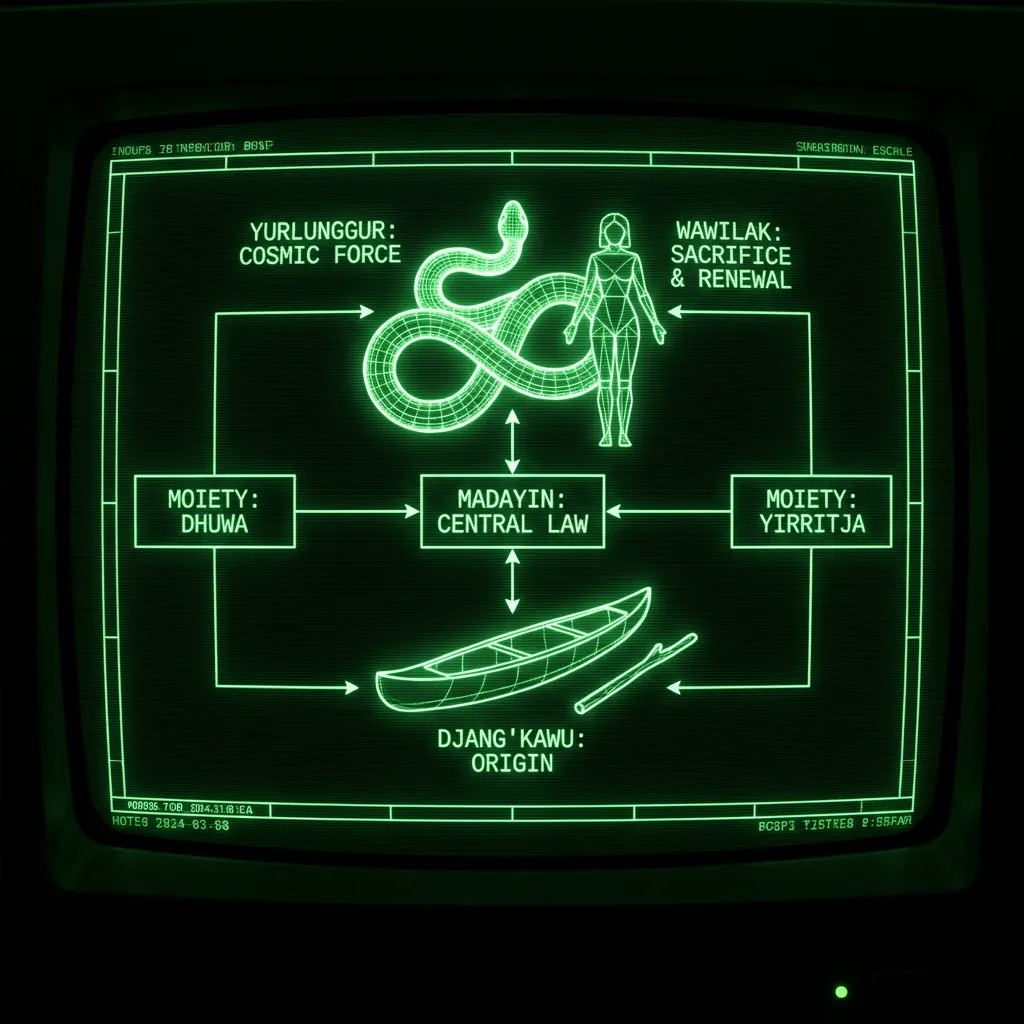
Djang’kawu & Wawilak Sisters: Yolngu Charters of Law, Language, and Country
A research-oriented account of the Yolngu Djang’kawu and Wawilak Sisters cycles—origins of law, language, and ceremony—mapped to EToC.
A research-oriented account of the Yolngu Djang’kawu and Wawilak Sisters cycles—origins of law, language, and ceremony—mapped to EToC.
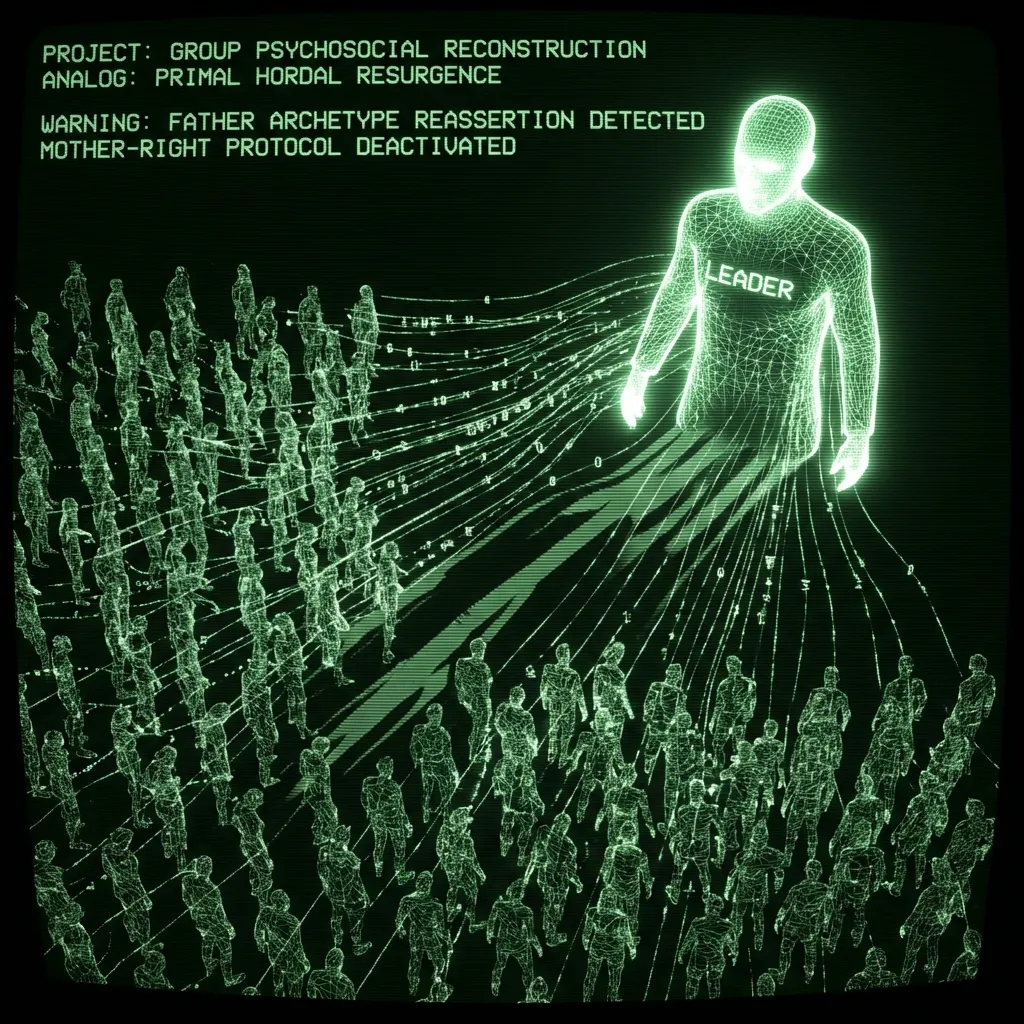
What Freud actually said about a primordial matriarchy: Darwinian horde → parricide → totemic brother‑clan with mother‑right → restitution of patriarchy, with primary‑source receipts.
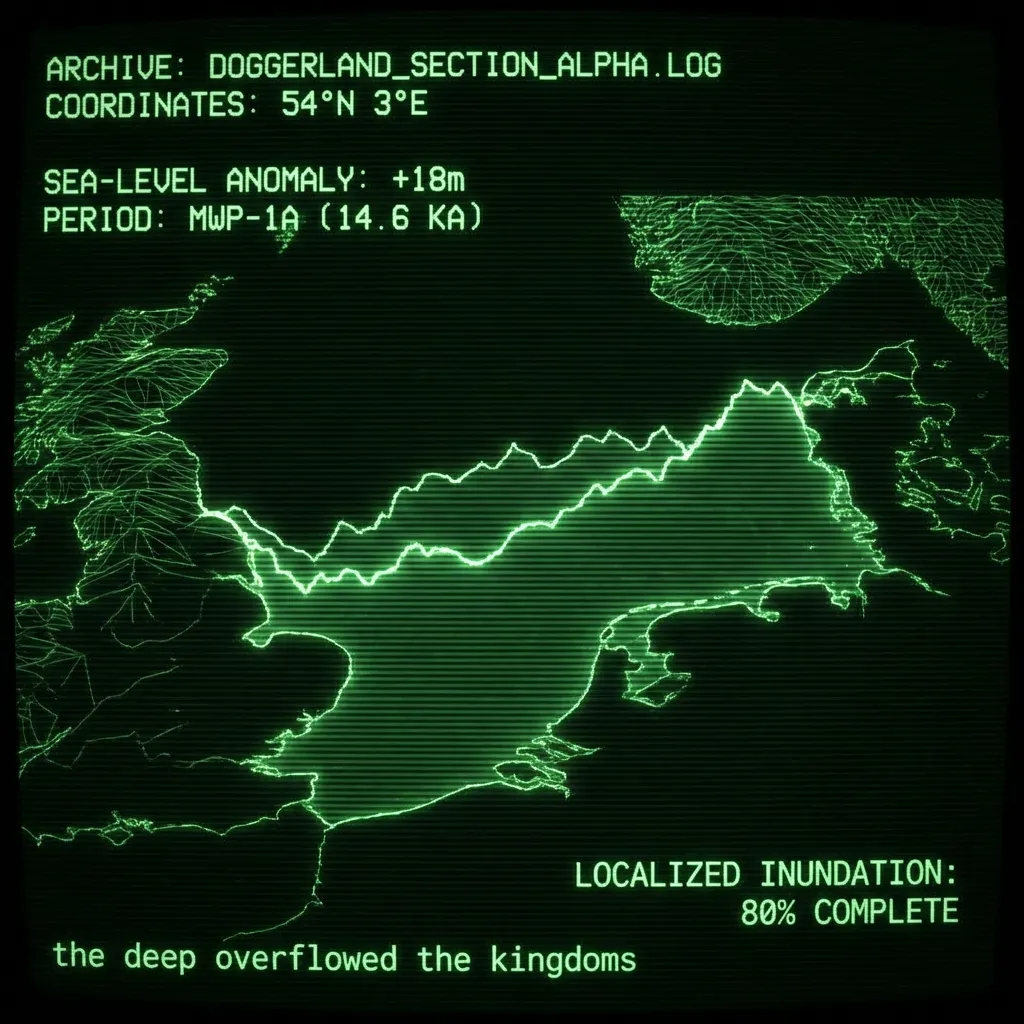
A source-heavy, neutral survey of myths about long winters, cataclysmic floods, and great meltwaters—assessing if any preserve Ice Age memories.
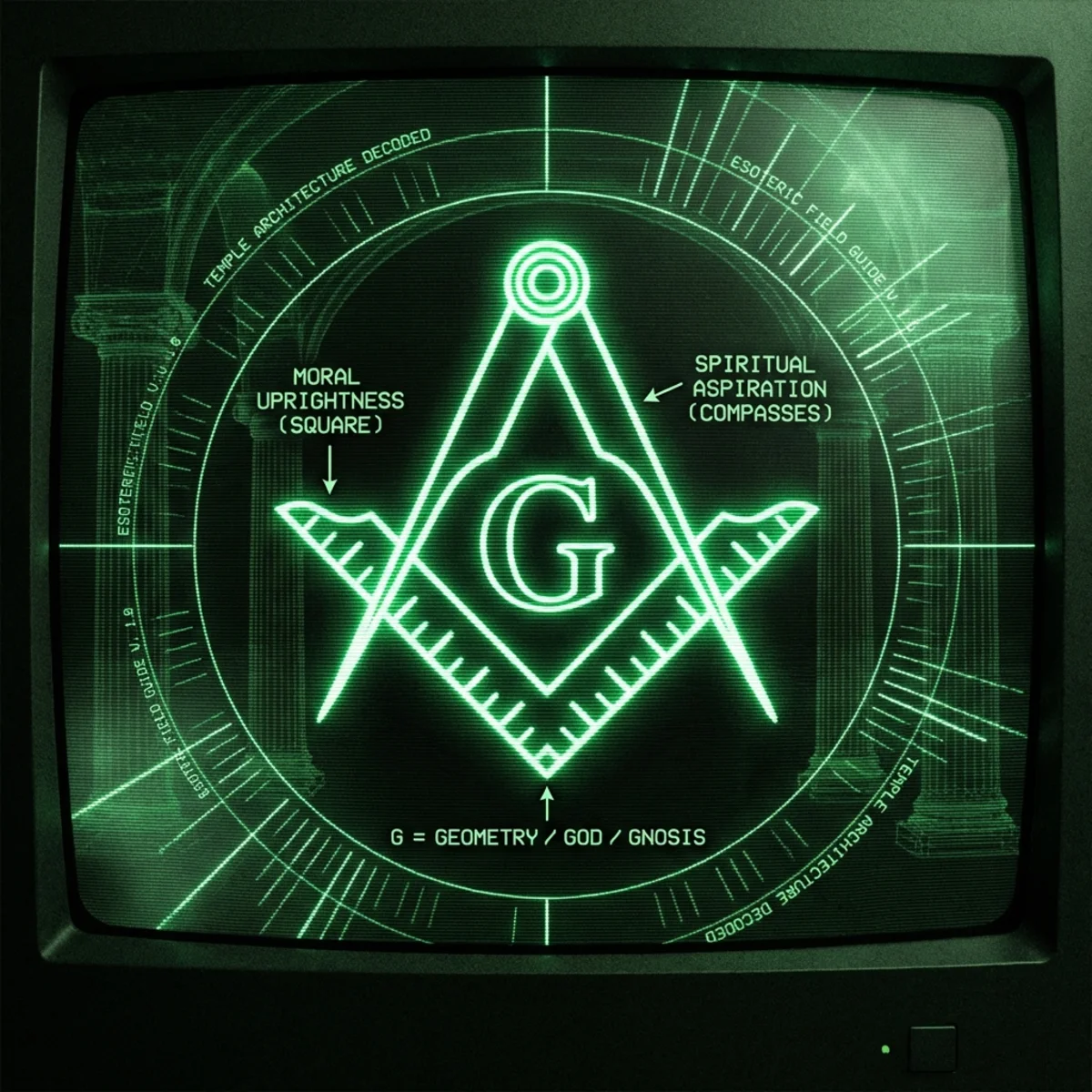
What the Masonic square and compasses and the letter G mean, where they came from in medieval stonemasonry, and what older geometry they do and do not inherit.
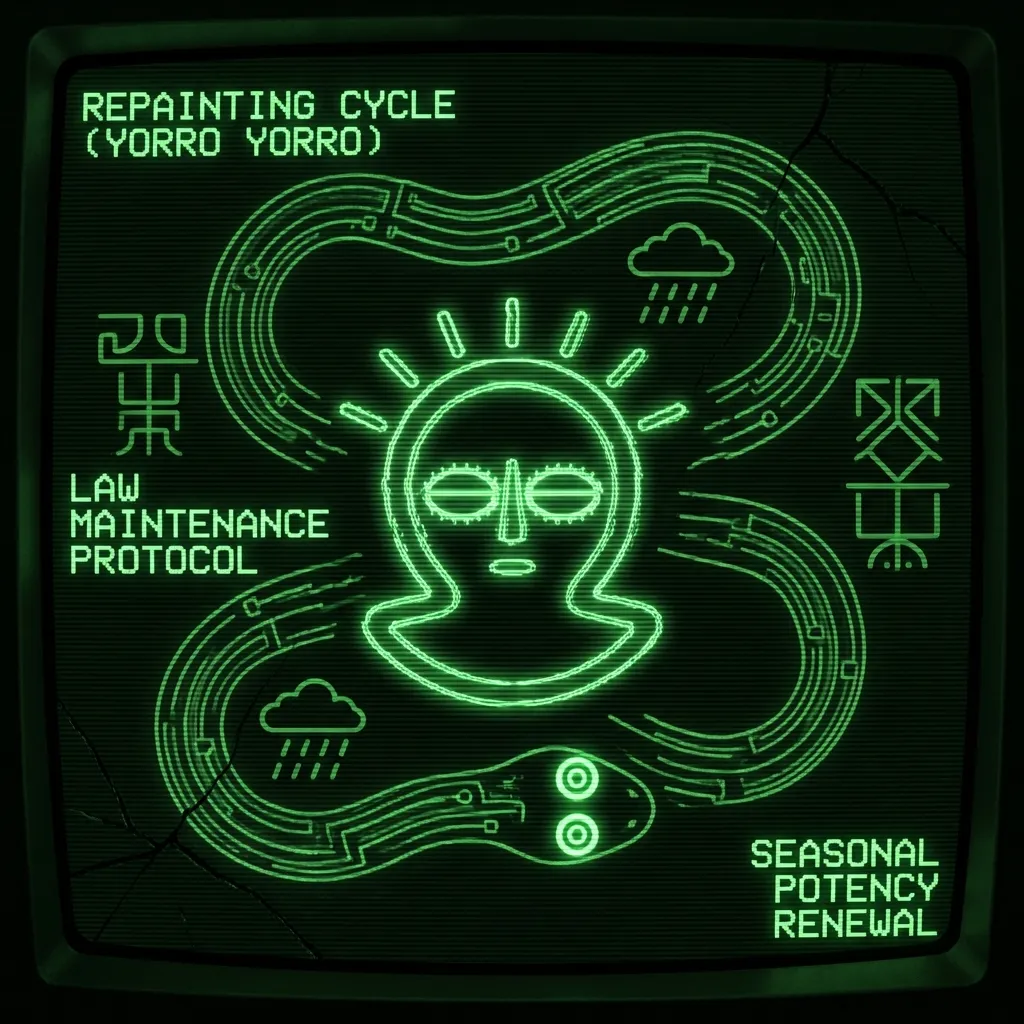
A research‑oriented account of the Wanjina Wunggurr creation complex (Worrorra–Ngarinyin–Wunambal), showing how repainting rock images sustains seasonal order and Law.
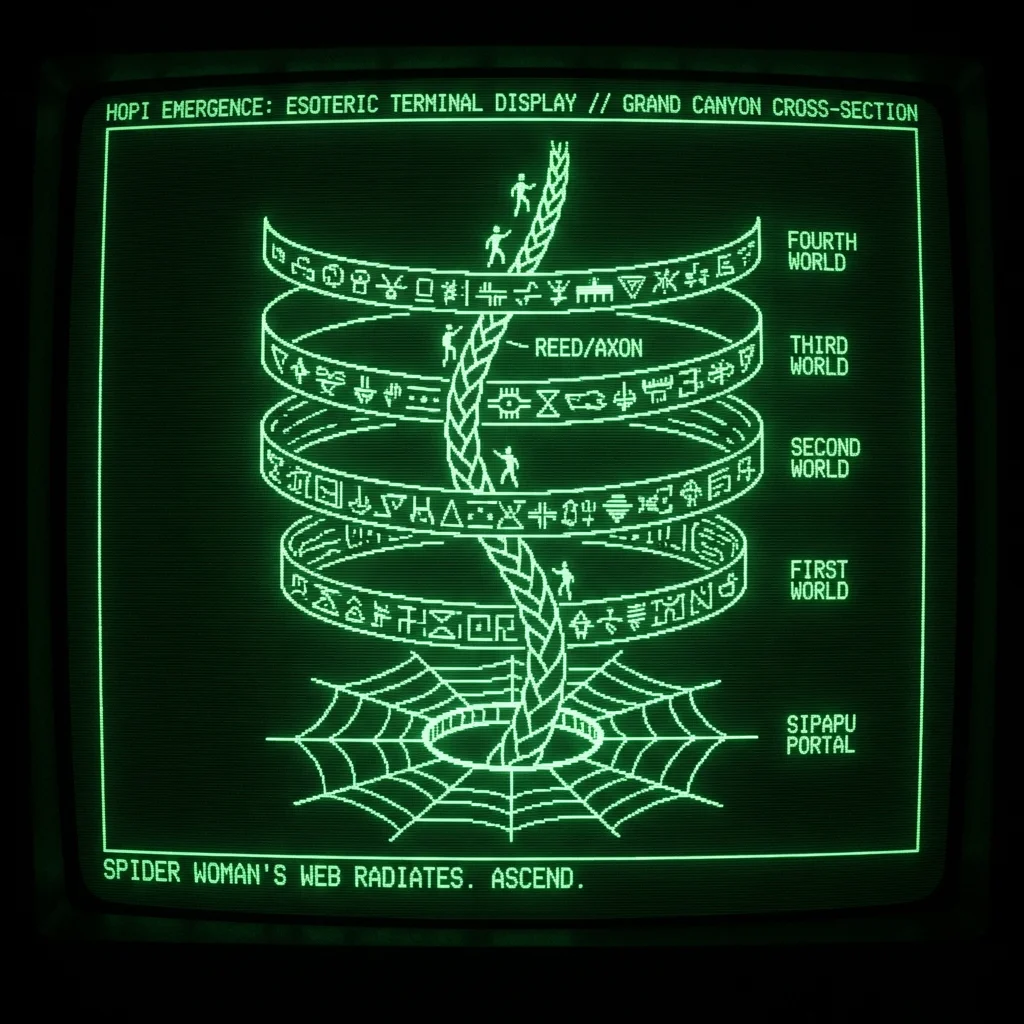
From Hopi sipapus to Andean caves, New‑World creation stories mirror the moment ‘Eve’ first looked back at herself.
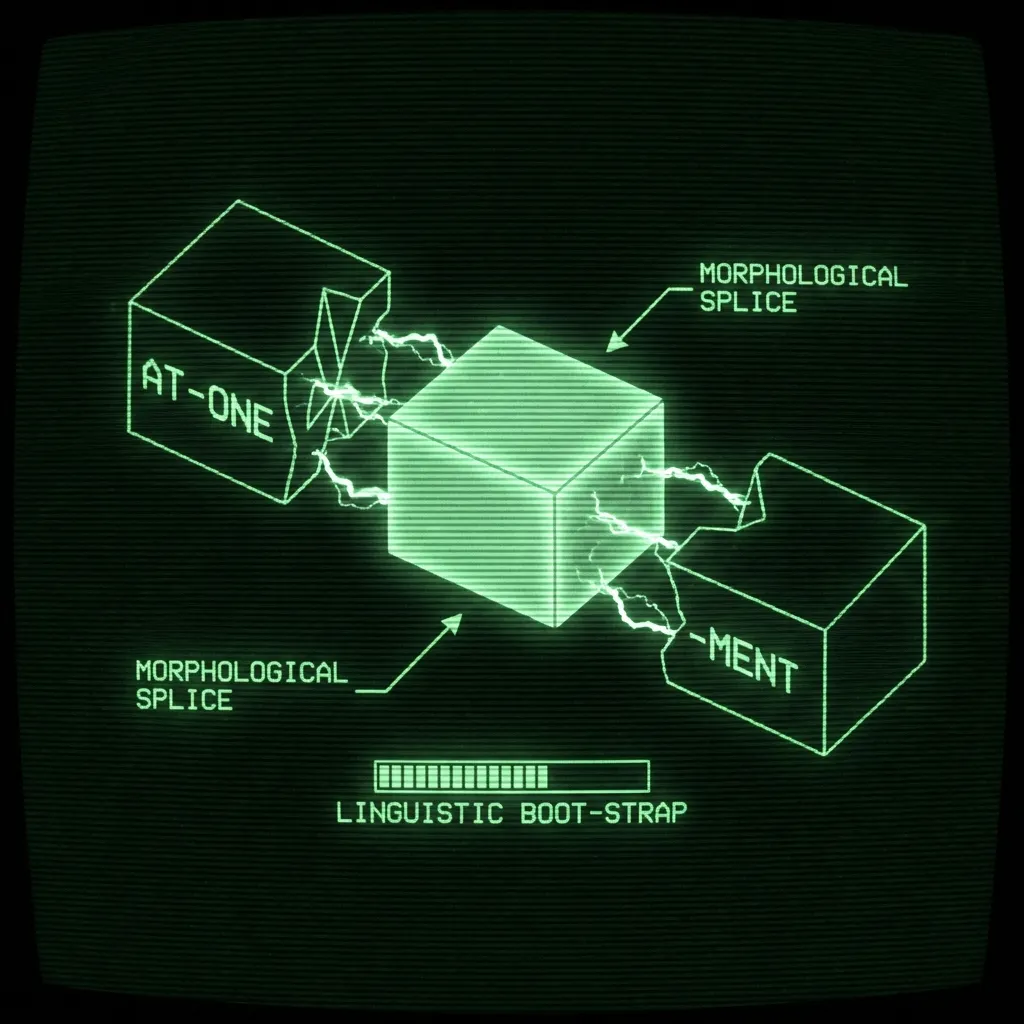
A deep dive into how the word **atonement** grew from the Middle‑English phrase “at one” plus the French‑derived suffix **‑ment**, and what that splice reveals about the youth of English.
Why the English coinage **atonement** eclipsed classical terms like Latin *reconciliatio*, Greek *katallagē*, and Hebrew *kippur*—and what that shift says about Reformation‑era thought.
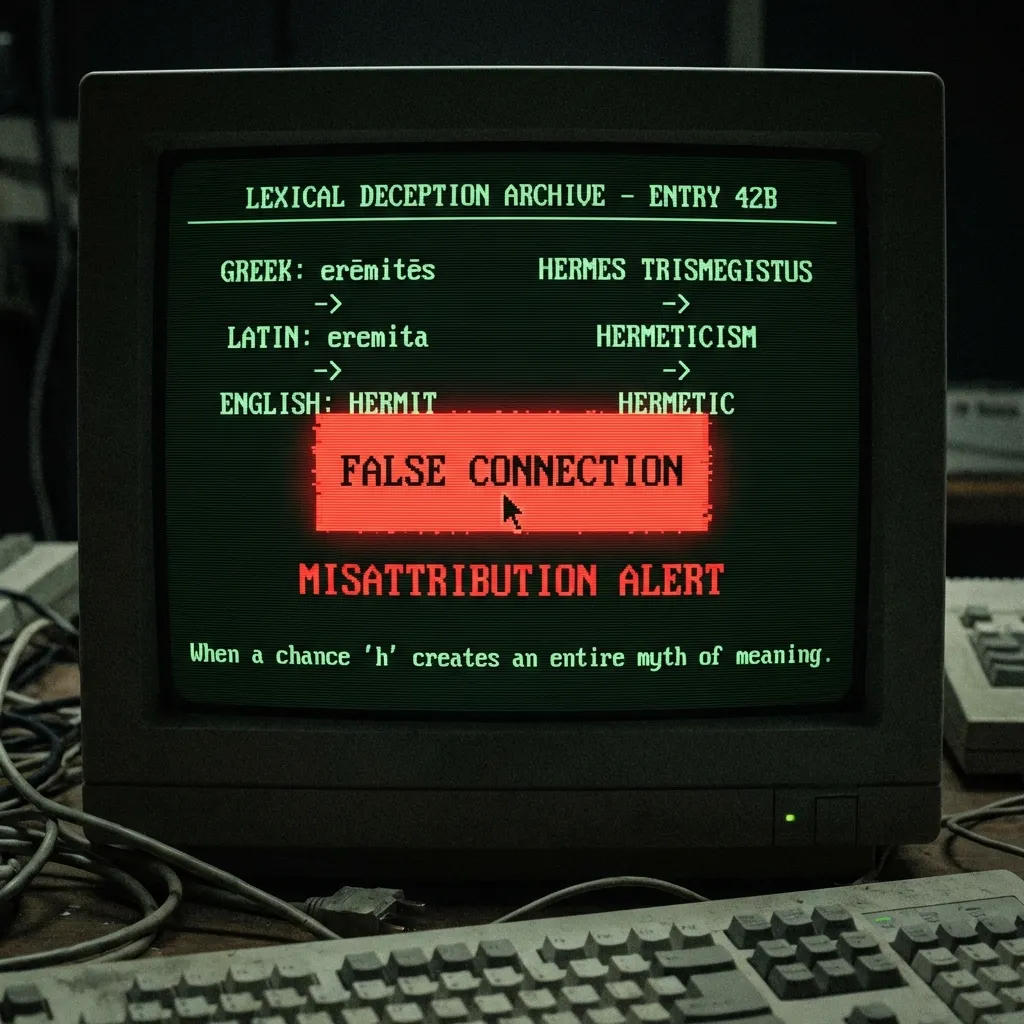
How a once‑secret magical philosophy slipped into everyday English, from ‘quintessential’ cocktails to the vacuum‑packed peanuts you bought yesterday.
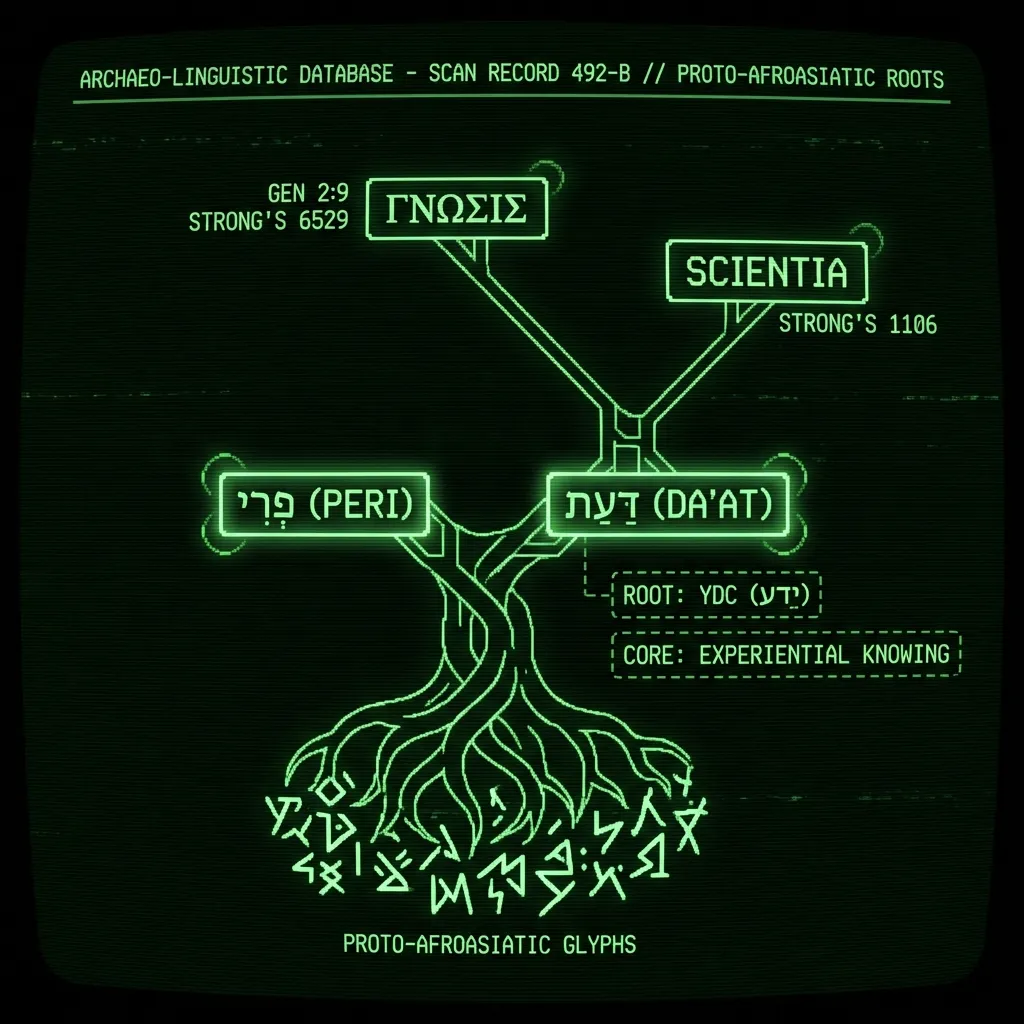
A philological dive into the Hebrew words for “fruit” and “knowledge” in Genesis, how they shift in Greek and Latin, and the later myths they spawned.