The Pirahã in Eden: A Holdout Beyond the Human Condition
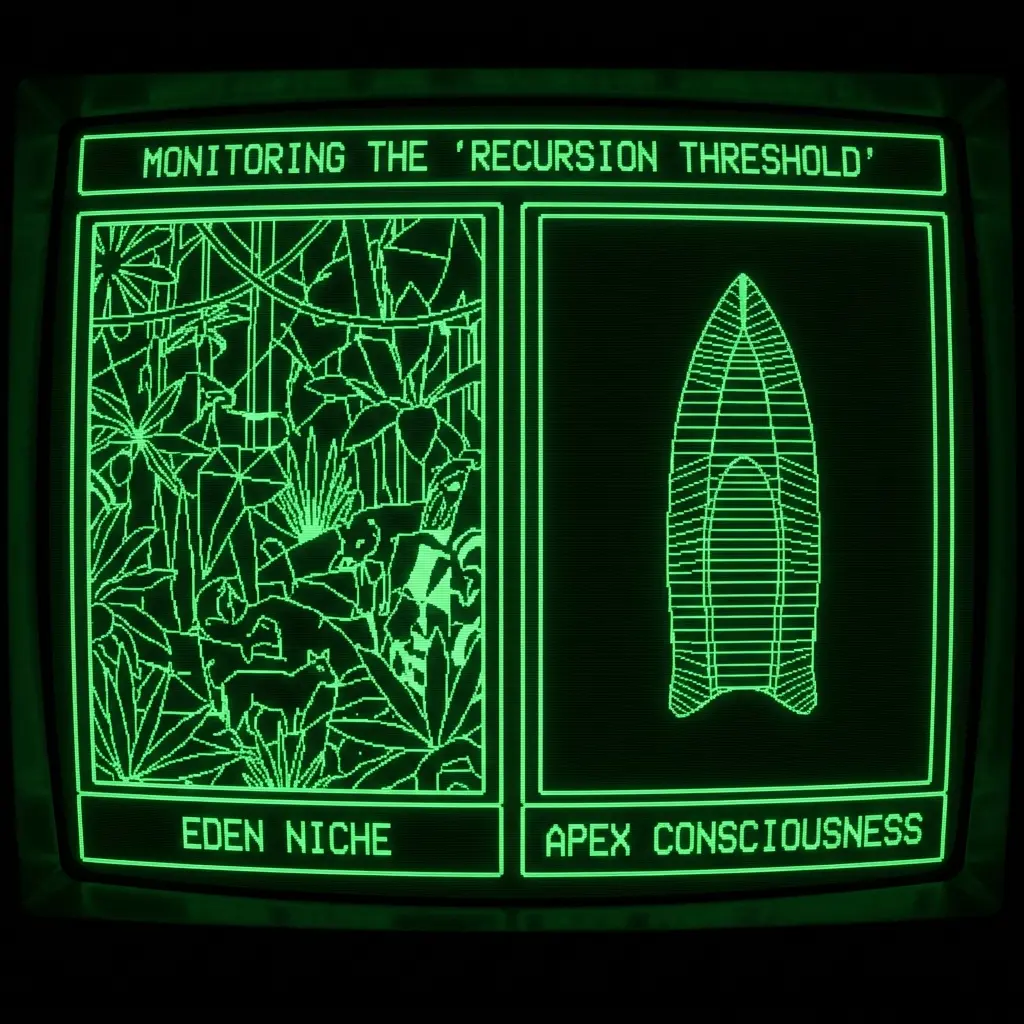
Argues—within the Eve & Snake Cult theories—that Pirahã culture preserves a pre-Holocene mode of mind; contrasts with Clovis-era ‘apex’ consciousness; weighs genetics, ritual, and myth.
Argues—within the Eve & Snake Cult theories—that Pirahã culture preserves a pre-Holocene mode of mind; contrasts with Clovis-era ‘apex’ consciousness; weighs genetics, ritual, and myth.
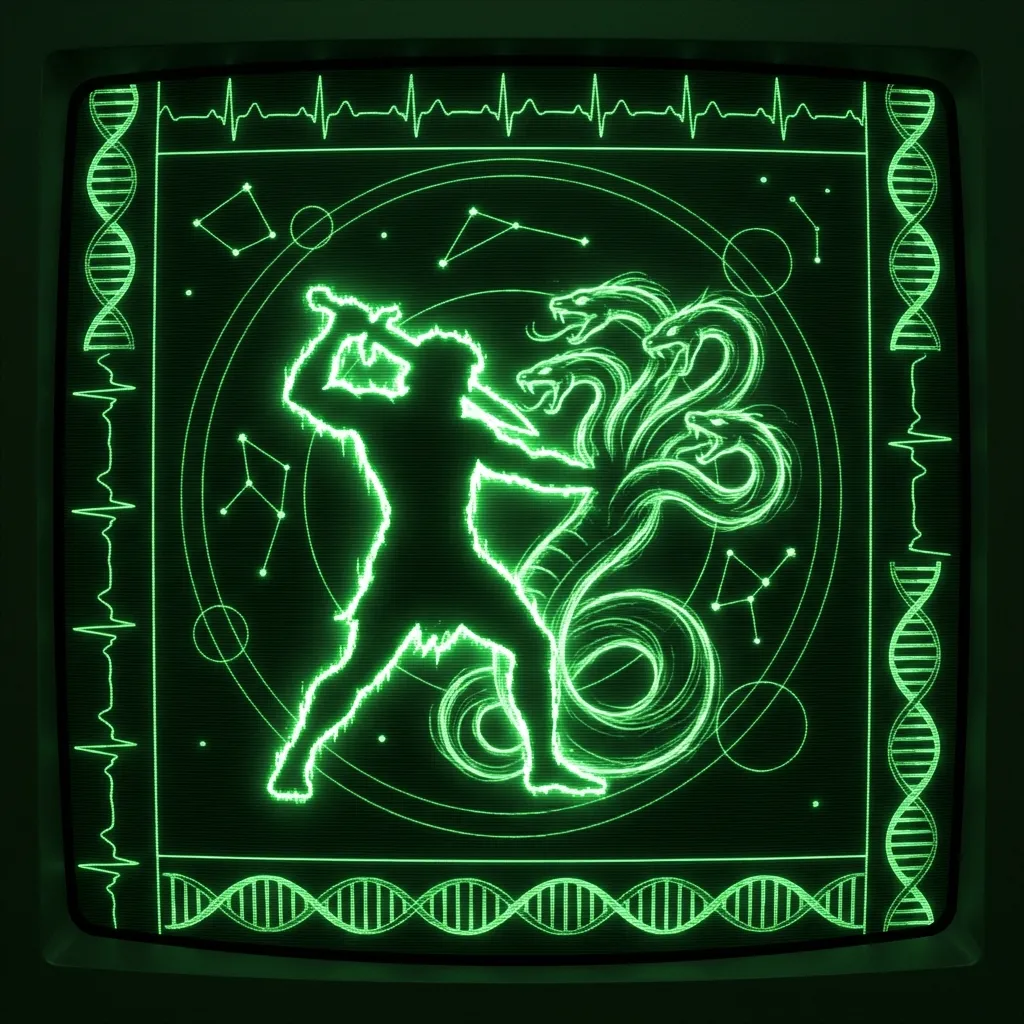
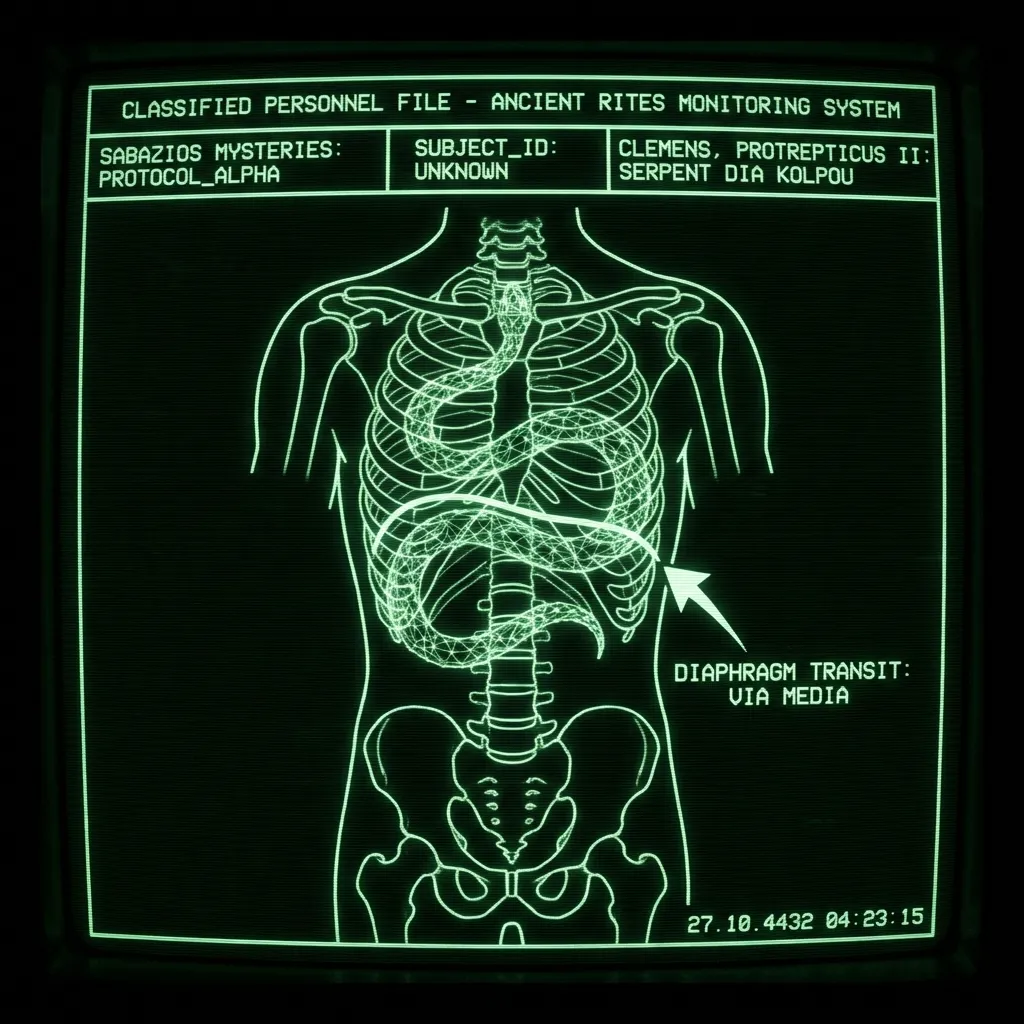
Reading Heracles’ serpent episodes—Hydra, Ladon, Cerberus—as initiatory stations of a pan‑Eurasian ‘Snake Cult of Consciousness,’ with Eleusis as capstone.
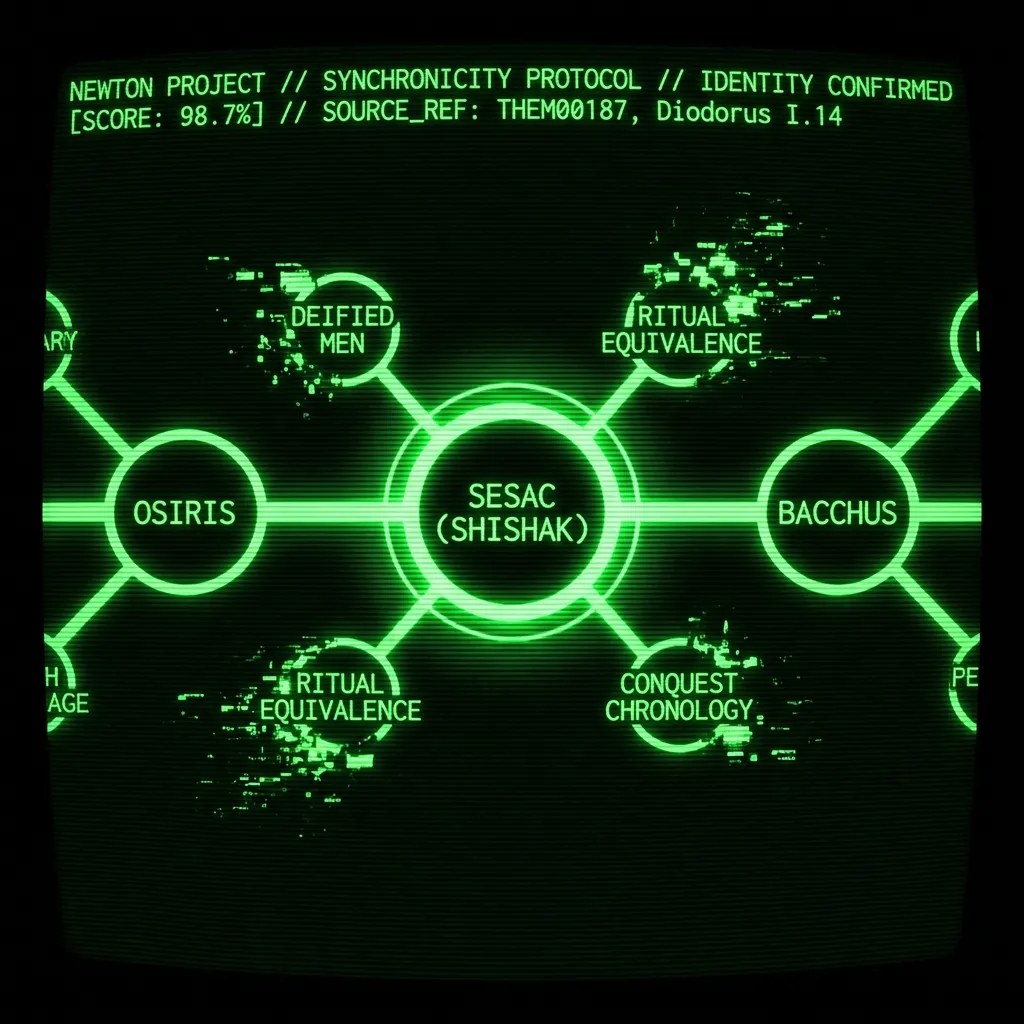
Newton’s euhemerist move: why he equates Dionysus/Bacchus with Osiris and the historical Egyptian king Sesac (a.k.a. Sesostris/Shishak), and how Bacchic rites mirror Osirian cult.
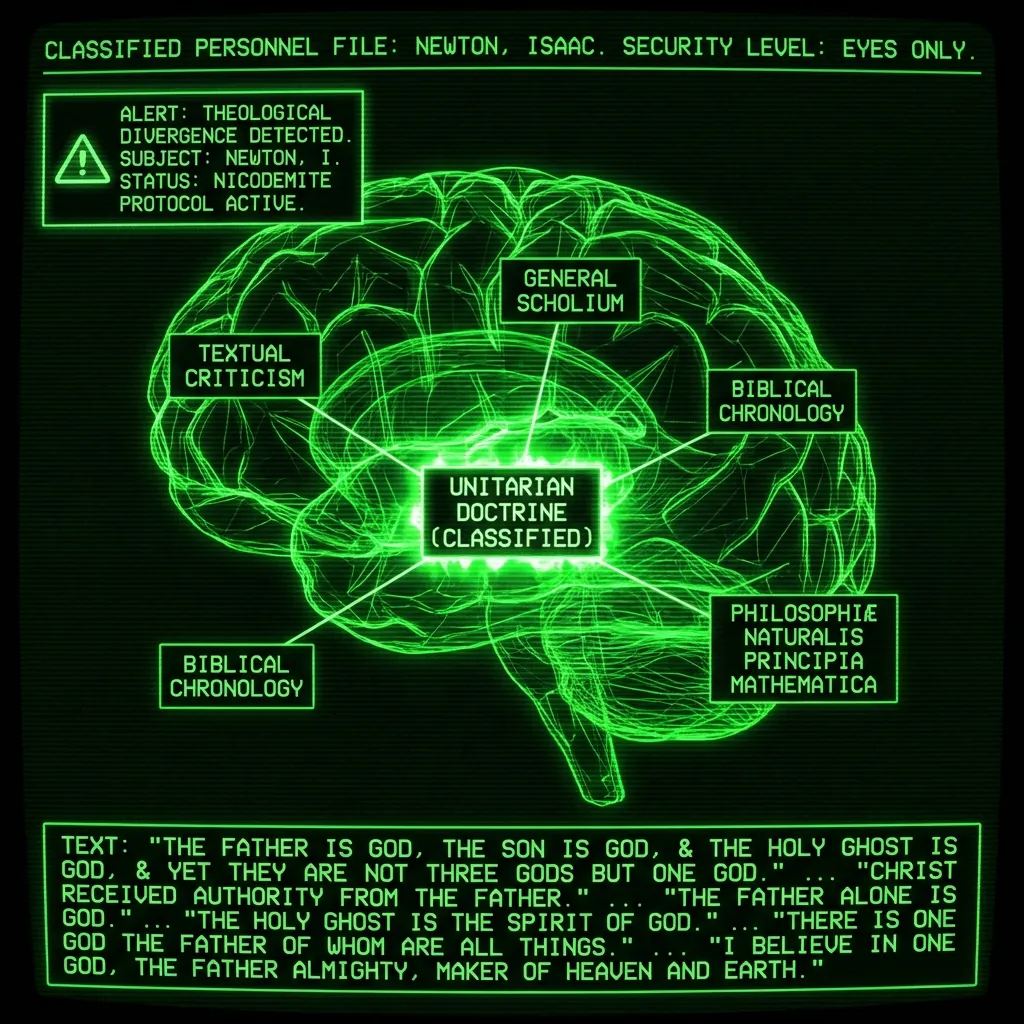
How Isaac Newton tried to recover the primitive monotheism—using textual criticism, chronology, and myth-as-history to rebuild a universal true religion.
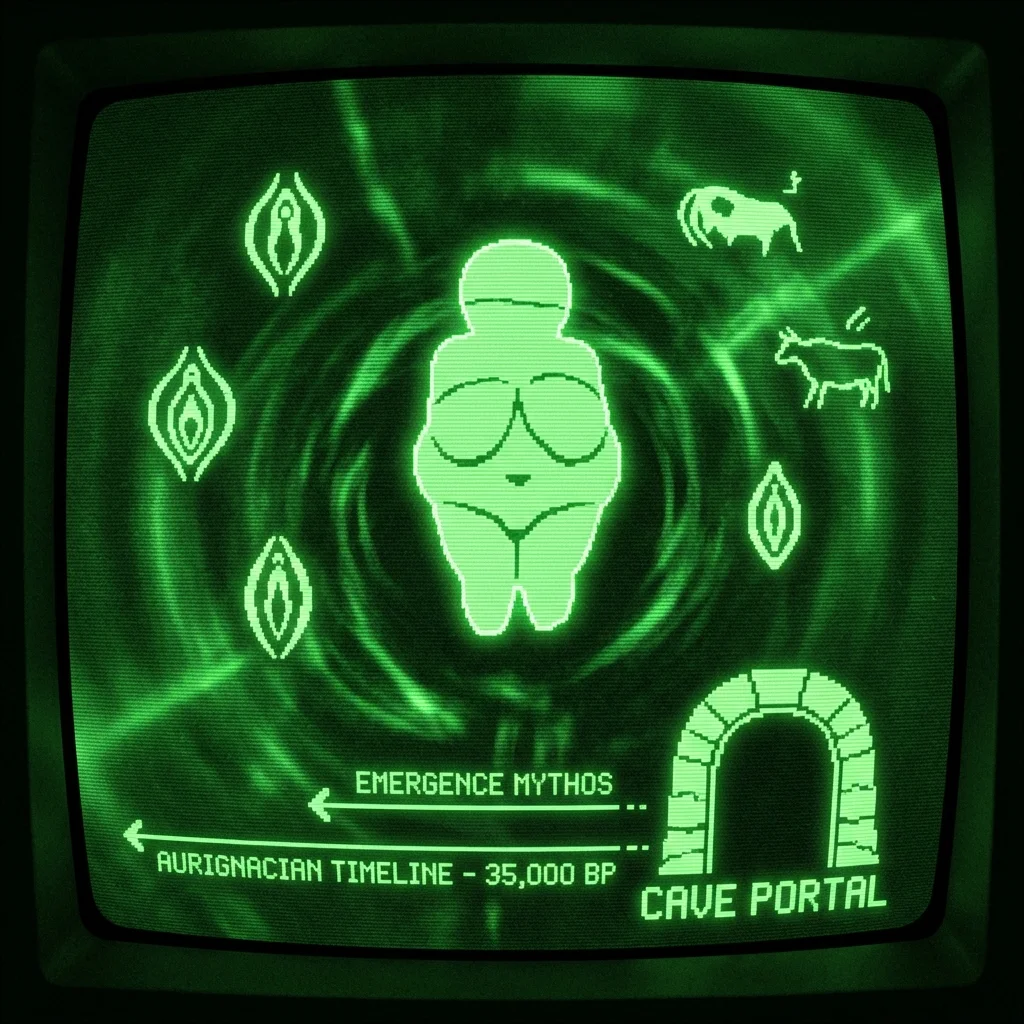
Do emergence-style creation myths reach back to the Paleolithic? A critical synthesis of phylogenetic work, Pueblo/Andean data, and Paleolithic ‘Venus’ iconography that centers women as cosmogenic agents.
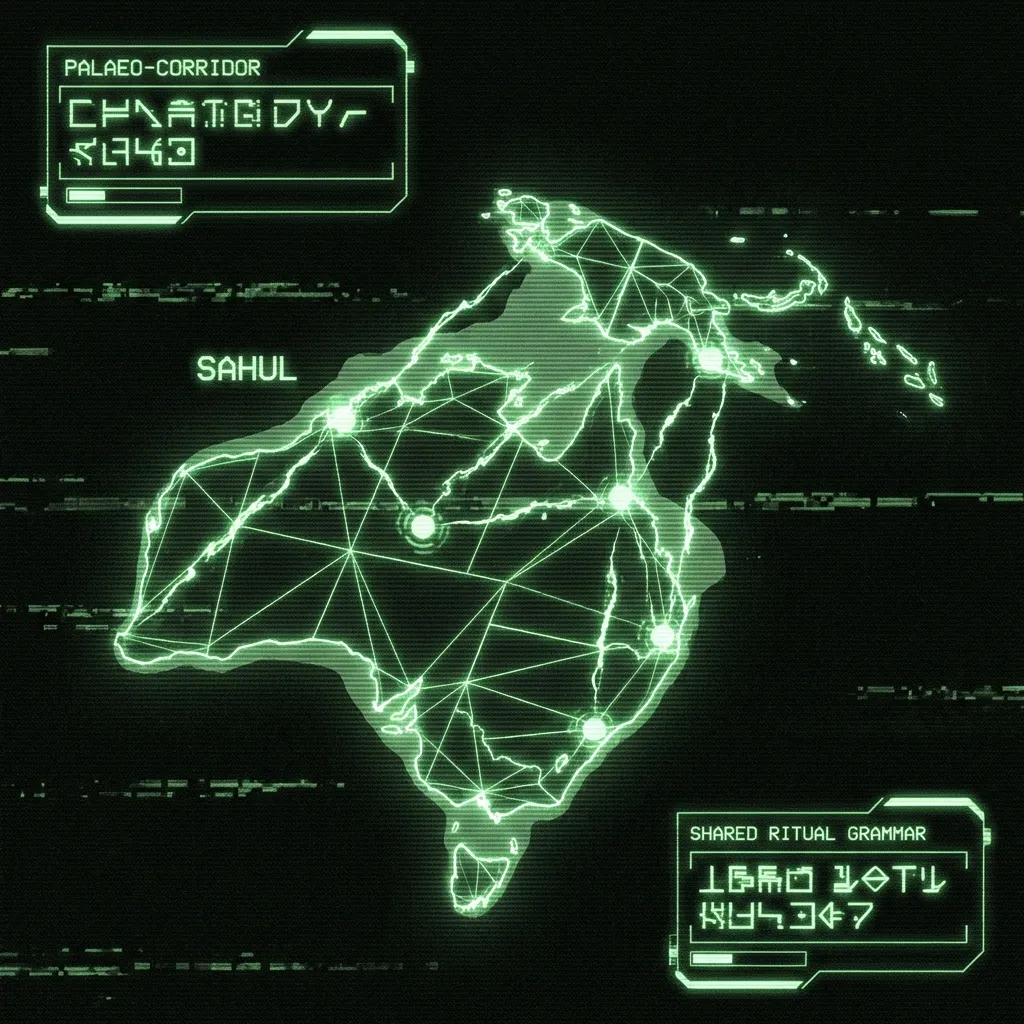
A concise case for historical links between Australian bullroarer–initiation and PNG Tambaran/flute cults, framed by Sahul-era connectivity.
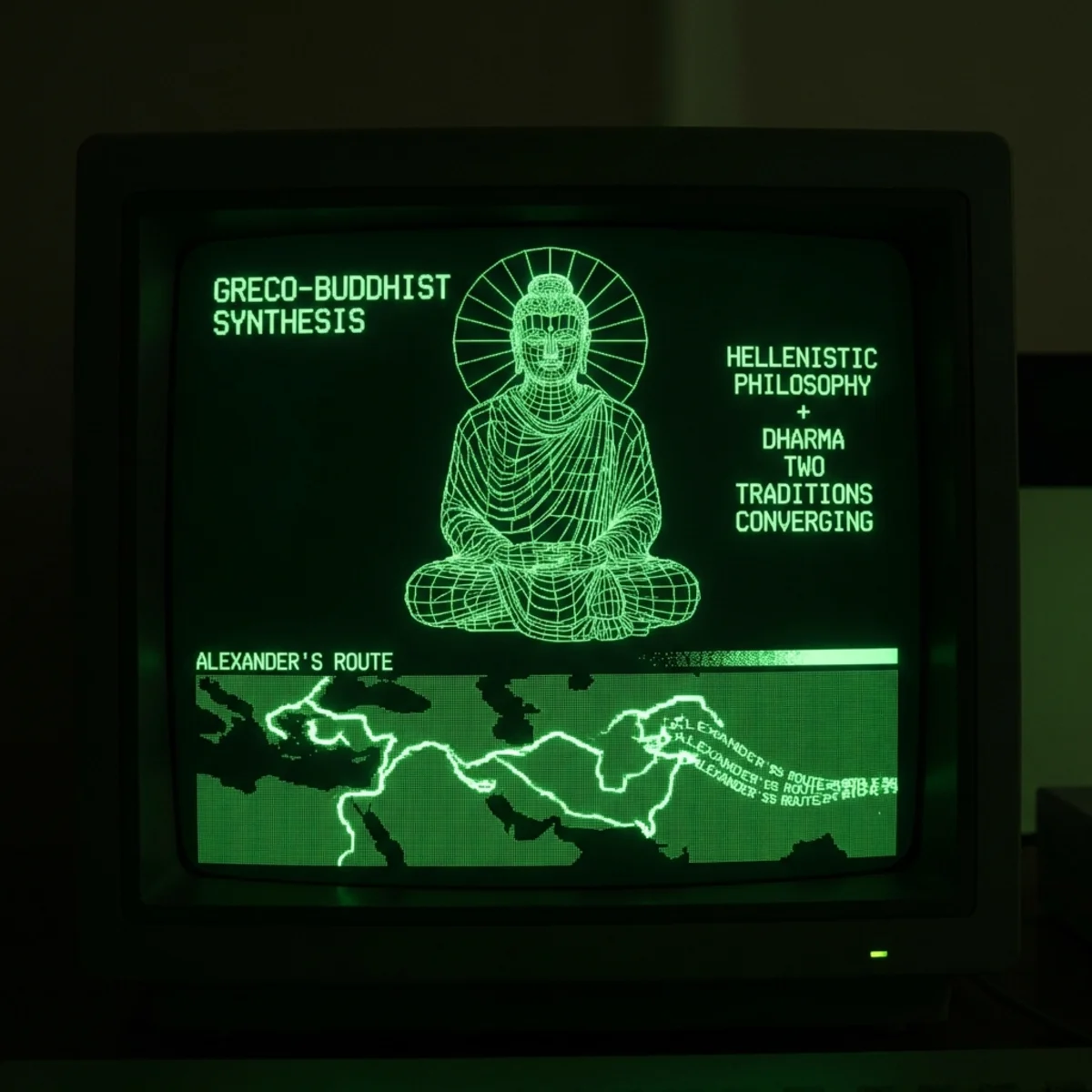
A neutral, source-heavy map of real contacts and plausible influence between Greek and Buddhist thought—what’s evidenced, what’s contested, and what’s likely convergent.
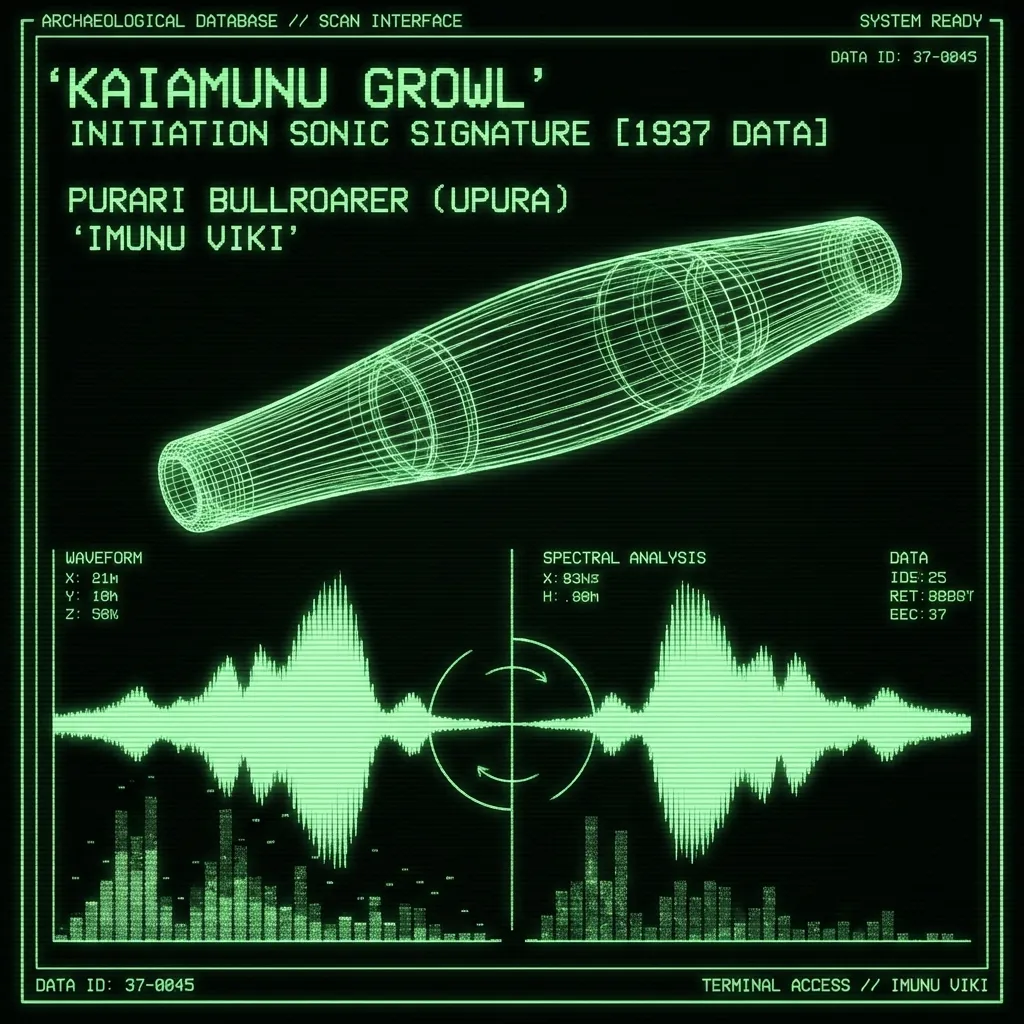
How bullroarers figure in Papua New Guinea male initiations—from Purari Delta imunu viki and kaiamunu ‘monsters’ to Sepik Tambaran houses—plus names, stages, and secrecy.
Comparative cases where initiates are called ‘snake‑bitten’ or ‘swallowed’—from Cape York’s dunggul to Sabazios, Yuruparí, the Ophites, Hopi Snake Dance, and Wawilak—w/ primary sources.
What Darwin actually said about early human social order—monogamy, polygyny, polyandry, ‘communal marriage,’ matriliny, time depth, and gene–culture feedback—with primary-source quotes.